

16th Sunday in Ordinary Time [B]
July 21, 2024
Eph 2:13-18
In his letter to the Ephesians, St. Paul called Jesus ‘He is our peace.’ Yet, why did St. Paul apply this strange title to Jesus? What does it really mean? And, how does this title affect our faith?
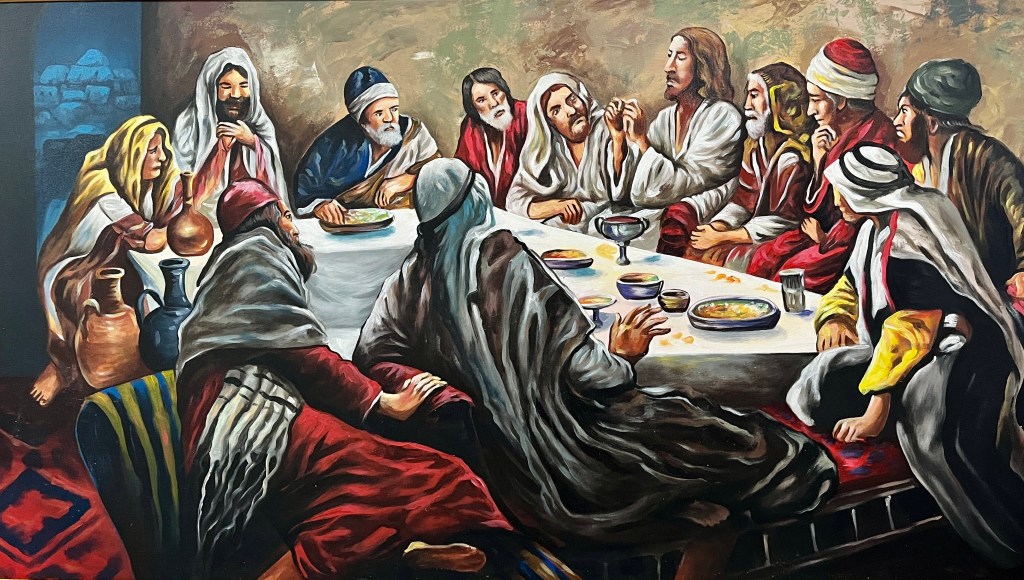
To understand Paul, we have to understand also the Old Testament. Afterall, Paul was a member of Pharisees, and thus, not only a zelous but also learned Jew. When St. Paul called Jesus as ‘peace’, he referred to the peace offering of the Jerusalem Temple. The peace offering (in Hebrew, Shalom) is one of sacrifices instructed by the Lord to the Israelites through Moses (see Lev 3). The peace offerings together with other with other sacrifices continued being offered in the time of Jesus and Paul. The ritual sacrifices ceased when the Romans burned down the Temple of Jerusalem in 70 AD, around two decades after Paul’s martyrdom.
As its name suggests, the purpose of this sacrifice is the reconciliation between the Lord, the God of Israel, and the Israelites who have offended the Lord. However, unlike other sacrifices that emphasize on satisfactions of sins and transgressions, like sin offering (chatat) and guilt offering (asham), the peace offering focuses on the result of God’s forgiveness, that is peace. When man offends God because of his sins, man becomes far from God, like an stranger and even enemy. There is enmity between God and man because of sin. There is no peace. However, when the man is forgiven, and his sins are removed, his friendship with God is restored, and there is peace between God and men. This peace causes joy and thanksgiving. The peace offering symbolizes the joy of forgiveness, the thanksgiving of peace achieved.
When St. Paul called Jesus as ‘our peace,’ St. Paul recognized Jesus offered Himself as the peace offering in the cross. Jesus did not only remove our sins, but also reconciled us to the Father. Jesus is the peace because He broke our enmity with God, and brought us back to God in friendship. Only in Jesus, we are at peace with God.
However, peace offering is also a special kind of sacrifice because it is not burnt totally (unlike holocaust sacrifice) but rather being shared also with the priest and the offerers. The fatty parts is burnt because it is for the Lord, some other parts of the animal are for the priests to consume and other parts are for those who offer the sacrifice. Thus, the peace sacrifice is like a meal shared by everyone. The sacrifice becomes the symbol of peace because only people who are at peace with each other can share the same table and food.
However, what is even more remarkable is the Catholic Church has this peace offering. Indeed, our peace offering is the Eucharist. In the Eucharist, Jesus is offered to the God the Father, and then, consumed not only by the priest, but also the faithful who participate in the celebration. Jesus Christ is truly our peace because in the Eucharist, we share the same meal with God.
Valentinus Bayuhadi Ruseno, OP
 Traditionally, the Gospel of John is divided into two major divisions: the Book of Sign [chapter 1-12] and the Book of Glory [Chapter 13-21]. The book of Sign focuses on the public ministry of Jesus and presents the seven signs of Jesus. In John’s Gospel, Sign is a technical term for a miracle. Jesus’ signs begin with changing water into wine in Cana and reaching its culmination in raising Lazarus from the dead. Meanwhile, the book of Glory tells us how Jesus is glorified. The second part starts with Jesus and his disciples in the Upperroom and culminates in His Passion, death, and resurrection.
 njil Yohanes biasanya dibagi menjadi dua divisi utama: Buku Tanda-Tanda [bab 1-12] dan Buku Kemuliaan [Bab 13-21]. Buku Tanda-Tanda berfokus pada pelayanan publik Yesus dan juga tujuh ‘tanda’ Yesus. Dalam Injil Yohanes, ‘Tanda’ adalah istilah teknis untuk mukjizat. Tanda-tanda Yesus ini dimulai dengan mengubah air menjadi anggur di Kana dan mencapai puncaknya dengan membangkitkan Lazarus dari kematian. Sedangkan Buku Kemuliaan menjelaskan kepada kita bagaimana Yesus ‘dimuliakan’. Buku kedua dimulai dengan Yesus dan murid-murid-Nya di Ruang Atas dan berpuncak pada sengsara, wafat, dan kebangkitan-Nya.
 Today’s Gospel presents us with one of the most cryptic sayings of Jesus, “Just as Moses lifted up the serpent in the desert, so must the Son of Man be lifted up, so that everyone who believes in him may have eternal life.” To unpack this, we cannot but go back to the Old Testament, especially the Book of Numbers.
 Injil hari ini memberi kita salah satu perkataan Yesus yang paling sulit dimengerti, “sama seperti Musa meninggikan ular di padang gurun, demikian juga Anak Manusia harus ditinggikan, supaya setiap orang yang percaya kepada-Nya beroleh hidup yang kekal.” Untuk memahami perkataan ini, kita perlu kembali ke Perjanjian Lama, terutama Kitab Bilangan.
 Mountain is a special place in the Bible. It is a place where God meets His people. In the Old Testament, there are many instances where mountains become a pivotal point of salvation history. After the great flood that cleansed the world, the Ark of Noah landed on Mount Ararat, and there, Noah offered sacrifice to God [see Gen 8:4]. Abraham was asked by God to offer his son Isaac on Mount Moriah. Just right before the sacrifice, the angel of God prevented Abraham and God recognized Abraham’s faith [see Gen 22]. When Moses was tending the flock of his father-in-law, Moses saw a burning bush yet was not consumed, and there, on the mount of Horeb, God called Moses to save Israelites from the Egyptians [see Exo 3]. After the liberation from Egypt, Moses and the Israelites the Law and established a covenant with God on the mount of Sinai [see Exo 24:18].
 Gunung adalah tempat khusus di dalam Kitab Suci. Ini adalah tempat dimana Tuhan bertemu dengan umat-Nya. Dalam Perjanjian Lama, ada banyak contoh di mana gunung menjadi titik penting dalam sejarah keselamatan. Setelah banjir besar yang membersihkan dunia, Bahtera nabi Nuh mendarat di Gunung Ararat dan di sana, Nuh mempersembahkan korban kepada Tuhan [lihat Kejadian 8: 4]. Abraham diminta oleh Tuhan untuk mempersembahkan putranya, Ishak, di Gunung Moria. Tepat sebelum pengorbanan, malaikat Tuhan mencegah Abraham dan Tuhan menerima iman Abraham [lihat Kejadian 22]. Ketika Musa sedang menggembalakan kawanan bapa mertuanya, Musa melihat semak bernyala tapi tidak habis terbakar, dan di sana, di gunung Horeb, Tuhan memanggil Musa untuk menyelamatkan bani Israel dari Mesir [lihat Keluaran 3].
 Leprosy in the time of Jesus is not only physically and mentally deadly, but also spiritually incapacitating. Leprosy or currently known as the Hansen’s disease is horrifying sickness because it does not kill the person slowly, but it gradually deforms and incapacitates the person. The bacteria cause terrible damage in peripheral nervous to the point that the person is no longer feeling the sensation, especially pain. Without this sensation, the person fails to recognize and avoid bodily injuries. Losing limbs is shared among the victims with advanced stages of leprosy.
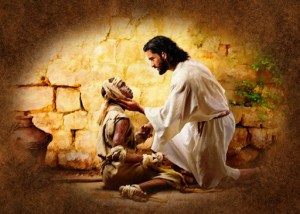 Penyakit kusta pada zaman Yesus tidak hanya mematikan secara fisik dan mental, tetapi juga melumpuhkan secara rohani. Kusta atau yang sekarang dikenal dengan penyakit Hansen adalah penyakit yang mengerikan karena tidak hanya membunuh orangnya secara perlahan, tetapi lambat laun akan merusak wujud dan melumpuhkan orang tersebut. Bakteri kusta menyebabkan kerusakan yang parah pada jaringan saraf sehingga orang tersebut tidak lagi dapat merasakan sensasi, terutama rasa sakit. Tanpa sensasi ini, orang tersebut gagal mengenali dan menghindari cedera pada tubuh. Kehilangan anggota tubuh seperti jari adalah hal yang biasa terjadi pada penderita kusta stadium lanjut.
 Yesus tidak dapat dipisahkan dari pelayanan penyembuhan-Nya. Beberapa kisah kesembuhan merupakan kejadian yang luar biasa seperti kesembuhan seorang wanita dengan pendarahan dan juga anak perempuan Jarius [Markus 5: 321-43]. Penyembuhan ini adalah mujizat karena kasus-kasus yang dihadapi Yesus adalah hal-hal mustahil disembuhkan pada zaman-Nya. Sang wanita telah menderita pendarahan selama dua belas tahun tanpa harapan, dan putri Jarius sebenarnya sudah meninggal. Di sisi lain, Yesus tidak hanya menyembuhkan orang yang sakit parah, tapi juga mereka yang sakitnya tergolong tidak membahayakan.
 In Medio Ecclesiae