Trinity in the Bible and in Our Life

The Solemnity of the Most Holy Trinity [C]

June 15, 2025

John 16:12-15

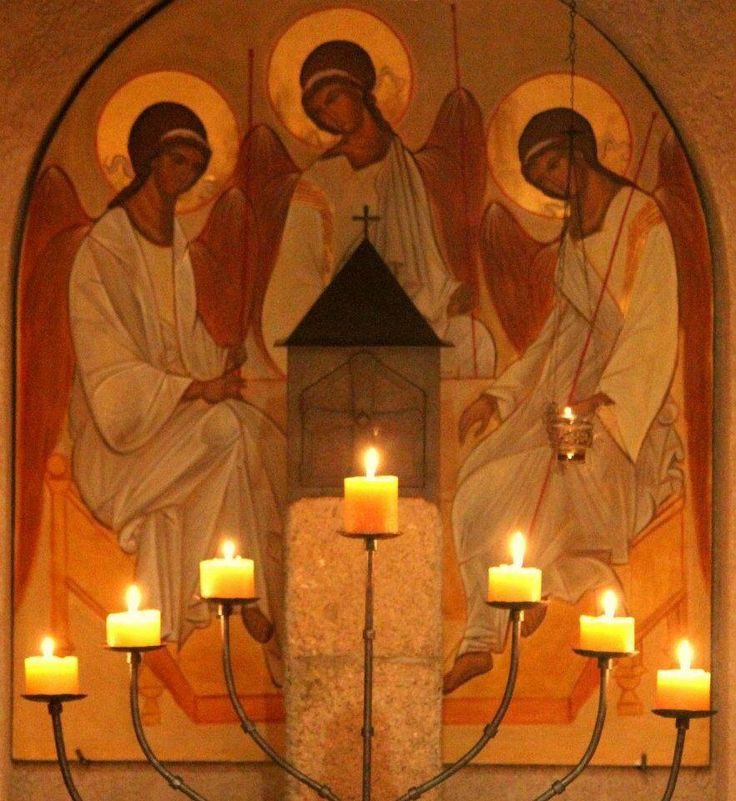
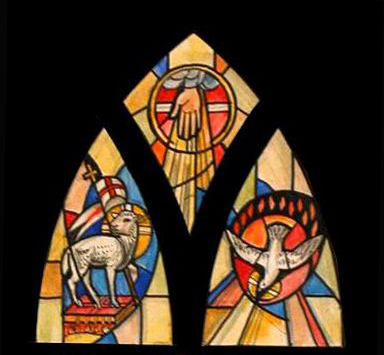
The mystery of the Holy Trinity stands at the center and foundation of our faith because it reveals the very nature of God. Our logical minds can deduce that there is one God, a perfect Being who created and sustains all things. Yet, we depend on divine revelation to grasp this profound truth. The word “Trinity” does not appear in Scripture, but the Bible, both in the Old and New Testaments, unveils this reality. Scripture affirms there is only one God, yet simultaneously reveals a plurality within His oneness.

One intriguing passage that hints at the Trinity is the very verse that declares God’s oneness—the Shema Israel (Deuteronomy 6:4). The Hebrew text reads: “שְׁמַע יִשְׂרָאֵל יְהוָה אֱלֹהֵינוּ יְהוָה אֶחָד” (Shema Yisrael Adonai Eloheinu Adonai Echad). Most English translations render this as, “Hear, O Israel: The Lord our God, the Lord is one.” However, a more literal translation would be: “Hear, O Israel: The Lord, our God, the Lord, one.” It is striking how the verse mentions the Lord three times before concluding with “one.”

Other Old Testament passages also suggest plurality within God’s unity. For example: Gen 1:1-2 and 1:26 speak of God creating with His Spirit and using the plural “Let Us make man in Our image.” The Angel of the Lord appears as a divine yet distinct figure (Gen 16:7-13; 22:11-18; Exo 3:2-6; Judg 13:18-22). The Spirit of God is active in the Psalms and prophets (Ps 51:11; Isa 63:10-11; 48:16; Eze 36:26-27). Prophet Zechariah (2:10-11) even speaks of “two Yahwehs.” Yet, the fullness of this mystery is only fully revealed in the New Testament.

One of the most definitive Trinitarian passages is Matthew 28:19: “Baptize them in the name of the Father and of the Son and of the Holy Spirit.” Here, Jesus speaks of one name, yet within that one name are three distinct Persons: Father, Son, and Holy Spirit.

However, the Trinity is more than a biblical truth, but it is the most precious gift to us. As St. Paul writes, “No one can say, ‘Jesus is Lord,’ except by the Holy Spirit” (1 Cor 12:3). The Spirit infuses faith in our hearts, enabling us to confess Christ, the Son of the Father. The same Spirit pours hope into us amid trials, especially for confessing the true God (Rom 5:3-5). And when we love, even those hardest to love, we participate in the life of the Triune God, whose very essence is love (1 Jn 4:8).

The Trinity is not merely a doctrine to profess but a mystery we live daily. We enter Christian life through Trinitarian baptism. As Catholics and Orthodox, we begin prayers with the Sign of the Cross, invoking the Father, Son, and Spirit. In the Eucharist, the Holy Spirit transforms the bread and wine into Christ’s Body and Blood, offered to the Father as the perfect sacrifice.

As we celebrate this greatest mystery of our faith, let us give thanks that God invites us into His very life—Father, Son, and Holy Spirit—now and forever.

Rome

Valentinus Bayuhadi Ruseno, OP

Guide Question:

How do we relate with the Holy Trinity? When the first time, we recognize the truth about the Trinity? How do we relate to the Father? How do we relate to Jesus? How do we relate to the Holy Spirit?
Tritunggal di Kitab Suci dan Hidup Kita

Hari Raya Tritunggal Mahakudus [C]

15 Juni 2025

Yohanes 16:12-15

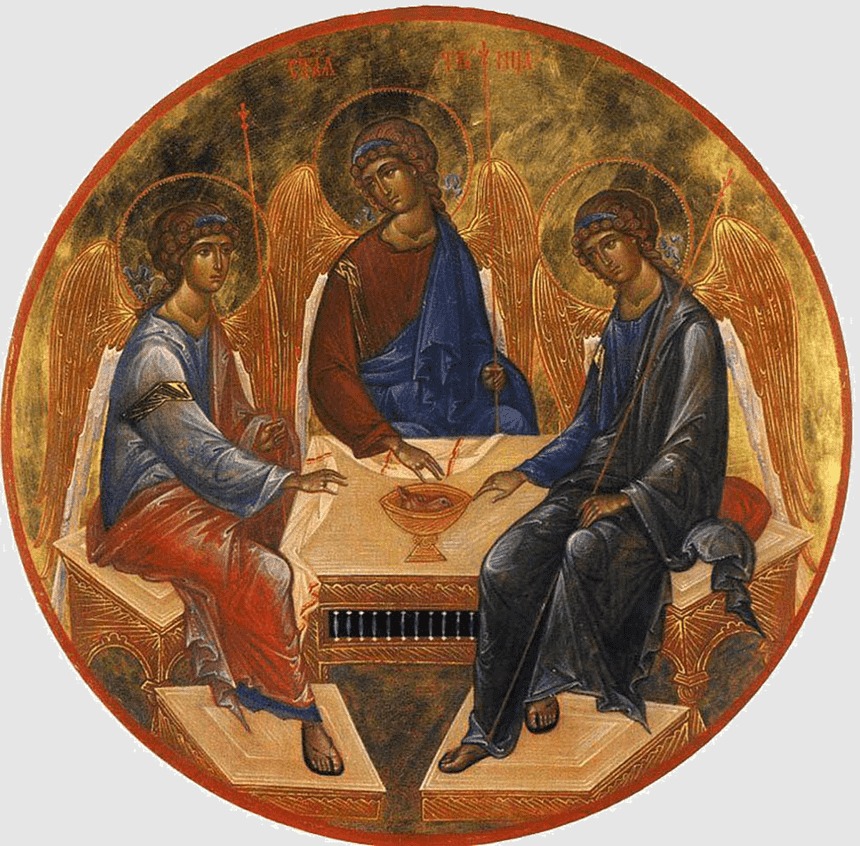
Misteri Tritunggal Mahakudus berada di pusat dan dasar dari iman kita karena misteri ini menyingkapkan siapa Allah kita sebenarnya. Pikiran logis kita dapat menyimpulkan bahwa hanya ada satu Allah, yaitu Tuhan yang sempurna yang menciptakan dan memelihara segala sesuatu. Namun, kita hanya bisa bergantung pada wahyu ilahi untuk memahami kebenaran yang mendalam ini. Kata “Tritunggal” memang tidak muncul dalam Alkitab, tetapi Alkitab, baik dalam Perjanjian Lama maupun Perjanjian Baru, menyingkapkan realitas ini. Alkitab menegaskan bahwa hanya ada satu Allah, namun secara bersamaan mengungkapkan kemajemukan (pluralitas) di dalam keesaan-Nya.

Salah satu ayat menarik yang mengisyaratkan Trinitas adalah ayat yang menyatakan keesaan Allah, “Shema Israel” (Ulangan 6:4). Ayat dalam bahasa Ibrani tersebut tertulis: “שְׁמַע יִשְׂרָאֵל יְהוָה אֱלֹהֵינוּ יְהוָה אֶחָד” (Shema Yisrael Adonai Eloheinu Adonai Echad). Alkitab Indonesia menerjemahkannya sebagai, “Dengarlah, hai Israel: Tuhan Allah kita, Tuhan itu esa.” Namun, terjemahan yang lebih harfiah adalah: “Dengarlah, hai Israel: Tuhan, Allah kita, Tuhan, satu.” Sungguh mengejutkan bagaimana ayat ini menyebutkan Tuhan tiga kali sebelum diakhiri dengan kata “satu”.

Ayat-ayat Perjanjian Lama yang lain juga menunjukkan kemajemukan di dalam kesatuan Allah. Sebagai contoh: Kej 1:1-2 berbicara tentang Allah yang menciptakan dengan Roh dan Sabda-Nya. Lalu Kej 1:26 menggunakan bentuk jamak bagi Allah yang satu, “Baiklah Kita menjadikan manusia menurut gambar dan rupa Kita.” Malaikat Tuhan muncul sebagai sosok yang ilahi namun berbeda dengan Allah (Kej 16:7-13; 22:11-18; Kel 3:2-6; Hak 13:18-22). Roh Allah aktif di dalam Mazmur dan para nabi (Mzm 51:11; Yes 63:10-11; 48:16; Yeh 36:26-27). Nabi Zakharia (2:10-11) bahkan berbicara tentang “dua Yahwe”. Namun, kepenuhan misteri ini baru terungkap sepenuhnya dalam Perjanjian Baru.

Salah satu ayat yang paling definitif tentang Tritunggal adalah Matius 28:19: “Baptislah mereka dalam nama Bapa dan Putra dan Roh Kudus.” Di sini, Yesus berbicara tentang satu nama, namun di dalam satu nama tersebut terdapat tiga Pribadi yang berbeda: Bapa, Putra, dan Roh Kudus.

Namun, Tritunggal bukan hanya sekedar kebenaran Alkitabiah, tetapi juga merupakan anugerah yang paling berharga bagi kita. Paulus menulis, “Tidak ada seorangpun yang dapat berkata: ”Yesus adalah Tuhan“, kalau tidak oleh Roh Kudus” (1 Kor 12:3). Roh Kudus menanamkan iman di dalam hati kita, memampukan kita untuk mengakui Yesus, Putra Bapa. Roh yang sama mencurahkan pengharapan ke dalam diri kita di tengah-tengah pencobaan, terutama untuk mengakui Allah yang benar (Rm 5:3-5). Dan ketika kita mengasihi, bahkan kepada mereka yang paling sulit untuk dikasihi, kita mengambil bagian dalam kehidupan Allah Tritunggal, yang pada hakikatnya adalah kasih (1 Yoh 4:8).

Tritunggal bukan hanya sebuah doktrin yang harus diimani, tetapi sebuah misteri yang kita hayati setiap hari. Kita memasuki kehidupan Kristiani melalui baptisan Tritunggal. Sebagai umat Katolik dan Ortodoks, kita memulai doa dengan Tanda Salib, menyebut nama Bapa, Putra, dan Roh Kudus. Dalam Ekaristi, Roh Kudus mengubah roti dan anggur menjadi Tubuh dan Darah Kristus, yang dipersembahkan kepada Bapa sebagai kurban yang sempurna.

Ketika kita merayakan misteri terbesar dalam iman kita ini, marilah kita bersyukur bahwa Allah mengundang kita ke dalam kehidupan-Nya – Bapa, Putra, dan Roh Kudus – sekarang dan selamanya.

Roma

Valentinus Bayuhadi Ruseno, OP

Pertanyaan Panduan:

Bagaimana kita berhubungan dengan Allah Tritunggal Mahakudus? Bagaimana kita berhubungan dengan Bapa? Bagaimana kita berhubungan dengan Yesus? Bagaimana kita berhubungan dengan Roh Kudus?

Holy Trinity and Baptism

The Solemnity of the Holy Trinity

May 26, 2024

Matthew 28:16-20

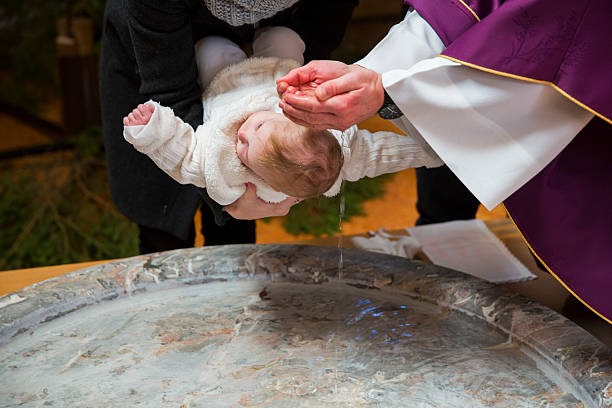
As we celebrate the mystery of the Holy Trinity, the Church invites us to meditate on our Baptism. We are baptized in the formula given by Jesus Himself. Jesus instructed His disciples, “Go therefore and make disciples of all nations, baptizing them in the name of the Father and of the Son and of the Holy Spirit (Mat 28:19).” Yet, what does it mean to be baptized with this Trinitarian formula?

Baptism claims us for God. We are baptized ‘in’ the name of the Father, and of the Son, and of the Holy Spirit. In New Testament Greek, the preposition ‘in’ is ‘εἰς’ (read: eis), and this points to a movement from one place to another or from an old condition to a new one. Thus, Baptism allows us to enter a new place, state, and status.

In Baptism, we are no longer outside of God, but now we are inside of God. We no longer belong to the world but now to God. We are no longer under the influence of Satan, but now we are animated by God’s grace. The grace of Baptism recreates us from the fallen children of Adam into God’s holy children. The same grace transforms us into redeemed members of Jesus’ body. And finally, this grace also sanctifies us and makes us become the temple of the Holy Spirit.

Since Baptism leads us to communion with the Holy Trinity and heaven is nothing but permanent union with God, Baptism is necessary for our salvation. No wonder St. Peter teaches with authority that Baptism saves us (1 Pet 3:21). However, we must remember that the grace we receive in Baptism must be properly received and manifested in our lives.

This union with God is not only something spiritual and invisible but concrete and visible. In this world, we believe that the family of God, the Body of Christ, and the Temple of the Holy Spirit have a visible manifestation: the Church. Baptism is also a gateway to our membership in the Church. Therefore, we demonstrate our belonging to the holy Trinity when we manifest our belonging to our local Church, parishes, and the universal Church. We express our spiritual union with the Holy Trinity when we celebrate the liturgy of the Eucharist worthily.

Thus, we cannot say we are in unity with the Holy Trinity, but we never attend mass because of laziness or receive the holy Communion unworthily.

We reveal our love for the holy Trinity when we love our fellow Christians and even those who do not believe yet in the Trinity. That is why St. John says, “If anyone says, ‘I love God,’ and hates his brother, he is a liar; for he who does not love his brother whom he has seen, cannot love God whom he has not seen (1 Jn 4:20).” We display our communion with the Holy Trinity when we separate ourselves with the devil and his works. We cannot say that we are children of God, but we live in sins, we steal from others, we are involved in esoteric practices, and we believe in superstitions.

The sacrament of Baptism does not stop with the pouring of water but manifests in our daily lives. Our belief in the Trinity does not simply mean intellectual acceptance of God’s presence but also transforms our lives and the way we live in the world.

Rome

Valentinus Bayuhadi Ruseno, OP

Tritunggal Mahakudus dan Pembaptisan

Hari Raya Tritunggal Mahakudus [B]
26 Mei 2024
Matius 28:16-20

Hari ini, kita merayakan misteri Tritunggal Mahakudus, dan Gereja mengundang kita untuk merenungkan Pembaptisan kita. Kita dibaptis dalam rumusan yang diberikan oleh Yesus sendiri. Yesus memerintahkan para murid-Nya, “Karena itu pergilah, jadikanlah semua bangsa murid-Ku dan baptislah mereka dalam nama Bapa dan Putra dan Roh Kudus (Mat 28:19).” Namun, apa artinya dibaptis dengan rumusan Tritunggal ini?

Kita dibaptiskan ‘di dalam’ nama Bapa, Anak dan Roh Kudus. Dalam bahasa Yunani Perjanjian Baru, kata depan ‘di dalam’ adalah ‘εἰς’ (baca: eis), dan ini menunjukkan perpindahan dari satu tempat ke tempat lain atau dari suatu kondisi yang lama ke kondisi yang baru. Dengan demikian, Baptisan memungkinkan kita untuk memasuki tempat, keadaan, dan status yang baru.

Dalam Pembaptisan, kita tidak lagi berada di luar Allah, tetapi sekarang kita berada di dalam Allah. Kita tidak lagi menjadi milik dunia, tetapi sekarang menjadi milik Allah. Kita tidak lagi berada di bawah pengaruh Iblis, tetapi sekarang kita digerakkan oleh rahmat Allah. Rahmat Baptisan menciptakan kembali kita dari anak-anak Adam yang telah jatuh ke dalam dosa, menjadi anak-anak Allah yang kudus. Rahmat yang sama mengubah kita menjadi anggota yang telah ditebus dari Tubuh Yesus. Dan akhirnya, rahmat ini juga menguduskan kita dan membuat kita menjadi bait Roh Kudus.

Karena Pembaptisan membawa kita kepada persekutuan dengan Tritunggal Mahakudus dan surga tidak lain adalah persekutuan yang permanen dengan Allah, maka Pembaptisan sangat penting bagi keselamatan kita. Tidak heran jika Santo Petrus mengajarkan dengan penuh otoritas bahwa Baptisan menyelamatkan kita (1 Pet. 3:21). Namun, kita harus ingat bahwa rahmat yang kita terima dalam Pembaptisan harus diterima dengan benar dan dinyatakan dalam hidup kita.

Persatuan dengan Allah bukan hanya sesuatu yang bersifat rohani dan tidak terlihat, tetapi juga nyata dan dapat dilihat. Di dunia ini, kita percaya bahwa keluarga Allah, Tubuh Kristus, dan Bait Roh Kudus memiliki manifestasi yang dapat dilihat, yakni Gereja. Dari sini, kita bisa menyimpulkan bahwa Baptisan juga merupakan pintu gerbang menuju keanggotaan kita di dalam Gereja. Oleh karena itu, kita menunjukkan bahwa kita milik Tritunggal Mahakudus ketika kita menyatakan keanggotaan kita dalam Gereja lokal, di paroki-paroki, dan juga Gereja universal, yakni kesatuan dengan Paus.

Kita mengekspresikan persatuan rohani kita dengan Tritunggal Mahakudus ketika kita merayakan liturgi Ekaristi dengan layak. Dengan demikian, kita tidak dapat mengatakan bahwa kita berada dalam kesatuan dengan Tritunggal Mahakudus, tetapi kita tidak pernah menghadiri misa karena kemalasan atau menerima Komuni dengan tidak layak.

Kita menyatakan kasih kita kepada Tritunggal Mahakudus ketika kita mengasihi sesama umat Kristiani dan bahkan mereka yang belum percaya kepada Tritunggal. Itulah sebabnya Santo Yohanes berkata, “Jikalau seorang berkata: ‘Aku mengasihi Allah,’ dan ia membenci saudaranya, ia adalah pendusta, sebab barangsiapa tidak mengasihi saudaranya yang telah dilihatnya, tidak mungkin mengasihi Allah, yang tidak dilihatnya (1 Yoh. 4:20).”

Kita menunjukkan persekutuan kita dengan Tritunggal Mahakudus ketika kita memisahkan diri kita dari Iblis dan pekerjaannya. Kita tidak dapat mengatakan bahwa kita adalah anak-anak Allah, tetapi kita hidup dalam dosa, kita mencuri dan merugikan dari orang lain, kita terlibat dalam praktik-praktik esoterik, dan kita percaya pada takhayul.

Sakramen Baptisan tidak berhenti dengan penuangan air, tetapi diwujudkan dalam kehidupan kita sehari-hari. Iman kita kepada Tritunggal tidak hanya berarti penerimaan intelektual atas kehadiran Allah tetapi juga mengubah hidup kita di dunia.

Roma
Valentinus Bayuhadi Ruseno, OP

Mengapa Kita Percaya kepada Tritunggal Mahakudus

Hari Raya Tritunggal Mahakudus
4 Juni 2023
Yohanes 3:16-18

Pada hari Minggu setelah Pentekosta, Gereja merayakan misteri dari segala misteri, yaitu Tritunggal Mahakudus, Satu Allah dalam Tiga Pribadi, Bapa, Putra dan Roh Kudus. Tidak diragukan lagi, kebenaran ini sangat sulit untuk dipahami, apalagi dijelaskan. Namun, mengapa Gereja bersikeras untuk mengajarkan hal ini dan bahkan merayakan misteri ini? Mengapa Gereja tidak mengajarkan sesuatu yang lebih sederhana daripada misteri Tritunggal, dan mungkin, Gereja dapat memperoleh lebih banyak pengikut?

Gereja tidak dapat mengubah ajaran tentang Tritunggal Mahakudus. Mengapa? Karena ini adalah kebenaran Injil! Seandainya Gereja memproklamasikan versi Allah yang telah dipermudah, Gereja akan berada dalam kesalahan besar dan kehilangan identitasnya sebagai Gereja yang didirikan oleh Kristus. Kenyataannya, ada upaya-upaya untuk mengubah misteri ini sejak awal sejarah Gereja. Ada beberapa teolog yang mengusulkan bahwa Allah itu hanya satu satu pribadi (bukan tiga), dan Dia hanya menampakkan diri dalam berbagai ‘mode’ ketika berhadapan dengan ciptaan. Dia adalah Bapa ketika Dia menciptakan dunia, Putra ketika Dia menyelamatkannya, dan Roh Kudus ketika Dia menguduskannya. Ajaran ini secara tradisional disebut sebagai modalisme, dan Gereja menolak tegas ajaran ini.

Ajaran lain mengatakan bahwa Bapa adalah satu-satunya Allah, sementara Yesus (dan Roh Kudus) bukanlah ilahi, dan dengan demikian tidak ada ‘Tritunggal’. Salah satu pencetus pandangan ini adalah Arius dari Aleksandria dari abad ke-4 Masehi. Dia mengatakan bahwa Yesus bukanlah ilahi, melainkan makhluk ciptaan yang dikaruniai kekuatan super. Pada masa itu, hal ini menjadi kontroversi besar, dan kesederhanaan ajaran Arius menarik banyak orang. Gereja tahu bahwa ajaran ini tidak benar dan dengan tegas menyatakannya sebagai ajaran yang salah, dan karena itu Gereja harus mengalami penganiayaan. Banyak umat beriman memilih mati daripada meninggalkan misteri Tritunggal Mahakudus.

Mengapa kita tidak memilih ajaran tentang Tuhan yang lebih sederhana? Mengapa Gereja mempertahankan kebenaran yang sangat kompleks dan sulit tentang Tritunggal Mahakudus? Ajaran-ajaran yang sederhana mungkin menarik dan mudah diterima, tetapi bukan berarti ajaran-ajaran yang lebih kompleks secara otomatis salah atau tidak relevan. Sebagai contoh, penjumlahan dan pengurangan adalah hal yang paling mendasar dan paling sederhana dalam matematika, tetapi matematika juga mengandung aljabar dan geometri yang kompleks. Apakah ini berarti kita dapat dengan mudah mengabaikan aljabar dan menganggapnya salah karena terlalu rumit untuk kita pahami? Tentu saja tidak! Kebenaran tidak berubah meskipun kita tidak menyukainya atau mengabaikannya. Kebenaran tetap ada meskipun kita mencoba untuk menggantinya.

Bagi Gereja, misteri Tritunggal Mahakudus bukanlah satu kebenaran di antara kebenaran lainnya, melainkan kebenaran dari segala kebenaran. Bahkan, kebenaran inilah yang menyelamatkan. Seperti halnya mempelajari kebenaran matematika yang dapat membantu kita dalam membangun rumah dan dengan demikian, meningkatkan kehidupan kita. Demikian pula mempelajari dan menghayati kebenaran tertinggi, misteri Tritunggal, dapat membawa kita lebih dekat kepada kehidupan kekal. Akan tetapi, jika kita mempercayai dan mengajarkan pemahaman yang salah tentang Allah kita, hal ini dapat menyesatkan kita dan bahkan membahayakan keselamatan jiwa kita. Inilah sebabnya mengapa kita senantiasa percaya, mengajarkan dan menghidupi misteri Tritunggal Mahakudus.

Roma
Valentinus Bayuhadi Ruseno, OP

Why We Believe in the Holy Trinity

The Most Holy Trinity

June 4, 2023

John 3:16-18

On Sunday after Pentecost, the Church celebrates the mystery of all mysteries, the Most Holy Trinity. Doubtless, this truth is most challenging to understand, let alone to explain. Yet, why does the Church insist on teaching this and even celebrate the mystery? Why doesn’t the Church teach something more straightforward than the mystery of the Trinity, and perhaps, the Church could have gained more followers?

The Church cannot change the teaching of the Holy Trinity. Why? It is the truth of the Gospel! Had the Church proclaimed watered-down versions of God, the Church would be in grave error and lose its identity as the Church founded by Christ. In fact, there have been attempts to change this mystery since the beginning of the Church’s history. Some theologians proposed that God is one, but He appeared in different modes when dealing with creation. He was the Father when He created the world, the Son when He saved it, and the Holy Spirit when He sanctified it. This teaching is traditionally called modalism. The Church rejected this teaching.

Another teaching says that the Father is the only God, while Jesus (and the Holy Spirit) are not divine, and thus there is no ‘Trinity’. One of the proponents of this view is Arius of Alexandria from the fourth century AD. He said that Jesus was not divine, but a created being gifted with superpowers. In his own words about Jesus, “There was time that he was not.” At that time, it was a huge controversy, and the simplicity of his teaching attracted a lot of people. The Church declared it a false teaching, and because of that, the Church had to endure persecution. Many faithful chose death rather than renounce the mystery of the Holy Trinity.

Why don’t we go for the simpler teaching of God? Why does the Church stand for the highly complex and difficult truth of the Holy Trinity? Simple teachings may be attractive and easy to accept, but it does not mean that more complex teachings are automatically false or irrelevant. For example, addition and subtraction are foundational and simplest in mathematics, but the same mathematics also contains complex algebra and geometry. Does it mean we can easily ignore algebra and dismiss it as false because it is too complex to understand? Certainly not! The truth does not change even if we do not like it or ignore it. The truth remains, even though we try to water it down.

For the Church, the mystery of the Holy Trinity is not just any truth but the truth of all truths and the mystery of all mysteries. In fact, it is the truth that saves. Studying mathematical truths can help us in building houses and, thus, improve our lives, so researching and living the ultimate reality, the mystery of the Trinity, can bring us closer and closer to eternal life. However, the opposite is also true. If we believe and teach the wrong understandings of our God, this may lead us astray and put our souls in a precarious situation. This is why we constantly believe, teach, and live the mystery of the Holy Trinity.

Rome

Valentinus Bayuhadi Ruseno, OP

Trinity: the Basic and the Mystery

Trinity Sunday [C]
June 12, 2022
John 16:12-15

Sunday after the Pentecost Sunday is dedicated to the Most Holy Trinity. it generally turns to be the most dreaded Sunday for many preachers. The truth is indeed difficult to understand, to the point that many priests have neither courage to preach nor proper knowledge to explain. Yet, the Church insists that once a year we go deeper into the mystery of all mysteries, the truth of all truths. Thus, we begin with simple question: why Trinity?

photocredit: Mark Jennings

The answer is not difficult. It is the Truth! It is the Truth that God Himself reveals to us through the Scriptures and the Tradition. Why not teaching a simple concept about God, why giving the people a high complex understanding of God? The simpler truth is not truer than the more complex truth. A simple additional is not truer than sophisticated calculus. In fact, oversimplistic truth can lead to errors.

There are at least three basic errors or heresies about Trinity. The first one is polytheism. Christianity is not polytheistic religion. Trinity is not three gods or tritheism. The holy Trinity is one God in three divine person. The second error is modalism. This teaches that there is only one God and He uses three ‘modes’ of existence or appearance. God appears to be the Father when He created, to be the Son when He saves us, and to be the Holy Spirit when He sanctifies us. It is like a water. Sometimes, water is in the state of liquid, but it can be also solid or gas. Thus, the distinction of the divine persons are not real. The third and final heresy is Arianism. This teaching comes from Arius, a priest of Alexandria, in the fourth century. Simply put, Arius taught that Father is the only true God, while the Son and the Holy Spirit are real, but not the true God.

So, how do we get the correction understanding of Trinity? To help us, we shall need a little help from the Fathers of the Church who employ the terms ‘nature’ and ‘person.’ They seem complicated, but they are actually not. Nature answers the question ‘WHAT is it?’ while person answers ‘WHO is it?’ For example: what is Joseph? Joseph is a man. Who is that man? He is Joseph. Joseph’s nature is human, and Joseph is a person.

Let us apply this to God. What are the Father, and the Son and the Holy Spirit? One God. They are not three gods, because the divine nature cannot be divided, and each possesses the divine nature perfectly. Who is this God? The Father and the Son and the Holy Spirit. One divine What in three divine Whos!

The truth is a hard to swallow, but we continue to live and honor this greatest mystery because in the end, we are going to live in this divine love of the Holy Trinity.

Valentinus Bayuhadi Ruseno, OP

The Mystery

Trinity Sunday [B]
May 30, 2021
Matthew 28:16-20

The mystery of the Holy Trinity is at the heart of our Christian faith. The Church duly recognizes that this is the mystery of all mysteries and the mystery of God in Himself: One God in three divine persons. While acknowledging that it is fundamentally impossible to explain the Trinity in this short writing, this simple reflection may help us appreciate the beauty of this sacred mystery.


Firstly, we need to recognize that this is the mystery. The Trinitarian mystery is not like mystery movies where the audience is kept in suspense and guessing until the film’s end. The Trinitarian mystery is not mysterious, as if there are many secrets and an atmosphere of strangeness. Far from being mysterious, the Trinity has been preached and proclaimed publicly since the birth of the Church. The mystery of the Trinity is like the mystery of love. The mystery is very real, and yet we do not have the intellectual capacity to grasp it fully. Often, we do not understand why this pretty woman falls in love with this not so handsome guy, yet the love between the two is undeniable. The same with the mystery of the Trinity, we do not fully comprehend it, but it is fundamental in our faith and life.


Secondly, we need to see that we are invited to be part of that mystery of Trinity. This is what amazing about the true mystery. We may not fully understand it, but we are drawn to the mystery, and if we open our hearts, we will share in that mystery. Again, like the mystery of love, we often will not reach a solid logical analysis of the reasons behind a sacrificial mother’s love for her children. Still, we know that is true, and we are called to participate in that kind of radical love. It is the same as the mystery of the Trinity. St. Peter, our first pope, has declared that by the help of grace, we are to share God’s divine nature, the life of the Trinity [2 Pet 1:4]. St. Peter knew well the meaning of this mystery. Heaven is becoming part of this love that unites the Father, the Son, and the Holy Spirit.


Thirdly, we need to do our parts to enter that mystery. Being part of the mystery is exceptionally precious because we cannot earn it no matter what we do. It is freely given. Like love, it is entirely free but never cheap. We cannot force someone in return, yet when we receive the love, we need to do our part to grow into that love. Love is an utter gift to the other. It is the same with the mystery of the Trinity. God freely offers His friendship, but we need to do our parts to live and grow in this mystery.


We begin our lives in the Trinity when we were baptized in the name of the Father, the Son, and the Holy Spirit, but do we live and grow in this mystery? When we make the sign of the cross, do we mean to become the sign of the Holy Trinity in our lives? We are blessed in the name of the Father, and Son, and the Holy Spirit, but do we genuinely turn to be a Trinitarian blessing for others?

Valentinus Bayuhadi Ruseno, OP

Sebuah Misteri

Trinity Sunday [B]
30 Mei 2021
Matius 28: 16-20

Misteri Tritunggal Mahakudus adalah inti dari iman Kristiani kita. Gereja sendiri mengakui bahwa inilah dasar dari semua misteri iman, sebuah misteri Tuhan di dalam diri-Nya sendiri, yakni: Satu Tuhan dalam tiga pribadi ilahi. Meskipun menyadari bahwa pada dasarnya saya tidak mungkin untuk menjelaskan Tritunggal dalam tulisan pendek ini, dengan refleksi sederhana ini, saya berharap dapat membantu kita semua menghargai keindahan misteri paling sakral ini.


Pertama, kita perlu menyadari bahwa arti dari kata misteri. Misteri Tritunggal tidak seperti film misteri yang penontonnya dibuat penasaran dan menebak-nebak hingga akhir film. Misteri Tritunggal tidaklah misterius seolah-olah terdapat banyak rahasia dan keanehan. Jauh dari kata misterius, Tritunggal telah diwartakan dan dijelaskan secara terbuka sejak lahirnya Gereja. Misteri Tritunggal seperti misteri kasih. Misteri kasih itu sangat nyata, namun kita tidak memiliki kapasitas intelektual untuk mengerti secara sepenuh. Seringkali, kita tidak mengerti mengapa seorang wanita cantik ini jatuh cinta pada pria yang tidak begitu tampan, namun cinta di antara keduanya tidak dapat disangkal. Sama halnya dengan misteri Tritunggal, kita tidak sepenuhnya memahaminya, tetapi itu nyata dalam iman dan hidup kita.


Kedua, kita perlu melihat bahwa kita diundang untuk menjadi bagian dari misteri Trinitas ini. Inilah yang menakjubkan tentang arti misteri yang sebenarnya. Kita mungkin tidak sepenuhnya memahaminya, tetapi kita diundang menjadi bagian dari misteri itu. Jika kita membuka hati kita, kita akan sungguh berbagi dalam misteri itu. Sekali lagi, seperti misteri kasih, seringkali, kita tidak akan mencapai analisis logis yang memuaskan tentang alasan di balik kasih seorang ibu yang berkorban untuk anak-anaknya, tetapi kita tahu itu benar dan kita dipanggil untuk berpartisipasi dalam kasih radikal semacam itu. Santo Petrus, paus pertama kita, telah menyatakan bahwa dengan bantuan rahmat-Nya, kita harus berbagi kodrat ilahi, kehidupan Tritunggal Mahakudus [lih. 2 Pet 1:4]. Inilah artian surga yang sesungguhnya, yakni menjadi bagian dari kasih yang mempersatukan Bapa, Putra, dan Roh Kudus.


Ketiga, kita perlu melakukan usaha kita untuk tumbuh di dalam misteri itu. Menjadi bagian dari misteri adalah rahmat karena apa pun yang kita lakukan, kita tidak bisa mendapatkannya. Itu diberikan secara cuma-cuma. Sama seperti kasih, mengasihi dan dikasihi sepenuhnya cuma-cuma, tetapi bukan berarti murahan. Kita tidak bisa memaksa seseorang untuk mencintai kita, namun ketika kita menerima kasih, kita perlu melakukan bagian kita untuk tumbuh di dalam kasih itu. Jika tidak, kasih itu akan diambil dari kita, dan mungkin tidak pernah akan kembali. Sama halnya dengan misteri Tritunggal. Tuhan dengan bebas menawarkan persahabatan-Nya, tetapi kita perlu melakukan bagian kita untuk hidup dan bertumbuh dalam misteri ini.


Kita memulai hidup kita dalam Tritunggal ketika kita dibaptis dalam nama Bapa, Putra dan Roh Kudus, tetapi apakah kita hidup dan bertumbuh juga dalam misteri ini? Ketika kita membuat tanda salib, apakah kita sungguh ingin menjadi tanda Tritunggal Mahakudus dalam dunia? Setiap kali kita diberkati oleh imam, Kita diberkati dalam nama Bapa, dan Putra, dan Roh Kudus, tetapi apakah kita benar-benar berubah menjadi berkat Tritunggal bagi orang lain?

Valentinus Bayuhadi Ruseno, OP

Image of the Trinity

Solemnity of the Most Holy Trinity [A]

June 7, 2020

John 3:16-18

Trinity 2We are re-entering the ordinary season of the Church, and one of the greatest feasts within the ordinary time is the solemnity of the Most Holy Trinity. The Church has placed the celebration of the great feast on Sunday after the Pentecost. The reason may not be that obvious, but if we look at the bigger picture, it is nothing but a natural procession of truth. In Easter, we are celebrating the resurrection of Jesus that cements the divinity of Christ. On the Pentecost, we witness the divinity of the Holy Spirit being affirmed [see last Sunday’s reflection]. Now, we are rejoicing for the Three divine persons in God.

The Trinity Sunday is admittedly the most dreaded by many preachers because many are still at a loss of how to show the beauty of this most profound truth, and others are afraid to explain the Trinity because they may spread erroneous concepts. After all, we are facing the source and summit of all mysteries, the mystery of all mysteries. However, it is not the right excuse not to bring forth the beauty of the Holy Trinity. The preachers have to roll up their sleeves and spend more time in researching and preparing our homilies.

In my reflection, I would like to bring you to the Old Testament. In the Old Testament, the reality of the Trinity is hidden in most parts, and yet the sacred truth comes up in the surprisingly key moments. Let us read Gen 1:1-3, “In the beginning when God created the heavens and the earth, the earth was a formless void and darkness covered the face of the deep, while a wind from God swept over the face of the waters. Then God said, “Let there be light,”; and there was light.” The early Christians like St. Irenaeus of Lyon, immediately saw this as Trinity working as one, God, the Spirit, and the Word. The good news is that the creation is the masterpiece of the Holy Trinity, and to a certain degree, it reflects the perfection of the Trinity.

And wait, something more! In Gen 1:26, when God created the man and the woman, God said, “let us create the man and woman in our image and likeness.” This passage is a bit strange because why God, who is one, suddenly self-refer in plural? The Jewish tradition would interpret that God is addressing His heavenly council, the angels, but again, the Christian tradition instinctively saw them as the three divine persons. The good news is that if we are created in the image of God, and if our God is the Trinity, then we are created in the image of Trinity.

This explains a lot of things. Indeed, we cannot fully comprehend the mystery, but we surprisingly are very close to this mystery. Trinity is both our origin and destiny. As the image of Trinity, we cannot discover real joy by hoarding things to ourselves. We cannot be selfish and truly delighted at the same time. Like the Father and the Son love each other in the Holy Spirit, we are called to give ourselves to others in life.

Why does the Catholic Church fearlessly defend the sacredness of marriage? Because through marriage, the man and woman may give themselves totally to each other in love. Their love is so strong that love can give birth to life. When this new life [children] come to their lives, their love can grow even exponentially. In loving and giving ourselves, we may find the fullness of our identity, the image of Trinity. Indeed, it is tough, but the good news is that we are designed to give love and life. Holy Trinity is our origin, and Holy Trinity is our destiny.

Valentinus Bayuhadi Ruseno, OP