

Third Sunday of Advent [December 16, 2018] Luke 3:10-18
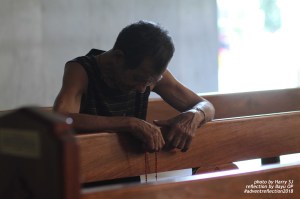 The second question that Archbishop Socrates Villegas of Lingayen-Dagupan asked us during our ordination was, “Are you broken enough?” Once again his question raised eyebrows and was, indeed, counter-intuitive. We want to be flawless, whole and perfect. We desire to achieve more in life, to be wealthy, healthy and pretty. We wish to be socially accepted, respected and gain certain prominence. We want to become somebody, and not nobody. We like others to call us as the famous doctors, the creative entrepreneurs, or successful lawyers. Or for us, people in the Church, we like people to consider us well-sought preachers, generous and builder-priests, or skillful and well-educated sisters.
However, we often forget that the people we serve are broken people. They are broken in many aspects of life. Some are broken financially, some are struggling with health problems, and many are crushed by traumatic experiences in the families. Some are dealing with anger and emotional instability, and some are confronting depression and despair. Some are hurt, and some other are forced to hurt. Many fall victims to injustice and violations of human rights. And all of us are broken by sin. We are serving broken people, and unless we are broken enough like them, our ministry is nothing but superficial and even hypocritical.
Therefore, as the ministers of the Church, we ask ourselves: are we disciplined enough in our study and allow the demands of academic life to push us hard to kiss the ground and continually beg the Truth to enlighten us? Are we patient enough in our life in the community and allow different personalities and conflicts in the seminary, convent or community to shape us up, to make us realize that life is much bigger than ourselves, and to enrich us? Are we resilient enough in our ministry and allow different people in our ministries to challenge our small world, to confront us with failures, and to face a reality that it is not them being served, but us? Are we humble enough in our prayer and allow God to take control of our lives?
In the center of our Eucharistic liturgy are the Word and the Body being broken. The Word of God in the scriptures is read, and the preacher ‘stretches’ and ‘breaks’ it into more relevant and meaningful words for the people of God. The Body of Christ in the consecrated hosts is literally broken, and so this may be enough for everyone. These Word and Body of Christ are broken for the broken people of God. Jesus saves and makes us holy by being one with us, by being broken for us. He is a broken Lord for His broken brothers and sisters.
We the ministers of God are like Jesus Christ, and thus, the questions are: Are we willing to recognize and accept our own imperfections? Are we strong enough to admit that we are weak? Are broken enough that we may share our total selves to our brothers and sisters? Are we like Christ who is broken for others to live?
Deacon Valentinus Bayuhadi Ruseno, OP
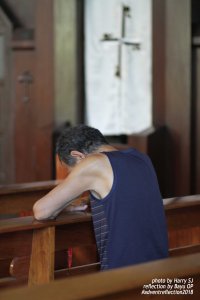 Pertanyaan kedua yang diajukan uskup agung Socrates Villegas dari Lingayen-Dagupan saat saya ditahbiskan adalah, “Apakah kamu sudah cukup terpecah dan remuk?” Sekali lagi pertanyaannya ini mengherankan. Kita ingin menjadi utuh dan sempurna. Kita ingin mendapatkan lebih banyak dalam hidup, menjadi kaya, sehat dan cantik. Kita ingin diterima secara sosial, dan dihormati dan memiliki pencapaian yang dapat dibanggakan. Kita ingin menjadi seseorang. Kita ingin orang lain menyebut kita sebagai dokter terkenal, pengusaha kreatif, atau pengacara yang sukses. Atau bagi kita, orang-orang yang melayani di Gereja, kita suka orang-orang menganggap kita sebagai pengkhotbah yang disukai, imam pembangun, atau suster yang terampil dan berpendidikan.
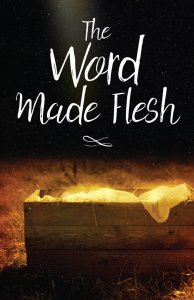 Christmas is one of the most joyous events in the Church and the world. But, what makes us happy this Christmas? Is it only about partying? Is it all about buying gifts? Is it about family gathering? Is it about fulfilling our obligation of going to the Church? Is there something more than these? Immersed in many celebrations, merriment, spending, and holidays, we often forget the main reason behind Christmas. We all know Christmas is the birthday of Jesus Christ, but what is the meaning and significance of this birth for us? Let us stop for a while and reflect on the Gospel of John.
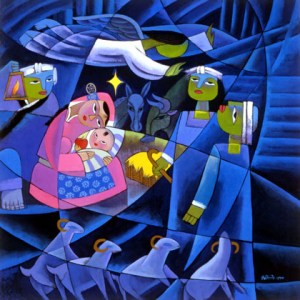 Natal adalah salah satu hari yang paling menggembirakan di dalam Gereja. Tapi, apa yang membuat kita gembira Natal ini? Apakah karena banyak pesta? Apakah karena kita menerima banyak hadiah? Apakah karena kita bisa berkumpul dengan keluarga? Terlarut dalam banyak perayaan, kegembiraan, belanja, dan liburan, kita sering melupakan alasan utama di balik Natal. Tentunya, kita semua tahu Natal adalah hari kelahiran Yesus Kristus, tapi apa arti sesungguhnya kelahiran ini bagi kita? Mari kita berhenti sejenak dan merenungkan Injil Yohanes.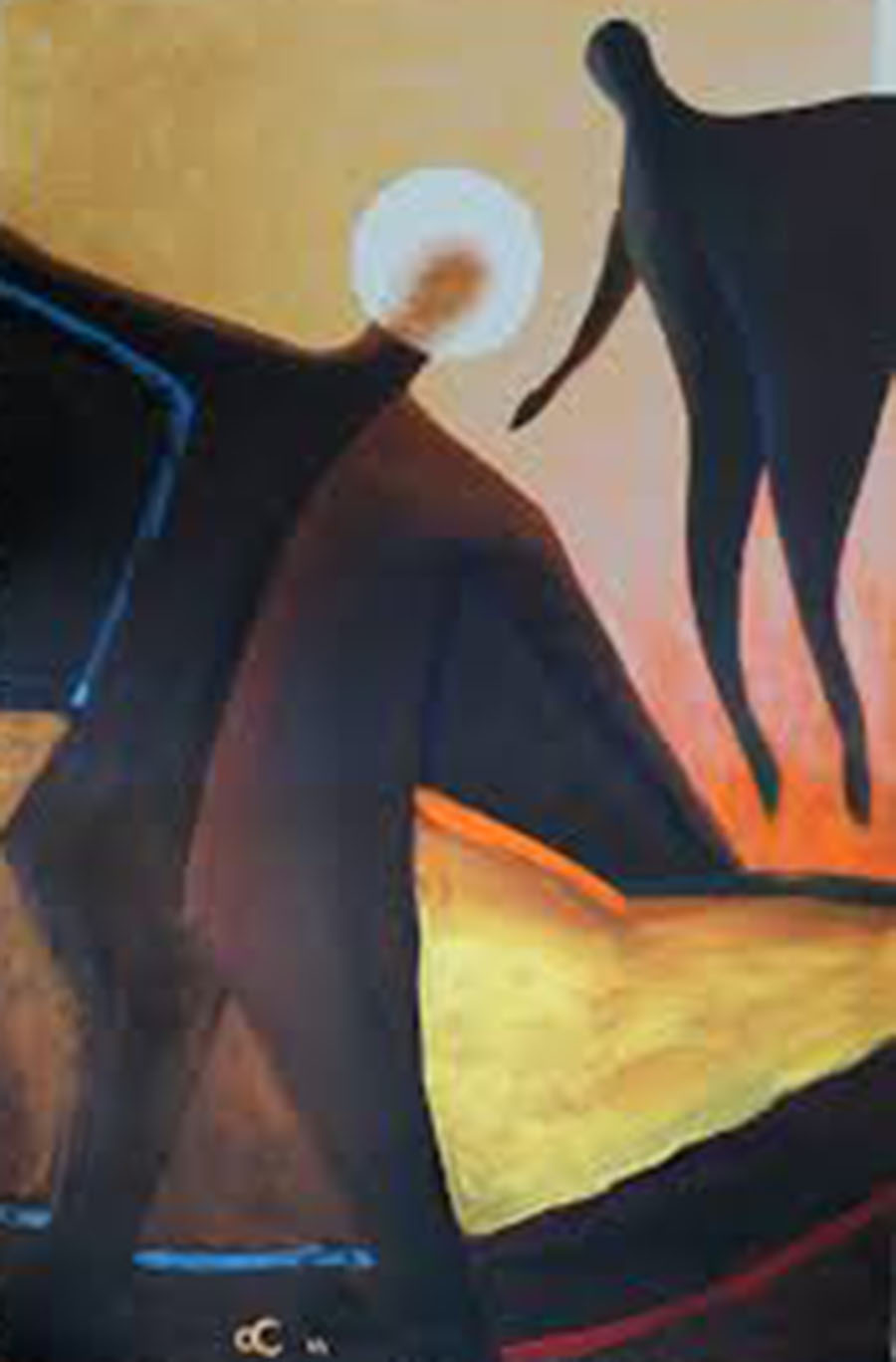
 Pencobaan telah terjadi bahkan sejak awal sejarah umat manusia. Dalam kitab Kejadian, Adam dan Hawa tergoda oleh sang ular dan sayangnya, merekapun tertipu dan berdosa. Kemudian satu demi satu tokoh di Alkitab mengalami pencobaan dan akhirnya jatuh ke dalam dosa. Kain melakukan pembunuhan pertama dalam sejarah manusia saat dia menghabisi saudaranya sendiri. Daud terlibat dalam perzinahan. Salomo menyembah dan membangun kuil untuk berbagai berhala. Syukurlah, tidak semua jatuh pada pencobaan ini. Diterpa oleh segala jenis malapetaka, tapi Ayub tidak pernah berdosa dan memuji Tuhan bahkan dalam situasi yang paling menyedihkan. Dan kita memiliki Yesus yang menang atas Iblis dan godaannya di padang gurun. Namun, mengapa kita terus masuk ke dalam pencobaan? Mengapa kita rentan terhadap godaan sang Jahat yang memikat kita untuk berbuat dosa?
 The word ‘Pharisee’ has a rather negative connotation for us. In the Gospels, they are the bad guys. They often argued with Jesus and Jesus challenged their way of life. Even some planned to get rid of Jesus (see Mat 12:14). In our time, the term ‘Pharisaic’ simply means hypocrite.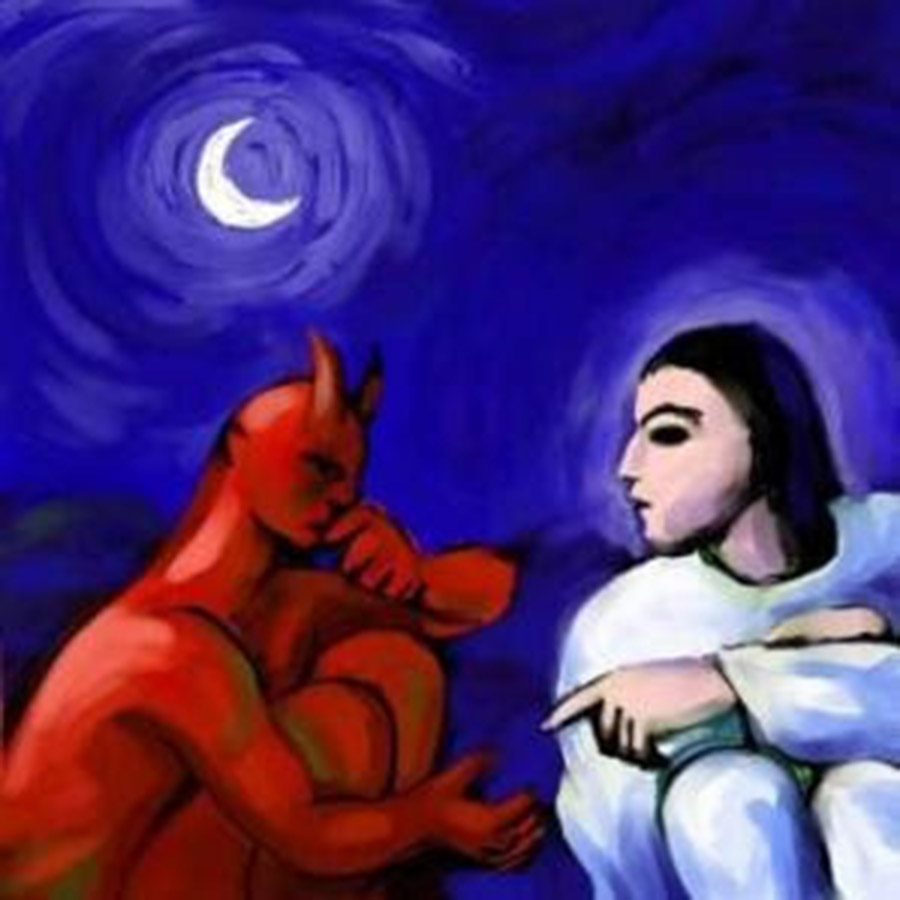
 Today’s Gospel shows us that the Holy Spirit led Jesus to the desert. Yes, the Holy Spirit will not spare us from the desert! The desert experience can be anything that spells dryness and emptiness in our lives and souls. Out of nowhere, a seminarian enters into a desert as he is feeling unexplainable meaninglessness in his chosen vocation. A mother begins to experience exhaustion in fulfilling her difficult mission to rear her children. Through her journals, it was revealed that even holy person like Mother Teresa of Calcutta went through ’the eclipse of God’ when she did not sense the presence of God for almost 10 years in her life.
 Injil hari ini menulis tentang Roh Kudus yang membawa Yesus ke padang gurun. Ya, Roh Kudus akan membawa kita ke padang gurun juga! Gurun bisa diartikan sebagai kekeringan dan kekosongan dalam hidup dan jiwa kita. Seorang frater tiba-tiba masuk ke pengalaman gurun dan ia merasa kehilangan makna dan semangat di dalam panggilannya. Seorang ibu mulai mengalami kelelahan dalam mengemban misi yang sulit untuk membesarkan anak-anak nya. Melalui tulisan-tulisannya, terungkap bahwa bahkan orang kudus seperti Bunda Teresa dari Kalkuta pun harus melalui ‘Allah yang diam’ ketika dia tidak merasakan kehadiran Allah selama hampir 10 tahun dalam hidupnya.
 In Medio Ecclesiae