

3rd Sunday of Lent [C]
March 19, 2022
Exodus 3:1-15
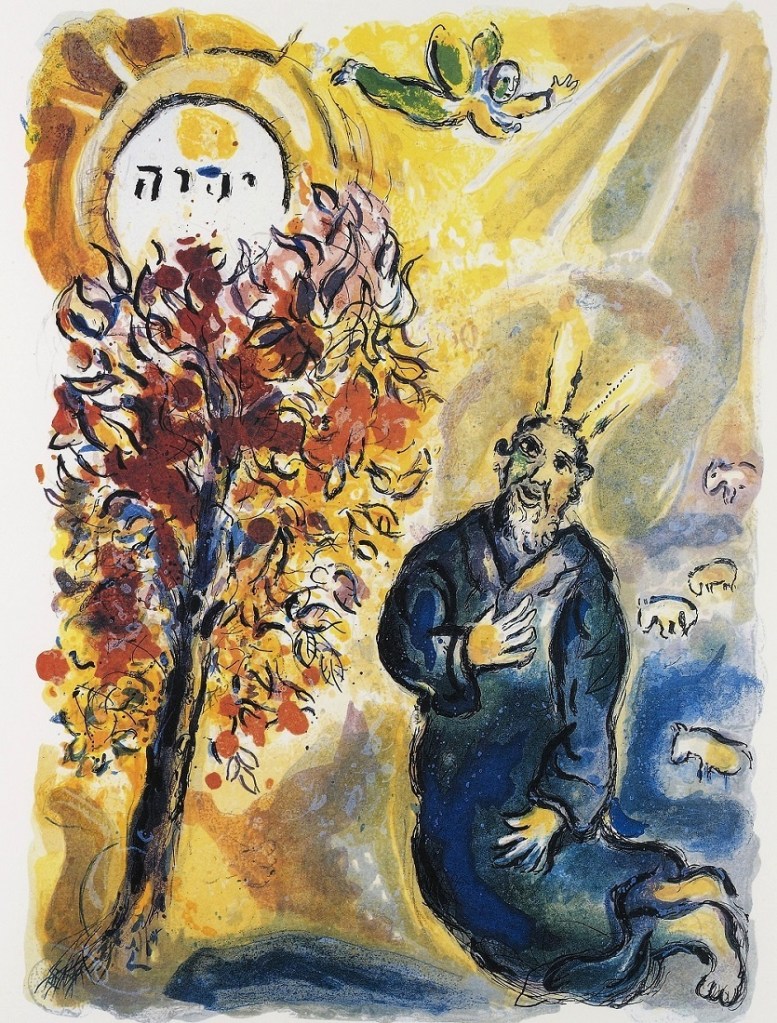
One historic moment in the history of salvation is the revelation of God’s personal name. Moses was just a murderer and fugitive who could have spent his entire life as a shepherd in Midian. Yet, God has another plan for him. He manifested Himself as the burning fire, yet not consuming its surrounding bush. A marvellous sight indeed! Moses was curious, and God called him and introduced Himself as the God of Abraham, Isaac, and Jacob. Moses recognized these names as his revered forefathers. Perhaps this was the first time Moses remembered the God of his forefathers after years.
Then, God called Moses for a mission. He was to lead His people free from slavery and bring them to the Promised Land. God had listened to the sufferings of His people and remembered the promise He made to Abraham. Before accepting God’s mission, Moses asked the name of God, and the reason was that the elders and the people of Israel seemed not to know His name. In the past, Jacob asked the name of God, but He refused. Yet, this time, God decided to reveal His sacred name. But why?
One of the reasons is that there were many gods in Eygpt, and to distinguish the true and one God from the false gods, His personal and unique name becomes necessary to be known. Another reason is that the people of Israel had lived in Egypt for so long, and they lived like the Egyptians, including worshipping the gods of the Egyptians. Thus, God had to reveal His name to make a clear break from the old habits and false idols. This was the only name worthy of all honour, glory and worship. So, Who is His name?
The first revelation is ‘I AM WHO AM’ or ‘I AM’ [Exo 3:14]. A strange name! Yet, this name reveals the deepest identity of God, who He is in Himself. The word ‘To BE’ here is the same word used in ‘Let there BE light’. This name of God unveils that God is the Eternal Existence Himself and the source of all other existences, both in the heavens and on the earth.
We own our existence to Him, and we cannot exist without Him. God is involved in our lives, not in incidental manners, like someone who helps us do our jobs or aids us in our daily needs. He is with us at the most fundamental level. He is ever active in supporting our very existence. Without Him, we are going back to nothingness. Thus, we are literally nothing without Him. The act of bringing us into reality and sustaining us is not other than the act of love. No wonder John, in his letter, declared that God is love.
Every time we call the name of God, we remember that we exist, live and breathe because of Him. Every moment of our lives is the concrete evidence of His love, and every moment of our lives is the perfect opportunity to offer thanksgiving.
Valentinus Bayuhadi Ruseno, OP
 In Medio Ecclesiae