


The Solemnity of the Body and Blood of Jesus Christ. June 18, 2017 [John 6:51-58]
“Whoever eats my flesh and drinks my blood has eternal life, and I will raise him on the last day. (Joh 6:51)”
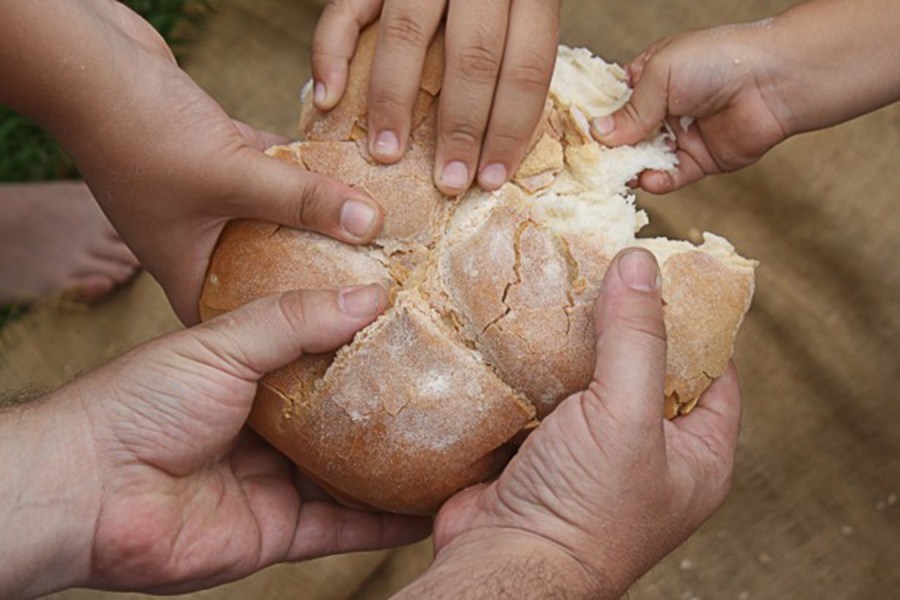
 Eating is essential to our life. Nobody would deny that eating is a matter of life and death, but there is always significant different between a beggar sitting by the gate of St. Domingo church and most of us who can enjoy a full meal three times a day. The beggar will ask himself, “How can I eat today?” While, we will inquire ourselves, “Where am I going to eat today? Is the ambience of the restaurant welcoming? Is the food as tasty as Filipino delicacy? Is the food safe from any cancer-causing substance?” For some, eating is about survival, but for some other, this phenomenon has evolved into something mechanically sophisticated. The society provides us with almost unlimited options of what we are going to eat, and seemingly we are masters of these foods as we possess the authority to choose what we like and shun what we don’t. But, we actually are slowly turning to be slaves of our appetite as we shift our focus not on the essential but on the trivial, like how we satisfy our fickle cravings.
What we eat, how we eat, and where we eat reflect who we are, as well as our society, our world. While we can afford to eat at fine-dining restaurants, yet some of our brothers and sisters can only have one instant noodle for the whole day, it means there is something wrong with us, with our world. Once I watched a movie about two young ladies eating fried chicken in one of the fast food restaurants. They were not able to consume everything and threw the leftover at the garbage can. After some time, a poor man came and took that leftover. He brought that home and served it as the dinner for his small impoverished family. Yet, before they ate, they prayed and gave thanks for the food!
Jesus offered Himself as food in the Eucharist, and this offer becomes the sign of the radical justice and mercy of God. It is mercy because despite nobody of us deserve His most holy body and blood, and attain the fullness of life and the resurrection of the body, He continues to give this profound grace to us. It is justice because He does not discriminate. All of us, whether we are men or women, whether rich or poor, whether healthy or sick, are created in His image and likeness and thus, invited to this sacred banquet. Yes, in the Eucharist, we only receive Jesus in a tiny and tasteless host, yet the small bread that scarcely fills our biological needs, is given to all who are coming to Him seeking rest and joy.
St. Paul in his first letter to the Corinthians rebuked the Christians there. One of the major reasons was that some (presumably rich) Christians refused to share the Eucharistic meal with other (presumably poor) Christians, and they let them without food. “When you meet in one place, then, it is not to eat the Lord’s supper, for in eating, each one goes ahead with his own supper, and one goes hungry while another gets drunk. (1 Cor 11:20-21). For Paul, this was a gross injustice and an offence against the Eucharist, because as Jesus gave His body and blood for all, so Eucharist has to symbolize this God’s radical self-giving.
Are we like the Corinthians who take the Eucharist yet neglect our hungry brothers and sisters around us? Are we living our identity as God’s image, and thus, reflect God’s radical justice? Do we become more like Christ, and manifest His boundless mercy? Do the body and blood of Christ in the Eucharist have effect in us?
Br. Valentinus Bayuhadi Ruseno, OP
 Tidak ada yang menyangkal bahwa makan adalah masalah hidup dan mati, tapi selalu ada perbedaan yang signifikan antara seorang pengemis yang duduk di gerbang gereja dan kebanyakan dari kita yang dapat menikmati makanan lengkap tiga kali sehari. Pengemis itu akan bertanya pada dirinya sendiri, “Bagaimana saya bisa makan hari ini?” Sementara, kita akan bertanya kepada diri sendiri, “Ke mana saya akan makan hari ini? Apakah suasana restoran nyaman? Apakah makanannya lezat sesuai cita rasa Indonsia? Apakah makanannya aman dari zat penyebab kanker?” Bagi sebagian orang, makan adalah tentang kelangsungan hidup, namun untuk beberapa dari kita, fenomena ini telah berkembang menjadi sesuatu rumit. Pasar memberi kita pilihan yang hampir tak terbatas tentang apa yang akan kita makan, dan tampaknya kita adalah raja dari makanan ini karena kita memiliki kekuasaan untuk memilih apa yang kita sukai. Tapi, kita sebenarnya perlahan berubah menjadi budak nafsu makan kita saat kita mengalihkan fokus bukan pada hal yang esensial tapi pada hal-hal sepele seperti bagaimana kita memuaskan hasrat kita yang terus berubah-ubah.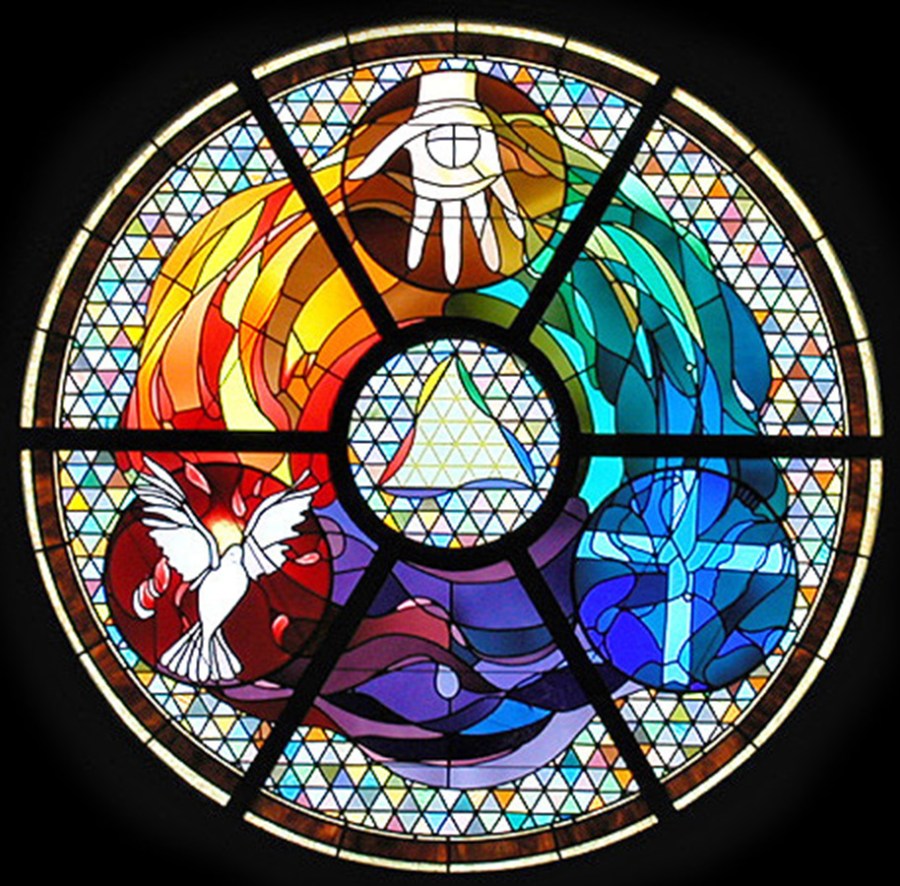
 Today, we are celebrating the Mystery of the Most Holy Trinity. This Mystery is rightly called the mystery of all the mysteries because the Holy Trinity is at the core of our Christian faith. Yet, the fundamental truth we believe is not only extremely difficult to understand, but in fact, it goes beyond our natural reasoning. How is it possible that we believe in three distinct Divine Persons, the Father, the Son and the Holy Spirit, and yet they remain One God? Many great minds have tried to explain, but at the face of such immense truth, the best explanations would seem like a drop of water in the infinite ocean. Yet, we believe it precisely because the mystery is not coming from the human mind, but is revealed to us by God Himself.
 Hari ini, kita merayakan Misteri Tritunggal Mahakudus. Misteri ini disebut sebagai misteri dari semua misteri karena Tritunggal Mahakudus merupakan inti dari iman Kristiani kita. Namun, kebenaran mendasar yang kita percaya ini tidak hanya sangat sulit untuk dipahami, namun pada kenyataannya, melampaui penalaran alamiah kita. Bagaimana mungkin kita mempercayai tiga Pribadi Ilahi yang berbeda, Bapa, Putra dan Roh Kudus, namun tetap satu Tuhan? Banyak pemikir besar seperti St. Agustinus dan St. Thomas Aquinas telah mencoba menjelaskan, namun saat berhadapan dengan kebenaran yang begitu besar, penjelasan terbaik pun sepertinya setetes air di samudera raya. Namun, kita percaya justru karena misteri itu tidak berasal dari manusia, namun diwahyukan kepada kita oleh Tuhan sendiri.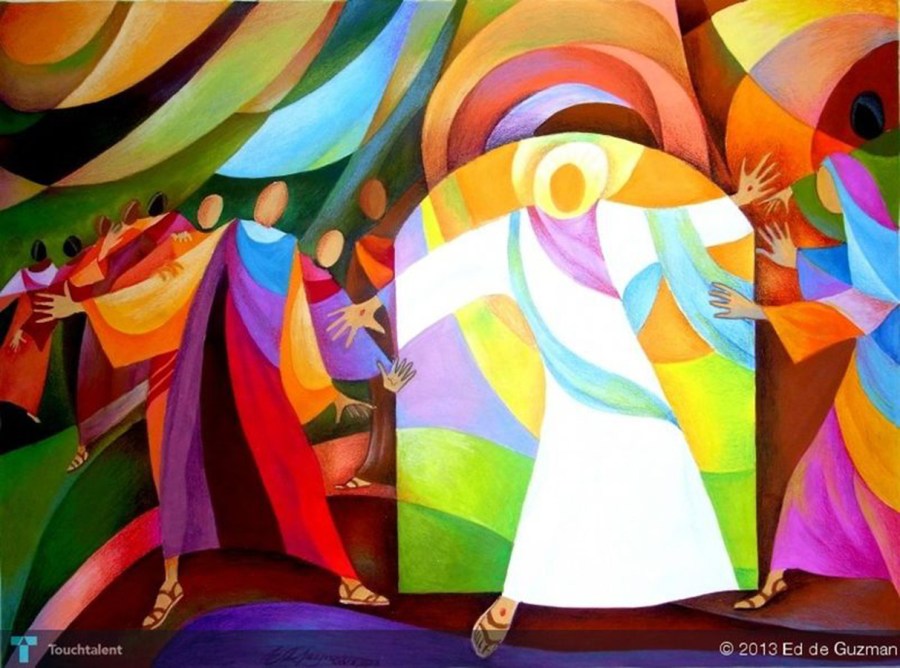
 Pentecost is the commemoration of the descent of the Holy Spirit upon the first disciples in the upper room. The usual images we have in our mind are usually dramatic and vivid. The disciples gathered in the upper room, suddenly the strong wind filled the room, followed by the appearance of the tongues of fire. Inspired by the Holy Spirit, the disciples began to speak various languages, and proclaimed the Gospel. This depiction of Pentecost comes from the Acts of Apostles (our first reading today). The same Acts tells us that Pentecost took place 50 days after Easter Sunday (Pentecost itself simply means ‘50’ in Greek).
 Pentakosta adalah peringatan turunnya Roh Kudus atas para murid di ruang atas. Gambaran yang ada di dalam pikiran kita biasanya dramatis dan nyata. Murid-murid berkumpul di ruang atas, tiba-tiba angin kencang memenuhi ruangan, diikuti oleh munculnya lidah-lidah api. Terinspirasi oleh Roh Kudus, para murid mulai berbicara dalam berbagai bahasa, dan memberitakan Injil. Gambaran Pentakosta ini benar adanya karena ini berasal dari Kisah Para Rasul (bacaan pertama kita hari ini). Sebenarnya, Kisah Para Rasul juga mengatakan bahwa Pentakosta terjadi 50 hari setelah hari Minggu Paskah (Pentakosta sendiri berarti ’50’ dalam bahasa Yunani).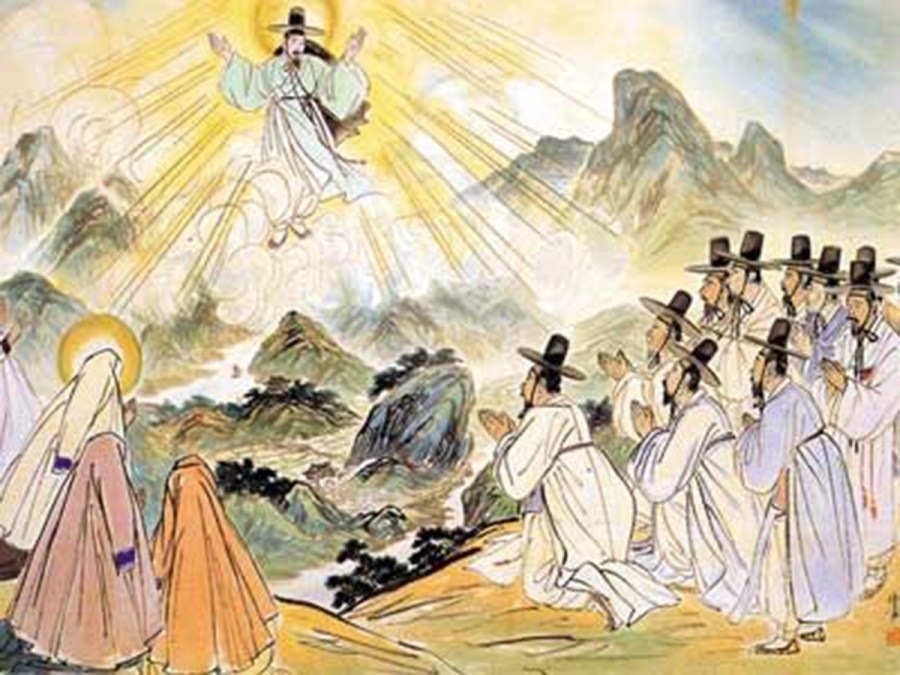

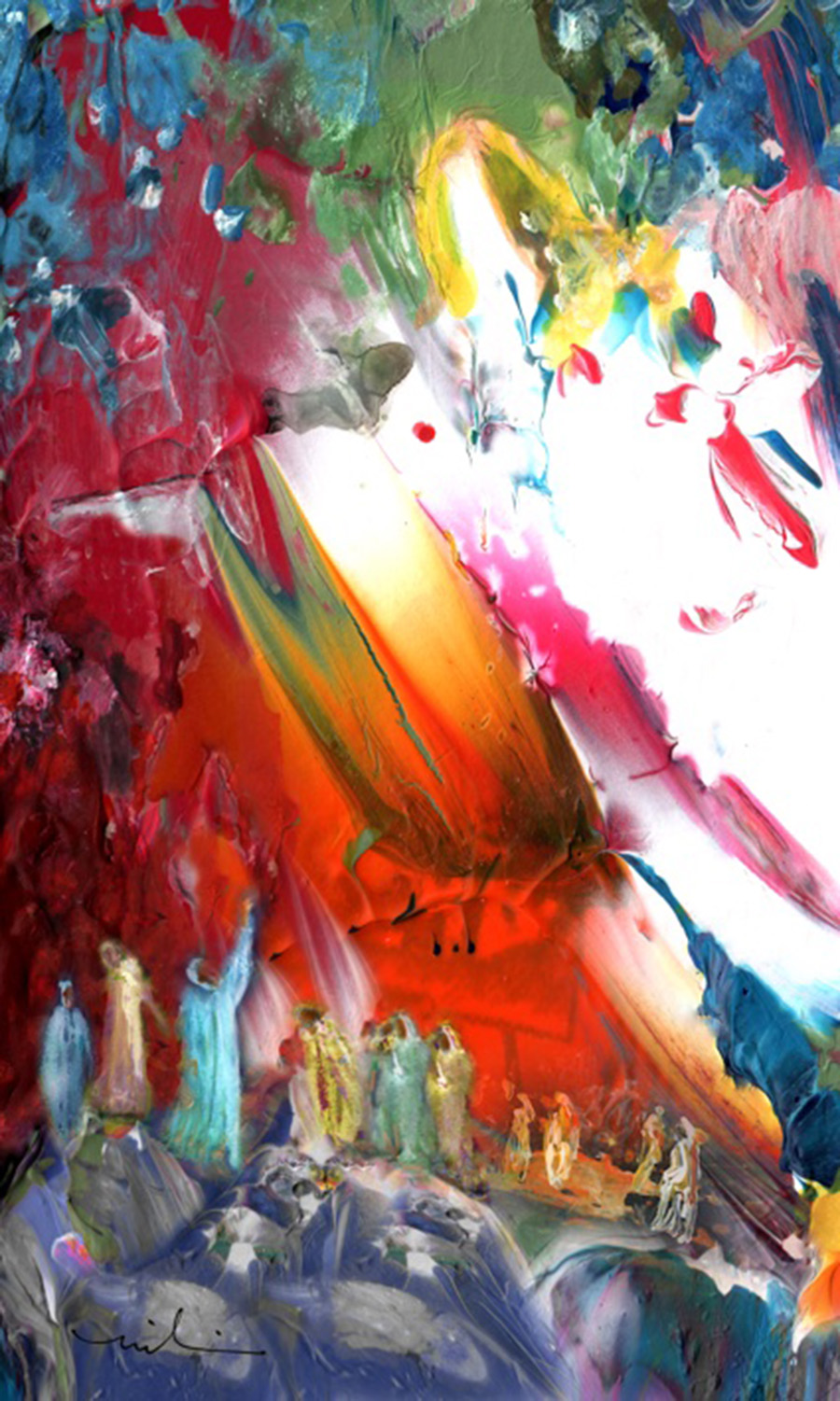
 Gambaran tentang Kenaikan Yesus yang ada dalam benak kita adalah Yesus yang diangkat ke langit, sementara para murid dengan penuh doa memperhatikan-Nya menghilang secara perlahan-lahan. Tidak salah jika disebut ‘Kenaikan’ Yesus karena Kristus yang telah bangkit akhirnya naik ke surga, kembali kepada Bapa-Nya. Di dalam film Risen, Kenaikan Yesus digambarkan sedikit berbeda. Yesus tidak diangkat ke surga, tapi Dia hanya berdiri di hadapan para murid-Nya, dan tiba-tiba cahaya yang menyilaukan datang dan menelan Yesus, dan Diapun menghilang dari pandangan mereka. Meskipun memiliki rincian yang berbeda, Kenaikan Yesus berbicara kepada kita tentang Yesus yang memisahkan diri dari murid-murid-Nya, dan meninggalkan mereka karena Ia harus kembali kepada Bapa-Nya.
 Have you seen a spirit? When the word ‘spirit’ is mentioned, what image does appear in your mind? Perhaps, scary ghosts from some urban legends or Hollywood horror movies. The word ‘spirit’ conjures terrifying and often creepy images because it is related with the dead, the afterlife, and unexplained paranormal phenomenon. The Church herself warrants the existence of evil spirit or the demons, as the Church fights them through the ministry of exorcism.
 Pernahkah kamu melihat roh? Atau, jika anda kata roh disebutkan, gambaran apa yang muncul di benak Anda? Mungkin, hantu-hantu menakutkan dari beberapa cerita-cerita atau film horor Hollywood, atau sesuatu yang diluar kekuatan manusia dan tidak bisa dijelaskan. Kata ‘roh’ seringkali memunculkan gambaran yang mengerikan dan menyeramkan karena selalu berhubungan dengan kematian, dunia akhirat, dan fenomena paranormal yang tidak dapat dijelaskan.
 In Medio Ecclesiae