

26th Sunday in Ordinary Time [A]
September 27, 2020
Matthew 21:28-31
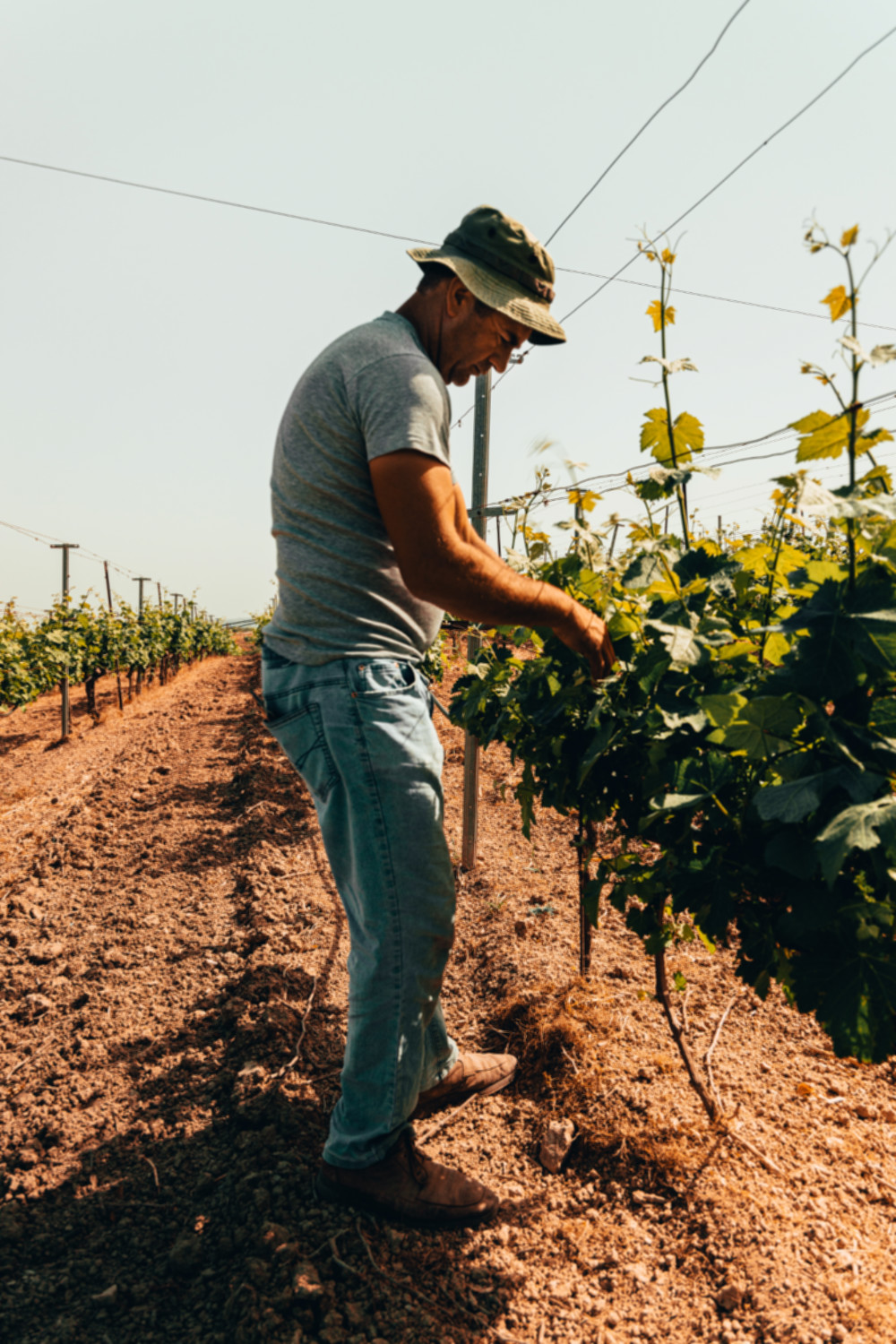
 Reading the entire Matthew chapter 21, we will get the sense of the parable of the two sons of the vineyard owner. Jesus just entered the city of Jerusalem and was welcomed by the people with a shout of “Hosanna” and palm branches. Then, he proceeded to the Temple area to cleanse it from the malpractices plaguing the holy ground. Thus, the elders and chief priests, the one who was in charge of the Temple, questioned Jesus, “who are you? By what authority do you act and teach?”
Thus, Jesus answered them through a parable. This parable speaks of two sons; the first representing the elders and the second the tax collectors and prostitutes. Yet, to the surprise of the elders, far from being the protagonists of the story, they turn to be the villains. To add insult to the injury, the elders were practically in the worse condition than these tax collectors, because they are still far from the vineyard, from salvation. However, instead of repenting, the elders got infuriated and decided to finish Jesus once for all.
The question is “why were the tax collectors able to repent while the elders were not?” The answer is something to do with two opposing powers: at one side of the ring is humility and the other is pride. We begin with pride. Based on the Church’s tradition, pride is the deadliest of seven deadly sins. St. Thomas Aquinas explained that pride is “an excessive desire for one’s own excellence which rejects subjection to God.” In short, proud men regard themselves better than others to the point of contempt. What makes pride so dangerous, it may lead even people to think they are self-sufficient and has no need even of God.
Pride is extremely subtle because it can take root even in spiritual matters. We cannot say that I am lustful for prayer, but we can be proud of our spiritual life. We see ourselves holier and more pious than others based on our standards.
At the opposite corner is humility. According to St. Thomas Aquinas, humility is a virtue that “temper and restrain the mind, lest it tends to high things immoderately.” In short, humility is the antidote of pride. Humility is rooted in the Latin word “humus” meaning soil. Humble persons recognize their identity as coming from the dust, and the breath of life and perfections are gifts of God. This humility will bring gratitude because we realized that despite nothing but dust, God is boundlessly generous and merciful to us.
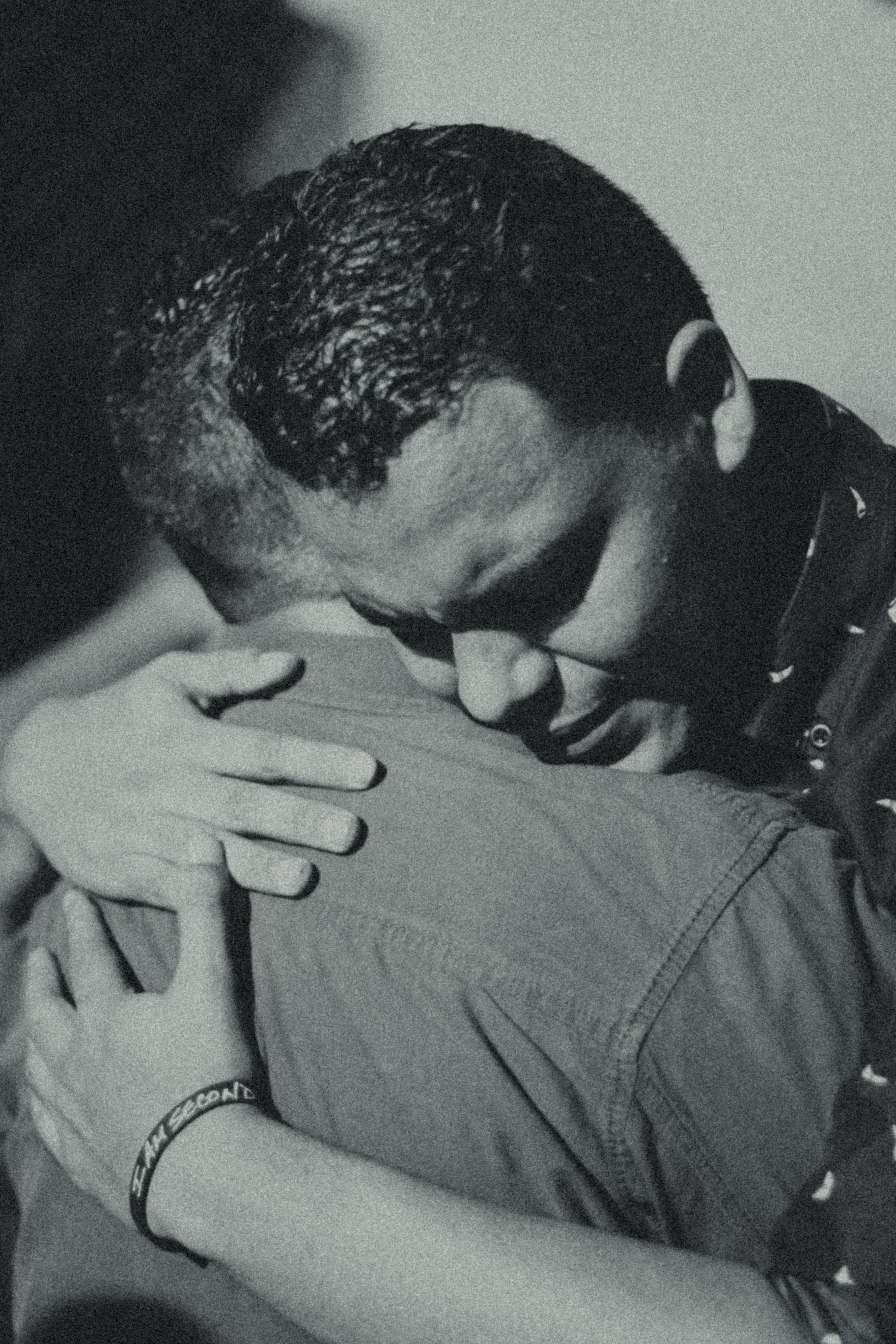
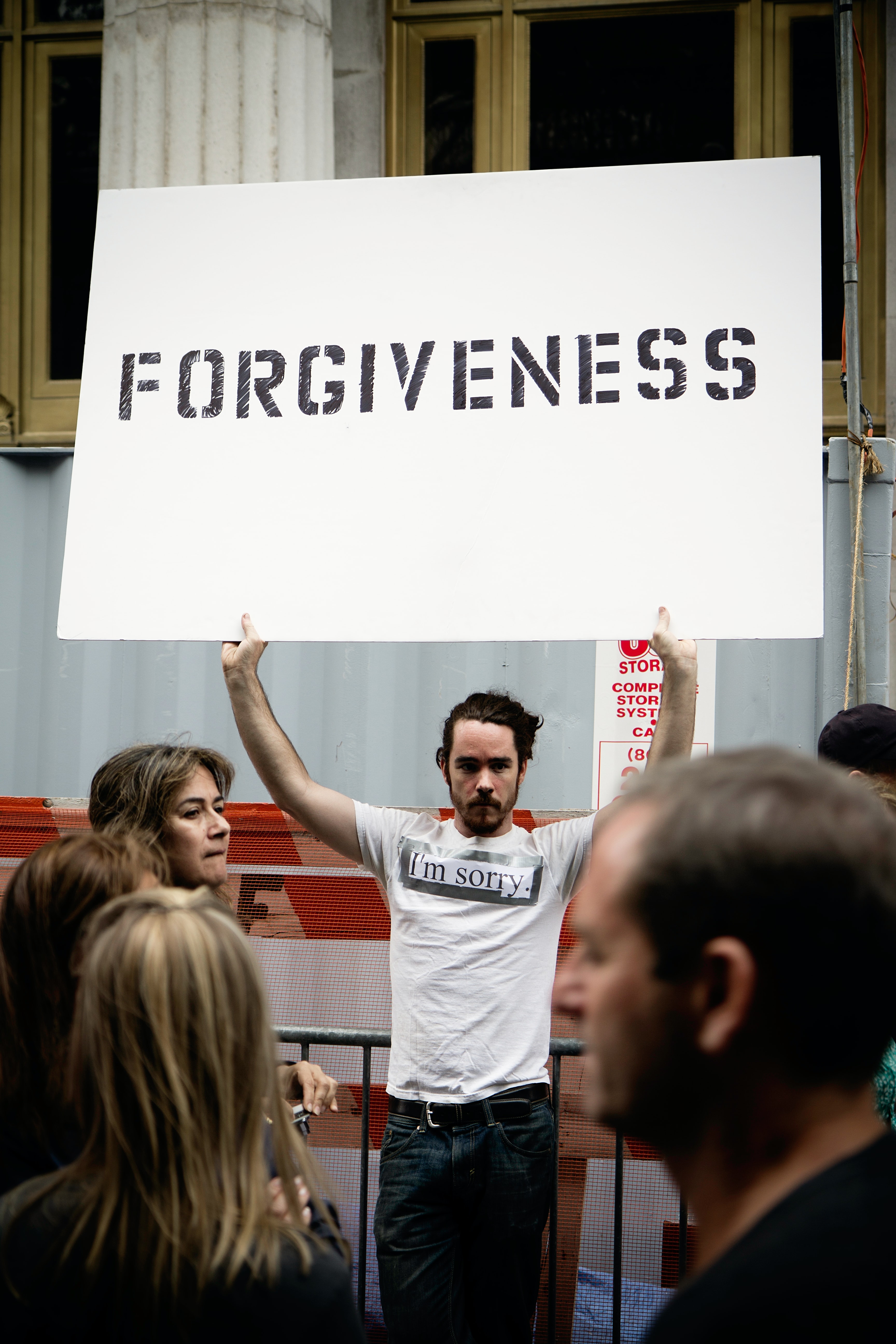
However, humility and cowardice are often confused. Cowardice manifests in low self-esteem, lack of confidence, and poor in responsibility. Cowardice is rooted in incomplete and even distorted self-image. While humility begins with the right understanding of the self, that we are gratuitously loved by God. Humble people are strong people because only strong ones can confess their sins. Humble persons are mature persons because only mature ones are able to own their weakness, say sorry, and ask for help. Humble men and women are tough people because it is hard to forgive.
Lord, grant us humility, that we may follow Your holy will.
Valentinus Bayuhadi Ruseno, OP

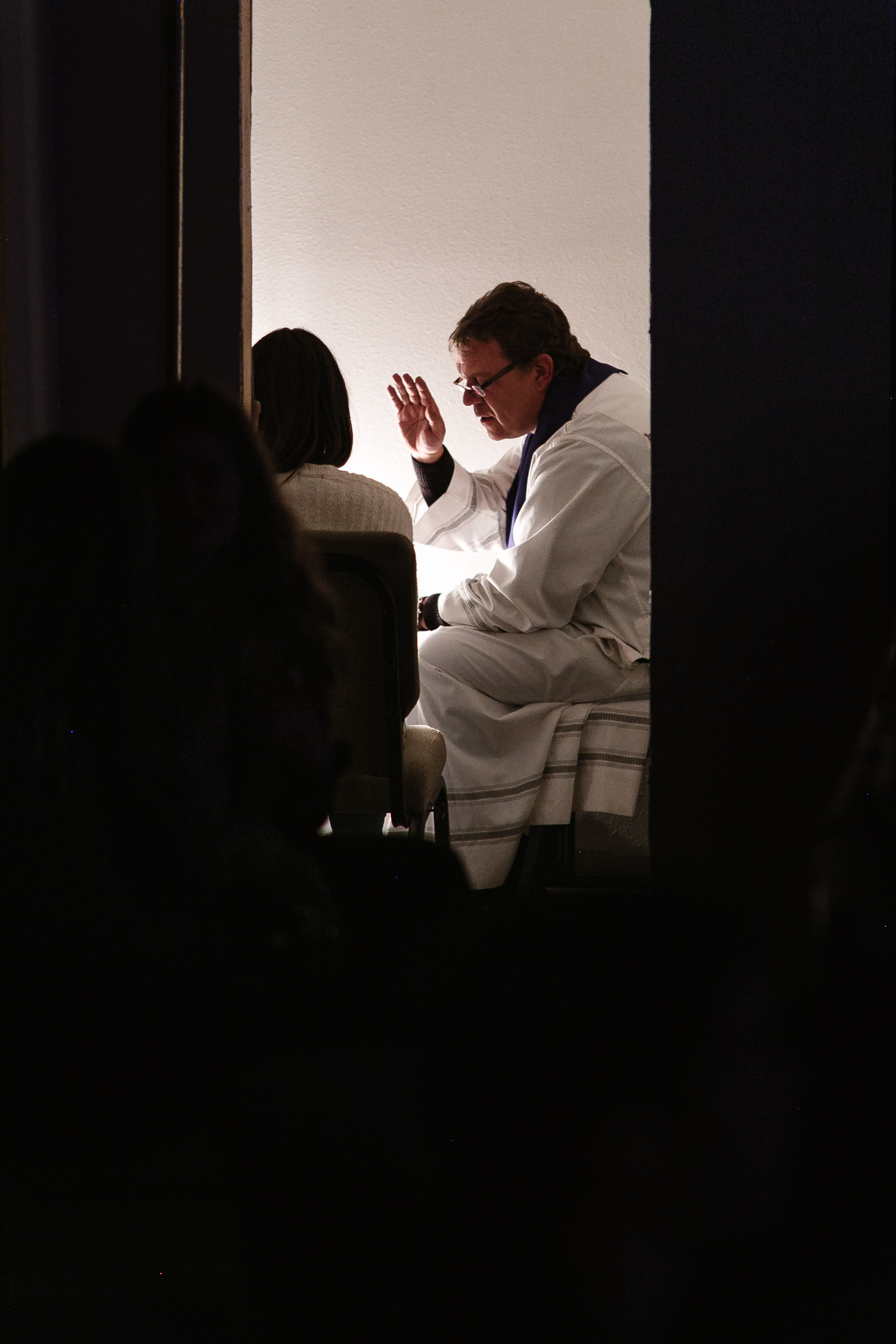
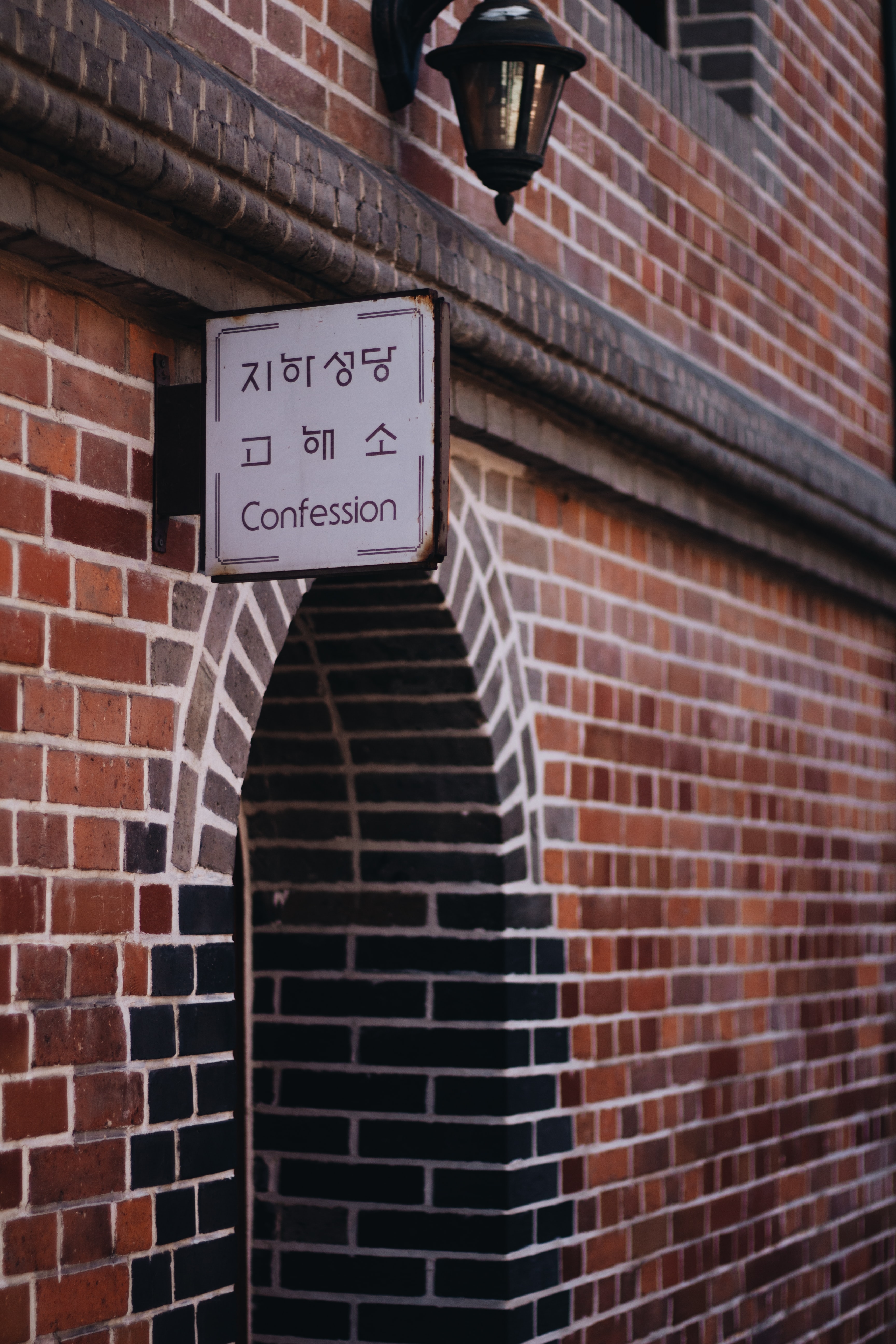 Injil kita hari ini dikenal dalam Bahasa Latin sebagai fraterna correctio atau cara mengoreksi saudara kita. Namun, jika kita membaca teks dengan cermat, apa yang dikoreksi bukan hanya tentang penampilan, tingkah laku, atau etiket kita. Yesus berbicara tentang dosa. Yesus tidak mengajari kita untuk mengoreksi seseorang yang memiliki gaya rambut aneh, atau seseorang yang tidur mendengkur. Jika ada sesuatu yang membuat Yesus marah tidak lain adalah dosa. Kenapa begitu? Dosa bisa menghancurkan hubungan kita dengan Tuhan, dan menutup gerbang surga. Misi Yesus adalah untuk membawa pengampunan dosa dan untuk menghilangkan efek dosa, tetapi jika kita menolak untuk bertobat dan terus berbuat dosa, kita menghina pengorbanan Kristus.
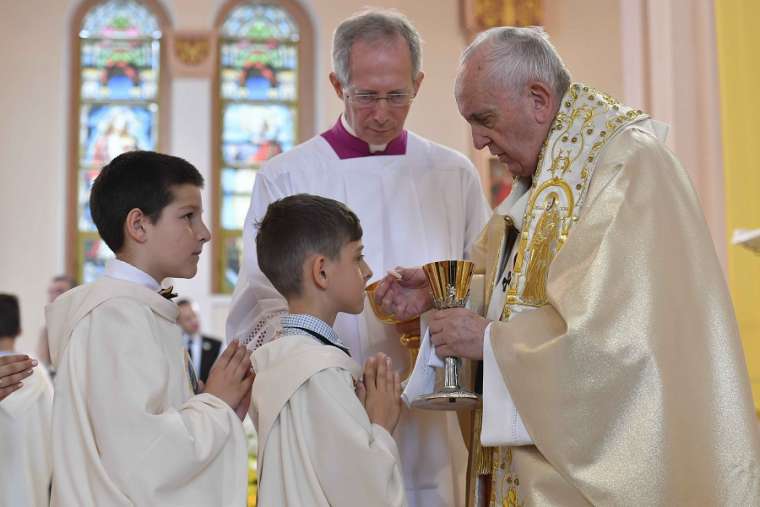 Last Sunday, we listen to the confession of Peter on the true identity of Jesus. Here, Simon received a new name, the keys of the kingdom and the authority to bind and to loosen. He became the prime minister of the kingdom, the first pope. However, today, we witness the dramatic turn around. When Jesus foretold about His incoming passion, Simon reactively put his Master aside, and rebuked Him. As a response, Jesus expressed harshly,
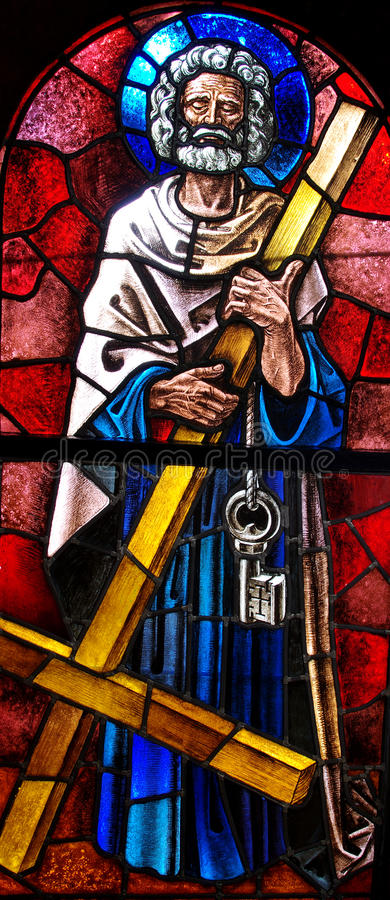 Today’s Gospel speaks volume about the new identity and roles of St. Simon Peter as the leader of the college of the apostles, and thus, the leader of the Church. He is the chosen foundation rock upon which Jesus built His Church. He is the prime minister who holds the keys of the kingdom of God. He is the chief priest who is responsible for the Temple of God. He is the chief Rabbi whose teachings binds the entire faithful. These are the bigger-than-life privileges and one may wonder, “Among the disciples, why was he chosen? Did Jesus know that he would deny Him three times?”
 In Medio Ecclesiae