

Baptism of The Lord [A] – January 12, 2020 – Mat 3:13-17
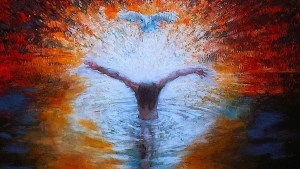 One question that always baffles attentive readers of the Scriptures is that why should Jesus be baptized by John the Baptist? John himself proclaimed that his baptism is a sign of repentance. Those who are baptized by John must first acknowledge their sinfulness and unworthiness, and baptism of water becomes the visible token of turning away from sins and promise of a new and better life. Yet, we all know that Jesus is sinless [Heb 4:15; 1 Pet 2:22]. Does it mean Jesus is sinful? Is John the Baptist greater than Jesus?
The Gospel of Matthew has pointed out clearly that John the Baptist is not worthy to baptize Jesus and he is in need of Jesus’ baptism. It is Jesus Himself who insists to be baptized by John. Why? Jesus told John, “to fulfill all righteousness.” These words of Jesus certainly difficult to understand, and many theologians have come up with different interpretations to understand better Jesus’ actions and words in this baptism.
St. Augustine of Hippo, one of the greatest Fathers of the Church, told us in his sermon, “The Savior willed to be baptized not that He might Himself be cleansed, but to cleanse the water for us.” St. Augustine pointed to us that Jesus entering the water as to prepare the sacrament of baptism, and so everyone who is baptized in the name of Trinity will receive the grace of forgiveness and new life. Meanwhile Catechism of the Catholic Church notes that Jesus’ submission to John’s baptism is an act of self-emptying [CCC 1224].
However, Pope Emeritus Benedict XVI has exposed some interesting in his book, Jesus of Nazareth, that Jesus applied the word “baptism” also to His Passion, Death, and Resurrection [see Mrk 10:38; Luk 12:50]. From here, we discover that Jesus’ insistence to be baptized by John because Jesus’ baptism turns to be a symbolic act of His Cross. As Jesus needs to be baptized, so He shall pass through suffering and death as to reach resurrection and bring salvation for all. From the moment of the baptism in the Jordan, Jesus has set His foot to Calvary.
In the Scriptures, righteousness is being faithful to the Convent, and God as the most righteous fulfills His covenant by saving His people (Deut 32:4; Is 5:16; 42:6). Now, Jesus fulfills that same “righteousness” with a perfect and definitive way by His Cross and Resurrection.
So, what all these biblical and theological stuff are for us? As we know deeper the meaning of the Baptism of the Lord, we shall also follow the footsteps of Jesus. If baptism means His way of the Cross, then all of us who have been baptized, whether as infants or adults, shall share in Jesus’ cross. We are lucky that we are living comfortably as Christians, but more many, to be Christians means discriminations, persecution, and even death. It may be shocking, but Christians remain the most persecuted people on the earth. For us who are more fortunate, we can manifest our baptism with living authentically as disciples of Christ: to be honest despite the possibility of losing earthly gains, to be loving despite many sufferings, and to be honest despite living without fame.
Valentinus Bayuhadi Ruseno, OP
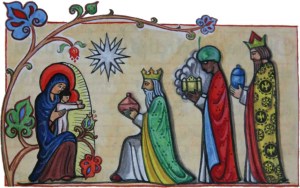 The journey of the three wise men from the East embodies the deepest human longing for a meaningful life and true happiness. Balthazar, Melchior and Gaspar, as the tradition called them, were neither Jews nor baptized Christians. In Greek ancient manuscripts of the Gospel, the word used to describe them is ‘magos’, meaning ‘someone with magical power’ or ‘magicians’, and practicing magic is detestable in the eyes of the Jews (2 Cro 33:6). Though we cannot be sure what kind of magic they crafted, but one thing is sure that they read the sign of times and followed the star. Because of this, they were instantaneously accused as one of those astrologers, star-readers who predict the human behaviors and the future, but I would argue that they were actually early astronomers instead astrologers. Like ordinary seamen who gazed the stars and hoped that they would guide them home, the magi did look at the star and believed that they would navigate their way to the true end.
 A few days ago, a nativity scene went viral. The image is called “Let Mom Rest”. The prominent character of this scene is that Joseph is taking care of the baby Jesus while Mary is resting. This image presents to us untouched yet powerful aspects of Jesus’ birth and thus, Christmas. Often, we focus our attention on Jesus with Mary, His mother. We honor Mary because of her willingness to carry Jesus on her womb despite so many dangers and difficulties and to remain a faithful disciple of Jesus till the end. However, the image brings us to another important character that we often overlook, St. Joseph, as the man of faith.
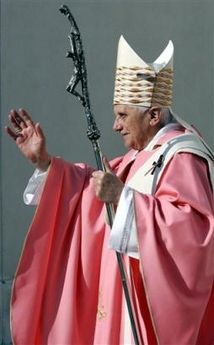 Today, we are going to see something different in the Church. Yes, the priests are not wearing a purple vestment, but a rose liturgical vestment. It is not because the priests are mistaken or want to make a fashion statement. It is because we are entering the third Sunday of Advent, also known as, the Gaudete Sunday. “Gaudete” is a Latin word meaning “rejoice!”. This color also symbolizes the joyful atmosphere. But, why do we need to celebrate Gaudete Sunday?
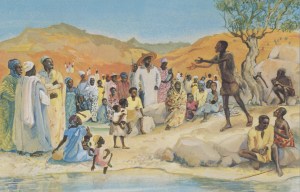 John the Baptist is a prominent figure in four Gospels, and he powerfully appears before Jesus begins His public ministry. But, who is this John the Baptist? His name is simply John, and the Church calls him the Baptist to distinguish him from other John in the Bible like John the son of Zebedee, one of Jesus’ disciples. John the Baptist is the miracle son of Zacharia and Elizabeth in their old days. And since Elizabeth and Mary, the mother of Jesus, are relatives, John and Jesus are closely related to each other.
 We are entering the season of Advent. This time marks the beginning of the new liturgical year of the Church. The season itself is a preparation for us to welcome the Christmas, the coming of Jesus Christ. The word Advent is coming from the Latin word “Adventus” that simply means “arrival.” The dominant liturgical color will be purple that signifies hope and joyful expectation of the coming of our Savior.
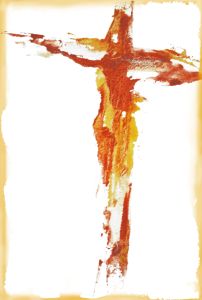 Often we take for granted the name Jesus Christ, without realizing the meaning behind it. The word “Christ” is neither part of the personal name of Jesus nor the family name of Jesus. Jesus earns the name Christ not because of His foster father, Joseph, otherwise, we also call him Joseph Christ and his wife, Mary Christ.
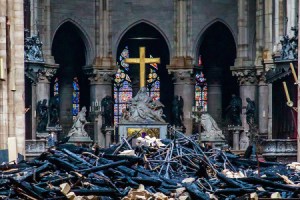 During the reign of Herod the Great, the Temple of Jerusalem was refurbished, adorned by gold and other precious metals, and expanded, and thus making it the crown jewel of the Jewish nation. However, the Temple was not merely a magnificent building, but primarily the center of Jewish religious worship and religion. Every morning and evening, sacrifices were offered, and every year, Jewish men from all over the world made their pilgrimage, and paid their homage the Lord God. It was the place where God chose to stay, the place where the Israelites meet their God, and the house of God.
 In Medio Ecclesiae