
Eli, Eli, lema sabachthani?

Palm Sunday of the Lord’s Passion

April 9, 2017

Matthew 26:14—27:66

“Eli, Eli, lema sabachthani?” which means, “My God, my God, why have you forsaken me? (Mat 27:46)”

holy week 1Many theologians and ordinary Christians alike are baffled by these words of Jesus on the cross. If Jesus is God, how is it possible for Him to be separated from God? Why does the most compassionate God abandon His beloved Son? It simply does not make any sense. The Catechism of the Catholic Church tries to explain that it is a consequence of sin. Not that Jesus had committed any sin, but He endured the sin of the world on the cross. The greatest effect of sin is separation from God. Thus, carrying the heaviest burden of sin, Jesus could not but feel the chilling effect of alienation from His own Father.

However, for early Christians and Jews who listened to the last words of Jesus on the cross, they understood that Jesus was actually reciting the beginning line of Psalm 22. The tradition considers this as a psalm of lamentation. In fact, the Book of Psalms contains a lot of psalms of lament. Despite its sorrowful nature, this kind of psalm remains true to its form, which is a prayer inspired by the Holy Spirit. Reading closely Psalm 22, we discover that the psalmist tried to express his desperate situation because of the enemies’ assault. The attack was so intense and brutal that he felt that even God abandoned him. Yet, despite the feeling of abandonment, he kept lamenting to God as if He was just near. Indeed, the psalmist was frustrated and complaining, but even this, he turned it into a prayer. Though it was the only prayer he could utter, it was an authentic prayer, without any pretension and pride. This is the paradox: when the psalmist became honest with himself and sufferings, God was closest to him.

In the cross, Jesus felt an excruciating pain both on physical and emotional levels. His triumphal entrance to Jerusalem in which He was welcomed as the King, the Son of David and Prophet, was a jubilant event, yet in a matter of days, many people who had followed Him turned to be His enemies and shouted, “Crucify Him!”. All his great successes as a preacher, teacher and wonder maker, were scattered. He was about to die as a criminal, a shame to Himself and His family. In this extreme sorrow, He decided to pray. Not any prayer, but the prayer that is most fitting to a suffering faithful Jew: a Psalm of Lament. This is the paradox of the cross: He felt abandonment and frustration, but in this prayer, this was the moment Jesus was closest to His Father.

We share also this experience of the cross in our lives. We might face terrible financial situation and uncertainty in our works. We might have health conditions that drain our resources. We might fail in our marriages or friendships. We might just lose our beloved family member. We are misunderstood and accused of wrongdoings we never committed. We might be wronged unjustly. We suddenly lose the works or the ministries we have built on for years. It seems we cannot see any light at the end of the tunnel. Yet, even in the horrifying experiences of the cross, Jesus teaches us to pray. Not any prayer, but a prayer of lamentation, a sincere prayer that expresses deepest desires, angst and pains. It is true that our situations might not change at all, but as we articulate ourselves and our situations, we are helped to find meanings, consolation, and hope. This is the paradox: in the prayer of lament, as we strip our pride and pretentiousness, even when we are in the lowest pit of our lives, God is actually closest to us.

Br. Valentinus Bayuhadi Ruseno, OP


“Eli, Eli, lama sabakhtani?”

Hari Minggu Palma – Hari Minggu Prapaskah VI – Mengenangkan Sengsara Tuhan

April 9, 2017

Matius 26: 14-27: 66

“Eli, Eli, lama sabakhtani?” Artinya: Allah-Ku, Allah-Ku, mengapa Engkau meninggalkan Aku? (Mat 27:46)”

holy week 2Banyak teolog maupun umat awam kesulitan untuk memahami kata-kata Yesus di kayu salib ini. Jika Yesus adalah Tuhan, bagaimana mungkin Dia bisa terpisahkan dari Allah? Lalu, mengapa Allah yang penuh kasih bisa-bisanya meninggalkan Putra-Nya? Ini tidak masuk akal. Katekismus Gereja Katolik mencoba menjelaskan bahwa ini adalah konsekuensi dari dosa. Bukan karena Yesus telah melakukan dosa, tetapi Dia menanggung dosa dunia di kayu salib. Efek terbesar dari dosa adalah terpisahnya kita dari Allah. Dengan demikian, membawa beban terberat dari dosa, Yesus tidak bisa tidak merasakan efek mengerikan keterasingan dari Bapa-Nya sendiri.

Namun, bagi umat Kristiani perdana yang mendengarkan kata-kata terakhir Yesus di kayu salib ini, mereka mengerti bahwa Yesus sejatinya mendaraskan Mazmur 22. Tradisi mengkategorikan Mazmur 22 sebagai mazmur ratapan. Bahkan, Kitab Mazmur mengandung banyak mazmur ratapan. Meskipun bersifat sedih, jenis mazmur ratapan tetap merupakan sebuah doa yang terinspirasi oleh Roh Kudus. Jika kita membaca Mazmur 22 dengan teliti, kita menemukan bahwa sang pemazmur mencoba untuk mengekspresikan situasi gentingnya karena serangan musuh. Serangan itu begitu intens dan brutal sehingga ia merasa bahwa bahkan Tuhan telah meninggalkan dia. Namun, meskipun merasakan ditinggalkan, ia terus meratap dan berdoa kepada Allah seolah-olah Dia dekat dan tak pernah meninggalkannya. Memang, sang pemazmur frustrasi dan mengeluh, tapi ia mengubahnya menjadi sebuah doa. Meskipun itu satu-satunya doa yang dia daraskan, itu tetap yang doa otentik, tanpa pretensi dan keangkuhan. Inilah sebuah paradoks: ketika sang pemazmur menjadi jujur dengan dirinya sendiri, Allah menjadi sungguh dekat dengannya.

Di kayu salib, Yesus merasakan sakit yang luar biasa baik di secara fisik dan emosional. Saat Ia memasuki kota Yerusalem di mana Ia disambut sebagai Raja, Anak Daud dan Nabi, adalah peristiwa luar biasa, namun dalam hitungan hari, banyak orang yang mengikuti Dia berubah menjadi musuh-Nya dan berteriak, “Salibkan Dia!” Semua keberhasilan besar sebagai seorang pengkhotbah, guru dan pembuat muzijat, hilang dalam sekejap. Ia mati sebagai seorang kriminal, menjadi aib bagi keluarga-Nya dan bangsa-Nya. Dalam kesedihan ekstrim ini, Ia memutuskan untuk berdoa. Bukan sekedar doa, tetapi doa yang paling tepat bagi seorang Yahudi yang sedang menderita: sebuah Mazmur Ratapan. Kata-kata Mazmur 22 mengungkapkan frustrasi dan perasaan ditinggalkan oleh Allah, tetapi sebagai doa, ini sejatinya momen di mana Yesus menjadi paling dekat dengan Bapa-Nya. Ini adalah paradoks salib!

Kita juga memiliki pengalaman salib dalam hidup kita. Kita mungkin menghadapi situasi keuangan yang terpuruk dan ketidakpastian dalam pekerjaan kita. Kita mungkin memiliki kondisi kesehatan yang menguras kekuatan kita. Kita mungkin gagal dalam pernikahan atau persahabatan kita. Kita mungkin kehilangan anggota keluarga tercinta. Kita disalahpahami dan dituduh melakukan kesalahan yang tidak pernah kita perbuat. Kita mungkin diperlakukan dengan tidak adil. Kita tiba-tiba kehilangan proyek atau karya yang telah kita bangun selama bertahun-tahun. Kita tidak dapat melihat cahaya di ujung terowongan gelap ini. Namun, bahkan dalam pengalaman salib ini, Yesus mengajarkan kita untuk berdoa. Tidak sekedar doa, tapi doa ratapan, doa yang tulus yang mengungkapkan keinginan, kecemasan dan sakit kita yang terdalam. Memang benar bahwa situasi kita mungkin tidak berubah sama sekali, tapi saat kita bisa mengartikulasikan diri kita dan situasi kita, kita dibantu untuk menemukan makna, penghiburan, dan harapan. Dalam doa ratapan, kita melucuti pretensi dan keangkuhan kita. Inilah paradoks: bahkan di dalam doa ratapan, ketika kita berada di jurang terdalam kehidupan kita, Tuhan sebenarnya paling dekat dengan kita.

Frater Valentinus Bayuhadi Ruseno, OP

Weep

 Fifth Sunday of Lent. April 2, 2017 [John 11:1-45]

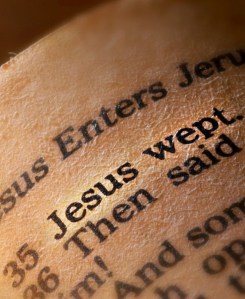
Raising-of-Lazarus-2 Today’s Gospel contains my personal favorite verse: Then, Jesus wept. It is the shortest verse in the Bible, yet it is also one of the most powerful. However, its strength does not rest on any superhuman power that can multiply bread or calm the storm, but on the humanity of Jesus.
The death of Lazarus must have been overwhelming for the family. In the ancient Jewish society, man was responsible for the survival of the family. If presumably, Lazarus was the only bread winner, Martha and Mary would have a serious problem in surviving in that troubled and difficult times. But, more than any economic difficulty, a loss of a family member due to sickness and death had always crushed the entire family. Not only Martha and Mary were uncertain of their future, they also had to endure the terrible pain of losing someone they loved dearly, a brother with whom they shared a lot of good memories, and a friend to whom they could trust and rely on. Anyone of us who has lost a beloved family member can easily commensurate with Martha and Family.

When Jesus saw Martha and Mary were grieving and weeping, Jesus was groaned and was troubled. And when He saw the tomb, He began to shed tears as well. He did not pretend that He was Ok, or He did not appear as if nothing happened. He got affected by the overwhelming emotion and suffering, and He wept. We see today Jesus who is truly human and becomes one with our humanity with its all pains, sufferings, and grief. The revelation is that before Jesus does any miracle or sign, He first becomes part of our sorrow, our humanity. This very consoling.

We are living at a time where success and happiness are the determinants of a fulfilled life. No wonder, the books or seminars on ‘positive thinking’, ‘greatness’, ‘self-help’ or ‘success’ are mushrooming. Even we and some other churches follow suit and preach the ‘Gospel of Prosperity’. I guess there is nothing wrong with being successful and rich, all are a blessing of God. It becomes problematic when we tend to focus on the happy only emotions and suppress ‘negative’ emotions by reciting ‘positive thinking mantra’ or attending praise and worship. In the face of sufferings, failures, and loss of someone we love or we are crushed by burden of life, it is but natural to feel sorrow. Many psychologists would agree that suppression of this feeling will do more harm than good. In the animation film ‘Inside Out’, life of Riley, the main protagonist, turns to be a little mess when Sadness is pushed aside, and Joy is always at the helm. But, when Joy gives away to Sadness, things begin to fall in their places. God created Sadness also, and it is for a good purpose.

Certainly Jesus does not teach us to be melancholic, nor to dwell in our grief for eternity. He teaches us what it means to be fully and truly human, with all love, joy, sorrow, hope, fear, and anger. Our faith tells us that Jesus is not only fully divine, but also fully human, and this means that when we strive to know Jesus, not only we know more about God, but also about humanity. The more we love Jesus, the more we become truly human.

Br. Valentinus Bayuhadi Ruseno, OP


Maka Menangislah Yesus

Kelima Prapaskah Minggu. 2 April 2017 [Yohanes 11: 1-45]

jesus-weptPada Injil hari ini ada ayat favorit pribadi saya: Maka Menangislah Yesus. Ini adalah ayat terpendek dalam Alkitab, namun juga salah satu yang paling kuat. Namun, dayanya tidak terletak pada kekuatan super Yesus yang dapat memperbanyak roti atau menenangkan badai, tetapi justru pada kemanusiaan Yesus.

Kematian Lazarus sepertinya sangat memukul keluarga. Dalam masyarakat Yahudi kuno, seorang pria bertanggung jawab penuh untuk kelangsungan hidup keluarganya. Jika Lazarus adalah satu-satunya pria di keluarga tersebut, Marta dan Maria akan menghadapi masalah serius dalam kelangsungan hidup mereka. Tapi, lebih dari kesulitan ekonomi, hilangnya anggota keluarga karena sakit dan kematian selalu selalu membenamkan seluruh keluarga. Tidak hanya Marta dan Maria ragu akan masa depan mereka, tetapi mereka juga harus menanggung rasa sakit dari kehilangan seseorang yang mereka kasihi, saudara yang mereka andalkan, dan memori-memori indah bersamanya. Siapa pun dari kita yang telah kehilangan anggota keluarga tercinta dapat dengan mudah bersimpati dengan Martha dan Maria.

Ketika Yesus melihat Marta dan Maria yang berduka dan menangis, Yesus mengerang dan sangat terharu. Dan ketika Dia melihat kubur Lazarus, Ia mulai meneteskan air mata. Dia tidak berpura-pura bahwa ia baik-baik saja, atau Ia tidak tampak seolah-olah tidak ada yang terjadi. Dia terlibat di dalam emosi dan penderitaan Martha dan Maria, dan diapun menangis. Kita melihat sekarang Yesus yang benar-benar manusia dan menjadi satu dengan kemanusiaan kita dengan segenap rasa sakit, penderitaan, dan kesedihan. Dan Kabar gembira bagi kita semua adalah sebelum Yesus melakukan mukjizat, Dia pertama-pertama menjadi bagian dari kesedihan dan kemanusiaan kita. Dan ini sungguh sebuah penghiburan.

Kita hidup dalam zaman di mana kesuksesan dan kebahagiaan menjadi penentu hidup. Tak heran, banyak buku atau seminar tentang ‘positive thinking’, ‘self-help’ atau ‘sukses’ tumbuh seperti jamur. Bahkan kita dan beberapa gereja lainnya ikut arus dan memberitakan ‘Injil Kemakmuran’. Saya kira tidak ada yang salah dengan menjadi sukses dan kaya, semua adalah berkat dari Tuhan. Tetapi, ini menjadi bermasalah ketika kita cenderung untuk fokus pada perasaan senang dan bahagia, tetapi menekan emosi-emosi ‘negatif’ dengan mengucapkan mantra ‘positive thinking’ atau menghadiri Praise and Worship. Dalam menghadapi penderitaan, kegagalan, dan kehilangan serta saat diterpa badai kehidupan, sangatlah alamiah untuk merasa sedih. Banyak psikolog setuju bahwa menekan perasaan ini sebenarnya berdampak tidak baik pada kesehatan kita secara menyeluruh. Dalam film animasi Inside Out, kehidupan Riley, sang protagonis utama, ternyata menjadi berantakan ketika Sadness dikesampingkan, dan Joy selalu diunggulkan. Tapi, ketika Joy memberikan tempat bagi Sadness, hidup Riley mulai berjalan dengan baik. Tuhan tidak hanya menciptakan emosi bahagia saja tapi juga emosi sedih, dan ini adalah untuk tujuan yang baik.

Tentu saja Yesus tidak mengajarkan kita untuk menjadi melankolis, atau untuk terus bersedih sepanjang masa. Dia mengajarkan kita apa artinya menjadi manusia yang penuh dan sejati, dengan semua kasih, sukacita, kesedihan, harapan, ketakutan, dan kemarahan. Iman kita mengajarkan bahwa Yesus tidak hanya sepenuhnya ilahi, tetapi juga sepenuhnya manusia, dan ini berarti bahwa ketika kita berusaha untuk mengenal Yesus, tidak hanya kita tahu lebih banyak tentang Allah, tetapi juga tentang kemanusiaan kita. Semakin kita mengasihi Yesus, semakin kita menjadi benar-benar manusia.

Frater Valentinus Bayuhadi Ruseno, OP

Why Temptation?

First Sunday of Lent (Year A). March 5, 2017 [Matthew 4:1-11]

“Then Jesus was led by the Spirit into the desert to be tempted by the devil. (Mat 4:1)”

jesus-temptation-2The reality of temptation has taken place even since the dawn of time. In the book of Genesis, we read that our first parents were tempted by the serpent and unfortunately, they were tricked, fell and sinned. Then one after another a biblical character was put into temptation and fell. Cain committed the first murder and fratricide. David was involved in adultery. Solomon worshipped and built temples for other pagan gods. Fortunately, not all fell during the time of trials. Job was pounded by all kinds of woes, but he never sinned and in fact, praised the Lord in the most miserable situation. And we have Jesus who triumphed over Satan and his temptations in the desert. Yet, why are we tempted? Why are we susceptible to this reality that lures us to sin?
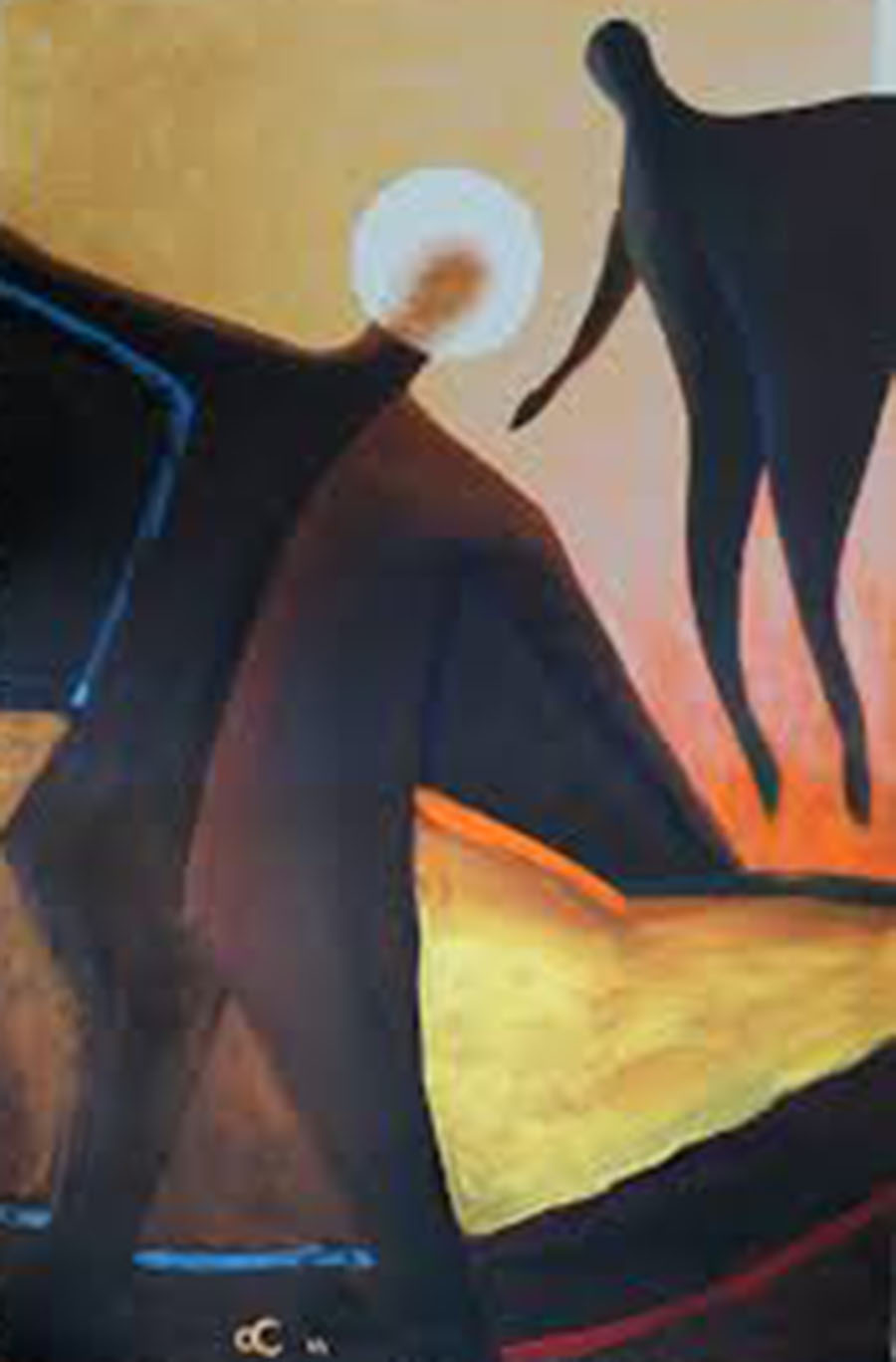
The book of Genesis narrates to us that we were created on the sixth day (see Gen 1:24ff). We were the summit of creation as we were made in the image of God. Yet, the Bible says that we were not alone on the sixth day. God also fashioned the animals in this day. We were situated between the animals and the image of God. This is a symbolic narrative that we have both the animal side and the spiritual side. Yet, I am not saying that animals are bad. The animal-lovers will rally against me! This means we share what are common to animals: our physical body, emotions, and instinct. A Greek Philosopher, Aristotle correctly defined human being as ‘rational animal’. The purpose of creation is that we nurture all our humanity, both physical and spiritual, so that we may enter into the rest with God on the seventh day.

Unfortunately, that is not the end of the story. The evil forces also will not let us enter God’s rest effortlessly. They will continue to feed the ‘animal’ in us to the point that our spiritual aspect is neglected and overcome. The temptation is an attempt by the Satan and his cohorts to drag us way below the situation of an animal.

In the Gospel, we learn that Satan tempted Jesus to use His divine power to produce bread; to wield his might to amaze the crowd and draw praise to Himself; to submit to Satan so that He receives all glory and honor. Satan was tempting Jesus to yield to His physical, emotional and psychological needs by manipulating His spiritual power. As Satan did to Jesus, he will do to us. We all need food, security, and recognition, and the devil and his army will make sure that we will sacrifice our spiritual identity for these basic needs.

How to counter temptation? Jesus gives us the answer: the Word of God. We need to continue to feed our spiritual life with His Word. I am elated that more and more people, even the laity, study the Sacred Scriptures. Yet, we should be cautious as well since Satan also uses the Bible to deceive us and achieve his end. Thus, Lenten season calls us to intensify our efforts to study the Word of God together and within the Church. In Jesus, the Word of God, we shake off the devil and all his works.

Br. Valentinus Bayuhadi Ruseno, OP

Kenapa Pencobaan?

Minggu Prapaskah pertama (Tahun A). 5 Maret 2017 [Matius 4: 1-11]

“Maka Yesus dibawa oleh Roh ke padang gurun untuk dicobai Iblis (Mat 4:1)”

jesus-temptationPencobaan telah terjadi bahkan sejak awal sejarah umat manusia. Dalam kitab Kejadian, Adam dan Hawa tergoda oleh sang ular dan sayangnya, merekapun tertipu dan berdosa. Kemudian satu demi satu tokoh di Alkitab mengalami pencobaan dan akhirnya jatuh ke dalam dosa. Kain melakukan pembunuhan pertama dalam sejarah manusia saat dia menghabisi saudaranya sendiri. Daud terlibat dalam perzinahan. Salomo menyembah dan membangun kuil untuk berbagai berhala. Syukurlah, tidak semua jatuh pada pencobaan ini. Diterpa oleh segala jenis malapetaka, tapi Ayub tidak pernah berdosa dan memuji Tuhan bahkan dalam situasi yang paling menyedihkan. Dan kita memiliki Yesus yang menang atas Iblis dan godaannya di padang gurun. Namun, mengapa kita terus masuk ke dalam pencobaan? Mengapa kita rentan terhadap godaan sang Jahat yang memikat kita untuk berbuat dosa?

Kitab Kejadian menceritakan bahwa kita diciptakan pada hari keenam (lihat Kej 1: 24-31). Kita adalah puncak dari segala ciptaan terutama karena kita diciptakan menurut citra Allah. Namun, Alkitab mengatakan bahwa kita tidak sendirian di hari keenam. Tuhan juga memciptakan berbagai binatang di hari ini. Kita terletak antara binatang dan citra Allah. Ini adalah narasi simbolik bahwa kita sebagai manusia memiliki sisi hewan dan sisi spiritual. Namun, saya tidak mengatakan bahwa hewan adalah buruk. Ini berarti kita sebagai manusia memiliki beberapa kesamaan dengan hewan seperti: tubuh jasmani kita, emosi dan insting. Tidak salah jika Filsuf Yunani Aristoteles mendefinisikan manusia sebagai ‘hewan rasional.’ Kedua sisi ini, jasmani dan rohani, perlu dikembangkan bersama-sama sehingga kita mencapai tujuan dari penciptaan adalah bahwa kita, dengan semua kemanusiaan kita, bisa masukkan ke dalam peristirahatan dengan Allah di hari ketujuh.

Namun, kekuatan jahat juga tidak akan membiarkan kita untuk masuk ke dalam peristirahatan Allah dengan mudah. Mereka akan terus memberi makan ‘hewan’ di dalam kita sampai pada titik bahwa aspek spiritual kita terabaikan. Godaan merupakan upaya oleh Setan dan para malaikatnya untuk menyeret kita ke dalam situasi yang lebih rendah dari binatang.

Dalam Injil, kita mengerti bahwa Setan mencobai Yesus untuk menyalahgunakan kuasa ilahi-Nya untuk menghasilkan roti; untuk menggunakan kekuasaan-Nya untuk memukau orang banyak dan menarik pujian bagi diri-Nya; untuk menyembah Setan sehingga Ia menerima semua kemuliaan dan hormat di dunia. Setan menggoda Yesus untuk mememunuhi kebutuhan fisik, emosional dan psikologis-Nya dengan memanipulasi kekuatan rohani-Nya. Dengan strategi yang sama, dia akan mencobai kita. Kita semua membutuhkan makanan, keamanan dan pengakuan, dan ia dan pasukannya akan memastikan bahwa kita akan mengorbankan identitas rohani kita untuk memenuhi kebutuhan dasar ini.

Bagaimana untuk menghadapi godaan? Yesus memberi jawabannya: Firman Allah. Kita perlu terus memberi nutrisi bagi kehidupan rohani kita dengan firman-Nya. Saya gembira bahwa semakin banyak orang, bahkan kaum awam, mempelajari Kitab Suci. Namun, kita perlu berhati-hati juga karena Setan juga menggunakan Alkitab untuk menipu kita dan mencapai tujuannya. Dengan demikian, masa Pra-paskah memanggil kita untuk mengintensifkan upaya kita untuk memdalami Firman Tuhan bersama-sama dan di dalam Gereja. Hanya dalam Yesus, Sang Firman Allah yang hidup, kita mengusir setan dan semua karya-karyanya.

Frater Valentinus Bayuhadi Ruseno, OP

Capernaum

Third Sunday in Ordinary Time. January 22, 2017 [Matthew 4:12-23]

“He left Nazareth and went to live in Capernaum by the sea, in the region of Zebulun and Naphtali (Mat 4:13)”

journeyJesus began His public ministry by moving to another town in Galilee. From his hometown Nazareth to a bigger and more dense Capernaum. It was an ancient urbanization! Nazareth was small and scarcely populated, while Capernaum was one of the fishing centers in the Sea of Galilee. It was where people came, gathered, and interacted with each other. Had Jesus commenced His mission in Nazareth, probably, it would have taken more time to grow. Capernaum gave critical advantages for Jesus. It was easier to gather people, preach and attract followers. As a port city, it eased up Jesus mobility to other places in Galilee. And, Capernaum provided Jesus with shelter and other resources for His preaching. The reason for migrating was practical and yet decisive.

When St. Dominic started his Order, one of the first things he did was to send his small and fragile group of friars to big university cities like Paris and Bologna. His move was criticized as careless and dangerous. It could have swept away the infant community of Dominic. But, He insisted. “Stored seeds rot!” Dominic was actually able to think like Jesus. In bigger cities, it was much manageable not only to study, but also to preach and invite generous souls to be part of the community. Thus, Dominic made a clear instruction as he sent his brothers: “to study, preach and build community.

Our time is characterized with mega migration. Countless people move from town to another, from one country to another, and from one continent to another with ease and speed. And like Jesus, we migrate for practical cause as well as survival. We go places because of our works, our family, or our dreams. My life as a seminarian and a Dominican is also marked with constant movement. As early as fourteen years old, I left my hometown Bandung to enter the seminary in Magelang. Then, from Indonesia to Manila in the Philippines.

Going back to today’s Gospel, St. Matthew does not only see Jesus’ migration as practical solutions to His ministry, but as fulfillment of God’s promise: “the people who sits in darkness have seen a great light.” As Jesus travelled from one place to another, He brought light to others that they may see God whose Kingdom has come. Jesus immediately preached the Good News and called Andrew, Peter, James and John to His disciples. Jesus accommodated the practical and temporal things in His disposal for His mission. And He was faithful to this to the end. He used the cross, the practical means of torture and humiliation as means of presenting God’s love and salvation.

The same mission is given to us. As we move from one place to another, we bring also the light of Christ with us. Like newly-wed persons, we are called to enlighten our new families. As workers, we are to denounce what is evil in our new workplaces. As people who live on this earth, we shall take care of the creations in every land we step.   


Br. Valentinus Bayuhadi Ruseno, OP


Kapernaum

Minggu ketiga di Masa Biasa. 22 Januari 2017 [Matius 4: 12-23]

“Ia meninggalkan Nazaret dan diam di Kapernaum, di tepi danau, di daerah Zebulon dan Naftali (Mat 4:13).

capernaum

Yesus memulai karya-Nya saat Ia pindah ke kota lain di Galilea. Dari kampung halamannya Nazareth ke Kapernaum yang lebih besar dan lebih padat penduduk. Yesus pun melakukan urbanizasi! Nazaret adalah kecil dan sedikit penghuni, sementara Kapernaum adalah salah satu pusat industri perikanan di Danau Galilea. Di kota ini, orang-orang datang, berkumpul, dan berinteraksi satu sama lain. Jika Yesus memulai misi-Nya di Nazaret, mungkin, Ia akan membutuhkan lebih banyak waktu untuk mengembangkan misi-Nya. Kapernaum memberi keuntungan penting bagi Yesus. Di kota ini, Yesus lebih mudah untuk mengumpulkan orang-orang, berkhotbah dan menarik pengikut. Sebagai kota pelabuhan, Kapernaum memberikan mobilitas kepada Yesus untuk pergi ke tempat-tempat lain di sekitar Galilea. Dan, Kapernaum juga menyediakan Yesus tempat tinggal dan sumber daya lain untuk karya-Nya. Alasan Yesus untuk bermigrasi adalah hal praktis namun sangat menentukan.

Ketika St. Dominikus memulai ordonya, salah satu hal pertama yang ia lakukan adalah mengirim kelompok saudara-saudaranya yang kecil dan rapuh ke kota-kota universitas besar seperti Paris dan Bologna. Keputusannya dikritik sebagai tindakan yang ceroboh dan berbahaya. Tapi, dia berteguh karena ia percaya,  “Biji yang tersimpan akan membusuk!” Dominikus benar-benar mampu berpikir seperti Yesus. Di kota-kota besar inilah, para saudara tidak hanya mampu untuk belajar, tetapi juga untuk berkhotbah dan mengundang orang-orang untuk menjadi bagian dari komunitas. Dominikus pun memberi instruksi yang sangat jelas sebelum ia mengirim saudara-saudaranya: “untuk belajar, berkhotbah dan membangun komunitas.”

Masa kita ditandai dengan mega migrasi. Banyak orang pindah dari satu kota ke kota yang lain, dari satu negara ke negara yang lain, dan dari satu benua ke benua lain dengan kemudahan dan kecepatan. Dan seperti Yesus, kita bermigrasi untuk tujuan praktis dan manusiawi. Kita pergi ke berbagai tempat karena pekerjaan kita, keluarga kita, belajar atau untuk mencapai impian kita. hidup saya sebagai seorang seminaris dan Dominikan juga ditandai dengan gerakan yang konstan. Sejak usia empat belas tahun, saya meninggalkan kota saya Bandung untuk masuk seminari menengah di Magelang. Kemudian, dari Indonesia ke Manila di Filipina. Saat saya adik saya menikah beberapa pekan lalu, saya menyaksikan bahwa dia memutuskan untuk meninggalkan rumah dan pindah bersama istrinya.

Kembali ke Injil hari ini, Matius tidak hanya melihat migrasi Yesus sebagai solusi praktis untuk pelayanan-Nya, tetapi sebagai pemenuhan janji Allah: “orang-orang yang duduk dalam kegelapan telah melihat terang yang besar.” Ketika Yesus melakukan perjalanan dari satu tempat ke yang lain, Ia membawa cahaya dan mereka dapat melihat Allah yang telah datang. Setelah pindah, Yesus segera memberitakan Kabar Baik dan memanggil Andreas, Petrus, Yakobus dan Yohanes sebagai murid-murid-Nya. Yesus menggunakan hal-hal praktis dan temporal bukan untuk diri-Nya sendiri tetapi untuk misi. Dan Dia setia pada hal ini sampai akhir. Diapun akhirnya menggunakan salib, sebuah sarana praktis penyiksaan dan penghinaan, sebagai sarana untuk  menunjukan kasih dan keselamatan Allah.

Misi yang sama telah diberikan kepada kita. Ketika kita bergerak dari satu tempat ke tempat lain, kita membawa juga terang Kristus. Sebagai pasangan yang baru menikah, kita dipanggil untuk mencerahkan keluarga baru kita. Sebagai pekerja, kita bertugas untuk menolak apa yang jahat di tempat kerja. Sebagai orang yang hidup di bumi ini, kita akan bertanggung jawab terhadap ciptaan di tanah kita berdiri. Kita dipanggil untuk mengunakan sarana yang temporal untuk Tuhan bukan sekedar memuaskan diri kita sendiri.

Frater Valentinus Bayuhadi Ruseno, OP

Christmas: Not Caesar, but Jesus

Christmas Eve. December 24, 2016. Luke 2:1-14

“She gave birth to her firstborn son. She wrapped him in swaddling clothes and laid him in a manger, because there was no room for them in the inn. (Luk 2:7)”

christmas-1The story of Nativity of Jesus Christ began with a great person in ancient time. He was Caesar Augustus. He was considered to be one of the greatest Roman Emperors because during his reign, he was able to establish peace and prosperity within his territory. The people adored him and worshiped him as the Savior and the Son of God. He was the hero of the ancient world, but fortunately, he was not the hero of Christmas.

From the great Roman world, we are brought to the small village Bethlehem. Here in this almost insignificant place, we meet the simple and poor couple from another small town, Nazareth in Galilee. They are Joseph, the righteous carpenter, and his expecting young wife, Mary. But, there is no room in the inn, perhaps because the inn is full of people, or because people do not want to receive the poor couple who might not be able to pay the rent. Consequently, Mary has to give birth at the place of animals and simply places her firstborn baby on the manger. This is the story of a lowly couple at the most wretched place on earth. Yet, this is actually our story of real Christmas.

Our salvation is not found in the strongest fortified palace, neither on riches nor prosperity. Our happiness lies in the most unlikely place: at the poor manger in the smallest town of Bethlehem. Our salvation comes not from the greatest emperor with his achievements and honor, but from a meek and defenseless baby. And this is the Good News of the first Christmas.

It is a good news for us because we can be truly happy even without all the new clothes, new gadgets, and all gifts coming from the Malls or shopping centers. It is a good news for us because we can be hopeful even if we are still struggling with so many problems in life, financial difficulties, health issues, relationship meltdowns, and more. God chooses to be born into the families torn by separations. Jesus is born inside war-torn places like in Aleppo in Syria and Mosul in Iraq. Christ is born in poor shanties, amidst the people who never taste an even decent Christmas Eve’s meal.

When Fr. Timothy Radcliffe, OP, former Master of the Order of Preachers, once visited the Dominican sisters in northern Rwanda. It was just after the civil war, generally between the Hutus and Tutsis. The place was frightening and anytime armed groups might ambush them. The sisters’ convent was also marked with bullets holes, sign of battle and skirmish. Inside the convent were the sisters, both the Hutus and Tutsis, and many have lost their family members during the war. Fr. Timothy was there on Christmas Eve, and despite the pain and fear, the entire community decided to celebrate the Eucharist and the birth of Christ together.  In tears yet in joy, the baby was born among them and baby Jesus becomes the sign of hope for a better future.

Christmas shakes our belief in many Caesar we hold dearly, Caesar of wealth, Caesar of power, Caesar of fame. In Christmas, we are reminded that God became man and embraced all our limitations, our sorrow, and pains, and points to a future hope for all of us.

Br. Valentinus Bayuhadi Ruseno, OP