The Sower and His Mysterious Way

15th Sunday in Ordinary Time [A]
July 16, 2023
Matthew 13:1-23

There is something strange with Jesus’ parable.
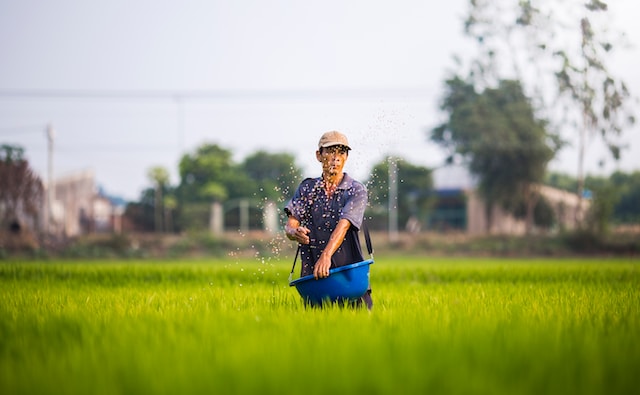
The sower is committing something outrageous as a farmer. The sower is wasting his seeds. He lets the seeds fall into the pathway, Rocky grounds, and thorns, places that will surely kill them. If the seeds are the farmer’s lifeline, he kills himself. Why does the sower do something seemingly useless and even stupid things?
To find the answer, we must understand the purpose of Jesus’ parables. Many believe that parables are simple stories Jesus uses to convey and simplify His teachings. That is why one theologian defined parables as ‘heavenly teachings in worldly stories.’ To a certain extent, it is true, but it does not capture the entire purpose of the parable. When Jesus was asked, ‘Why did He teach in parables?’ Jesus answered, “This is why I speak to them in parables, because ‘they look but do not see and hear but do not listen or understand (Mat 13:13).” Jesus utilized parables not to reveal His teaching, but to conceal His teachings. Why? Jesus made it clear that by using parables, only those who believe Jesus will see through the parables and learn the messages, while those who do not believe will only be puzzled.

Now, how do we make sense of the sower who is seemingly wasting his seeds? Again, the key is belief in Jesus. We are invited to read this parable from the lens of faith. If the different kinds of soils represent the condition of our souls, and the seeds are God’s word, then who will be the sower? For us believers, the answer is obvious. The sower is God Himself. Now, if we know all the meanings of the characters and elements of the parables, we can make more sense of the story. God sends His words not only to one kind of soul but to all souls. Why? Because He loves all souls and wants all souls to come to salvation. God loves us, even those who do evil things, those who do not know Him, and those who hate Him.

He sends His sunlight and rains for all of us, though we are ungrateful. He provides many good things in our lives, even though we take them for granted. Ultimately, He sends Jesus, His Word made flesh, to save us sinners. For He so loved the world so that He sent His only begotten Son, so that who believed in Him may not perish but have eternal life (John 3:16). God, the divine sower, does not measure things in worldly economic terms, but loves us gratuitously.

However, we must forget that we have to do our part also. We are invited to transform our souls into fertile soil. Perhaps, in the beginning, minds and hearts are hard, full of rocks of doubts, or filled with thorns of anger. But God gives us freedom and the grace of repentance to change our hearts into the good ground where the Word of God may grow. Some of us may have a fertile heart, but we must not be negligent but continue to enrich our soils so that the word of God may bear fruits abundantly.

What kind of soils are we now? Do we recognize God’s works in our lives? What do we do to receive the word of God and allow them to grow and bear fruits?

Valentinus Bayuhadi Ruseno, OP

Kuk Yesus

Minggu ke-14 dalam Masa Biasa

9 Juli 2023

Matius 11:25-30

Saya sangat diberkati karena diberi kesempatan untuk mengambil program S3 di bidang Kitab Suci (Teologi Biblis) di Roma, di jantung Gereja Katolik. Izinkan saya berbagi mengapa saya memilih bidang ini dan bagaimana kecintaan saya pada Sabda Allah dimulai. Dan hal ini berkaitan erat dengan Injil hari ini.

Ketika saya masih di Novisiat (awal hidup biarawan), saya membaca ayat ini di mana Yesus berkata, ‘Marilah kepada-Ku, semua yang letih lesu dan berbeban berat, Aku akan memberi kelegaan kepadamu. Pikullah kuk yang Kupasang… karena kuk yang Kupasang itu enak dan beban-Ku pun ringan (Mat 11:28-30).”  Kuk adalah alat yang digunakan manusia atau hewan, seperti lembu atau keledai, untuk memikul beban. Kuk biasanya dibawa di pundak. Awalnya, saya membayangkan bahwa kita memiliki kuk yang harus kita pikul, yang memberatkan. Kuk ini melambangkan berbagai beban dan masalah dalam hidup kita. Kemudian, Yesus meminta kita untuk melepaskan kuk yang tidak perlu ini dan memikul kuk yang telah Yesus persiapkan untuk kita. Jadi, pada dasarnya ini adalah tentang ‘menganti’ kuk. Kuk Yesus lebih ringan daripada kuk kita; oleh karena itu, kuk ini memberi kita kelegaan dan istirahat.

Namun, seorang imam yang waktu itu masih belajar S3 dalam bidang Kitab Suci pernah mengunjungi kami. Dia membagikan sebagian pengetahuannya kepada kami, dan pada satu titik, dia memberi tahu kami tentang kuk. Di Palestina kuno (seperti di banyak tempat lainnya), ada jenis kuk yang dapat dibawa oleh dua orang atau hewan. Kuk ini dirancang untuk mendistribusikan beban ke kedua pundak secara merata. Jadi, ketika Yesus berkata, “Pikullah kuk yang Kupasang…” Yesus tidak hanya memberikan kuk kepada kita, tetapi Dia berbagi kuk dan memikulnya bersama kita. Kemudian, ketika kita lelah, Yesus akan memikul sebagian besar beban itu sehingga kita mendapatkan kelegaan.

Penjelasan imam ini cukup sederhana karena saya sudah pernah melihat jenis kuk seperti ini karena saya sering melihatnya ketika saya masih kecil. Namun, ketika dia menghubungkannya dengan kuk Yesus dan menemukan kelegaan, hal itu membuka pikiran saya dan memukau hati saya. Sungguh, saat saya pikir saya sudah tahu tentang Sabda Allah, ternyata saya tidak tahu apa-apa. Firman Tuhan itu kaya dan menarik hati. Jika sebuah kata sederhana seperti ‘kuk’ dapat memiliki makna yang dalam, maka demikian pula halnya dengan kata-kata, kalimat, dan realitas lainnya di dalam Alkitab. Kemudian, saya mulai membaca banyak tafsiran dan penjelasan tentang berbagai ayat Alkitab. Semakin banyak saya belajar, semakin saya ditarik ke dalam misteri yang tak berdasar namun indah. Seiring dengan perkembangan panggilan saya, saya memutuskan untuk memfokuskan studi saya di bidang ini.

Apakah kisah tentang Kuk ini berakhir dengan penemuan saya di Novisiat? Tidak! Ketika saya memasuki studi teologi saya di Manila, saya menyadari satu teologi Katolik yang khas: teologi partisipasi. Teologi ini mengajarkan kita bahwa Allah memang pelaku utama penebusan, tetapi Dia tidak memperlakukan kita hanya sebagai penerima yang pasif. Dia menjadikan kita sebagai partisipan aktif dalam karya keselamatan-Nya. Ya, Yesus telah wafat dan bangkit bagi kita, tetapi kita juga perlu berpartisipasi dalam misteri penebusan ini melalui iman, pengharapan dan kasih.

Kemudian, ketika saya menghubungkannya dengan ‘kuk’, teologi partisipasi menjadi lebih bermakna. Jika kita memikul kuk kita sendiri, maka kuk itu tidak lebih dari beban yang tak bermakna. Tetapi, ketika kita berpartisipasi dalam kuk Kristus, beban kita akan menjadi lebih ringan dan memiliki nilai rohani. Ya, kita sering kali tidak dapat melepaskan diri dari banyak situasi yang membebani dalam hidup kita, tetapi ketika kita menyatukannya dengan salib Yesus dan dengan setia memikulnya, semua itu akan menjadi berkat rohani dan sarana keselamatan.

Apakah kuk kita sehari-hari? Apakah kita memikulnya sendirian? Apakah kita mempersembahkannya kepada Tuhan? Apakah kita mengambil bagian dalam kuk-salib Yesus?

Valentinus Bayuhadi Ruseno, OP

Jesus’ Yoke

14th Sunday in Ordinary Time
July 9, 2023
Matthew 11:25-30

I am incredibly blessed to be given to opportunity to study my doctorate in Sacred Scripture (Biblical Theology) in Rome, at the very heart of the Catholic Church. Let me share why I chose the specific field and how my love for the Word of God began. And it is closely related to today’s Gospel.

When I was still in the Novitiate (the beginning of my religious life), I read this particular verse in which Jesus said, ‘Come to me, all of you who labor and are burdened, and I will give you rest. Take my yoke… for My yoke easy and my burden is light (Mat 11:28-30).” A yoke is an instrument men or animals use, like oxen or donkeys, to carry a burden. The yoke usually is carried on the shoulders. Initially, I imagined that we had our yokes to carry, burdensome. This yoke represents various unnecessary burdens and problems in our lives. Then, Jesus asks us to remove this unnecessary yoke and take up the yoke that Jesus has prepared for us. So, it is essentially about ‘changing’ or ‘transferring’ of the yoke. Jesus’ yoke is lighter than our yokes; therefore, it is lighter and gives us rest.

However, a priest still studying for his doctorate in Sacred Scriptures visited us once. He shared some of his knowledge with us, and at one point, he told us about the yoke. In ancient Palestine (like in many places), there was a type of yoke that two men or animals could carry. The yoke is designed to distribute the burden to both shoulders equally. Thus, when Jesus said, ‘Take my yoke…” Jesus did not simply give us the yoke, but He shares the yoke and carries together with us. Then, when we are tired, Jesus will take much of the burden so that we may find rest.

The priest’s explanation was simple because I am familiar with this type of yoke as I used to see it when I was little. Yet, when he connected to Jesus’ yoke and found rest, it blew my mind and captured my heart. There is something more than what meets the eye. The Word of God is rich and fascinating. If a simple word like ‘yoke’ can have a profound meaning, it must also be true with other words, sentences and realities in the Bible. Then, I began reading a lot of commentaries and explanations on various biblical verses. The more I learn, the more I am drawn into the bottomless yet beautiful mystery. As I progressed in my vocation, I decided to focus my study in this field.

Does the story of Yoke end in my discovery in Novitiate? No! As I entered my theological studies, I discovered one particular catholic theology: the theology of participation. This theology teaches us that God is indeed the principal agent of redemption, but He does not treat us just as passive recipients. He made us active participants in His work of salvation. Yes, Jesus died and rose for us, but we also need to participate in this mystery of redemption by faith, hope and charity.

Then, as I connect it to the ‘yoke,’ the theology of participation makes even more sense. If we carry our yoke by ourselves, it is nothing but dead weight. But, when we participate in the yoke of Christ, our burdens will be lighter and have spiritual value. Yes, we cannot often escape many burdensome situations in our lives, but when we unite them to Jesus’ cross and faithfully carry them, they become spiritual blessings.

What is our daily yoke? Do we carry them alone? Do we offer them to the Lord? Do we participate in Jesus’ Yoke?

Valentinus Bayuhadi Ruseno, OP
To Receive a Prophet

13th Sunday in Ordinary Time [A]
July 2, 2023
Matthew 10:37-42

Jesus said, “Whoever receives a prophet because he is a prophet will receive a prophet’s reward,” At first glance, this statement seems usual, but at a closer look, there is something extraordinary. A prophet of God will receive his reward, but should not a person who welcomes a prophet gains something less? After all, that person simply provides a temporary shelter, perhaps water and food; indeed, he does not labor as hard as the prophet. Then, why did Jesus insist that the host of a prophet shall receive a prophet’s reward?

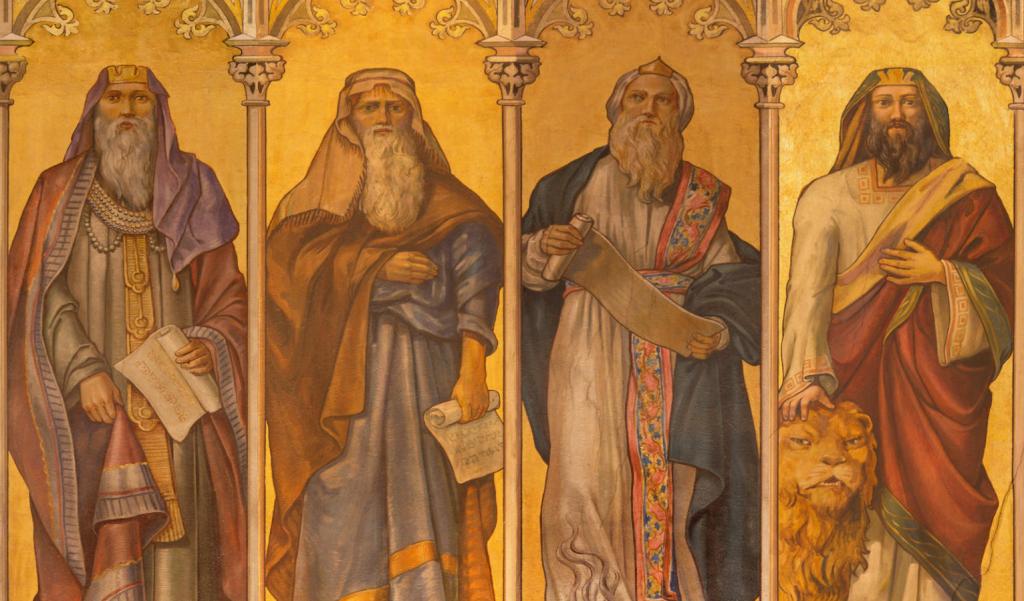
TThe neo-gothic fresco of big prophets Isaiah, Jeremiah, Ezekiel, Daniel by Leopold Bruckner from end of 19. cent. in Saint Nicholas church.

To understand the main reason behind Jesus’ extraordinary statement is that we need to know the roles of God’s prophets. A prophet, or in Hebrew נָבִיא (nabi), is a person who receives a gift/charisma to speak on behalf of God. In everyday use, the prophet foretells the future, but when it comes to the prophets of God in the Bible, predicting the future is only one aspect of their roles. The fundamental role of the prophet of God is to remind the people of their covenant with the Lord God and foretell the ugly things that would happen if they persisted in their sins. Thus, prophets of God are synonymous with the preachers of repentance.

Amos spoke against idolatry in Bethel. Elijah confronted wicked kings and queens. Jeremiah preached against injustice and evil deeds committed by Judah. John the Baptist criticized Herod Antipas for marrying his brother’s wife. These are several famous names in the Bible, but they sufficiently tell us what true prophets are. They speak the truth, and truth can be very inconvenient. Thus, many do not like true prophets and even persecute them. Jesus Himself told us, “A prophet is not without honor except in his own country and in his own house (Mat 13:57).”

It is not easy to receive a true prophet. It is hard to accept someone who speaks inconvenient truths about us. We naturally like people who praise and adore us, but we hate people who remind us about our wrongdoings. However, if we open ourselves and welcome the prophet of God into our lives, we receive the prophet’s reward. Yet, again, what is the prophet’s reward?
We may see the answer in the story of Jonah. He preached against the city of Nineveh. The people welcomed and listened to him. They repented, and they survived the disaster that would befall them. The Nineveh was saved because they accepted Jonah. Thus, the prophet’s reward is none other than salvation. As the prophet is saved when he faithfully preaches God’s word to the people despite rejection and persecution, the people will also be saved as they receive the prophet and repent.

Jesus invites us not only to be a prophet who speaks the truth and fidelity to God but also to be someone who accepts a prophet of God in our lives. Receiving is not only welcoming them into our houses but, more fundamentally, listening to their words and being moved toward God. How are the prophets in our lives? Do we reject them, or do we welcome them? What is the inconvenient truth they say that is for us to accept?

Rome
Valentinus Bayuhadi Ruseno, OP

Takut

Minggu ke-12 dalam Masa Biasa [A]

25 Juni 2023

Matius 10:26-33

Takut adalah salah satu emosi manusia yang paling mendasar dan primitif. Rasa takut dapat didefinisikan sebagai reaksi emosional dan fisiologis terhadap bahaya atau ancaman yang dirasakan. Pada manusia dan banyak hewan, bagian kuno dari otak kita yang disebut amigdala memainkan peran penting dalam mengatur rasa takut. Ketika potensi ancaman terhadap kehidupan kita dirasakan, amigdala melepaskan hormon stres seperti kortisol dan adrenalin. Hormon-hormon ini meningkatkan kewaspadaan kita dan memperkuat tubuh kita, dan dengan demikian, meningkatkan peluang kita untuk menyelamatkan hidup kita. Amigdala (dan rasa takut) bertanggung jawab atas kelangsungan hidup kita.

Akan tetapi, ada masalah besar. Otak kita, tidak seperti otak hewan, jauh lebih kompleks dan pintar. Amigdala hanyalah bagian yang kecil dari sistem yang lebih besar. Seiring dengan semakin majunya otak kita, pemahaman kita akan rasa takut pun semakin rumit. Kita tidak hanya takut pada bahaya fisik di depan mata kita, seperti api atau hewan buas, tapi juga pada potensi ancaman dan bahaya yang sebenarnya belum ada, atau bahkan tidak akan pernah ada. Dalam batas-batas tertentu, jenis ketakutan ini sesuatu yang normal, tetapi saat ketakutan ini berlebihan, ini menjadi permasalahan serius dalam hidup kita. Ketakutan ini muncul dalam berbagai bentuk seperti ‘overthinking,’ ‘comfort zone’, dan ‘insecurity (minder)’. Ketakutan ini melumpuhkan kita dan bahkan menekan pertumbuhan otentik kita.

Apa yang Yesus ajarkan kepada kita tentang rasa takut? Kita sering membaca dalam Injil bahwa Yesus berkata kepada murid-murid-Nya, “Jangan takut!” Namun, apakah ini berarti Yesus ingin kita menekan emosi kita? Apakah Yesus memerintahkan kita untuk bersikap gegabah dan mengabaikan rasa takut sama sekali? Injil hari ini memberi kita kebijaksanaan yang lebih dalam tentang ajaran Yesus tentang rasa takut. Yesus berkata, “Dan janganlah kamu takut kepada mereka yang dapat membunuh tubuh, tetapi yang tidak berkuasa membunuh jiwa; takutlah terutama kepada Dia yang berkuasa membinasakan baik jiwa maupun tubuh di dalam Gehena (mat 10:28).” Yesus tidak meminta kita untuk mati rasa terhadap semua jenis takut, melainkan untuk mengetahui apa atau siapa yang benar-benar harus kita takuti.

Yesus sangat memahami bahwa rasa takut adalah emosi dasar manusia. Rasa takut memiliki tujuan penting untuk bertahan hidup; tanpa rasa takut, spesies manusia sudah lama punah. Oleh karena itu, membedakan antara objek ketakutan yang nyata dan yang semu sangat penting untuk menangani rasa takut kita dengan benar. Namun, Yesus mengingatkan kita bahwa kita bukan hanya makhluk duniawi tetapi terutama makhluk yang diciptakan untuk Tuhan. Oleh karena itu, kita perlu lebih takut pada hal-hal yang akan memisahkan kita dari Allah, terutama dosa. Ya, secara alamiah kita takut akan hal-hal yang membahayakan tubuh kita, tetapi kita harus lebih takut akan hal-hal yang membahayakan jiwa kita, bahkan jika hal-hal tersebut memberikan kenyamanan dan keamanan bagi tubuh kita. Ajaran Yesus selaras dengan hikmat Perjanjian Lama: takutlah akan Tuhan (lihat Pkh. 12:13; Mzm. 34:9). Kita tidak takut kepada Tuhan karena Dia menakutkan, tetapi kita takut kehilangan Dia untuk selama-lamanya.

Sekarang, saatnya kita mengevaluasi hidup kita. Apa saja objek takut yang semu dalam hidup kita yang menghalangi kita untuk bertumbuh dan mengasihi Tuhan dan sesama kita? Apakah kita lebih takut pada hal-hal yang membahayakan kehidupan duniawi kita atau hal-hal yang menjauhkan kita dari kehidupan kekal? Apakah kita siap untuk menghadapi rasa takut kita demi Yesus?

Roma

Valentinus Bayuhadi Ruseno, OP

Fear

12th Sunday in Ordinary Time [A]
June 25, 2023
Matthew 10:26-33

Fear is one of the most basic and primitive human emotions. Fear can be defined as an emotional and physiological reaction to perceived dangers or threats. In humans and many animals, an archaic part of our brain called the amygdala plays an important role in regulating fear. When potential threats to our lives are perceived, the amygdala releases stress hormones like cortisol and adrenalin. These hormones heighten our alertness and strengthen our bodies, and thus, increase our chances of survival. The amygdala (and its fear) is responsible for our survival.

However, there is a big problem. Our brains, unlike animal brains, are much more complex and advanced. Amygdala is just a very small part of a bigger system. As our intellect goes sophisticated, our understanding of fear is getting complicated. We are afraid not only of physical danger before our eyes, like fire, explosion, and venomous animals but also of potential threats and dangers that do not exist yet. Here comes the problem. We fear something that is not a real danger or even something that is not real. This fear manifests in different forms like ‘overthinking,’ ‘staying in your comfort zone,’ and ‘insecurity.’ This fear paralyzes us and even suppresses our authentic growth.

How does Jesus teach us about fear? We often read in the Gospel that Jesus said to His disciples, “Do not fear!” Yet, what does it mean ‘to have no fear’? Does it mean Jesus wants us to repress our emotions? Does Jesus instruct us to be reckless and disregard fear altogether? Today’s Gospel gives us a deeper insight into Jesus’ teaching on fear. Jesus said, “And do not be afraid of those who kill the body but cannot kill the soul; rather, be afraid of the one who can destroy both soul and body in Gehenna.” Jesus did not ask us to be numb to all kinds of fear but rather to know what or who we must truly fear.

Jesus knows well that fear is fundamental emotion of a human person. Fear serves the critical purpose of survival; without it, the human species would have ceased to exist long ago. Thus, distinguishing between the real objects of fear and the fake ones is imperative in properly handling our fear. However, Jesus reminds us that we are not simply earthly beings but primarily beings created for God. Consequently, we must fear the most things that will separate us from God. Yes, we are naturally afraid of those things that harm our bodies, but we must fear those things that harm our souls more, even if these things give us comfort and security from bodily harm. Jesus’ teaching is in harmony with Old Testament’s wisdom: one must fear the Lord (see Ecc 12:13; Psa 34:9). We do not fear the Lord because He is fearsome, but we fear that we may lose Him for eternity.

Now, it is our time to reflect and evaluate our lives. What are the false objects of fear in our lives prevent us from growing and loving God and our neighbors? Do we fear more those things that harm our earthly lives or those that put us away from eternal life? Are we ready to face our fear for the sake of Jesus?

Rome
Valentinus Bayuhadi Ruseno, OP

Ekaristi dan Manna

Hari Raya Tubuh dan Darah Kristus (Corpus Christi)
11 Juni 2023
Yohanes 6:51-58

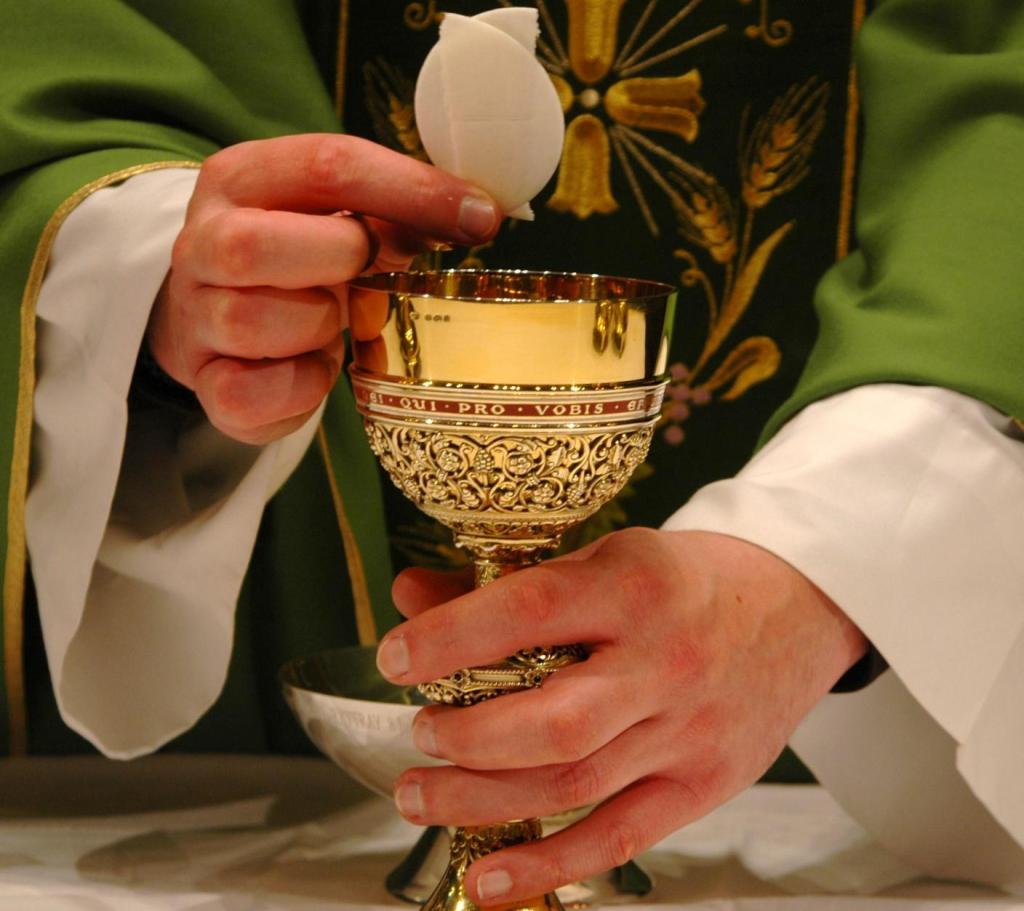
Hari ini, Gereja merayakan Hari Raya Tubuh dan Darah Kristus, atau juga disebut Hari Raya Corpus Christi (bahasa Latin yang berarti “Tubuh Kristus”). Melalui hari Minggu ini, Gereja mengundang seluruh umat beriman untuk merenungkan sekaligus merayakan salah satu misteri dan mukjizat agung iman Katolik, yaitu kehadiran Yesus Kristus yang nyata dalam setiap Ekaristi. Seperti yang kita dengar dari Injil Yohanes, Yesus benar-benar memberikan Tubuh dan Darah-Nya sebagai makanan yang nyata, dan mereka yang makan Tubuh-Nya dan minum Darah-Nya akan memiliki hidup yang kekal (Yohanes 6:51). Namun, apakah kita benar-benar memakan Tubuh dan Darah Yesus? Apakah itu berarti kita memakan daging manusia, dan dengan demikian, kita melakukan kanibalisme?

Ya, kita memang makan dan minum Tubuh dan Darah Kristus, tetapi kita tidak melakukan tindakan kanibalisme. Mengapa demikian? Cara termudah untuk menjawab tuduhan ini adalah dengan pergi ke Gereja dan mengamati liturgi Ekaristi itu sendiri. Dalam perayaan misa, tidak ada orang yang memakan daging mentah atau vampir yang menghisap darah segar. Tidak ada yang bersifat kanibal sama sekali dalam Ekaristi. Jadi, di manakah Tubuh dan Darah Kristus? Jawabannya mungkin sedikit rumit. Roti dan anggur yang dipersembahkan dan dikonsekrasikan oleh imam bukan lagi roti dan anggur biasa. Ya, apa yang terlihat tetap sama, tetapi kodratnya berubah menjadi Tubuh dan Darah Kristus yang sesungguhnya. Dalam perspektif ini, kita mengambil bagian dalam Yesus bukan dengan cara kanibal, melainkan dengan cara ekaristi.

Namun, ada hal yang lebih menarik lagi jika kita membaca perkataan Yesus dengan seksama. Ketika Yesus menjelaskan tentang realitas Tubuh dan Darah-Nya sebagai makanan yang sejati, Yesus membuat perbandingan tipologis dengan Manna yang diterima bangsa Israel di padang gurun. Apakah Manna itu? Banyak dari kita beranggapan bahwa Manna hanyalah sejenis roti biasa. Namun, jika kita membaca dengan seksama Kitab Keluaran 16, reaksi orang Israel yang melihat dan mengambil Manna itu sangat terkejut karena mereka tidak pernah melihat makanan semacam itu sebelumnya. Faktanya, kata Manna berasal dari bahasa Ibrani מָן הוּא (baca: man hu; Kel 16:15), yang secara harafiah berarti “apakah ini?” Orang Israel ragu-ragu, tetapi Musa meyakinkan mereka bahwa ini adalah roti yang datang dari surga untuk menopang mereka dalam perjalanan melalui padang gurun.

Dari perbandingan tipologis ini, Yesus ingin kita melihat Tubuh-Nya seperti Manna dalam Perjanjian Lama. Sebagaimana Manna adalah makanan sejati yang berasal dari surga, demikian juga Tubuh Yesus adalah makanan sejati yang berasal dari surga. Sebagaimana Manna adalah makanan yang menopang perjalanan bangsa Israel di padang gurun, demikian juga Tubuh Yesus adalah makanan yang menopang perjalanan kita di bumi. Sebagaimana Manna terlihat seperti roti biasa, namun pada kenyataannya merupakan sesuatu yang melampaui pemahaman bangsa Israel, demikian juga Tubuh Kristus terlihat seperti roti biasa, namun pada kenyataannya merupakan rahmat terbesar yang melampaui pemahaman kita.

Kita bersyukur kepada Tuhan yang telah memberikan Tubuh dan Darah-Nya, seluruh diri-Nya kepada kita sebagai roti kehidupan yang menyehatkan dan melestarikan kita di lembah duka ini. Ekaristi menjadi bukti kasih-Nya, bahwa Dia akan menyertai kita sampai akhir zaman.

Roma
Valentinus Bayuhadi Ruseno, OP

Eucharist and Manna

Solemnity of the Body and Blood of Christ (Corpus Christi)
June 11, 2023
John 6:51-58

Today, the Church is celebrating the solemnity of the Body and Blood of Christ, or sometimes also called the Feast of Corpus Christi (Latin for ‘the Body of Christ’). Through this Sunday, the Church invites all the faithful to reflect as well as to celebrate another great mystery and miracle of Catholic faith, that is, the real presence of Jesus Christ in every Eucharist. As we heard from the Gospel of John, Jesus truly gave His Body and Blood as real food, and those who eat His Body and drink His Blood will have eternal life (John 6:51). But, do we really eat the Body and Blood of Jesus? Does it mean we are eating human flesh, and thus, we are committing cannibalism?

Yes, We are eating and drinking the Body and Blood of Christ, but we do not commit any act of cannibalism. Why so? The easiest way to answer this accusation is simply by going to the Church and observe the liturgy of the Eucharist itself. In the celebration of the mass, neither we see people eating raw meat nor vampires sucking fresh blood. Nothing cannibalistic at all in the Eucharist. So, where are the Body and Blood of Christ? The answer may be a bit complex. The bread and the wine that are offered and consecrated by the priest are no longer ordinary bread and wine. Yes, the appearance remains the same, but the nature is transformed into the real Body and Blood of Christ. In this perspective, we partake in Jesus not in cannibalistic manner, but rather in the eucharistic manner.

However, there is even something more fascinating if we carefully read Jesus’ words. When Jesus explains about the reality of His Body and Blood as true food, Jesus makes a typological comparison to the manna that the Israelites received in the desert. What is manna? Many of us assume that Manna is just another type of bread. Yet, if we read closely the Book of Exodus 16, the reaction of the Israelites who saw and took the manna was utter surprise because they never saw that kind of food before. In fact, the word manna comes from the Hebrew words מָן הוּא (read: man hu), and it simply means “what is this?” The Israelites were hesitant, but Moses assured them that this was the bread that came from heaven to sustain them in their journey through the desert.

From this typological comparison, Jesus wants us to liken His Body like the manna of the Old Testament. As manna is a real food from heaven, and so also Jesus’ Body is a real food from heaven. As manna is a food that sustained the Israelites’ journey in desert, so also Jesus’ Body is a food that sustains us in our journey on earth. As Manna appears like ordinary bread, but in reality something that defies the understanding of sons of Israel, and so also the Body of Christ appears like ordinary bread, but in reality, it is the greatest gift that goes beyond our comprehension.

We give thanks the Lord for giving us His Body and Blood, His whole self to us as the bread of life that nourishes and sustains us in this valley of tears. The Eucharist becomes His proof of love, that He will be with us until the end of time.

Rome
Valentinus Bayuhadi Ruseno, OP

Why We Believe in the Holy Trinity

The Most Holy Trinity

June 4, 2023

John 3:16-18

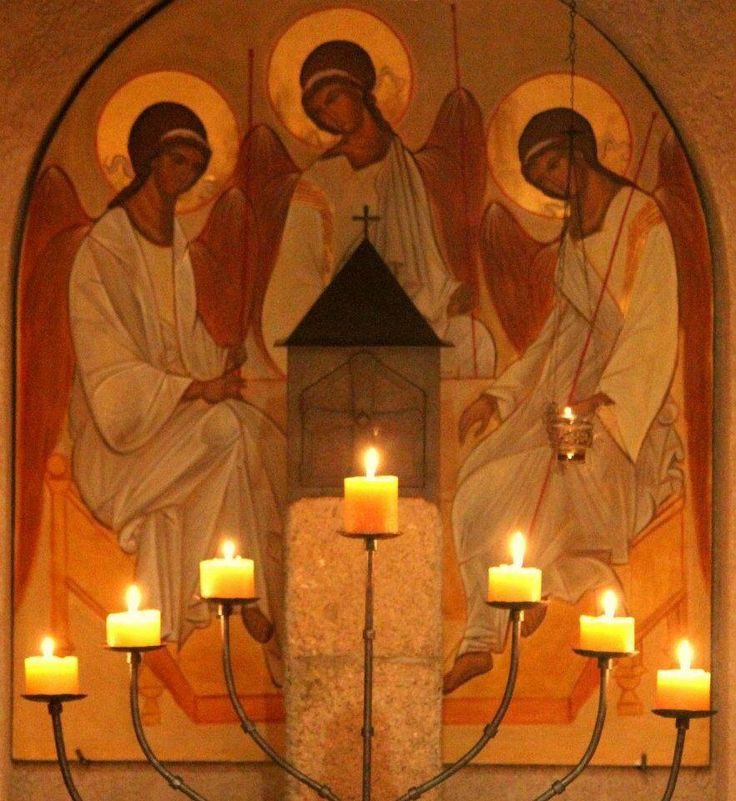
On Sunday after Pentecost, the Church celebrates the mystery of all mysteries, the Most Holy Trinity. Doubtless, this truth is most challenging to understand, let alone to explain. Yet, why does the Church insist on teaching this and even celebrate the mystery? Why doesn’t the Church teach something more straightforward than the mystery of the Trinity, and perhaps, the Church could have gained more followers?

The Church cannot change the teaching of the Holy Trinity. Why? It is the truth of the Gospel! Had the Church proclaimed watered-down versions of God, the Church would be in grave error and lose its identity as the Church founded by Christ. In fact, there have been attempts to change this mystery since the beginning of the Church’s history. Some theologians proposed that God is one, but He appeared in different modes when dealing with creation. He was the Father when He created the world, the Son when He saved it, and the Holy Spirit when He sanctified it. This teaching is traditionally called modalism. The Church rejected this teaching.

Another teaching says that the Father is the only God, while Jesus (and the Holy Spirit) are not divine, and thus there is no ‘Trinity’. One of the proponents of this view is Arius of Alexandria from the fourth century AD. He said that Jesus was not divine, but a created being gifted with superpowers. In his own words about Jesus, “There was time that he was not.” At that time, it was a huge controversy, and the simplicity of his teaching attracted a lot of people. The Church declared it a false teaching, and because of that, the Church had to endure persecution. Many faithful chose death rather than renounce the mystery of the Holy Trinity.

Why don’t we go for the simpler teaching of God? Why does the Church stand for the highly complex and difficult truth of the Holy Trinity? Simple teachings may be attractive and easy to accept, but it does not mean that more complex teachings are automatically false or irrelevant. For example, addition and subtraction are foundational and simplest in mathematics, but the same mathematics also contains complex algebra and geometry. Does it mean we can easily ignore algebra and dismiss it as false because it is too complex to understand? Certainly not! The truth does not change even if we do not like it or ignore it. The truth remains, even though we try to water it down.

For the Church, the mystery of the Holy Trinity is not just any truth but the truth of all truths and the mystery of all mysteries. In fact, it is the truth that saves. Studying mathematical truths can help us in building houses and, thus, improve our lives, so researching and living the ultimate reality, the mystery of the Trinity, can bring us closer and closer to eternal life. However, the opposite is also true. If we believe and teach the wrong understandings of our God, this may lead us astray and put our souls in a precarious situation. This is why we constantly believe, teach, and live the mystery of the Holy Trinity.

Rome

Valentinus Bayuhadi Ruseno, OP

Healing of the Blind Man and Baptism

4th Sunday of Lent [A]
April 19, 2023
John 9:1-41

There are seven signs (or miracles) in the Gospel of John. Naturally, the Church has recognized these seven miracles corresponds to the seven sacraments entrusted to her. The healing of the man born blind turns out to be the sign to the sacrament of Baptism. Since the basic theme of Lenten season is baptism, the Church does not hesitate to place this reading during this holy season. But, is true that this miracles is related to baptism? And how do we know?

The story begins with Jesus and disciples saw a poor blind man. Then, His disciples start to ask Him, ‘Rabbi, who sinned, this man or his parents, that he was born blind (John 9:2)?’ Jesus’ disciples believe that his sufferings are consequences of his personal sins, or at least his parents. Yet, Jesus immediately teaches them the truth. Jesus points out that neither blind man nor his parents have sinned to cause him blindness. Although sufferings and death are indeed related to sin, but the relation is not linear, but a mystery. The man does not commit personal sins, but he bears the consequence of sin. How is it possible?

The Church recognizes this condition as the original sin. Every descendant of Adam and Eve was born into the world as ‘enemies’ of God. Since we are in the womb of our mothers, we were ‘sinners’, not because we commit any personal sins, but because we are far from God and do not have a spiritual friendship with Him. Thus, because of the original sin, we are susceptible to various sufferings as well as struggling with concupiscence (check also my reflection two weeks ago).

How does Jesus heal this blind man? Jesus spats on the ground and makes clay with the saliva, and smears the clay on his eyes. Finally, He asks the blind man to wash himself with water. Why does Jesus perform such a weird and unhygienic treatment? Jesus performs what God did in the beginning: the creation of man. When God created Adam, He molded a soil of the ground. There is a Jewish tradition that says that God used His own saliva to make soil easier to form. Jesus does the same here. He is bringing the man with blindness into healing by ‘re-creating’ him. Then, the final healing takes place when the man wash himself with water.

What happens to the healed man, takes place also in every person during the baptism. What we see in our eyes is someone is washed with water, but spiritually, God is making us a new creation. All sins, both original and personal sins, are cleansed. Our souls are transformed into the likeness of Christ and are elevated into the adopted children of God. Thus, we call God our Father, not in the metaphorical sense, but in the real one.

Lastly, towards the end of the story, Jesus asks him, ‘Do you believe in the Son of Man?’ Eventually, the man professes his faith in Jesus and worships Him. Faith is integral part of baptism; whether we believe before the baptism (like in the case of adult baptism) or after baptism (in the case of infant baptism). However, baptism is just the beginning, and our faith must also grow.

We are not sure what the man does after the healing he received, but we may believe that he becomes Jesus’s disciple and follow Him. After baptism and initial faith in Jesus, the Church encourages us to continue our journey of holiness. We grow in faith through living in Christ, works of charity, and proper reception of other sacraments.

Rome
Valentinus Bayuhadi Ruseno, OP