

3rd Sunday of Easter [B]
April 14, 2024
Acts 3:13-15, 17-19
The first reading gives us St. Peter’s first preaching at the Pentecost. After the Holy Spirit descended upon the disciples, they began speaking about the great wonders God had performed in different languages. Some people who witnessed the event thought that they were drunk. However, St. Peter, as the leader of the apostles, denied this allegation and went further to preach the Gospel (see Acts 2). This was the first Gospel proclaimed by the Church. What is this Gospel, and what is its content?
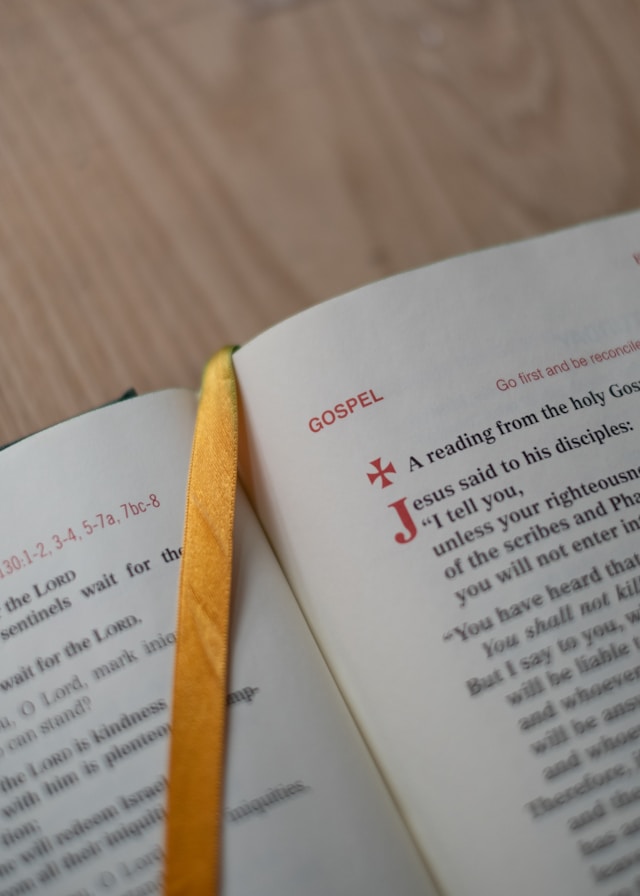
Gospel (εὐαγγέλιον, euangelion) originally refers to the imperial announcement of great news that affects many lives in the Roman empire, like the ascension of the new emperor or the major war victories. Jesus adopted the term as He proclaimed the ‘Gospel of God’ (see Mar 1:14). Then, guided by the Holy Spirit, the Church, through her leaders, especially Peter, embraced the same vocabulary in his preaching.
The Gospel that the primitive Church proclaimed focuses on Jesus and what God of Israel did to Him. Peter said that out of ignorance, some Jewish leaders handed Jesus to the Roman authority to be crucified. By doing that, the author of life was denied and put to death. Yet, God raised Him from the dead. Through this great twist of events, God has fulfilled what he had announced through the prophets. The summary of the Gospel is the death and resurrection of Jesus Christ as the fulfillment of God’s plan (see also 1 Cor 15:1-6).
Yet, the good news does not stop there. Though the Jews, the Romans, and all of us, through our sins, have a share in the death of Christ, it does not mean that we are all forever condemned. In fact, through His death and resurrection, He has brought the grace of salvation. Yet again, to make this grace effective in our lives, we must open ourselves and accept it. How to do that? St. Peter explicitly says, “Repent and be converted!”
‘I repent’ in Greek is ‘μετανοέω’ (metanoeo), and this word suggests a transformation (meta) of mindset (nous). While ‘I convert’ in Greek is ‘ἐπιστρέφω’ (epistrepho), and this verb indicates a physical movement of turning back or away. Therefore, two words point both to internal renewal and external manifestation of repentance. To believe in the Gospel is not enough to mentally say, “I accept Jesus Christ in my heart” or “I believe in His resurrection,” but we continue to live in our sinful ways. On the other hand, if we perform many services and attend many prayers but do not enthrone Jesus in our hearts, it is mere showoff or even narcissistic.
This is the Gospel that the Church preaches, and since we are part of the Church, we are also responsible for sharing and living the Gospel. We announce to our families, friends, neighbors, and indeed all people. Yet, the Gospel is never a burden but rather a proof of love. If we love our brothers and sisters, then we desire the best for them, that is their salvation. Thus, preaching the Gospel is necessary to offer them this gift of salvation.
Rome
Valentinus Bayuhadi Ruseno, OP
 In Medio Ecclesiae