
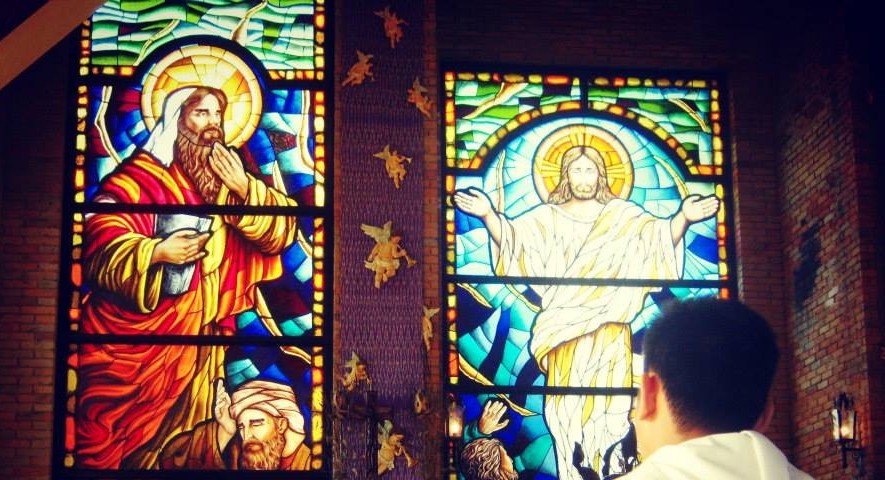

Christmas Eve. December 24, 2016. Luke 2:1-14
“She gave birth to her firstborn son. She wrapped him in swaddling clothes and laid him in a manger, because there was no room for them in the inn. (Luk 2:7)”
 The story of Nativity of Jesus Christ began with a great person in ancient time. He was Caesar Augustus. He was considered to be one of the greatest Roman Emperors because during his reign, he was able to establish peace and prosperity within his territory. The people adored him and worshiped him as the Savior and the Son of God. He was the hero of the ancient world, but fortunately, he was not the hero of Christmas.
From the great Roman world, we are brought to the small village Bethlehem. Here in this almost insignificant place, we meet the simple and poor couple from another small town, Nazareth in Galilee. They are Joseph, the righteous carpenter, and his expecting young wife, Mary. But, there is no room in the inn, perhaps because the inn is full of people, or because people do not want to receive the poor couple who might not be able to pay the rent. Consequently, Mary has to give birth at the place of animals and simply places her firstborn baby on the manger. This is the story of a lowly couple at the most wretched place on earth. Yet, this is actually our story of real Christmas.
Our salvation is not found in the strongest fortified palace, neither on riches nor prosperity. Our happiness lies in the most unlikely place: at the poor manger in the smallest town of Bethlehem. Our salvation comes not from the greatest emperor with his achievements and honor, but from a meek and defenseless baby. And this is the Good News of the first Christmas.
It is a good news for us because we can be truly happy even without all the new clothes, new gadgets, and all gifts coming from the Malls or shopping centers. It is a good news for us because we can be hopeful even if we are still struggling with so many problems in life, financial difficulties, health issues, relationship meltdowns, and more. God chooses to be born into the families torn by separations. Jesus is born inside war-torn places like in Aleppo in Syria and Mosul in Iraq. Christ is born in poor shanties, amidst the people who never taste an even decent Christmas Eve’s meal.
When Fr. Timothy Radcliffe, OP, former Master of the Order of Preachers, once visited the Dominican sisters in northern Rwanda. It was just after the civil war, generally between the Hutus and Tutsis. The place was frightening and anytime armed groups might ambush them. The sisters’ convent was also marked with bullets holes, sign of battle and skirmish. Inside the convent were the sisters, both the Hutus and Tutsis, and many have lost their family members during the war. Fr. Timothy was there on Christmas Eve, and despite the pain and fear, the entire community decided to celebrate the Eucharist and the birth of Christ together. In tears yet in joy, the baby was born among them and baby Jesus becomes the sign of hope for a better future.
Christmas shakes our belief in many Caesar we hold dearly, Caesar of wealth, Caesar of power, Caesar of fame. In Christmas, we are reminded that God became man and embraced all our limitations, our sorrow, and pains, and points to a future hope for all of us.
Br. Valentinus Bayuhadi Ruseno, OP

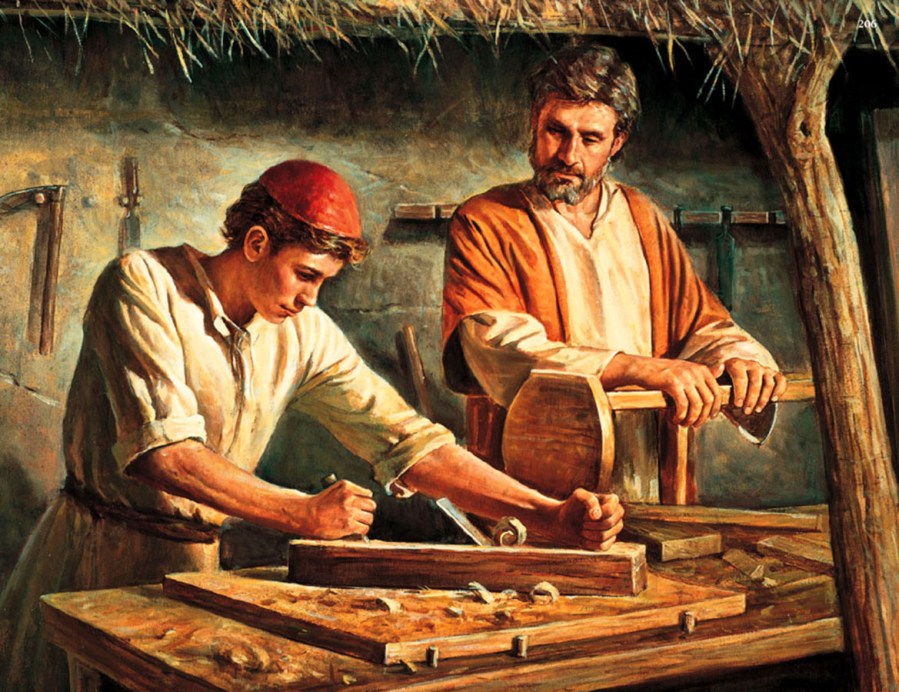
 If there is one important person in the life of Jesus, but gets very little attention, this person is no other than Joseph, Jesus’ foster father. He was absent in the Gospel of Mark. In John, he was mentioned only by name. In Luke, his presence was felt, but he was overshadowed by Mary and her unique mission. Only in Matthew, Joseph had a more active role in the beginning of Jesus’ life. Yet, again, he remained a voiceless character, and simply disappeared as Jesus began his mission. Still, Joseph had significantly influenced the life of Jesus.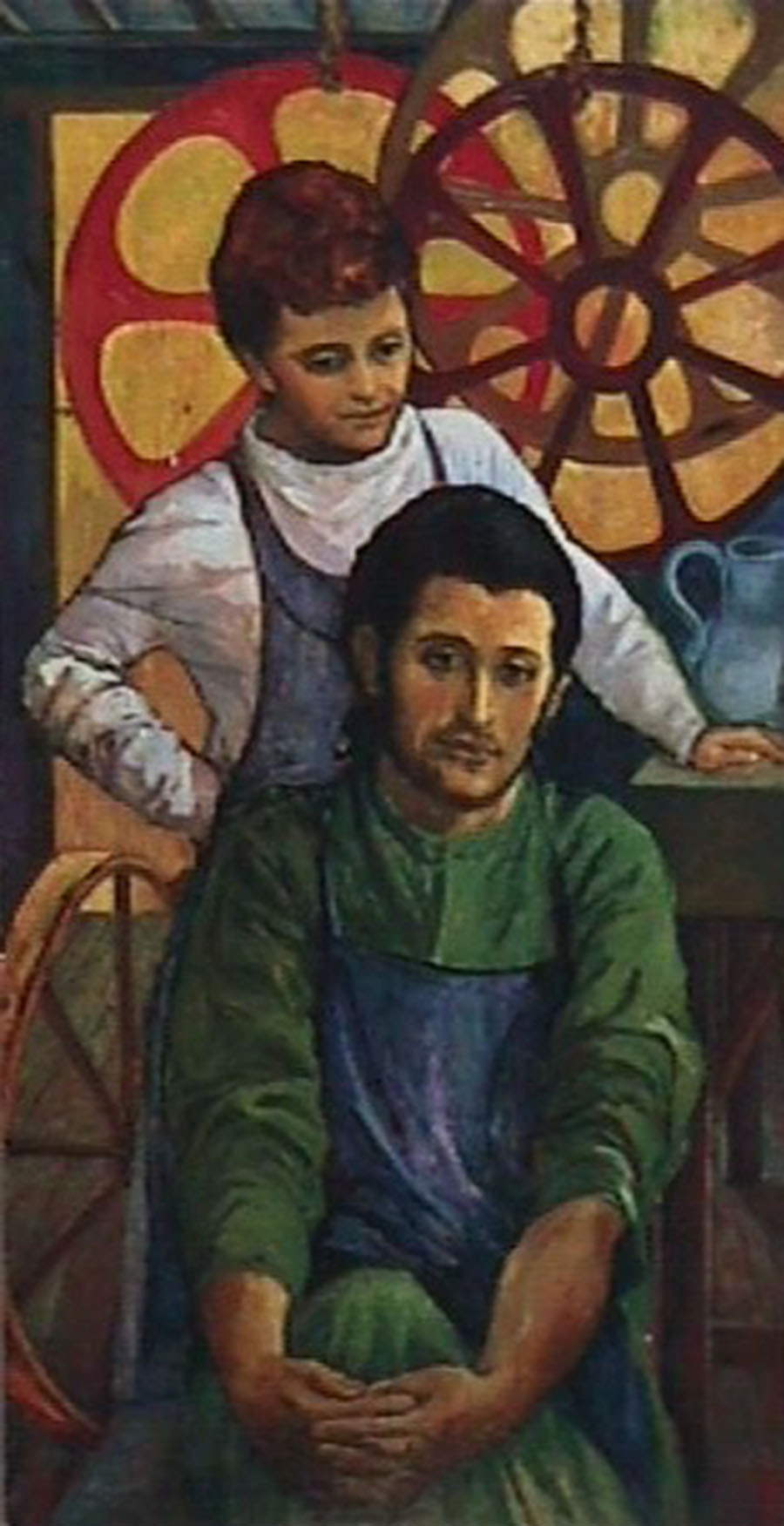
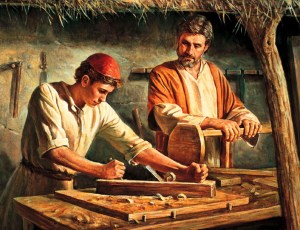 Jika ada satu orang penting dalam hidup Yesus, tetapi hanya mendapat sedikit perhatian, orang ini tidak lain adalah Yusuf, ayah angkat Yesus. Ia tidak disebut dalam Injil Markus. Dalam Injil Yohanes, hanya namanya yang muncul. Dalam Injil Lukas, kehadirannya mulai terasa, tapi Maria lebih mendapat perhatian. Hanya dalam Injil Matius, Yusuf memiliki peran yang lebih aktif pada awal hidup Yesus. Sayangnya, ia tetap karakter tak bersuara, dan akhirnya menghilang saat Yesus memulai karya-Nya. Namun, bukan berarti Yusuf tidak penting dalam membentuk karakter Yesus.
 The truth is born out of a conversation. Genuine conversation is coming from our ability to listen. And listening to one another is not easy because it presupposes great humility. The turning point of St. Dominic de Guzman, the founder of the Order of Preachers, was inside the pub. He had an overnight conversation with the innkeeper, an Albigensian whose religion denied the goodness of creation. This long yet open dialogue did not only bring the innkeeper back to the Catholic faith, but also led Dominic to discover his mission in life. This encounter revealed the truth both for the innkeeper and Dominic.

 Why did many people come to John the Baptist and listen to him? I believe that the Jewish people hungered for the truth. It might be an inconvenient and hurtful truth, but they longed to hear it. They were tired of listening to their leaders, like the Pharisees and the Sadducees, who were not honest but were living in hypocrisy. They were exhausted by numerous religious obligations but did not find any inspiration and a good example from their leaders. John came and preached to them the truth with simplicity and integrity, and the Israelites knew that they had to hear him.
 Mengapa banyak orang datang menemui Yohanes Pembaptis dan mendengarkan dia? Saya percaya bahwa orang-orang Yahudi ini lapar akan kebenaran. Mungkin kebenaran ini tidak nyaman dan menyakitkan untuk didengar, tetapi mereka ingin dan perlu mendengarkannya. Mereka bosan mendengarkan pemimpin mereka, seperti orang-orang Farisi dan Saduki, yang tidak jujur dan hidup dalam kemunafikan. Mereka kelelahan oleh banyak kewajiban agama, namun tidak menemukan inspirasi dan contoh yang baik dari pemimpin mereka. Yohanes datang dan mewartakan kebenaran dengan kesederhanaan dan integritas, dan orang Israel tahu bahwa mereka harus mendengarnya.
 We are entering the Season of Advent. This season marks the beginning of the new Church’s liturgical year as well as of the four Sundays preparation for Christmas. Advent is from the Latin word ‘Adventus’ meaning ‘arrival’, and thus, this season prepares us for the coming of Christ.
 Kita memasuki masa Adven. Masa ini menandai awal tahun liturgi Gereja yang baru dan juga empat Minggu persiapan Natal. Adven berasal dari kata Latin ‘adventus’ yang berarti ‘kedatangan’, dengan demikian, masa ini mempersiapkan kita untuk kedatangan Kristus.
 In Medio Ecclesiae