


Tag: Faith
The Temple
33rd Sunday in Ordinary Time [November 13, 2016] Luke 21:5-19
“All that you see here– the days will come when there will not be left a stone upon another stone that will not be thrown down. (Luk 21:6)”
 In many other ancient religions, temple was a sacred place. It is holy because their gods or goddesses chose to make their dwelling place and they may serve and worship their gods there. Thus, many cultic rituals in honor of their gods like animal sacrifices and prayers took place in the temples. The temple became the visible signs of the divine presence among the people. Zeus was felt alive in his temple in Mount Olympus, or the gods of Rome were present in the Pantheon.
The Israelites incorporated the mindset and they built their own temples for the God of Israel. Initially, they had several major temples like in Bethel (see Gen 35:1), Shiloh (see Jos 18:1), and Shechem (see Gen 12:6). Yet, when David and Solomon tried to consolidate tribes of Israel into one unified nation, the worship of Yahweh then was centralized at the temple of Jerusalem. Eventually, the Temple of Jerusalem became the only temple in land of Israel.
In the center of this temple, there was the most sacred ground called the Holy of Holiest. One day a year, only a high priest may enter this space and offer the sacrifice. Jesus himself called the Temple as His Father’s place. It is the house of the Lord and there, the tribes have come, the tribes of the LORD (Psa 122:4). In the time of Jesus, the Temple had been structurally enhanced and richly adorned by King Herod the Great. Not only the holiest site for the Jewish, but perhaps it was the most beautiful edifice in Jerusalem. Because of its beauty, importance and sacredness, people of Israel thought it was indestructible.
However, Jesus prophesied that this magnificent Temple would be destroyed. Jews who honored the Temple would be shocked and scandalized. To say bad against the Temple meant to say bad against the Lord who dwelt in it. No wonder Jesus was accused of blasphemy and indeed this was one of the accusations against Jesus during His persecution. Jesus was then crucified, and in 70 AD, forty years after Christ died, the Temple would follow the same fate. The Roman soldiers under Titus captured Jerusalem and destroyed the Temple. Jesus’ prophesy turned to be a reality. What remains to the present day is the West Wall of the Temple, known also as the Wailing Wall.
Then we may ask ourselves: What is our Temple? What becomes the symbol of the presence and blessing of God in our lives? What part of our lives that we think so important and indestructible? Are these our achievements, success, wealth or status and title in life? Are these our families, friendships and even our religious practices? Yet, all these things are not indestructible.
Indeed, the Temple of Jerusalem was destroyed, but it did not mean God was lost also. True that sacred Temple was associated with the Most High, but temple was not God. When Jesus was murdered, the disciples thought it was the end, but they were wrong. It was rather the end of their false expectations and ideas of Jesus. Even God would allow the greatest symbol of our God in our lives to be destroyed, it does not mean our God is lost. It means that He calls us to reorient our lives not to ourselves but to Him, to come into a truer and deeper relationship with Him.
Br. Valentinus Bayuhadi Ruseno, OP
Bait Allah
Minggu dalam Pekan Biasa ke-33 [13 November 2016] Lukas 21:5-19
“Apa yang kamu lihat di situ akan datang harinya di mana tidak ada satu batupun akan dibiarkan terletak di atas batu yang lain; semuanya akan diruntuhkan (Luk 21:6)”
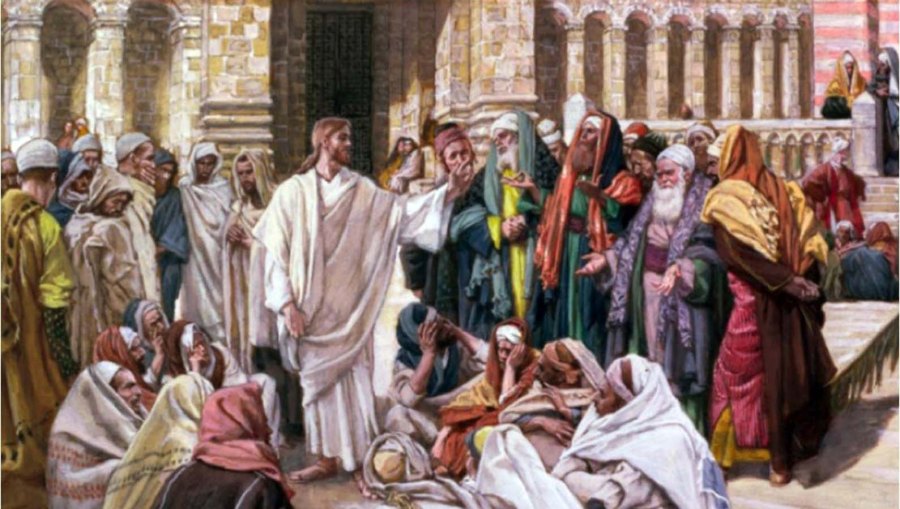
 Dalam banyak agama-agama kuno, kuil adalah tempat suci. Hal ini karena dewa atau dewi mereka dianggap tinggal di sana dan orang-orang pun bisa melayani dan menyembah dewa-dewa mereka di kuil-kuil ini. Dengan demikian, banyak ritual kultus untuk menghormati dewa-dewa mereka berlangsung di kuil-kuil ini. Kuil ini menjadi tanda yang kasat mata dari kehadiran ilahi di antara manusia. Zeus terasa hidup di kuilnya di Gunung Olympus, atau dewa-dewi Roma terasa hadir di Pantheon.
Israel mengadopsi pola pikir yang hampir sama dan mereka membangun kuil-kuil mereka sendiri untuk Allah Israel. Bedanya tentunya adalah mereka tidak menyembah berhala, tetapi Allah yang benar. Awalnya, mereka memiliki beberapa kuil besar seperti di Bethel (lih. Kej 35: 1), Shiloh (lih. Yos 18: 1), dan Sikhem (lih. Kej 12:6). Namun, ketika Daud dan Salomo mencoba untuk mengkonsolidasikan suku-suku Israel menjadi satu bangsa yang bersatu, penyembahan Yahweh kemudian dipusatkan di kuil atau Bait Allah di Yerusalem. Akhirnya, Bait Yerusalem menjadi satu-satunya kuil di tanah Israel.
Di pusat Bait ini, ada tempat yang paling sakral bagi bangsa Yahudi yakni tempat Maha Kudus. Sekali setahun, hanya imam besar dapat masuk ke tempat ini dan mempersembahkan korban perdamaian bagi bangsa Israel. Yesus sendiri menyebut Bait Allah sebagai tempat Bapa-Nya. Tidak salah jika sang pemazmur bermadah bahwa ini adalah rumah Tuhan dan ke sana, suku-suku Israel datang, suku-suku-Nya Tuhan (Mzm 122: 4). Di zaman Yesus, Bait Allah telah secara struktural direnovasi dan dihiasi oleh Raja Herodes Agung. Tidak hanya ini menjadi situs paling suci bagi orang Yahudi, tapi mungkin ini adalah bangunan paling indah di Yerusalem. Karena keindahannya, pentingnya dan kesuciannya, orang Israel selalu berpikir bahwa Bait Allah tidak terhancurkan.
Namun, Yesus bernubuat bahwa Bait Allah yang megah inipun akan dihancurkan. Orang-orang Yahudi yang menghormati Bait Allah tentunya terkejut. Untuk mengatakan sesuatu yang buruk terhadap Bait Allah sama saja dengan mengatakan hal buruk terhadap Tuhan sendiri yang tinggal di dalamnya. Tidak heran Yesus pun dituduh telah menghujat Allah, dan memang ini adalah salah satu tuduhan terhadap Yesus saat Ia dianiaya oleh penguasa Yahudi. Yesus kemudian disalibkan, dan pada tahun 70 Masehi, empat puluh tahun setelah Kristus meninggal, Bait Allah pun mengikuti nasib yang serupa dengan Yesus. Para prajurit Romawi di bawah jendral Titus merebut Yerusalem dan menghancurkan Bait Allah. Nubuat Yesus berubah menjadi kenyataan. Apa yang masih hari ini adalah Tembok bagian Barat dari Bait Allah, yang dikenal juga sebagai Tembok Ratapan.
Maka kita mungkin bertanya pada diri sendiri: Apakah kuil atau bait suci kita? Apa yang menjadi simbol kehadiran dan berkat Allah dalam hidup kita? Apa bagian dari hidup kita, yang kita berpikir, sangat penting dan tidak bisa dihancurkan? Apakah ini prestasi, kesuksesan, kekayaan kita atau status dan gelar dalam hidup kita? Apakah ini kita keluarga, persahabatan dan bahkan praktik-praktik keagamaan kita? Namun, semua hal ini bisa dihancurkan dalam seketika.
Memang, Bait Allah Yerusalem telah dihancurkan, tapi itu tidak berarti Tuhan juga hilang. Benar, Bait Allah selalu dikaitkan dengan Yang Mahatinggi, tetapi sebuah kuil atau Bait Allah ini bukanlah Allah itu sendiri. Ketika Yesus disalibkan, para murid berpikir bahwa ini adalah akhir dari segalanya, tetapi mereka salah. Yang berakhir adalah ekspektasi-ekspektasi semu mereka dan ide-ide yang salah tentang Yesus. Sungguh, Tuhan akan membiarkan simbol terbesar dari diri-Nya dalam hidup kita untuk dihancurkan, itu tidak berarti Tuhan kita hilang. Ini berarti bahwa Dia memanggil kita untuk mengatur kembali kehidupan kita, mencari sekali lagi yang paling penting dalam hidup, untuk tidak memuja diri kita sendiri tetapi Dia, Allah yang hidup, dan untuk menjalin hubungan yang lebih benar dan lebih dalam dengan-Nya.
Frater Valentinus Bayuhadi Ruseno, OP

Our God: the God of the Living
32nd Sunday in Ordinary Time. November 6, 2016 [Luke 20:27-38]
“He is not God of the dead, but of the living, for to him all are alive.” (Luk 20:38)
 The month of November is dedicated to honor all the saints in heaven as well as to pray for the souls in the purgatory. It begins with the celebration of All Saints’ Day on November 1 and the commemoration of the All Souls Day on November 2. We, the Dominicans, celebrate the all Dominican Saints on November 7 and pray for the souls of our Dominican family on November 8. This Church’s celebration traces its origin to Pope Boniface IV in the 7th century, yet its roots go deeper into Jesus Christ Himself.
In today’s Gospel, Jesus affirmed the truth of the resurrection of the dead. This truth presupposes that life is not ended in death but transformed. There is hope after this earthly sojourn. The probable context behind this verse is that of Jesus’ critique of the Sadducees’ unbelief as well as the pagan belief of the realm of the dead. During those times, ancient civilizations worshiped the gods of death more than other gods because they feared the power of death that could destroy life and bring human existence to nothing. The Greeks had Hades, the Romans worshiped Pluto and the Egyptians honored Osiris. Yet, Jesus revealed fundamentally a different truth: Our God is not God of the dead, but God of the living. He still gives us life despite our physical death. This means that we are not mere afterlife disposable garbage or useless souls wandering on earth. We are loved even if we are no longer here on earth. Thus when Jesus commanded us to love one another, this love is not only for our Christian fellows who are still alive, but also for our brothers and sisters who have gone ahead of us.
In ancient Roman tradition, the cemetery was located far away from the cities. These were called necropolis, literally the city of the dead, because the dead had nothing to do anymore with the living. Yet, early Christians opted to do their liturgy inside the catacomb, the underground cemetery. True, it was a hiding place from the Roman authority who persecuted the early Christians, but it was also reflected their faith that they were actually praying for and with the dead brothers and sisters. In many churches, the burial ground was within the same complex. Even in our place in Manila, the burial place of the departed Dominican brothers and priests is just beside our seminary. Their permanent rest place is just a few meters away from our temporary rest place! This proximity reminds us of the bond of brotherhood and love among us. We are reminded to pray for them and to imitate them who were faithful until death. We are reminded, too, that they also pray for us from heaven.
Following the teaching of Jesus, the Church believes that those who are no longer with us, are still part of the Church. Those in heaven are members of the Church triumphant; those in purgatory belong to the Church suffering, and we here on earth are part of the Church militant. Yet, all are one of the same Church, profess the same faith, and worship the same God. Since all are members of the body of Christ, we are united closely in Christ and His love. Thus, it is proper for us to manifest our love for our departed brothers and sister through our prayers and they help us in prayer and intercessions.
Br. Valentinus Bayuhadi Ruseno, OP

Allah Kita: Allah Orang-Orang yang Hidup
Minggu dalam Pekan Biasa ke-32. [6 November 2016] Lukas 20: 27-38
“Ia bukan Allah orang mati, melainkan Allah orang hidup, sebab di hadapan Dia semua orang hidup.”(Luk 20:36)
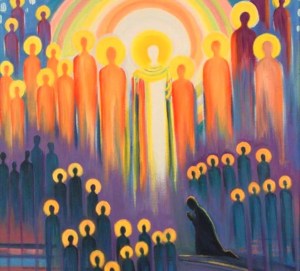 Bulan November didedikasikan sebagai bulan para kudus di surga dan juga bagi jiwa-jiwa di api penyucian. Bulan ini dimulai dengan Hari Raya Semua Orang Kudus pada tanggal 1 November dan peringatan jiwa-jiwa orang-orang beriman pada 2 November. Kita, keluarga Dominikan, merayakan hari raya semua orang kudus Dominikan pada 7 November dan bagi jiwa-jiwa keluarga Dominikan pada 8 November. Perayaan besar Gereja ini bermula kepada Paus Bonifasius IV di abad ke-7, namun akarnya sebenarnya ada pada Tuhan Yesus Kristus sendiri.
Dalam Injil hari ini, Yesus menegaskan kebenaran kebangkitan orang-orang yang telah meninggal. Kebenaran ini menyatakan bahwa kehidupan tidak berakhir dengan kematian, tetapi dirubah. Mungkin latar belakang dari Injil hari ini adalah kritik Yesus terhadap para Saduki yang tidak percaya akan kebangkitan dan juga kepada mereka yang menyembah dewa-dewa penguasa dunia orang mati. Di banyak peradaban kuno, banyak orang menyembah dewa-dewa kematian karena mereka takut kuasa maut yang bisa menghancurkan kehidupan dan menghapus eksistensi manusia dengan seketika. Orang-orang Yunani memiliki Hades, orang-orang Romawi menyembah Pluto dan orang-orang Mesir menghormati Osiris. Namun, Yesus mengungkapkan kebenaran fundamental yang berbeda: Allah kita bukanlah Allah orang-orang mati, tetapi orang-orang hidup. Allah kita tetap memberikan kehidupan kepada kita meskipun kematian fisik yang kita alami. Ini berarti bahwa kita bukanlah sekedar manusia-manusia yang menunggu kematian dan keputusasaan. Kita dikasihi bahkan saat kita tidak lagi hidup di dunia ini. Lalu, ketika Yesus memerintahkan kita untuk saling mengasihi satu dengan yang lainnya, kasih ini bukan hanya untuk sesama kita yang masih hidup, tetapi juga untuk saudara-saudari kita yang telah mendahului kita.
Dalam tradisi Romawi kuno, pemakaman terletak jauh dari kota. Mereka menyebutnya sebagai ‘necropolis’, secara harfiah kota orang-orang mati, karena orang mati tidak ada hubungannya lagi dengan yang hidup. Namun, umat beriman awal memilih untuk melakukan liturgi mereka di dalam katakombe, atau pemakaman bawah tanah. Benar, itu adalah tempat persembunyian dari otoritas Romawi yang menganiaya umat beriman, tetapi juga berasal dari iman mereka bahwa mereka benar-benar berdoa untuk dan dengan saudara-saudari yang telah meninggal. Di banyak gereja, tanah pemakaman berada di dalam kompleks gereja. Bahkan di tempat kita di Manila, tempat pemakaman para romo dan bruder Dominikan tepat di samping seminari kita. Tempat istirahat permanen mereka hanya beberapa meter dari tempat istirahat sementara kami! Kedekatan ini mengingatkan kami akan ikatan persaudaraan dan kasih di antara kami. Kita diingatkan untuk berdoa bagi mereka dan meneladani mereka yang setia sampai mati, dan mereka juga berdoa untuk kita dari surga.
Mengikuti ajaran Yesus, Gereja percaya bahwa mereka yang tidak lagi bersama kita, masih bagian dari Gereja. Bagi mereka yang di surga adalah anggota dari Gereja yang mulia, mereka di api penyucian adalah bagian dari Gereja yang menderita, dan kita di bumi ini merupakan bagian dari Gereja yang berziarah. Namun, semua adalah Gereja yang satu dan sama, mengakui iman yang sama, dan menyembah Tuhan yang sama. Karena semua adalah anggota dari tubuh Kristus, kita bersatu erat dalam Kristus dan kasih-Nya. Dengan demikian, sudah selayaknya bagi kita untuk mengasihi saudara-saudari kita yang telah mendahului kita melalui doa-doa kita, dan kita percaya mereka yang di surga terus membantu kita dalam doa mereka.
Frater Valentinus Bayuhadi Ruseno, OP

When Jesus Sees Us…
31st Sunday in the Ordinary Time. October 30, 2016 [Luke 19:1-10]
“Zacchaeus, come down quickly, for today I must stay at your house.” (Luk 19:5)

A true encounter with Jesus brings real and joyful transformation in Zacchaeus. In our Gospel today, we read that Zacchaeus had no intention to invite Jesus to stay at his house, let alone to reform his life. After performing a lot of miracles and down-to-earth preaching, Jesus was like a rock-star, and everyone, including Zacchaeus, was excited to see Jesus. Yet, he was rather short in stature and the taller guys prevented him to get a glimpse of Jesus. Zaccheus was persistent and he decided to climb the sycamore tree.
Yet, when Jesus saw him, He called his name and wanted to stay at his house. Zacchaeus was overwhelmed. He was deeply touched by that unexpected yet meaningful gesture and this brought transformation in Zacchaeus. One of the splendid signs of his conversion was that his generosity took the better side of him. From taking advantage of the poor, he returned back to them abundantly what he has taken. More importantly, he generously gave himself to Jesus as he welcomed Him at his house and life.
However, the transformation did not only take place in Zacchaeus. It also happened in Jesus. He was in his journey to Jerusalem, to face His final hours on earth. Jericho was a major town that was not far from Jerusalem, and thus, travelers and pilgrims to Jerusalem would make a short stop in Jericho. Looking closely at the text, we discover that the original intention of Jesus was to pass through Jericho. He did not plan to stay in Jericho, but when He saw Zacchaeus, He changed His itinerary. What made Jesus change his plan?
Being a tax collector, Zacchaeus was a public sinner. Being tax collector, he was exposed to malpractices and corruptions, and he was also considered a collaborator of the Roman Empire, the enemy of Jews. Not only an ordinary tax collector, he was the chief, and certainly all eyes in Jericho gazed upon him with disdain. His short stature might not only mean a biological limitation, but also symbolized his status in society. But, Jesus was able to see into the depth of Zacchaeus’ soul and find his true identity, the son of Abraham. Despite sins and weaknesses, Jesus was able to see that beautiful image of God in Zacchaeus.
Jesus’ transformation even went beyond any expectation. He also wanted to dwell in Zaccheus’ place. In Jewish society and even in many other, a righteous Jew would avoid contact with sinners, fearing that he would become impure. But, Jesus defied the practice, and wanted to share the same meal from the same table under the same roof with Zacchaeus. By entering his house and eating together with him, Jesus showed everyone that He had mercy, and wanted to be part of the life of Zacchaeus. Only when Jesus expressed His mercy and care to him, did Zacchaeus begun his own transformation.
Encounter with Jesus changes us, but this encounter with us changes Jesus first. Our God is not a passive God who sits at his throne waiting for people to come and worship Him. He takes the initiative and embraces us first in a way that we never expected. When He sees us, He discovers His image, that image that was in us ever since the creation of the world. Despite we being buried in sins and weaknesses, Jesus never loses sight of this beauty. And just like Bruno Mars, Jesus simply says, “You are so amazing, just the way you are.” Now, it is up to us to either shun His invitation or welcome Him in our home and let His presence transform us.
Br. Valentinus Bayuhadi Ruseno, OP
Saat Yesus Melihat Kita…
Minggu ke-31 pada Pekan Biasa. 30 Oktober 2016 [Lukas 19: 1-10]
“Zakheus, segeralah turun, sebab hari ini Aku harus menumpang di rumahmu.” (Luk 19:5)

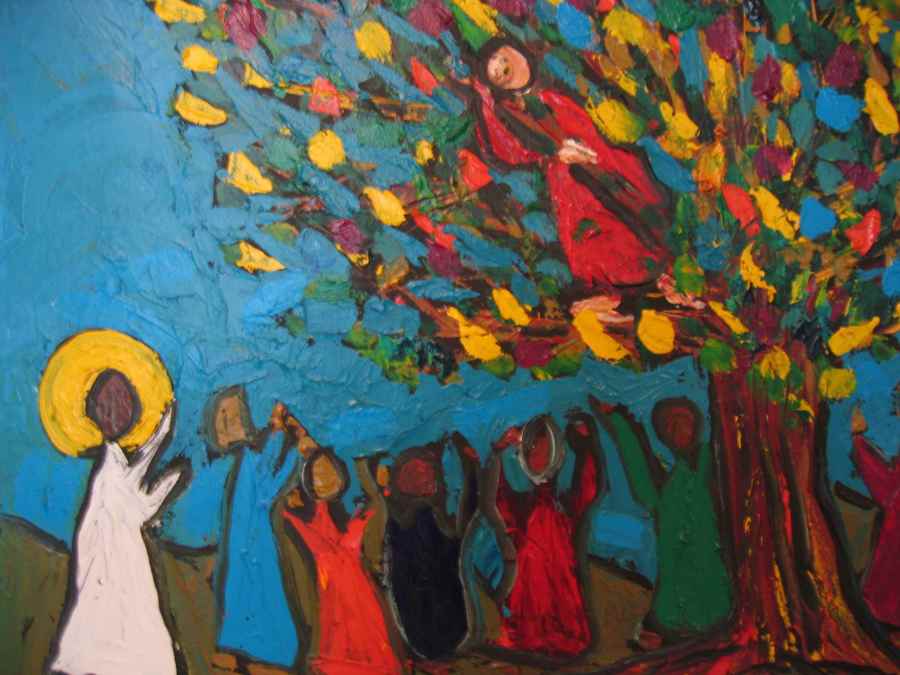
Pertemuan dengan Yesus membawa transformasi nyata bagi Zakheus. Dalam Injil hari ini, kita membaca bahwa Zakheus sebenarnya tidak berniat untuk bawa Yesus untuk tinggal di rumahnya, apalagi untuk mereformasi hidupnya. Setelah melakukan banyak mujizat, Yesus telah menjadi sensasi bagi bangsa Yahudi, dan banyak orang, termasuk Zakheus, bersemangat untuk melihat Yesus yang melintas di tengah kota. Namun, ia bertubuh pendek dan orang-orang yang lebih tinggi menghalangi dia. Zakheus ternyata cukup gigih dan ia memutuskan untuk memanjat pohon ara.
Namun, ketika Yesus melihat Zakheus, Dia memanggil namanya dan juga ingin tinggal di rumahnya. Zakheus pun sangat tersentuh oleh aksi yang tak terduga namun sungguh bermakna dari Yesus. Inipun membawa transformasi dalam diri Zakheus. Salah satu tanda-tanda nyata pertobatannya adalah ia menjadi sangat murah hati. Dulu dia mengambil keuntungan dari orang miskin, sekarang dia berikan kembali kepada mereka yang miskin dengan berlimpah. Lebih penting lagi, dengan murah hati ia menyerahkan dirinya kepada Yesus saat ia menyambut Dia di rumah dan hidupnya.
Namun, transformasi tidak hanya terjadi pada Zakheus. Hal ini juga terjadi di dalam diri Yesus. Dia sebenarnya berjalan menuju Yerusalem untuk menghadapi sengsara dan wafat-Nya. Yerikho adalah sebuah kota yang tidak jauh dari Yerusalem, dan dengan demikian, para peziarah akan melewati Yerikho dan beristirahat sejenak. Mencermati teks, kita menemukan bahwa maksud awal Yesus adalah sekedar melewati Yerikho. Dia tidak berencana untuk tinggal lama di Yerikho. Namun, ketika ia melihat Zakheus, dia mengubah rencana-Nya. Apa yang membuat Yesus mengubah rencana-Nya?
Menjadi seorang pemungut cukai, Zakheus dinilai sebagai pendosa publik. Menjadi pemungut cukai, ia terlibat dalam malapraktek pajak dan korupsi, dan dia juga dianggap sebagai kolaborator Kekaisaran Romawi, musuh dari orang Yahudi. Tidak hanya, seorang pemungut cukai biasa, ia adalah sang kepala, dan tentu semua mata di Yerikho menatapnya dengan kebencian. perawakannya yang pendek mungkin tidak hanya berarti batasan biologis, tetapi juga melambangkan statusnya dalam masyarakat. Tapi, Yesus mampu melihat ke kedalaman jiwa Zakheus dan menemukan jati dirinya yang sejati. Meskipun tertutup dosa dan kelemahan, Yesus dapat melihat citra Allah yang indah dalam Zakheus.
Yesus tidak hanya memanggil Zakheus. Dia juga ingin tinggal di tempat Zakheus. Dalam masyarakat Yahudi, seorang Yahudi yang baik akan menghindari kontak dengan orang-orang berdosa, karena takut ia akan tercemar. Tapi, Yesus menentang praktek ini, dan justru berbagi makanan yang sama dari meja yang sama di bawah atap yang sama dengan Zakheus. Dengan masuk ke rumahnya dan makan bersama-sama dengan dia, Yesus menunjukkan semua orang bahwa Dia memiliki belas kasih, dan ingin menjadi bagian dari kehidupan Zakheus. Hanya ketika Yesus menyatakan kasih-Nya, Zakheus mulai mengubah dirinya.
Perjumpaan dengan Yesus mengubah kita, tapi pertemuan ini juga mengubah Yesus lebih dahulu. Allah kita bukanlah Allah yang pasif, yang duduk di takhtanya menunggu orang untuk datang dan menyembah-Nya. Dia mengambil inisiatif dan memeluk kita lebih dahulu dengan cara yang tak pernah kita dibayangkan. Ketika Dia melihat kita, Ia menemukan citra-Nya, dan ini adalah citra Allah yang ada sejak penciptaan. Meskipun terkubur dalam dosa dan kelemahan, Yesus tidak pernah kehilangan pandangan dari keindahan ini. Yesus berani mengubah rencana-Nya untuk kita, apakah kita berani juga untuk mengubah rencana kita untuk Dia?
Frater Valentinus Bayuhadi Ruseno, OP
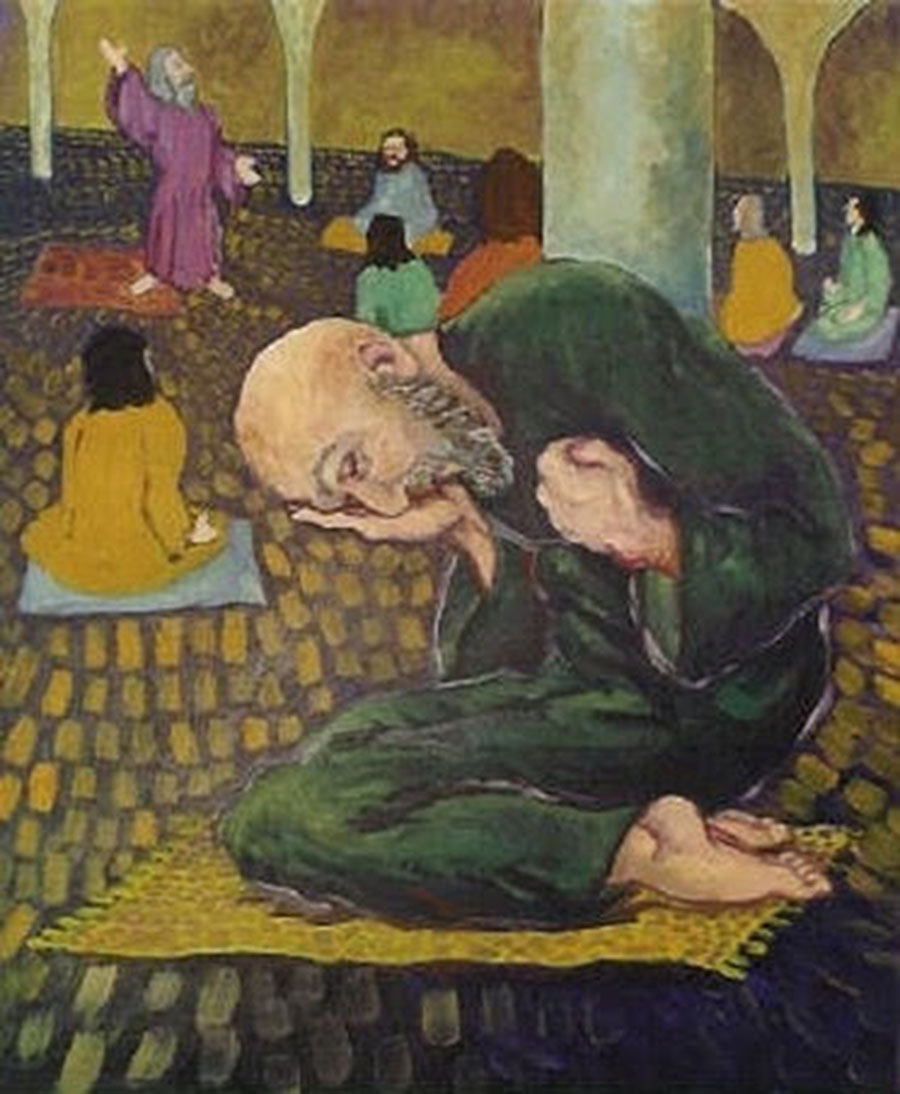
Our Prayer, True Prayer?
30th Sunday in the Ordinary Time. October 23, 2016 [Luke 18:9-14]
The Pharisee took up his position and spoke this prayer to himself, ‘O God, I thank you…” (Luk 18:11)
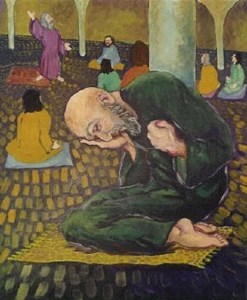 Last Sunday, Jesus reminded us to pray without getting weary. But, in today’s Gospel, Jesus tells us that there is something more than perseverance in prayer. It has something to do with the way we pray. Not only quantity of prayer, but also the quality of prayer. Yet, how do we know that we have a quality prayer?
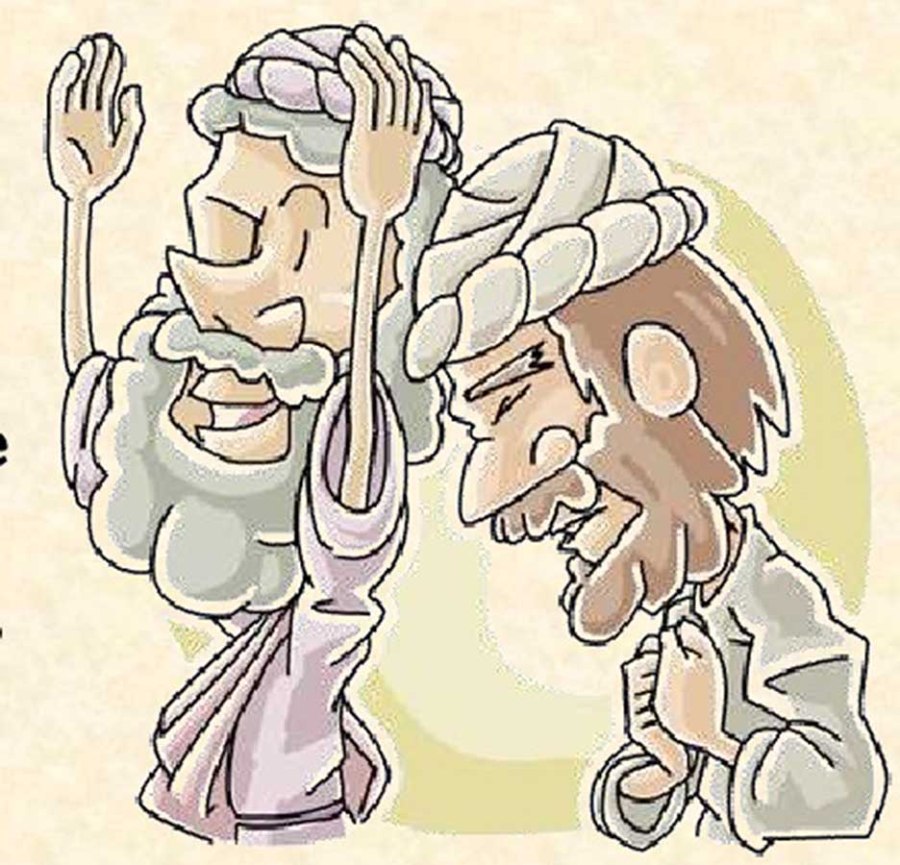
Once I stumbled upon a Facebook post, and it said, “Pray not because you need something, but because you got a lot to thank God for.” True enough, everything I have is God’s gift. I am nothing without Him, and it is fitting to thank Him. In fact, the highest form of worship in the Church is the Eucharist. The word Eucharist simply means thanksgiving. I liked the post right away. However, when I read the parable in today’s Gospel, I realized that even the Pharisee did a thanksgiving prayer. In fact, in original Greek, when the Pharisee thanked God, he used the word ‘eucharisto’, the root word of the Eucharist. On the other hand, the tax collector was justified because he was asking mercy and forgiveness. Does it mean prayer of supplication and begging for mercy is better and more effective than the prayer of thanksgiving and other kinds of prayer?
Yet, if we read closely, there are some interesting details in the Parable. The first is that the Pharisee expressed his self-righteousness, paraded his good works, and felt better from the rest of humanity, especially the tax collector. Meanwhile the tax collector did nothing but humble himself, acknowledging that he was a sinner and in need of God’s mercy. Thus, prayer needs a right disposition. Humility is the foundation of prayer. Indeed, repentant David himself said, “My sacrifice, God, is a broken spirit; God, do not spurn a broken, humbled heart. (Psa 51:17)”
The second detail that we often miss is that the Pharisee was actually praying to himself, not to God (see closely verse 11). True that he mentioned God, but he was talking to himself. He offered prayer to himself not to God. If then prayer is our communication with God, the Pharisee nullified the very meaning of prayer. Perhaps, by mentioning God, he wanted God to be his audience and to listen to the litany of his successes, not really to build a relationship. Certainly, it felt good and edifying, but this was not prayer. What the Pharisee did was not a prayer at all, but a self-praise and self-service.
We may hear the Holy Eucharist every day, recite the Liturgy of the Hours faithfully, and pray the rosary. We may also join the Charismatic prayer meetings or the praise and worship. We may also attend the Latin Traditional Mass, or just simply spend silent prayer or meditation. Yet, from the parable, we may ask ourselves, whether our prayers are a true prayer? Do we pray because we feel great about it? Do we pray because we are proud of our achievements? Do we pray because we are more pious than others? Does our pray make us closer to God or just to ourselves? Is humility the foundation of our prayer? Our prayer should be a quantity and quality prayer. We pray with perseverance and proper disposition. But more than these, our prayer should be a true prayer.
Br. Valentinus Bayuhadi Ruseno, OP
Doa yang Benar?
Minggu di Pekan Biasa ke-30 [23 Oktober 2016] Lukas 18: 9-14
“Orang Farisi itu berdiri dan berdoa kepada dirinya sendiri, begini, ‘Ya Allah, aku mengucap syukur kepada-Mu ,..” (Luk 18:11)
Minggu lalu, Yesus mengingatkan kita untuk berdoa tanpa lelah. Tapi, dalam Injil hari ini, Yesus mengatakan bahwa ada sesuatu yang lebih penting dari ketekunan dalam doa. Ini ada hubungannya dengan cara kita berdoa. Tidak hanya kuantitas, tetapi juga kualitas. Namun, bagaimana kita tahu bahwa kita memiliki doa yang berkualitas?
Suatu hari, saya menemukan sebuah postingan Facebook yang bertuliskan, “Berdoalah bukan karena kamu membutuhkan sesuatu, tetapi karena kamu punya banyak hal yang perlu kamu syukuri.” Benar, semua yang saya miliki adalah karunia Allah. Saya bukan apa-apa tanpa Dia, dan sudah layak dan sepantasnya bersyukur kepada-Nya. Bahkan, bentuk ibadah tertinggi di Gereja adalah Ekaristi. Kata Ekaristi sebenarnya berarti ‘syukur’. Saya pun me-like postingan tersebut. Namun, ketika saya membaca perumpamaan dalam Injil hari ini, saya menyadari bahwa orang Farisi pun melakukan doa syukur. Bahkan, dalam bahasa Yunani, Ketika orang Farisi bersyukur, ia menggunakan kata ‘eucharisto’, akar kata dari Ekaristi. Sementara pemungut cukai dibenarkan karena ia memohon belas kasihan dan pengampunan. Apakah ini berarti doa permohonan lebih baik dan lebih efektif daripada doa syukur dan doa-doa jenis lainnya?
Namun, jika kita membaca dengan cermat, ada beberapa detail yang menarik dalam Perumpamaan ini. Yang pertama adalah orang Farisi berdoa sebagai pembenaran diri, menunjukkan perbuatan baiknya, dan merasa lebih baik dari yang lain, terutama pemungut cukai. Farisi sudah merasa diri benar, oleh karenanya ia tidak lagi membutuhkan pembenaran dari Allah. Sedangkan, pemungut cukai merendahkan diri, mengakui bahwa ia adalah orang berdosa dan membutuhkan belas kasihan Allah. Dengan demikian, doa membutuhkan disposisi yang tepat. Kerendahan hati adalah dasar dari doa. Sungguh, Daud sendiri bermadah, “Korban sembelihan kepada Allah ialah jiwa yang hancur; hati yang patah dan remuk tidak akan Kaupandang hina, ya Allah.” (Mzm 51:17)
Detail kedua yang sering kita lewatkan adalah orang Farisi ini sebenarnya berdoa kepada dirinya sendiri, bukan kepada Allah (perhatikan Luk 18:11 di atas). Benar bahwa ia menyebut Allah, tetapi ia berbicara dengan dirinya sendiri. Dia mempersembahkan doa kepada dirinya bukan kepada Allah. Jika kemudian doa adalah komunikasi kita dengan Allah, orang Farisi ini menghancurkan makna doa yang sesungguhnya. Mungkin, dengan menyebut Allah, ia ingin Allah menjadi penonton dan mendengarkan litani keberhasilannya, tetapi tidak benar-benar untuk membangun hubungan dengan Allah. Tentu, kegiatan semacam ini memuaskan rasanya, tapi ini bukanlah sebuah doa. Apa yang orang Farisi lakukan bukanlah doa yang sejati, tapi pujian bagi dirinya sendiri.
Kita mungkin mendengar Ekaristi Kudus setiap hari, berdoa brevir dengan tekun, dan mendaraskan rosario. Kita juga bisa mengikuti pertemuan doa Karismatik atau ‘Praise and Worship’. Kita juga dapat menghadiri Misa Tradisional Latin, atau kita memilih untuk melakukan mediasi dan kontemplasi. Namun, dari perumpamaan hari ini, kita bertanya kepada diri sendiri, apakah doa kita adalah doa yang benar? Apakah kita berdoa karena kita merasa hebat dan puas tentang hal itu? Apakah kita berdoa karena kita bangga dengan prestasi kita? Apakah kita berdoa karena kita lebih saleh dari yang lain? Apakah doa kita membuat kita lebih dekat kepada Allah atau hanya untuk diri kita sendiri? Adalah kerendahan hati dasar doa kita? Doa kita harus memiliki kuantitas dan kualitas. Kita berdoa dengan ketekunan dan disposisi yang tepat. Tapi lebih dari ini, doa kita harus menjadi doa yang benar.
Frater Valentinus Bayuhadi Ruseno, OP

My Nagging God
29th Sunday in the Ordinary Time. October 16, 2016 [Luke 18:1-8]
“…This widow keeps bothering me… (Luk 18:5)”
 Getting tired and bored is unwanted yet unavoidable part of our lives. After doing things for a certain period of time, we get exhausted. Even if we are doing something we love, we are also bound to feel weary. Indeed, a man marries the woman he loves, but after sometime, encountering disappointments and problems, he begins to think whether he made the right decision. A woman loves dearly her teenage girl, but after sometime, her girl gets involved in substance abuse and runs away with his friends. She spends all her money and energy to win her daughter back yet to no avail, and she simply gets tired. As a religious brother, I love my vocation, but after years of waking up early, attending Mass and prayers, and plunging myself in rigorous study, I get bored.
In these times that we feel weak and weary, the temptation will set in and lure us to abandon our commitments. We are even emboldened to do crazy things and sin. We become like the judge in today’s Gospel, who “neither fear God nor respect human being’. We begin doing unthinkable things. We hurt people we love. We cause sufferings and misery to other people and ourselves.
However, we are so blessed that we have God who is like the nagging widow in the Gospel. He is knocking at our hearts day and night so that we may render justice to Him and our neighbors. Tirelessly He reminds us to be faithful to our commitments, repeatedly encourages us to persevere in doing good, and ceaselessly calls us back everytime we falter.
His unceasing care and ‘disturbance’ are manifested in subtle yet manifold ways. He places in us His subtle grace and joy in our daily prayer, despite boredom and sleepiness. He gives us family and friends who remain supportive to us in time of trials. He provides us with little blessings that we tend to ignore. One sustaining factor in my vocation, I believe, is that the Lord gives me a community. Indeed, sometimes living in a community is troublesome, but it provides also a structure and living ecosystem to support my Dominican religious life. My brothers will knock my door reminding me not to be late in prayer, encourage and evaluate my preaching, and in fact, correct me if I commit mistake. My community is my nagging God.
We may be tired of many things, exhausted in keeping our demanding commitments as spouses or parents, and bored of doing again and again our obligations as students or ministry as priests or religious. Yet, we remember we have our nagging God who persistently loves us and does not give up on us, even if we have already given up on ourselves. What we need to do is just open our eyes, ears and hearts to His subtle yet constant actions in us.
Br. Valentinus Bayuhadi Ruseno, OP
 In Medio Ecclesiae