


Sunday of Advent. December 11, 2016 [Matthew 11:2-11]
“Are you the one who is to come, or should we look for another? (Mat 11:3)”
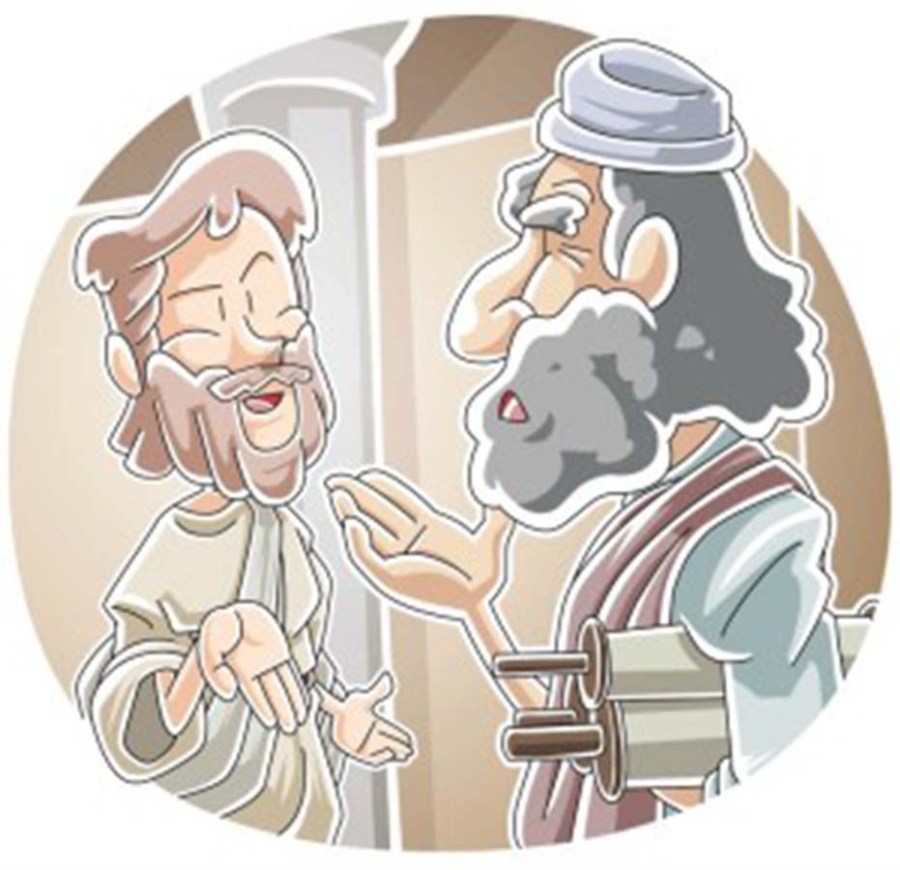
 The truth is born out of a conversation. Genuine conversation is coming from our ability to listen. And listening to one another is not easy because it presupposes great humility. The turning point of St. Dominic de Guzman, the founder of the Order of Preachers, was inside the pub. He had an overnight conversation with the innkeeper, an Albigensian whose religion denied the goodness of creation. This long yet open dialogue did not only bring the innkeeper back to the Catholic faith, but also led Dominic to discover his mission in life. This encounter revealed the truth both for the innkeeper and Dominic.
Unfortunately, not everyone is trained to listen. Not everybody is humble enough to open their minds and heart to vast possibilities the truth offers. Not many have the endurance and perseverance to involve in long and tedious dialogue. We rather shut out ears and minds. We prefer to stay in our comfortable yet small world. Then, we are suspicious of those who are different from us. We even become violent towards those who initiate the conversation of truth with us.
Last week, we listened to John who preached the truth and invited people to conversion. Today, we discover that John was already in jail. He was imprisoned apparently because some people did not like to listen to what John said. These people did not want to be disturbed by the truth, and thus, they decided to silence John. I guess that situation is just not much different nowadays. Those who are able to listen and converse, simply come up with instant yet deadly solutions. Those who try to begin a dialogue of truth in social media immediately fall victims into online buzzing and bullying. In more serious situations, people involved in crimes and corruptions try to bribe, threaten or even kill those who begin to speak the truth. Pierre Claverie, OP, bishop of Oran in Algeria, dedicated his life in dialogue with his Muslim brothers and sisters, yet eventually he was murdered by the terrorists who hated his effort in building peace and harmony in Algeria.
In a dialogue of truth, we need to learn from John. In the prison, he was in doubt because Jesus was not behaving like the expected Messiah. Perhaps like other Jews, John also expected a Messiah who was a military and political leader, or perhaps he wanted a Messiah that dealt severely with sinners and outlaws. Jesus simply did not meet his standards. Yet, instead shutting down the possibilities and dealing with his own problems, he opened the conversation with Jesus through his disciples. Jesus graciously answered him by giving some concrete evident of His identity as the Messiah. Jesus also unlocked the new paradigm that helped John unearthed a more profound truth. The truth that set John free from his self-imprisonment.
The season of Advent invites us to this dialogue of truth. We are invited to be more listening to our family members even to the youngest member. We are challenged not to immediately condemn those people who have a different opinion with us but to find the truth in them. St. Thomas Aquinas always included the arguments of those who had opposing views because he believed that there were grains of truth in them as well as they sharpened his own position. It is time for us go out from our small and solitary world and to seek the vast and spacious truth. The Truth that liberates us.
Br. Valentinus Bayuhadi Ruseno, OP


 We are entering the Season of Advent. This season marks the beginning of the new Church’s liturgical year as well as of the four Sundays preparation for Christmas. Advent is from the Latin word ‘Adventus’ meaning ‘arrival’, and thus, this season prepares us for the coming of Christ.
 Kita memasuki masa Adven. Masa ini menandai awal tahun liturgi Gereja yang baru dan juga empat Minggu persiapan Natal. Adven berasal dari kata Latin ‘adventus’ yang berarti ‘kedatangan’, dengan demikian, masa ini mempersiapkan kita untuk kedatangan Kristus.
 In many other ancient religions, temple was a sacred place. It is holy because their gods or goddesses chose to make their dwelling place and they may serve and worship their gods there. Thus, many cultic rituals in honor of their gods like animal sacrifices and prayers took place in the temples. The temple became the visible signs of the divine presence among the people. Zeus was felt alive in his temple in Mount Olympus, or the gods of Rome were present in the Pantheon.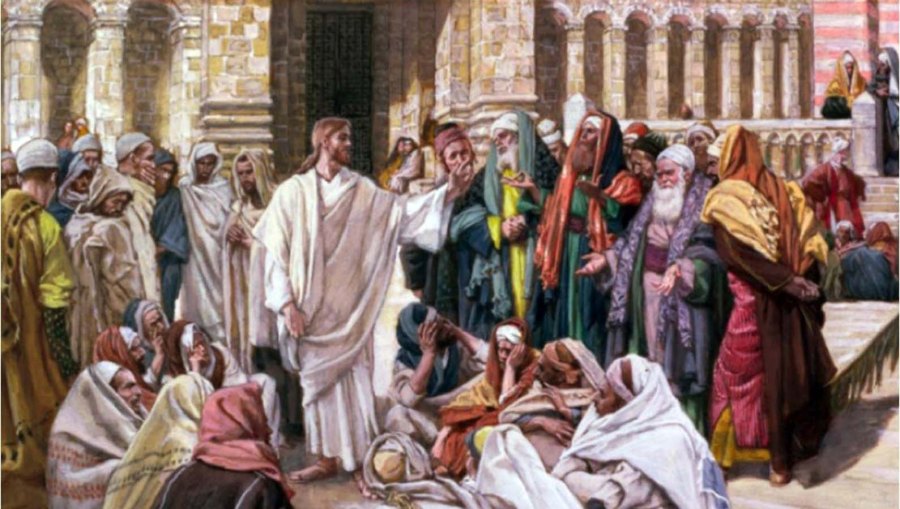
 Dalam banyak agama-agama kuno, kuil adalah tempat suci. Hal ini karena dewa atau dewi mereka dianggap tinggal di sana dan orang-orang pun bisa melayani dan menyembah dewa-dewa mereka di kuil-kuil ini. Dengan demikian, banyak ritual kultus untuk menghormati dewa-dewa mereka berlangsung di kuil-kuil ini. Kuil ini menjadi tanda yang kasat mata dari kehadiran ilahi di antara manusia. Zeus terasa hidup di kuilnya di Gunung Olympus, atau dewa-dewi Roma terasa hadir di Pantheon.
 The month of November is dedicated to honor all the saints in heaven as well as to pray for the souls in the purgatory. It begins with the celebration of All Saints’ Day on November 1 and the commemoration of the All Souls Day on November 2. We, the Dominicans, celebrate the all Dominican Saints on November 7 and pray for the souls of our Dominican family on November 8. This Church’s celebration traces its origin to Pope Boniface IV in the 7th century, yet its roots go deeper into Jesus Christ Himself.
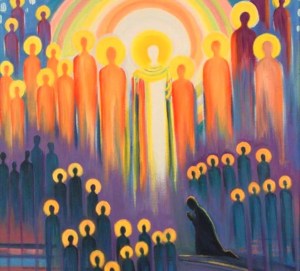 Bulan November didedikasikan sebagai bulan para kudus di surga dan juga bagi jiwa-jiwa di api penyucian. Bulan ini dimulai dengan Hari Raya Semua Orang Kudus pada tanggal 1 November dan peringatan jiwa-jiwa orang-orang beriman pada 2 November. Kita, keluarga Dominikan, merayakan hari raya semua orang kudus Dominikan pada 7 November dan bagi jiwa-jiwa keluarga Dominikan pada 8 November. Perayaan besar Gereja ini bermula kepada Paus Bonifasius IV di abad ke-7, namun akarnya sebenarnya ada pada Tuhan Yesus Kristus sendiri.


