29th Sunday in the Ordinary Time [A]
October 18, 2026
Matthew 22:15-21
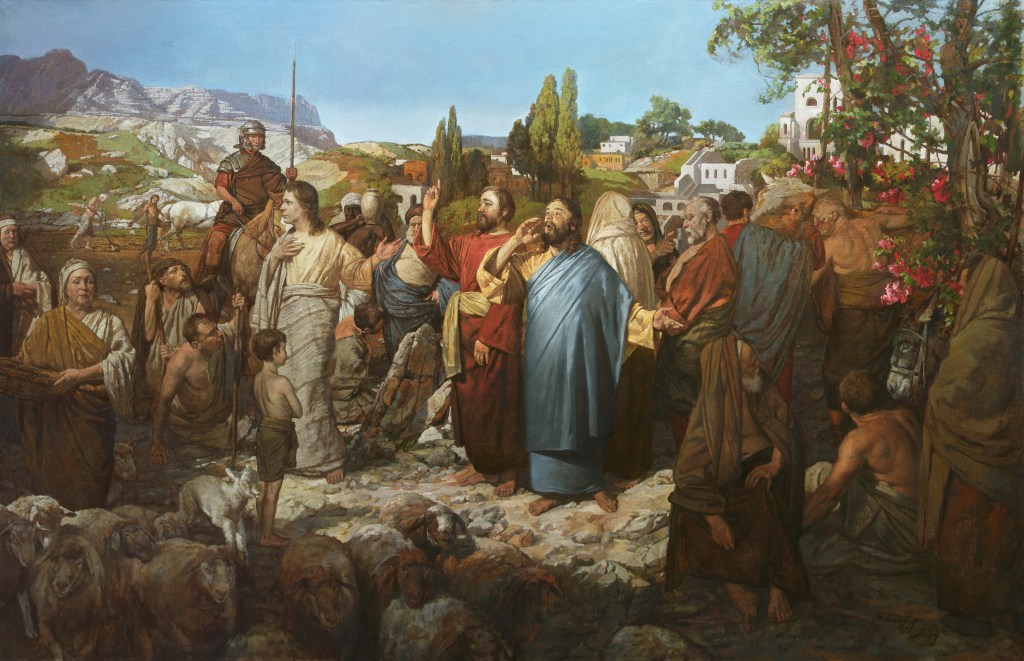
Taxation remains a deeply sensitive and burning topic for many, but during the time of Jesus, it was even more divisive.

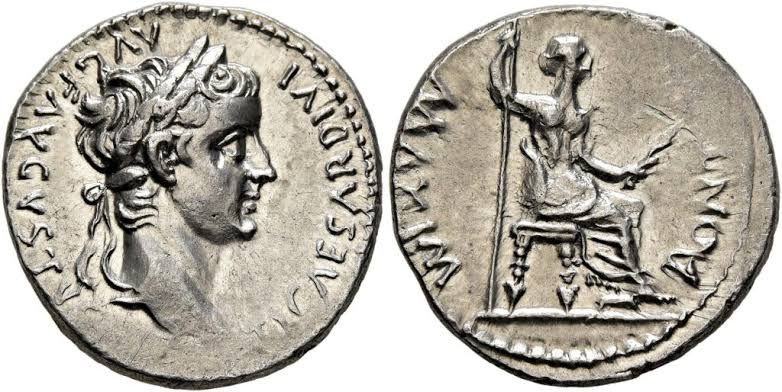
When Jesus lived on earth, Judea was under Roman occupation, requiring the Jewish people as subjects of the Roman emperor to pay heavy taxes. Life was already difficult, and this burden made daily existence nearly unbearable. What made the taxes especially hard for the Jews to swallow was that their money funded the Roman army, which in turn maintained Roman control over Judea. Furthermore, taxation was not merely an economic concern, but a deeply religious one. Roman coins were engraved with the image of the Roman emperor, who was acclaimed as a deity. Therefore, paying taxes with these coins raised the issue of idolatry. However, the Roman Empire was not without its local supporters. Chief among them were the Herodians—allies and supporters of the Herodian dynasty—who served the Romans as local rulers of Judea.
Because of this political climate, the question of taxation formed an almost inescapable trap for Jesus. If He said no, He would side with the majority of the Jews, but the Herodians would view Him as a dangerous and rebellious teacher. On the other hand, if Jesus agreed that paying taxes was lawful, the Pharisees and many other Jews would consider Him a traitor, a Roman collaborator, and even an idolater. We know Jesus’ iconic answer well: “Give to Caesar what belongs to Caesar, and to God what belongs to God.” Yet before delivering this famous statement, Jesus asked, “Why are you testing me, you hypocrites?” What was so hypocritical about the Pharisees’ question?
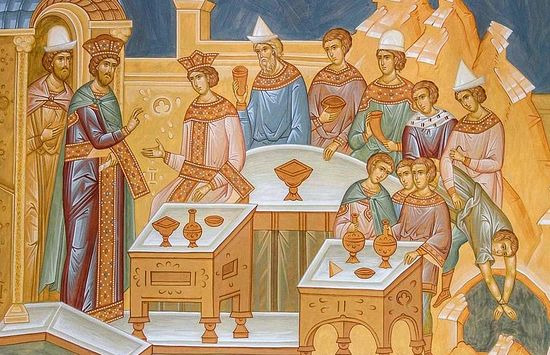
First, the majority of Pharisaic scholars and Jewish religious leaders actually discouraged open rebellion, preferring pragmatic compliance instead. Consequently, they paid their taxes to the Roman Empire as long as the Romans did not force them to violate the Torah. In practice, their political pragmatism outweighed even their concern over idolatry. Second, the Jews paid taxes not only to the Romans, but also to the Temple—a religious obligation governed by Exodus 30:11-16. The Pharisees did not raise an issue over this tax, likely because they viewed it as a vital religious duty. However, a deeper problem existed. During this era, the Jews paid the Temple tax using Tyrian coins rather than Roman coins. Regrettably, Tyrian coins also bore the image of a pagan deity. Yet out of pragmatism, the Pharisees still accepted the use of Tyrian coins to avoid conflict with the Temple authorities.
Understood within this historical context, Jesus’ answer exposes the Pharisees’ deep hypocrisy. If they were willing to pay taxes to Caesar because the coin bore Caesar’s image, then they ought to fulfill their obligations to the Lord without relying on idolatrous currency. Yet the Pharisees—who claimed to be the strict guardians of Jewish faith—succumbed to pragmatism and allowed coins with pagan imagery into the sacred sanctuary.
This account reveals the danger of hypocrisy and pragmatism in our own lives today. We may go to church every Sunday, yet allow harmful behaviors to dominate our families, workplaces, and communities. We may appear devout in our parishes, yet act as though we do not know God in our business endeavors. We may serve at the Mass, yet gossip, slander, and backstab our neighbors.
Manila
Valentinus Bayuhadi Ruseno, OP
Guide questions:
Do we hold ourselves to the same moral and spiritual standards in our daily lives as we expect from others? Are there areas in our work, family, or social lives where we compromise our faith out of convenience or pragmatism? How can we ensure that our worship on Sunday truly transforms the way we speak to and treat our neighbors throughout the week?