22nd Sunday in Ordinary Time [A]
August 29, 2026
Rome 12:1-2
In his Letter to the Romans, St. Paul urges the faithful to offer their bodies as a “living sacrifice” (Romans 12:1). For ancient readers, St. Paul’s statement was a striking oxymoron—a figure of speech that combines two words of opposing meaning, such as “bittersweet” or “controlled chaos.” But why was Paul’s concept of a “living sacrifice” an oxymoron in the first place?
In ancient times, people worshiped their gods by offering sacrifices. This was especially true for the Israelites in Paul’s era. Worshippers would travel to the Temple in Jerusalem bringing animals—most commonly lambs—for sacrifice. First, the priests would inspect each animal to ensure it was free of defects. After certification, the worshipper would lay his hands on the animal’s head to symbolically identify himself with it. The animal’s throat was then cut with a swift, continuous motion of a razor-sharp knife to ensure a rapid death. A priest would catch the fresh blood in a sacred basin, stirring it continuously to prevent coagulation, before carrying it to the Altar to splash or sprinkle against its base. Finally, the priests flayed the animal, cut it into portions, and placed either parts of it or the whole victim onto the Altar to be burned (see Leviticus 1–4).
Because sacrifice in both the pagan world and ancient Israel was inextricably linked with the death of the victim, St. Paul’s phrase “living sacrifice” sounded like a direct contradiction. However, Paul was drawing upon a rich Old Testament tradition. The prophets frequently emphasized that animal sacrifices were meaningless without true, heart-felt repentance. King David proclaimed, “The sacrifices of God are a broken spirit; a broken and contrite heart, O God, you will not despise” (Psalm 51:17). Similarly, the prophet Hosea declared God’s message: “For I desire mercy, not sacrifice, and acknowledgment of God rather than burnt offerings” (Hosea 6:6).
To become a “living sacrifice” still involves death, but not a physical one. St. Paul explained this personal transformation when he wrote, “I have been crucified with Christ; it is no longer I who live, but Christ lives in me” (Galatians 2:20). Paul was not literally executed on a wooden cross; rather, he put to death his ego, selfish interests, and worldly desires to live entirely for Jesus Christ. From that point on, everything he said and did was oriented toward pleasing the Lord and advancing the Gospel.
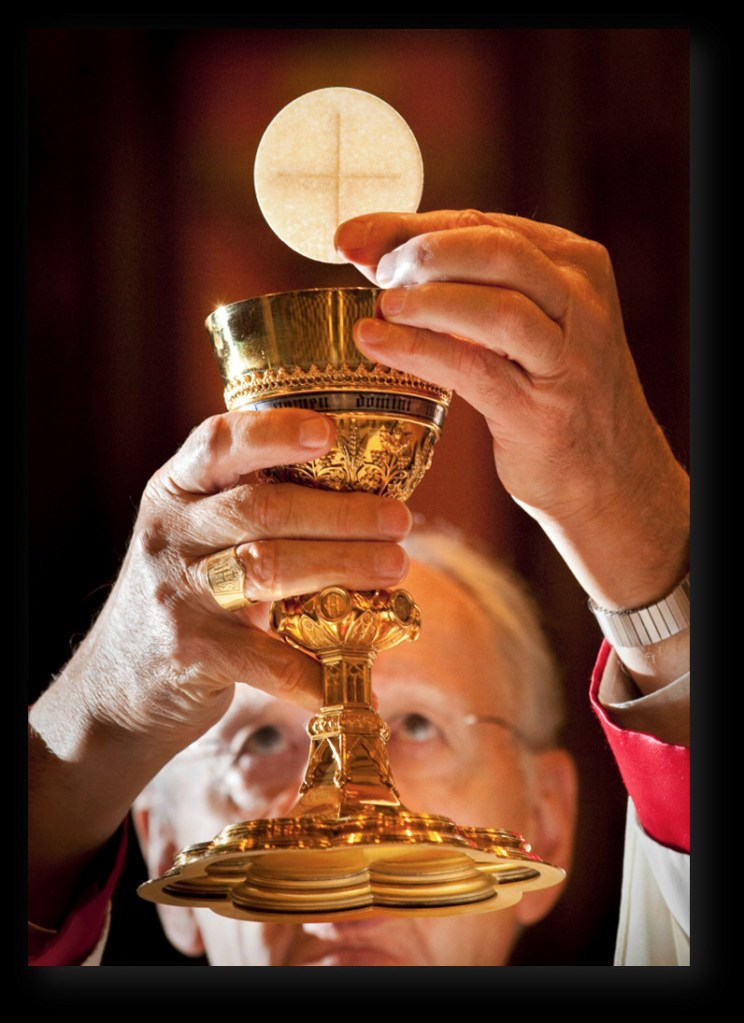
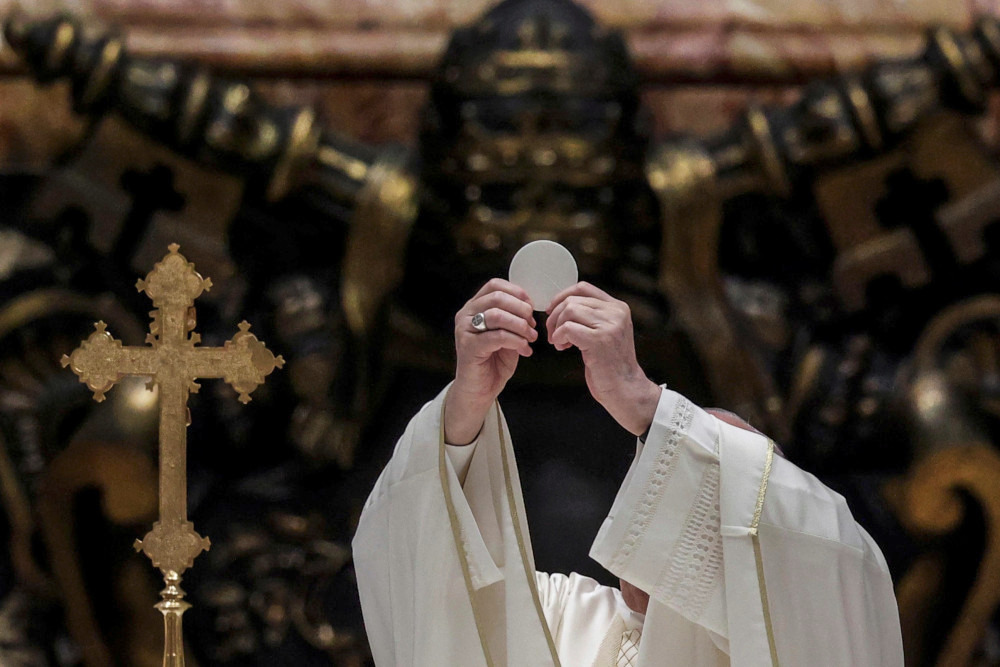
Just as Jesus offered Himself as a complete sacrifice on the cross, St. Paul surrendered his own body and life to God by living in total conformity with the divine will. In the same way, St. Paul invites us to offer our bodies, work, studies, relationships, rest, and even our sufferings as a living sacrifice. In everything we do, we strive to please God and live according to His will. For Catholics, every daily activity can be united with the self-offering of Jesus in the Holy Sacrifice of the Mass, becoming part of that perfect offering that constitutes true, spiritual worship (Romans 12:1).
Guide questions:
How can we put to death our own egos, selfish desires, and worldly ambitions so that Christ can truly live through us each day? In what ways can we offer our daily routines—our work, studies, relationships, and even our struggles—as a living sacrifice to God? Are we offering God meaningful inner devotion and mercy in our daily actions, or are we simply going through the motions of outward religious habits?