

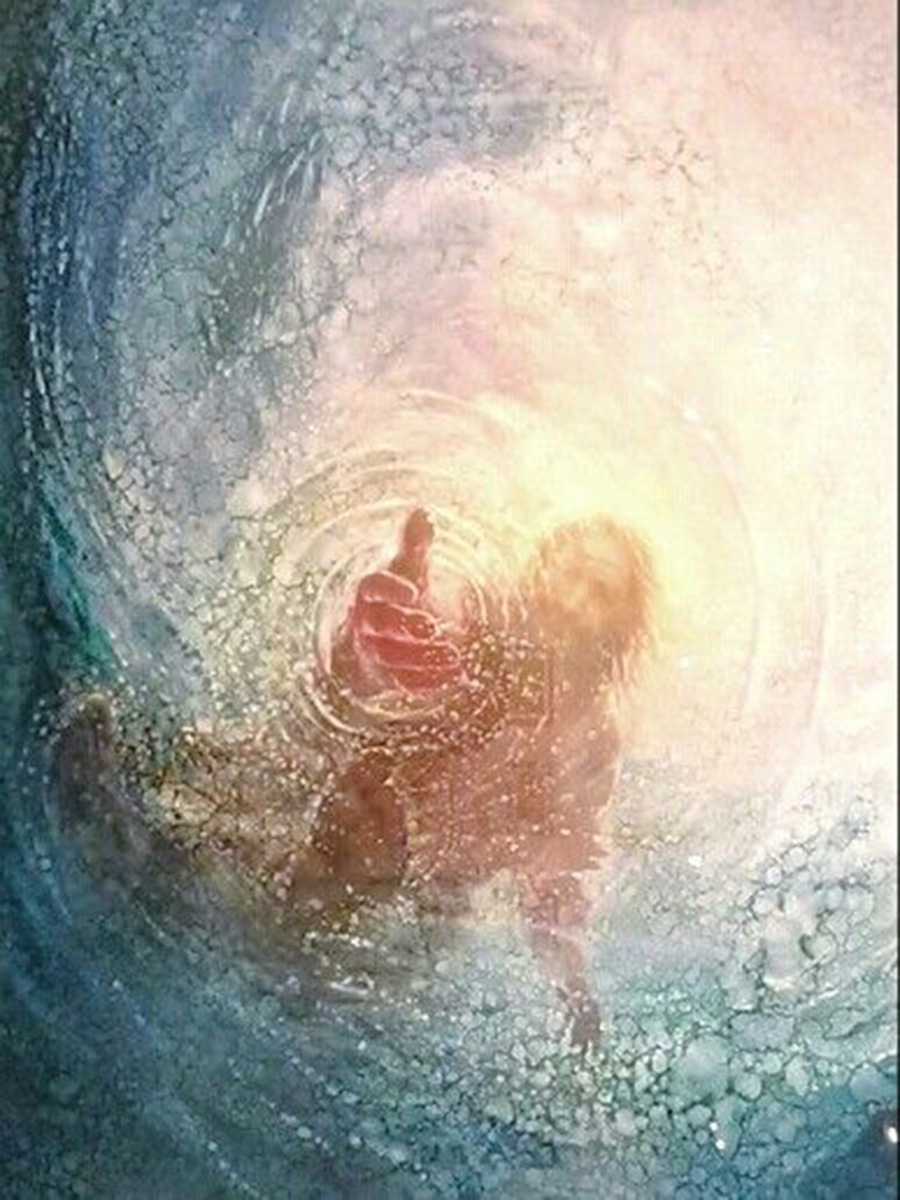
19th Sunday in Ordinary Time. August 13, 2017 [Matthew 14:22-33]
“O you of little faith, why did you doubt?” (Mat 14:31)
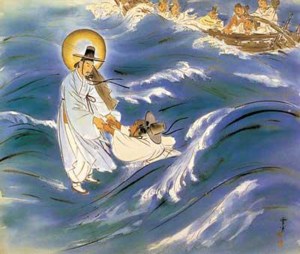 Ocean is a gift to humanity. For many of us, ocean means a great variety of seafood, a place to spend our vacation. When we imagine a vast sea with beautiful beach, we are ready to enjoy swimming, snorkeling or diving. However, for millions of fishermen and seafarers, sea simply means life as they depend their lives and their families on the generosity of the sea, the resources it offers, and the works it generates. Unfortunately, the sea is not always merciful. The sea is home to powerful storms and with its giant waves that can even engulf the biggest of ships. With the effects of global warming, massive sea pollution and destructive ways of fishing, it is getting hard to get a good catch. Novelist Ernest Hemingway in his book “The Old Man and the Sea” narrates a life of fisherman who after risking his life to catch a giant fish, brings home nothing but a fishbone as his catch was consumed by other fishes. Majority of fishermen who continue struggling with lingering debt and difficulty to get fuel for their boats, become poorer by the day. These make fishermen and seafarers a perilous profession.
The Sea of Galilee is not a sea at all, but technically a lake. Certainly, it is a lot safer than the open sea, but the Gospels constantly tell us that the lake can be deadly sometimes even to seasoned fishermen like Peter and other apostles. Like Peter and the apostles, Filipino Dominican missionaries to Babuyan group of islands at the northern tip of the Philippines know well what it means to be at the mercy of the ocean. To go to their mission stations, they have to cross a sea strait by a small boat for around 4 to 8 hours. It might be a tiny strait, but it is a wild and dangerous one because it connects to two great seas, the Pacific Ocean on the east and South China Sea or West Philippine Sea on the west. When the sea is rough and the boat is hit and tossed by the giant waves, it is the time when our missionaries and all others in the boat to pray, and perhaps it is their sincerest prayer ever. When at the mercy of the ocean, we begin to realize that what matters most in life is actually life itself, and as only this life that we hold dear, everything else seems to be trivial and passing.
However, there comes the paradox. In the midst of raging ocean, holding on to fragile life, we begin to be closest to the creator of life Himself. The mighty sea washes away those things that stand between us and God. All those things that add layers upon layers to our lives are swept away. As we achieve wealth, physical beauties, educational attainments, physical beauties, possessions and honor, we tend to be full of ourselves, and become more independent from God who grants us those blessings. Like Peter, our faith becomes little, relying too much on ourselves. Then, when the storm comes and we begin to sink, we realize that all those achievements will not save us.
What are those things in our lives that stand between us and God? Are we like Peter, a man of little faith? What are the stormy sea experiences in our lives? How do you encounter God in these stormy sea experience?
Br. Valentinus Bayuhadi Ruseno, OP

 Laut adalah anugerah bagi umat manusia. Bagi banyak dari kita, laut berarti berbagai macam seafood, dan tempat untuk menikmati liburan. Bila kita membayangkan lautan luas dengan pantai yang indah, kita siap untuk berenang, snorkeling atau menyelam. Namun, ini jauh berbeda bagi jutaan nelayan dan pelaut. Laut berarti kehidupan karena mereka menggantungkan hidup mereka dan keluarga mereka pada laut, baik sumber daya yang dimiliki dan perkerjaan yang dihasilkan. Sayangnya, laut tidak selalu berarti kehidupan. Laut adalah tempat bagi badai-badai dahsyat dan gelombang-gelombang raksasa yang bahkan bisa menelan kapal-kapal terbesar yang pernah dibangun manusia. Dengan efek pemanasan global, polusi laut yang masif dan cara-cara penangkapan ikan yang merusak alam, sekarang semakin sulit bagi nelayan sederhana untuk mendapatkan tangkapan yang baik. Penulis Ernest Hemingway dalam bukunya “The Old Man and the Sea” menceritakan tentang kehidupan nelayan tua yang setelah mempertaruhkan nyawanya untuk menangkap ikan raksasa, tidak membawa pulang apapun kecuali tulang ikan karena tangkapannya dihabisi oleh ikan-ikan lain. Mayoritas para nelayan terus berjuang dengan hutang dan sulitnya mendapatkan bahan bakar untuk perahu mereka. Merekapun menjadi semakin miskin dari hari ke hari. Hal ini membuat nelayan dan pelaut adalah profesi yang berbahaya.
 This Sunday, the Church is celebrating the feast of Transfiguration. The word ‘transfiguration’ comes from Matthew who writes Jesus transfigures before the three disciples, Peter, James and John, his face shines like the sun and his clothes become white as light (17:2). The word “transfigure” is the direct transliteration of the Latin Vulgate Bible “transfigurare”. It is a combination of two words “trans” meaning to across, and “figura” meaning figure. Thus, transfiguration literally means the change of figure. It is a fitting word to describe what happens to Jesus.
 Minggu ini, Gereja merayakan Pesta Yesus yang menampakkan kemulian-Nya yang juga dikenal sebagai Transfigurasi. Kata “transfigurasi” adalah transliterasi dari kata Latin “transfigurare” yang digunakan oleh Alkitab Latin Vulgata. Ini adalah kombinasi dua kata “trans” yang berarti melintasi, dan “figura” yang berarti bentuk atau figur. Dengan demikian, transfigurasi secara harfiah berarti bahwa perubahan bentuk atau figur. Ini adalah kata yang tepat untuk menggambarkan apa yang terjadi pada Yesus di Gunung tinggi.
 From today’s parables, we learn that Jesus appreciates human labor, the use of technology, and economic activities. The parables speak of men buying and selling land, merchants making transactions, and fisher folk catching and selecting the fish. Yet, the appreciation comes with a particular condition: the activities have to be honest and just.
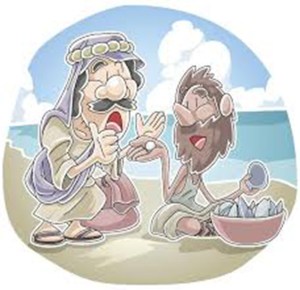 Dari perumpamaan-perumpamaan hari ini, kita menyadari bahwa Yesus sejatinya menghargai kerja, kemampuan mengunakan teknologi dan kegiatan ekonomi manusia. Perumpamaan-perumpamaan tersebut berbicara tentang seseorang yang membeli dan menjual tanah, pedagang melakukan transaksi, dan nelayan menangkap dan memilih ikan mengunakan jaring. Namun, apresiasi Yesus hadir dengan sebuah kondisi: aktivitas manusia ini harus jujur dan juga adil.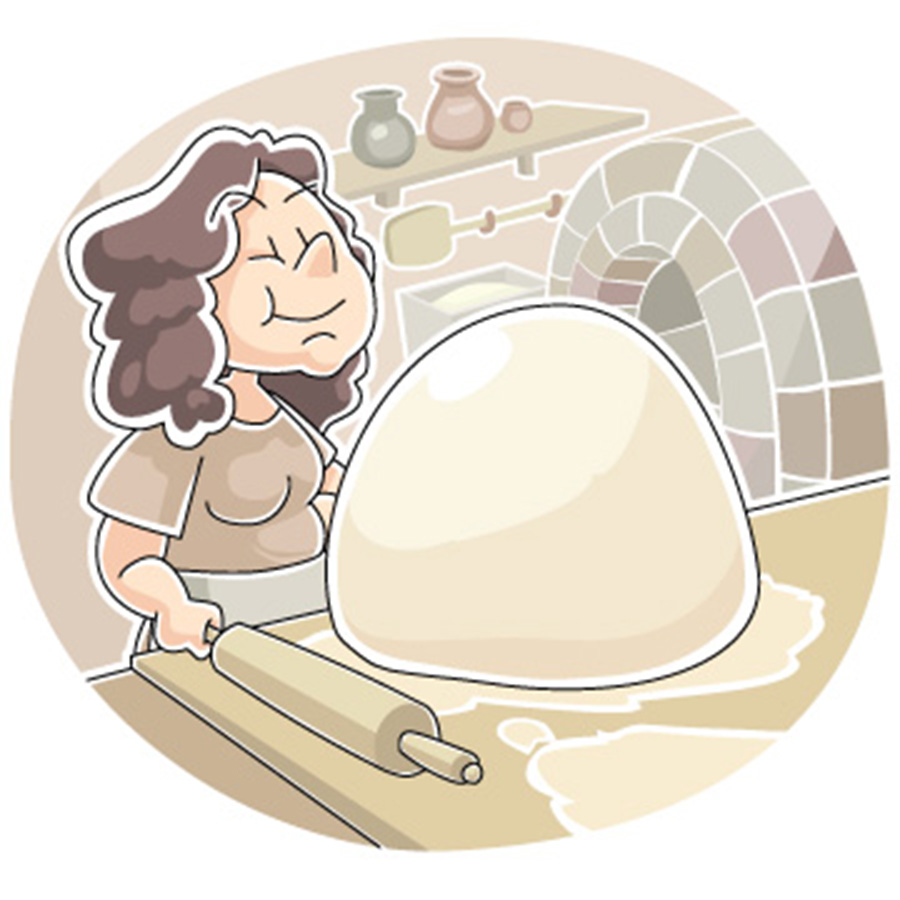
 From the several parables that Jesus tells us in today’s Gospel, we learn that Jesus is keen on how nature works. He observes how seeds of wheat and weed grow, and how the yeast would affect the dough in the process of baking. Jesus also is observant of human ingenuity in working with nature for the benefit of the human community. Men and women till the land, are observant to the cycle of nature, sow the well-prepared seeds, take care of the growth and then harvest the result for the good of community. The use of yeast for baking is a very ancient method of cooking. Women would place yeast in dough, and the microorganism would interact with the carbohydrate in the flour, creating carbon dioxide, and as an effect, the leaven dough would expand. Though unleavened bread will last longer, this yeast would make the bread softer and tastier, making it more enjoyable for human consumption.
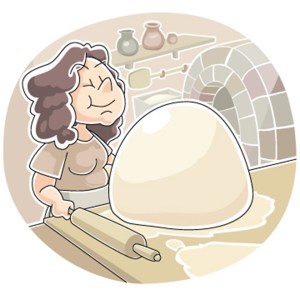 Dari beberapa perumpamaan yang Yesus katakan kepada kita di dalam Injil hari ini, kita belajar bahwa Yesus sangat peka dengan bagaimana alam bekerja. Dia mengamati bagaimana biji gandum, lalang dan sesawi tumbuh, dan bagaimana ragi akan mempengaruhi adonan roti. Yesus juga memperhatikan kecerdasan manusia dalam bekerja dengan alam bagi kepentingan dan kebaikan komunitas manusia. Pria dan wanita mengolah tanah, mematuhi siklus alam, menabur benih yang disiapkan dengan baik, menjaga pertumbuhan dan kemudian memanen hasilnya untuk kebaikan komunitas. Penggunaan ragi adalah metode masak yang sangat kuno. Wanita akan menempatkan ragi dalam adonan, dan mikroorganisme ini akan berinteraksi dengan karbohidrat dalam tepung, menciptakan karbon dioksida, dan sebagai akibatnya, adonan ragi akan berkembang. Meski roti tidak beragi akan bertahan lebih lama, ragi ini akan membuat roti lebih lembut dan lebih nikmat untuk dikonsumsi.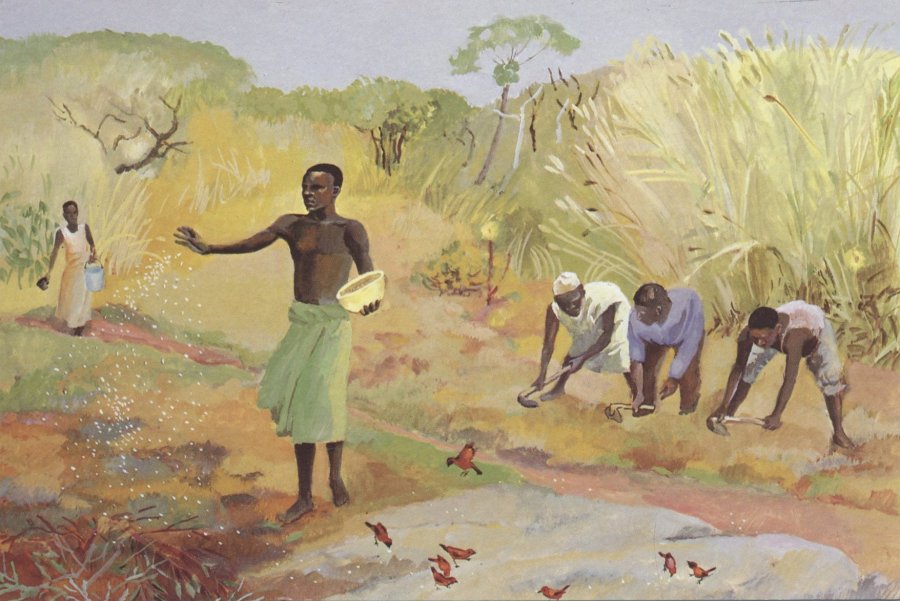
 Looking carefully into the parable, we find something strange. The agrarian land in Palestine was not as fertile and arable like many other countries like Indonesia and Philippines. It was expected that some seeds would fall into stony grounds, or be outgrown by the thorny plans. Yet, the Israelite farmers knew very well that seeds were their lifeline and wasting three-quarter of their seeds was just unthinkable. To add to this oddity, Jesus assured that this waste of seeds would be compensated with super abundant result of thirty to hundredfold harvest. A seasoned farmer recognized that an ordinary wheat seed planted in the Palestinian soil would yield just enough for the family. Thus, many of Jesus’ listeners would wonder, “What is he talking about? He is just a carpenter, and now he is talking to us from a boat about agriculture?” Even His disciples were puzzled and approached Him for clarification.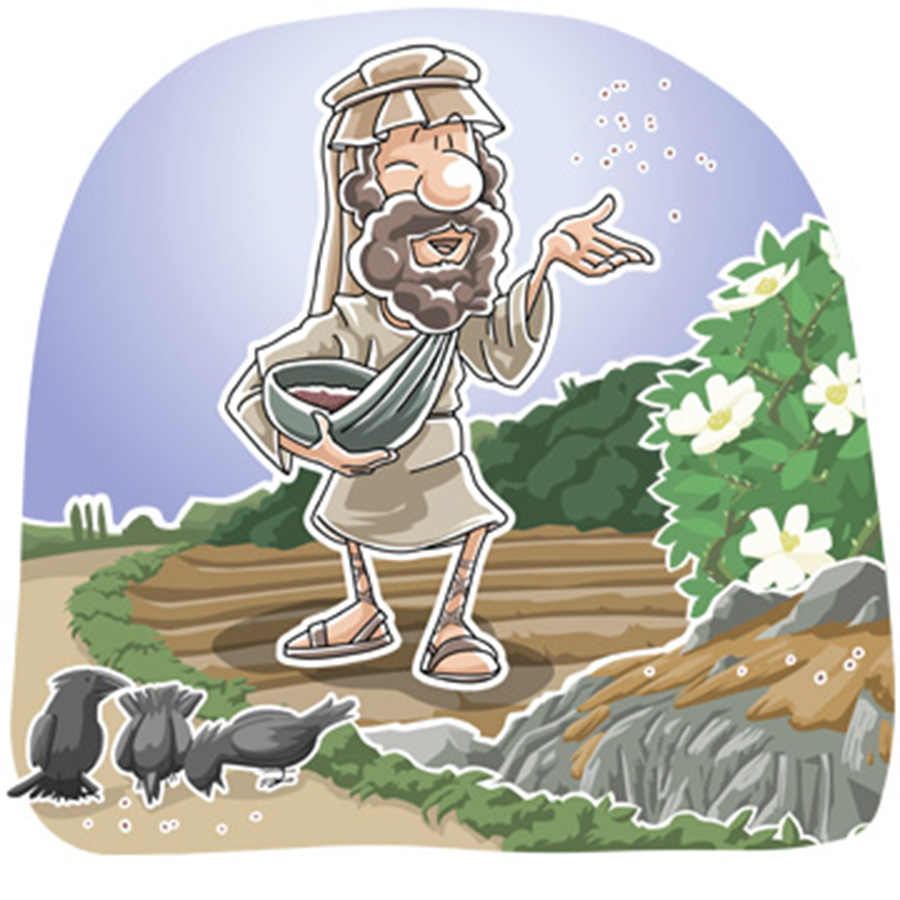
 In Medio Ecclesiae