

Hari Minggu Biasa ke-29 [22 Oktober 2017] Matius 22: 15-22
“… Berikanlah kepada Kaisar apa yang wajib kamu berikan kepada Kaisar dan kepada Allah apa yang wajib kamu berikan kepada Allah.” (Mat 22:21)
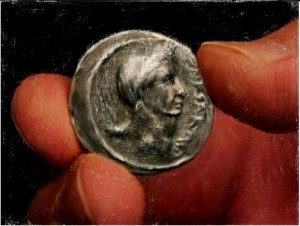 Benjamin Franklin pernah berkata, “Di dunia ini tidak ada yang pasti, kecuali kematian dan pajak.” Sungguh, pajak adalah fakta yang tidak menyenangkan dan juga tidak dapat dihindari dalam hidup kita sebagai warga negara. Sebagian dari penghasilan yang diperoleh dari jerih payah kita tiba-tiba diambil, dan hanya Tuhan yang tahu ke mana itu pergi. Praktek perpajakan sebenarnya sudah terjadi sejak komunitas manusia pertama di bumi. Ide dasarnya adalah bahwa pajak akan menyediakan sumber daya yang untuk kemajuan bersama, seperti membangun jalan, pendidikan dan perawatan kesehatan berkualitas. Namun, hal ini sering disalahgunakan. Di zaman dulu, para raja dan kepala suku menarik pajak agar mereka bisa membangun istana megah mereka dari pada membangun rakyatnya. Sayangnya, situasi tersebut tidak banyak berubah di zaman sekarang. Para pejabat korup menarik pajak hanya untuk membangun “istana” mereka yang megah, dan bukannya membangun rakyat.
Pada masa Yesus, pajak adalah isu yang sangat sensitif. Orang-orang Yahudi sederhana dikenai pajak oleh penjajah Romawi, dan bagi mereka yang tidak mampu membayar, mereka akan dipenjara, harta-benda mereka akan disita dan bahkan menghadapi hukuman mati. Ini membuat para petani dan pekerja Yahudi sederhana semakin miskin dan tak berdaya. Baik Yesus maupun orang Farisi juga menjadi korban dari sistem perpajakan yang menindas dan tidak adil ini.
Tidak ada yang suka membayar pajak kepada penjajah Romawi, namun sebagian besar orang Yahudi akan memilih untuk mematuhi peraturan dan membayar pajak karena mereka tidak menginginkan masalah datang. Orang-orang Farisi dan orang-orang Yahudi saleh lainnya membenci menggunakan koin Romawi karena di dalamnya, ada gambar Kaisar yang diukir sebagai dewa. Seluruh sistem perpajakan adalah penyembahan berhala. Namun, banyak orang Farisi tetap membayar pajak agar mereka tetap hidup.
Pesan yang biasanya kita dengar dari Injil hari ini adalah Yesus yang cerdik mengalahkan para Farisi dan Herodian yang ingin menjebak Dia dengan pertanyaan yang rumit. Namun, sebenarnya, ada banyak hal yang dipertaruhkan di sini. Meskipun pertanyaan itu ditujukan kepada Yesus, pertanyaan yang sama berlaku untuk semua orang Yahudi yang terpaksa membayar pajak kepada bangsa Romawi. Dengan demikian, jika mereka menuduh Yesus sebagai penyembah berhala, mereka juga menuduh mayoritas orang Yahudi untuk membayar pajak.
Jawaban Yesus bukanlah jawaban kategoris ya atau tidak, tetapi ini dirumuskan sedemikian rupa sehingga tidak hanya menyelamatkan-Nya dari perangkap, tapi juga menyelamatkan setiap orang yang terpaksa membayar pajak dari tuduhan sebagai penyembah berhala. Orang-orang Yahudi yang sederhana harus bekerja sangat keras bagi keluarga mereka, dan terpaksa membayar pajak demi keselamatan diri mereka. Tidak cukup, para Farisi menuduh mereka sebagai penyembah berhala karena membayar pajak. Ini sungguh kejam karena para Farisi ini yang seharusnya menjadi contoh kekudusan, justru menjauhkan banyak orang jadi Tuhan. Syukurlah, jawaban Yesus menyingkirkan rasa bersalah ini dari orang-orang Yahudi yang berjuang untuk memberi makan keluarga mereka. Ini bukanlah sekedar membayar pajak, tetapi sungguh menjadi kudus di hadapan Tuhan.
Dalam hidup kita sehari-hari, kita mungkin taat membayar pajak kita kepada pemerintah dan hidup sebagai warga negara yang patuh hukum, tetapi sekali lagi Injil hari ini bukanlah sekedar tentang membayar pajak. Apakah kita, seperti orang-orang Farisi, hanya mau menjadi suci sendiri dengan menjadi sangat aktif di Gereja dan memberi kolekte besar, tetapi malah menghalangi sesama yang ingin menjadi kudus? Apakah kita sekedar menghakimi dan mencibir mereka yang tidak bisa aktif di Gereja karena harus bekerja keras menghidupi keluarga mereka? Apakah kita membawa orang lain lebih dekat kepada Tuhan atau malah melakukan hal yang sebaliknya?
Frater Valentinus Bayuhadi Ruseno, OP
 Jesus is already in Jerusalem. The confrontations between Jesus and the Jewish authorities have turned bitter, and Jesus is approaching His final days on earth. With this context, the parable may be understood easily. The invited guests stand for some elite Israelites who refuse Jesus, and thus, reject God Himself. The burning of their towns and cities may point to the invasion of the Roman Empire and the destruction of Jerusalem in 70 AD. The commoners who are later invited represent the people from all nations who accept Christ. Yet, some people who are already at the Wedding banquet do not wear the expected wedding garment. This proper dress decorum is a basic sign that the guests are honoring the host, and also becomes the symbol of our faith, our good works and our holy lives. For those who fail to honor the King through their garment are thrown out from the banquet.
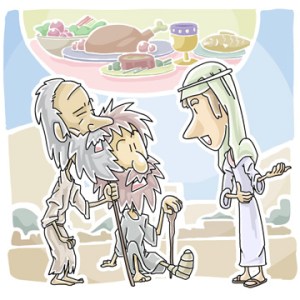 Yesus sudah berada di Yerusalem. Konfrontasi antara Yesus dan pemimpin bangsa Yahudi semakin memanas. Yesus pun mendekati hari-hari terakhir-Nya. Dengan konteks ini, perumpamaan hari ini tidak terlalu sulit untuk kita pahami. Tamu yang diundang mewakili elit Israel yang menolak Yesus, dan dengan demikian, menolak Allah sendiri. Pembakaran kota mungkin mengarah pada invasi Kekaisaran Romawi dan penghancuran Yerusalem pada tahun 70 Masehi. Orang-orang biasa yang kemudian diundang dan datang, mewakili orang-orang dari semua bangsa yang menerima Kristus. Namun, beberapa orang yang sudah ada di pesta pernikahan tidak memakai baju pernikahan yang diharapkan. Pakaian yang tepat menjadi pertanda bahwa para tamu menghormati sang tuan rumah, dan juga ini menjadi simbol iman, perbuatan baik dan kehidupan kudus kita. Bagi mereka yang gagal menghormati Raja melalui pakaian mereka akan diusir dari perjamuan.
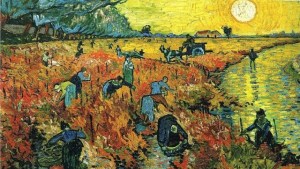 The image of a vineyard is close to Israelites’ hearts because this springs from their prophetic tradition. Isaiah uses this metaphor to describe Israel and God (see Isa 5:1-8). Consistent with this great prophet, Jesus crafts His parable of the vineyard to describe the relation between God and His people. God is the just and generous vineyard owner, and we are His workers. Now, it is up to us to work hard for the Lord in His vineyard and receive abundant harvest, or be lazy, and expelled from the vineyard.
 Kebun anggur merupakan citra yang dekat dengan hati orang Israel. Nabi Yesaya menggunakan metafora ini untuk menggambarkan relasi Israel dan Allah mereka (lihat Yesaya 5: 1-8). Konsisten dengan nabi agung ini, Yesus menceritakan perumpamaan tentang kebun anggur versi-Nya sendiri untuk menggambarkan hubungan antara Allah dan umat-Nya. Tuhan adalah pemilik kebun anggur yang adil dan juga murah hati, dan kita adalah para pekerja-Nya. Sekarang, terserah kepada kita untuk bekerja keras untuk Tuhan di kebun anggur-Nya dan menerima panen berlimpah, atau bermalas-malasan, dan akhirnya diusir dari kebun anggur.
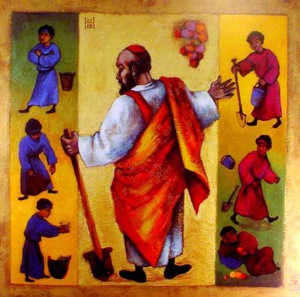 The road to hell is paved with good intentions. This old proverb attributed to St. Bernard of Clairvaux may sound rather morbid and threatening, but the truth remains. If we have only good intentions, marvelous plans, or great designs, but we never lift a finger to begin the first step, nothing will happen. We want to focus on our study, yet we are distracted by Facebook’s status and newsfeeds, our online chatting, or endless videos in YouTube, we will not make any progress. We wish to accomplish a lot of works, but our attentions and energy are consumed by so many other concerns. Then, our wish stays a wish.
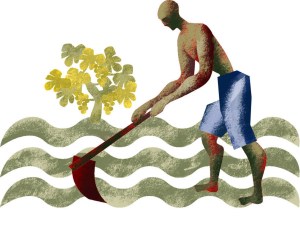 St. Bernardus dari Clarivaux pernah berpendapat bahwa Jalan menuju neraka dibuat dengan niat baik. Ucapannya mungkin terdengar agak mengerikan, tapi dia berbicara sebuah kebenaran. Jika kita hanya memiliki niat baik atau rencana yang luar, tapi kita tidak pernah bergerak untuk memulai langkah pertama, tidak akan terjadi apa-apa. Kita ingin fokus pada pendidikan kita, namun kita terus terganggu oleh status di Facebook, Online chat, atau menonton ribuan video di YouTube, maka kita tidak akan membuat kemajuan. Kita ingin menyelesaikan banyak pekerjaan di tempat kerja, tapi perhatian dan energi kita terkonsumsi oleh begitu banyak hal-hal lain. Maka, niat baik kita tetaplah sebuah niat.
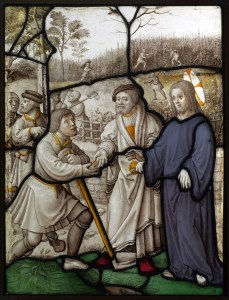 Jesus is the storyteller genius. The parable he shares to us today does not only surprise us with its unexpected ending, but it also creates a sense of puzzlement and wonder. We expect that the workers who labored the whole day would get the better wage compared to those who came late. Yet, it did not happen. All got the same wage regardless of their working hours. The vineyard owner was right to explain that he did not violate the agreement with his laborers, but deep inside us, there is something quite off. If we were militant enough, we would stage a rally to protest the vineyard owner’s decision.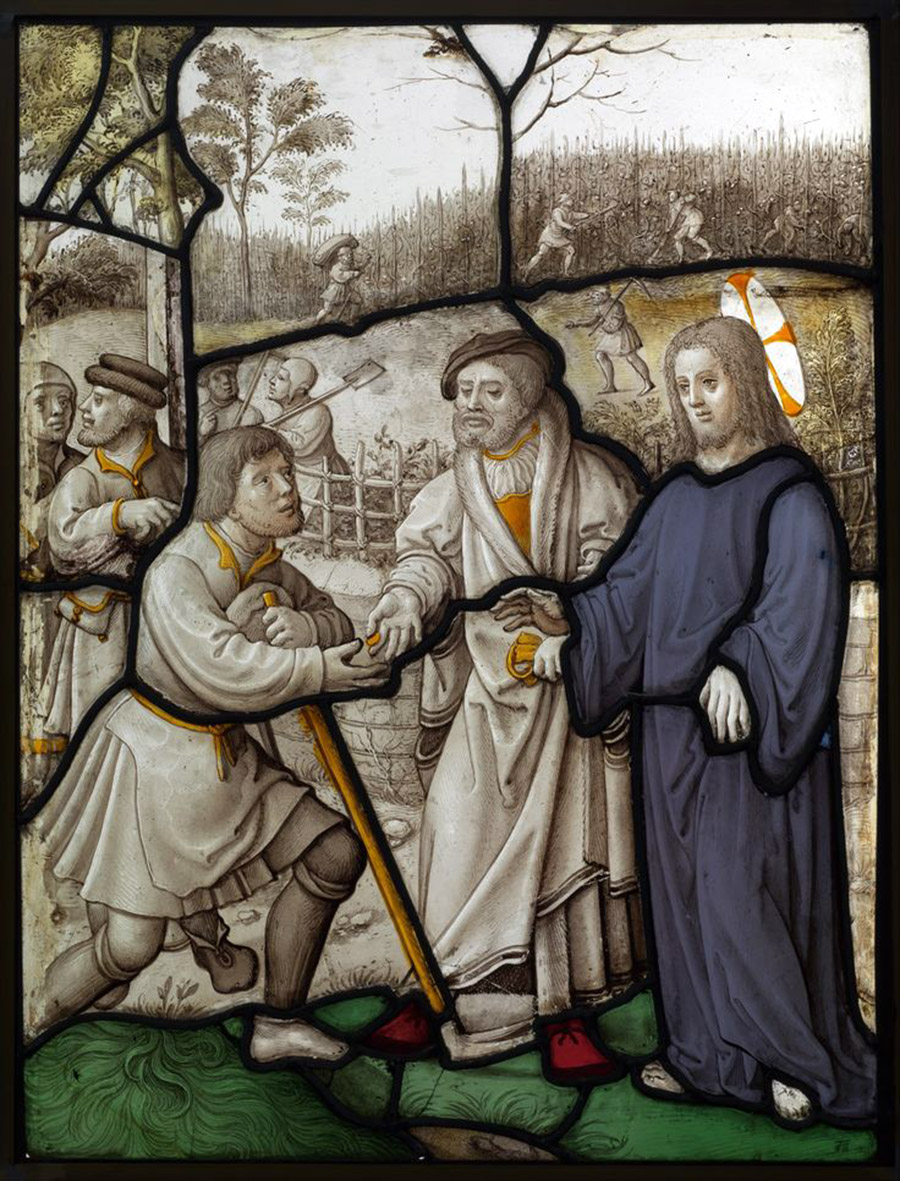
 Yesus adalah seorang pencerita yang luar biasa. Perumpamaan Yesus hari ini tidak hanya mengejutkan kita dengan akhir yang tak terduga, tapi juga membuat kita bertanya-tanya. Kita berharap para pekerja yang bekerja sepanjang hari akan mendapatkan upah yang lebih baik dibandingkan dengan mereka yang terlambat datang. Namun, itu tidak terjadi. Semua mendapat upah yang sama. Pemilik kebun anggur menjelaskan bahwa dia tidak melanggar kesepakatan dengan para pekerja, tapi di dalam lubuk hati kita, kita merasa ada sesuatu yang salah.
 Why is it difficult to forgive? One of the reasons is that after we are wronged, the immediate reaction is to seek justice or even revenge. We want that the pain and the loss we experienced are also felt by those who inflicted them on us. We want “a tooth for a tooth, an eye for an eye”. Unfortunately, consumed by anger and hatred, our cry for justice can easily turn into an intense desire of revenge. If justice seeks to balance scale, revenge seeks to inflict a greater punishment, or even to destroy those who have harmed us. Unless we get what is due, unless they receive what they deserve, there is no forgiveness.
