

Third Sunday in Ordinary Time. January 22, 2017 [Matthew 4:12-23]
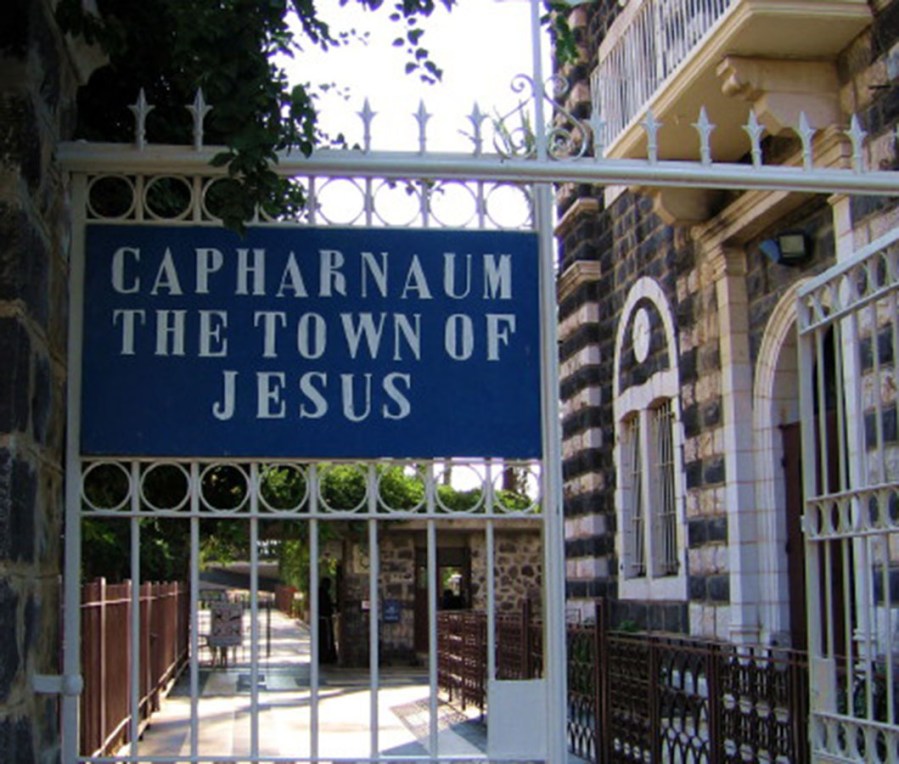
“He left Nazareth and went to live in Capernaum by the sea, in the region of Zebulun and Naphtali (Mat 4:13)”
 Jesus began His public ministry by moving to another town in Galilee. From his hometown Nazareth to a bigger and more dense Capernaum. It was an ancient urbanization! Nazareth was small and scarcely populated, while Capernaum was one of the fishing centers in the Sea of Galilee. It was where people came, gathered, and interacted with each other. Had Jesus commenced His mission in Nazareth, probably, it would have taken more time to grow. Capernaum gave critical advantages for Jesus. It was easier to gather people, preach and attract followers. As a port city, it eased up Jesus mobility to other places in Galilee. And, Capernaum provided Jesus with shelter and other resources for His preaching. The reason for migrating was practical and yet decisive.
When St. Dominic started his Order, one of the first things he did was to send his small and fragile group of friars to big university cities like Paris and Bologna. His move was criticized as careless and dangerous. It could have swept away the infant community of Dominic. But, He insisted. “Stored seeds rot!” Dominic was actually able to think like Jesus. In bigger cities, it was much manageable not only to study, but also to preach and invite generous souls to be part of the community. Thus, Dominic made a clear instruction as he sent his brothers: “to study, preach and build community.
Our time is characterized with mega migration. Countless people move from town to another, from one country to another, and from one continent to another with ease and speed. And like Jesus, we migrate for practical cause as well as survival. We go places because of our works, our family, or our dreams. My life as a seminarian and a Dominican is also marked with constant movement. As early as fourteen years old, I left my hometown Bandung to enter the seminary in Magelang. Then, from Indonesia to Manila in the Philippines.
Going back to today’s Gospel, St. Matthew does not only see Jesus’ migration as practical solutions to His ministry, but as fulfillment of God’s promise: “the people who sits in darkness have seen a great light.” As Jesus travelled from one place to another, He brought light to others that they may see God whose Kingdom has come. Jesus immediately preached the Good News and called Andrew, Peter, James and John to His disciples. Jesus accommodated the practical and temporal things in His disposal for His mission. And He was faithful to this to the end. He used the cross, the practical means of torture and humiliation as means of presenting God’s love and salvation.
The same mission is given to us. As we move from one place to another, we bring also the light of Christ with us. Like newly-wed persons, we are called to enlighten our new families. As workers, we are to denounce what is evil in our new workplaces. As people who live on this earth, we shall take care of the creations in every land we step.
Br. Valentinus Bayuhadi Ruseno, OP


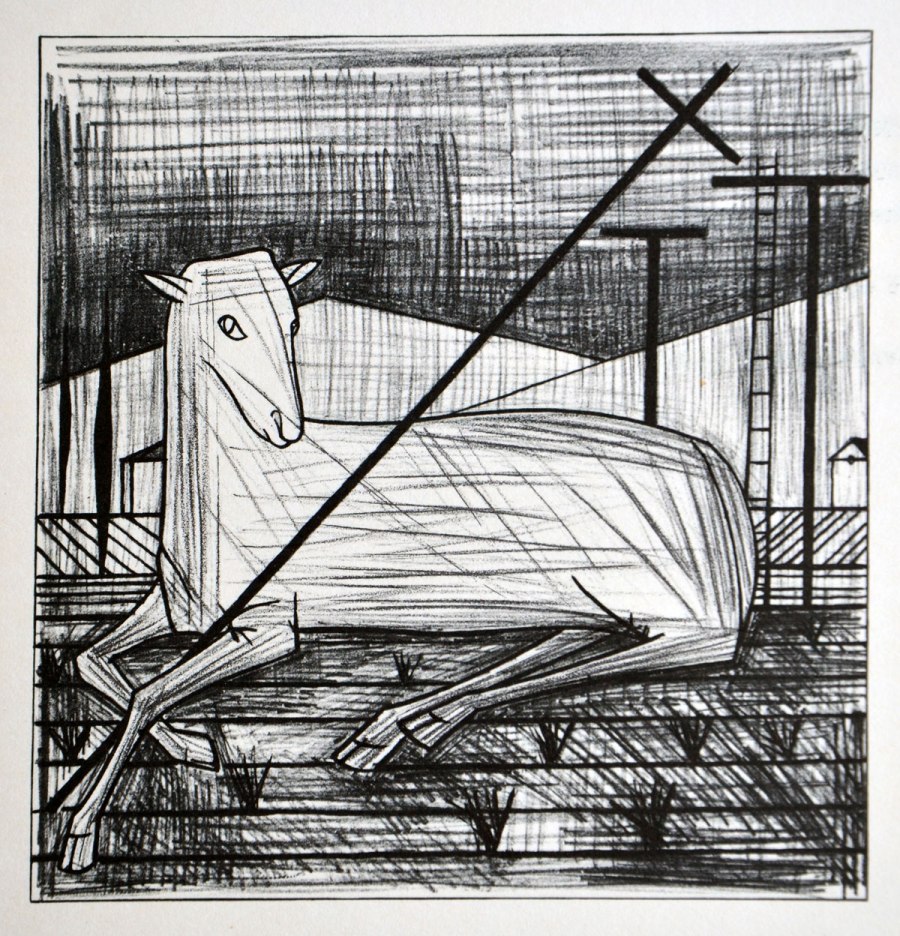
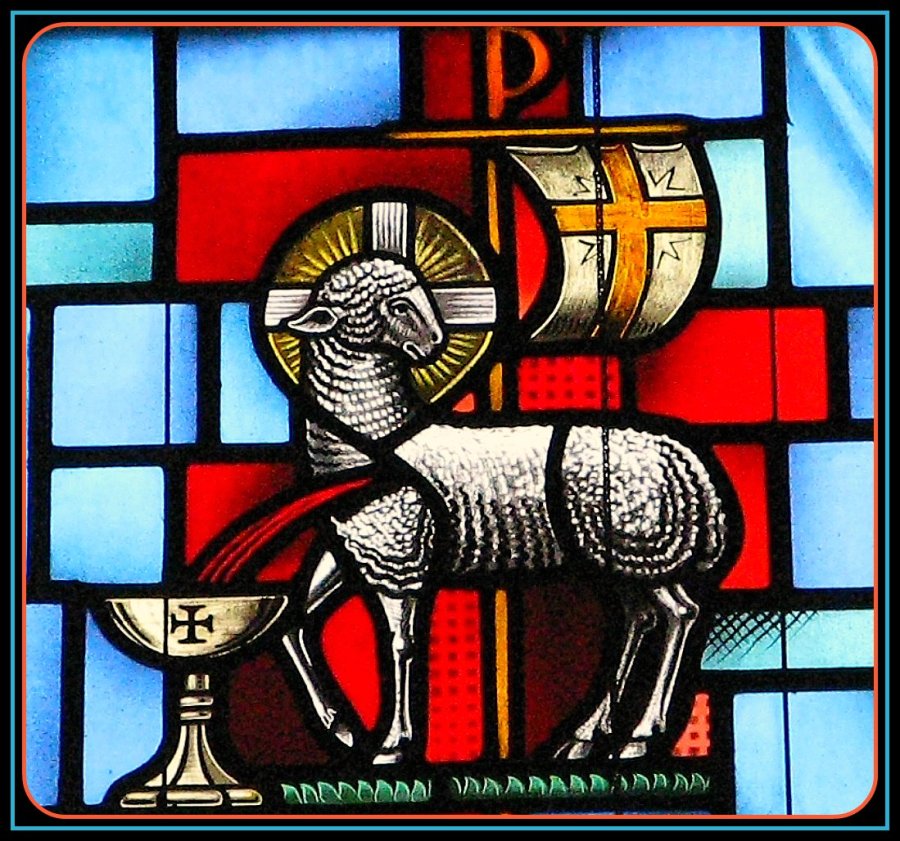
 Yohanes Pembaptis menyebut Yesus sebagai Anak Domba Allah yang menghapus dosa dunia. Gelar ini akhirnya menjadi bagian dari Ekaristi dan kita setia mendaraskan atau menyanyikan ‘Anak Domba Allah’ sebelum kita menerima komuni. Tapi, apa artinya? Mengapa harus anak domba? Bukan orangutan, jerapah atau komodo? Mengapa hewan, bukan tanaman, buah atau ponsel? Untuk membuatnya lebih dimengerti, kita harus kembali ke ritual perjamuan Paskah bangsa Yahudi.
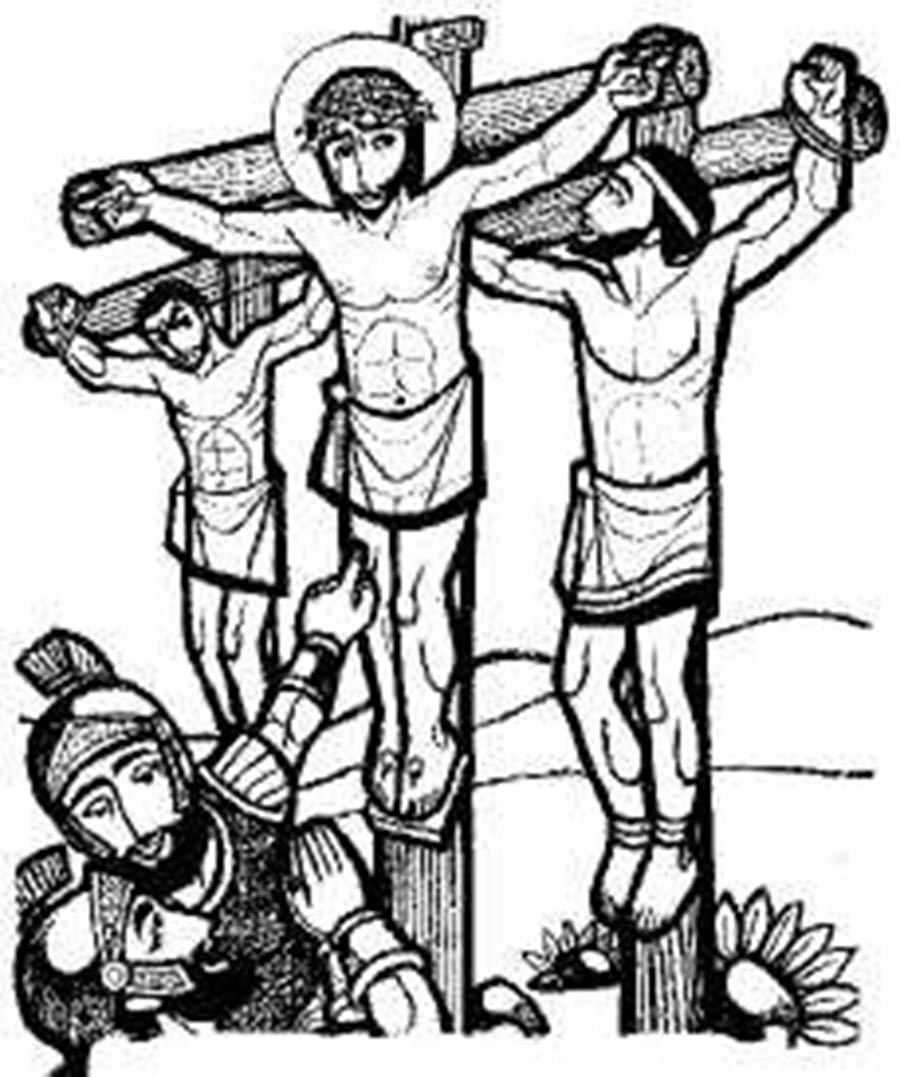
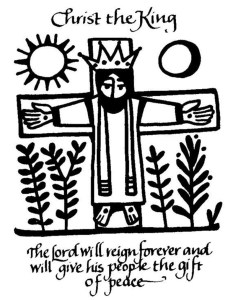 Perayaan liturgi Kristus Raja merupakan perkembangan baru dalam Gereja. Paus Pius XI menetapkan hari raya ini pada tahun 1925 di bulan Oktober. Paus Paulus VI pada tahun 1969 kemudian mendedikasikan hari Minggu terakhir dari Masa Biasa dalam kalender liturgi Gereja bagi Kristus Raja Semesta Alam. Meskipun perayaan ini tergolong baru di Gereja, kebenaran ini sungguh berakar di dalam Kitab Suci.
 In many other ancient religions, temple was a sacred place. It is holy because their gods or goddesses chose to make their dwelling place and they may serve and worship their gods there. Thus, many cultic rituals in honor of their gods like animal sacrifices and prayers took place in the temples. The temple became the visible signs of the divine presence among the people. Zeus was felt alive in his temple in Mount Olympus, or the gods of Rome were present in the Pantheon.
 Dalam banyak agama-agama kuno, kuil adalah tempat suci. Hal ini karena dewa atau dewi mereka dianggap tinggal di sana dan orang-orang pun bisa melayani dan menyembah dewa-dewa mereka di kuil-kuil ini. Dengan demikian, banyak ritual kultus untuk menghormati dewa-dewa mereka berlangsung di kuil-kuil ini. Kuil ini menjadi tanda yang kasat mata dari kehadiran ilahi di antara manusia. Zeus terasa hidup di kuilnya di Gunung Olympus, atau dewa-dewi Roma terasa hadir di Pantheon.
 The month of November is dedicated to honor all the saints in heaven as well as to pray for the souls in the purgatory. It begins with the celebration of All Saints’ Day on November 1 and the commemoration of the All Souls Day on November 2. We, the Dominicans, celebrate the all Dominican Saints on November 7 and pray for the souls of our Dominican family on November 8. This Church’s celebration traces its origin to Pope Boniface IV in the 7th century, yet its roots go deeper into Jesus Christ Himself.
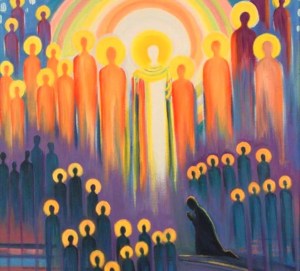 Bulan November didedikasikan sebagai bulan para kudus di surga dan juga bagi jiwa-jiwa di api penyucian. Bulan ini dimulai dengan Hari Raya Semua Orang Kudus pada tanggal 1 November dan peringatan jiwa-jiwa orang-orang beriman pada 2 November. Kita, keluarga Dominikan, merayakan hari raya semua orang kudus Dominikan pada 7 November dan bagi jiwa-jiwa keluarga Dominikan pada 8 November. Perayaan besar Gereja ini bermula kepada Paus Bonifasius IV di abad ke-7, namun akarnya sebenarnya ada pada Tuhan Yesus Kristus sendiri.
 In Medio Ecclesiae