

Renungan pada Minggu ke-8 pada Masa Biasa [3 Maret 2019] Lukas 6: 39-45
 Tiga hari Minggu terakhir ini, kita telah mendengarkan serangkaian ajaran Yesus yang diberikan di Dataran [Luk 6]. Dua Minggu yang lalu, kita membaca tentang Sabda Bahagia. Ini adalah serangkaian kondisi yang menuntun kita menuju kebahagiaan dan berkat sejati. Minggu lalu kita mendapatkan beberapa langkah praktis untuk mencapai Sabda Bahagia ini. Dan hari Minggu ini, kita menemukan inti dari ajaran Yesus: ini adalah pembentukan hati manusia.
Di dunia kontemporer, “hati” umumnya melambangkan sumber kasih sayang, perasaan, dan cinta. Orang Filipina sangat senang dengan permainan bola basket, dan mereka memberikan dukungan terbaik mereka setiap kali tim nasional mereka bersaing di turnamen internasional. Seruan mereka bagi tim national mereka adalah “Laban! Puso! ”Secara harfiah diterjemahkan sebagai“ Berjuang dengan sepenuh hati! ”Tentunya, hati di sini mengacu pada hasrat yang membara untuk mengatasi tantangan besar di setiap pertandingan.
Ketika seorang wanita tidak yakin harus menerima atau tidak seorang pria menjadi kekasihnya, kita sering menasihatinya untuk mengikuti kata “hati”-nya. Ketika dia memiliki kekasih baru dan sedang jatuh “hati”, dia memanggilnya sebagainya sebagai “belahan hati”. Tapi, ketika dia tiba-tiba kehilangan kekasihnya karena pengkhianatan yang tak terduga, dia menderita “patah hati” yang sangat mendalam. Karena pengalaman traumatis ini, ia menolak untuk mencintai lagi, dan sekarang ia “berhati batu.”
Namun, kata “Hati” dalam Alkitab memiliki arti yang sedikit berbeda. Hati di dalam Alkitab bukan hanya sumber kehidupan emosional kita, tetapi juga pusat kekuatan hidup, dan kepribadian manusia. Ini juga merupakan tahta hati nurani manusia, akal budi dan kebebasan. Jadi, ketika Yesus berkata, “Orang yang baik mengeluarkan barang yang baik dari perbendaharaan hatinya yang baik …” ini bukan hanya berarti bahwa orang tersebut memiliki perasaan-perasaan yang mendukungnya melakukan perbuatan baik. Ini berarti seseorang memiliki orientasi mendasar, sikap stabil dan karakter permanen untuk memilih dan berbuat baik, walaupun terkadang perasaannya tidak mendukungnya berbuat baik. Bagi Yesus, hati bukan hanya perasaan, tetapi juga tindakan.
Dalam Kitab Suci pembentukan hati berarti pembentukan manusia secara total. Yesus memahami bahwa kecuali kita memiliki karakter pria atau wanita yang baik, kita hanya melakukan sandiwara, dan menjadi orang munafik di hadapan orang lain.
Bagaimana kita akan membentuk hati kita? Yesus memberi kita petunjuk ketika Dia berkata, “dari kepenuhan hati, mulut berbicara.” Pertanyaannya kemudian adalah: apa yang memenuhi hati kita? Apakah hal-hal yang jahat, atau hal yang baik dan suci?
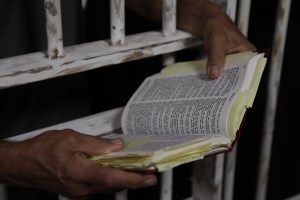
Saat ini saya ditugaskan di General Santos City, Mindanao, Filipina, dan salah satu hal yang paling berkesan selama saya tinggal di sini adalah ketika saya mengunjungi dan merayakan misa bersama para narapidana wanita di penjara kota ini. Pada awalnya, saya ragu-ragu dan takut untuk berinteraksi dengan mereka karena saya menganggap mereka sebagai “criminal”. Ada pemikiran bahwa mereka adalah wanita-wanita dengan “hati yang jahat”. Kalo hati mereka baik, kenapa harus masuk penjara? Tapi, saya benar-benar salah. Ketika saya berdoa bersama mereka, saya menyaksikan para wanita berdoa dengan kepenuhan iman. Sesuatu hal yang saya jarang lihat di luar penjara. Saya juga berbicara dengan seorang wanita, sebut saja namanya Maria. Dia telah berada di penjara selama lima tahun, dan karena sistem peradilan yang tidak efektif, persidangannya masih berlangsung, dan dia tidak tahu sampai kapan. Dia adalah ibu tunggal dengan lima anak. Dia kedapatan menggunakan narkoba, dan dia mengaku menggunakan narkoba karena ingin melarikan diri dari kenyataan hidup yang keras. Dia menangis ketika dia menceritakan kisahnya. Dan, saya bertanya kepadanya apa yang membuat dia bertahan dalam situasi yang mengerikan itu. Dia hanya menjawab, “Saya memiliki Tuhan di hati saya.”
Kita hidup dalam kondisi yang jauh lebih baik daripada Maria, tetapi apakah kita memiliki Allah di dalam hati kita? Apa yang memenuhi hati kita? Apakah kita mengisi hati kita dengan hal-hal yang saleh? Apakah kita membiarkan Tuhan berkuasa di hati kita?
Diakon Valentinus Bayuhadi Ruseno, OP
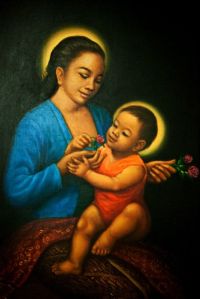 Some of us may wonder why the Church places the celebration of the solemnity of Mary, the Mother of God on January 1, or on the New Year. One may guess that the Church wants us to attend mass on the first day of the year, so as to start the year right. For those who wish to have a long holiday, it might be pretty a killjoy, but for some of us who wish to be blessed for the entire year, it is a nice thought. Yet, surely there is something deeper than that.
 Balthazar, Melchior, and Gaspar, as the tradition called them, were neither Jews nor baptized Christians. In Greek ancient manuscripts of the Gospel, the word used to describe them is ‘magos’, meaning ‘someone with magical power’ or ‘magicians’, and practicing magic is detestable in the eyes of the Jews (2 Chro 33:6). Even the Catholic Church herself prohibits our engagement with any kind of magic (CCC 2116). Yet, we cannot be sure what kind of magic they craft, but one thing is certain that these Magi read the sign of times and follow the star. Because of this, they are called as one of those ancient astrologers, star-readers who predict the human behaviors and the future.
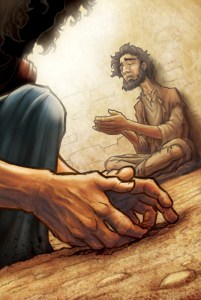 Blindness is the most dreadful disability for many of us. It is the loss of vision, living in total darkness for our entire lives. Blindness is the inability to see the beauty of the world and people who love us. In the Old Testament, blindness puts one in great disadvantages. The well-known story of Isaac who was tricked by his own son Jacob so that he might get his blessing began with Isaac losing his eyesight. Blind people are also hindered from fulfilling their religious duties. The Law of Moses dictates that the blind cannot offer sacrifice to the Lord,p; even blind animals can not be offered to the Lord! (see Lev 21-22). Blindness was associated with sinners. (see Deu 28:29). That is why Jesus’ disciples asked whether the man’s blindness was caused by his sin or his parents’ sin.
 Cinta kasih bukanlah untuk orang yang lemah hatinya. Mengasihi itu sulit, bahkan bagi mereka yang seharusnya kita cintai secara alami dan mudah. Kadang-kadang, kita menyesal telah mengikat diri dalam pernikahan dengan seseorang yang moody, banyak tuntutan dan tidak lagi menarik. Kadang-kadang, kita ingin menendang keluar anak-anak yang menjadi keras kepala dan susah diatur. Kadang-kadang, kita, kaum berjubah, juga berpikir bahwa kita telah memasuki Kongregasi atau biara yang salah.


 Mengapa banyak orang datang menemui Yohanes Pembaptis dan mendengarkan dia? Saya percaya bahwa orang-orang Yahudi ini lapar akan kebenaran. Mungkin kebenaran ini tidak nyaman dan menyakitkan untuk didengar, tetapi mereka ingin dan perlu mendengarkannya. Mereka bosan mendengarkan pemimpin mereka, seperti orang-orang Farisi dan Saduki, yang tidak jujur dan hidup dalam kemunafikan. Mereka kelelahan oleh banyak kewajiban agama, namun tidak menemukan inspirasi dan contoh yang baik dari pemimpin mereka. Yohanes datang dan mewartakan kebenaran dengan kesederhanaan dan integritas, dan orang Israel tahu bahwa mereka harus mendengarnya.
 Last Sunday, Jesus reminded us to pray without getting weary. But, in today’s Gospel, Jesus tells us that there is something more than perseverance in prayer. It has something to do with the way we pray. Not only quantity of prayer, but also the quality of prayer. Yet, how do we know that we have a quality prayer?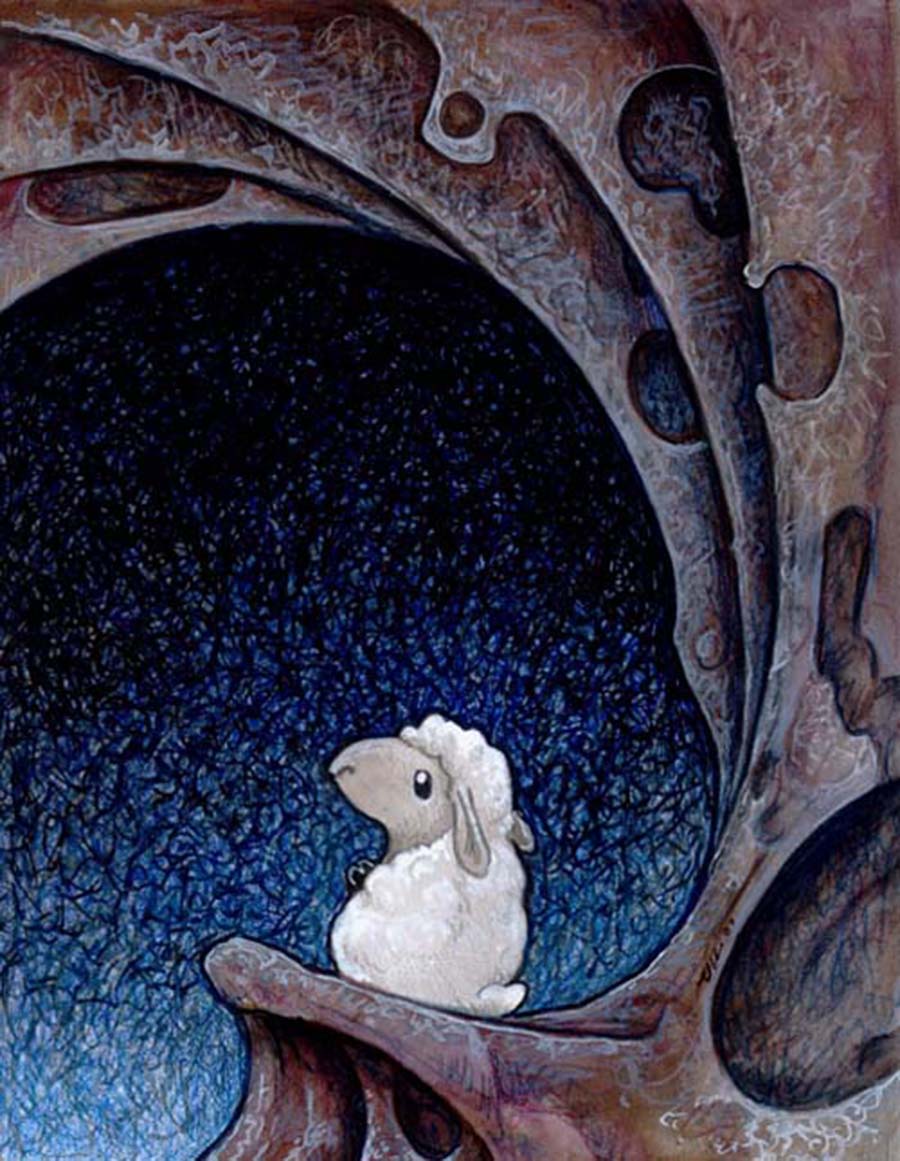
 The parable of the lost sheep subtly speaks of who we are fundamentally to Jesus. We are all His sheep and He is our shepherd. Whether we faithfully remain inside the sheepfold or go astray, we are still His sheep.
