


Minggu Biasa ke-19 [13 Agustus 2017] Matius 14: 22-33
“Hai orang yang kurang percaya, mengapa engkau bimbang?” (Mat 14:31)
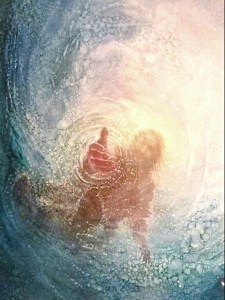 Laut adalah anugerah bagi umat manusia. Bagi banyak dari kita, laut berarti berbagai macam seafood, dan tempat untuk menikmati liburan. Bila kita membayangkan lautan luas dengan pantai yang indah, kita siap untuk berenang, snorkeling atau menyelam. Namun, ini jauh berbeda bagi jutaan nelayan dan pelaut. Laut berarti kehidupan karena mereka menggantungkan hidup mereka dan keluarga mereka pada laut, baik sumber daya yang dimiliki dan perkerjaan yang dihasilkan. Sayangnya, laut tidak selalu berarti kehidupan. Laut adalah tempat bagi badai-badai dahsyat dan gelombang-gelombang raksasa yang bahkan bisa menelan kapal-kapal terbesar yang pernah dibangun manusia. Dengan efek pemanasan global, polusi laut yang masif dan cara-cara penangkapan ikan yang merusak alam, sekarang semakin sulit bagi nelayan sederhana untuk mendapatkan tangkapan yang baik. Penulis Ernest Hemingway dalam bukunya “The Old Man and the Sea” menceritakan tentang kehidupan nelayan tua yang setelah mempertaruhkan nyawanya untuk menangkap ikan raksasa, tidak membawa pulang apapun kecuali tulang ikan karena tangkapannya dihabisi oleh ikan-ikan lain. Mayoritas para nelayan terus berjuang dengan hutang dan sulitnya mendapatkan bahan bakar untuk perahu mereka. Merekapun menjadi semakin miskin dari hari ke hari. Hal ini membuat nelayan dan pelaut adalah profesi yang berbahaya.
Danau Galilea bukanlah lautan. Tentunya, ini jauh lebih aman daripada laut terbuka, namun Injil mengatakan bahwa danau ini bisa mematikan bahkan bagi nelayan berpengalaman seperti Petrus dan rasul lainnya. Seperti Petrus dan para rasul di tengah badai, para Dominikan Filipina yang menjadi misionaris ke kepulauan Babuyan di ujung utara Filipina tahu betul apa artinya berada pada belas kasihan lautan. Untuk menuju ke tempat misi mereka, mereka harus menyeberangi selat dengan perahu sekitar 4 sampai 8 jam perjalanan. Ini mungkin sebuah selat kecil, tapi ini adalah selat yang ganas dan berbahaya karena menghubungkan Samudra Pasifik ke timur dan Laut Cina Selatan ke barat. Saat laut di selat ini dalam kondisi yang tidak baik, maka perahu-perahu dihantam dan dipermainkan oleh ombak-ombak raksasa. Inilah saat misionaris kita dan semua yang ada perahu tersebut tidak dapat melakukan apapun kecuali berdoa, dan mungkin ini adalah doanya yang paling tulus yang pernah mereka daraskan dalam hidup mereka. Ketika berada pada belas kasihan samudera, kita mulai menyadari bahwa apa yang paling penting dalam hidup adalah hidup itu sendiri, dan karena hanya hidup ini yang paling penting, segala sesuatu yang lain sepertinya sepele dan tidak banyak artinya.
Namun, di sinilah muncul sebuah paradoks. Di tengah laut yang ganas, berpegangan pada hidup yang rapuh, kita menjadi paling dekat dengan pencipta kehidupan sendiri. Laut yang dasyat menyapu bersih segala hal yang berdiri di antara kita dan Tuhan. Semua hal yang menambahkan berbagai lapisan pada kehidupan kita tersapu bersih. Seiring semakin banyaknya pencapaian kita, kekayaan, pencapaian pendidikan, keindahan fisik, berbagai barang dan kehormatan, kita cenderung semakin penuh dengan diri kita sendiri, dan menjadi lebih mandiri dari Tuhan yang memberi berkat-berkat itu. Seperti Petrus, iman kita menjadi kecil, terlalu bergantung pada diri kita sendiri. Kemudian, saat badai datang, ketika kita mulai tenggelam, kita menyadari bahwa semua pencapaian kita ini tidak akan menyelamatkan kita.
Apakah di dalam hidup kita yang berdiri di antara kita dan Tuhan? Apakah kita seperti Petrus, orang yang iman kecil? Apa pengalaman badai laut dalam hidup kita? Bagaimana kita menjumpai Tuhan dalam pengalaman laut yang penuh badai ini?
Frater Valentinus Bayuhadi Ruseno, OP

 This Sunday, the Church is celebrating the feast of Transfiguration. The word ‘transfiguration’ comes from Matthew who writes Jesus transfigures before the three disciples, Peter, James and John, his face shines like the sun and his clothes become white as light (17:2). The word “transfigure” is the direct transliteration of the Latin Vulgate Bible “transfigurare”. It is a combination of two words “trans” meaning to across, and “figura” meaning figure. Thus, transfiguration literally means the change of figure. It is a fitting word to describe what happens to Jesus.
 Minggu ini, Gereja merayakan Pesta Yesus yang menampakkan kemulian-Nya yang juga dikenal sebagai Transfigurasi. Kata “transfigurasi” adalah transliterasi dari kata Latin “transfigurare” yang digunakan oleh Alkitab Latin Vulgata. Ini adalah kombinasi dua kata “trans” yang berarti melintasi, dan “figura” yang berarti bentuk atau figur. Dengan demikian, transfigurasi secara harfiah berarti bahwa perubahan bentuk atau figur. Ini adalah kata yang tepat untuk menggambarkan apa yang terjadi pada Yesus di Gunung tinggi.
 From today’s parables, we learn that Jesus appreciates human labor, the use of technology, and economic activities. The parables speak of men buying and selling land, merchants making transactions, and fisher folk catching and selecting the fish. Yet, the appreciation comes with a particular condition: the activities have to be honest and just.
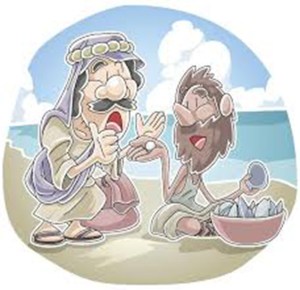 Dari perumpamaan-perumpamaan hari ini, kita menyadari bahwa Yesus sejatinya menghargai kerja, kemampuan mengunakan teknologi dan kegiatan ekonomi manusia. Perumpamaan-perumpamaan tersebut berbicara tentang seseorang yang membeli dan menjual tanah, pedagang melakukan transaksi, dan nelayan menangkap dan memilih ikan mengunakan jaring. Namun, apresiasi Yesus hadir dengan sebuah kondisi: aktivitas manusia ini harus jujur dan juga adil.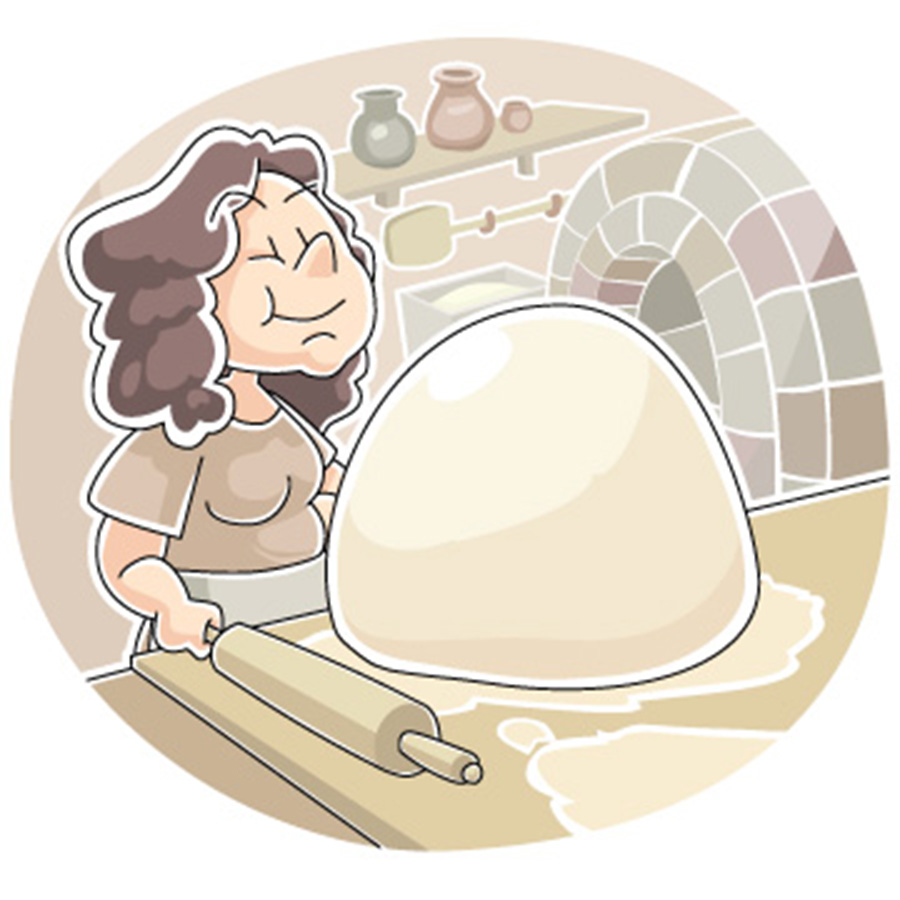
 From the several parables that Jesus tells us in today’s Gospel, we learn that Jesus is keen on how nature works. He observes how seeds of wheat and weed grow, and how the yeast would affect the dough in the process of baking. Jesus also is observant of human ingenuity in working with nature for the benefit of the human community. Men and women till the land, are observant to the cycle of nature, sow the well-prepared seeds, take care of the growth and then harvest the result for the good of community. The use of yeast for baking is a very ancient method of cooking. Women would place yeast in dough, and the microorganism would interact with the carbohydrate in the flour, creating carbon dioxide, and as an effect, the leaven dough would expand. Though unleavened bread will last longer, this yeast would make the bread softer and tastier, making it more enjoyable for human consumption.
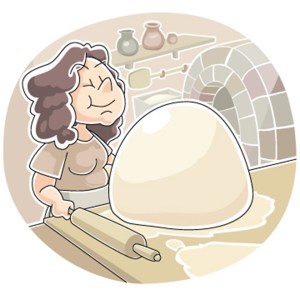 Dari beberapa perumpamaan yang Yesus katakan kepada kita di dalam Injil hari ini, kita belajar bahwa Yesus sangat peka dengan bagaimana alam bekerja. Dia mengamati bagaimana biji gandum, lalang dan sesawi tumbuh, dan bagaimana ragi akan mempengaruhi adonan roti. Yesus juga memperhatikan kecerdasan manusia dalam bekerja dengan alam bagi kepentingan dan kebaikan komunitas manusia. Pria dan wanita mengolah tanah, mematuhi siklus alam, menabur benih yang disiapkan dengan baik, menjaga pertumbuhan dan kemudian memanen hasilnya untuk kebaikan komunitas. Penggunaan ragi adalah metode masak yang sangat kuno. Wanita akan menempatkan ragi dalam adonan, dan mikroorganisme ini akan berinteraksi dengan karbohidrat dalam tepung, menciptakan karbon dioksida, dan sebagai akibatnya, adonan ragi akan berkembang. Meski roti tidak beragi akan bertahan lebih lama, ragi ini akan membuat roti lebih lembut dan lebih nikmat untuk dikonsumsi.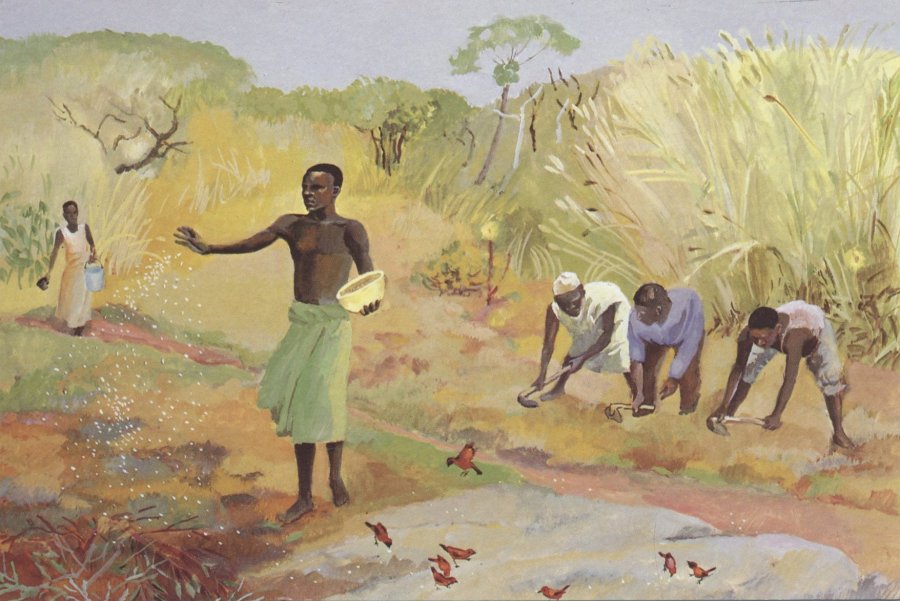
 Looking carefully into the parable, we find something strange. The agrarian land in Palestine was not as fertile and arable like many other countries like Indonesia and Philippines. It was expected that some seeds would fall into stony grounds, or be outgrown by the thorny plans. Yet, the Israelite farmers knew very well that seeds were their lifeline and wasting three-quarter of their seeds was just unthinkable. To add to this oddity, Jesus assured that this waste of seeds would be compensated with super abundant result of thirty to hundredfold harvest. A seasoned farmer recognized that an ordinary wheat seed planted in the Palestinian soil would yield just enough for the family. Thus, many of Jesus’ listeners would wonder, “What is he talking about? He is just a carpenter, and now he is talking to us from a boat about agriculture?” Even His disciples were puzzled and approached Him for clarification.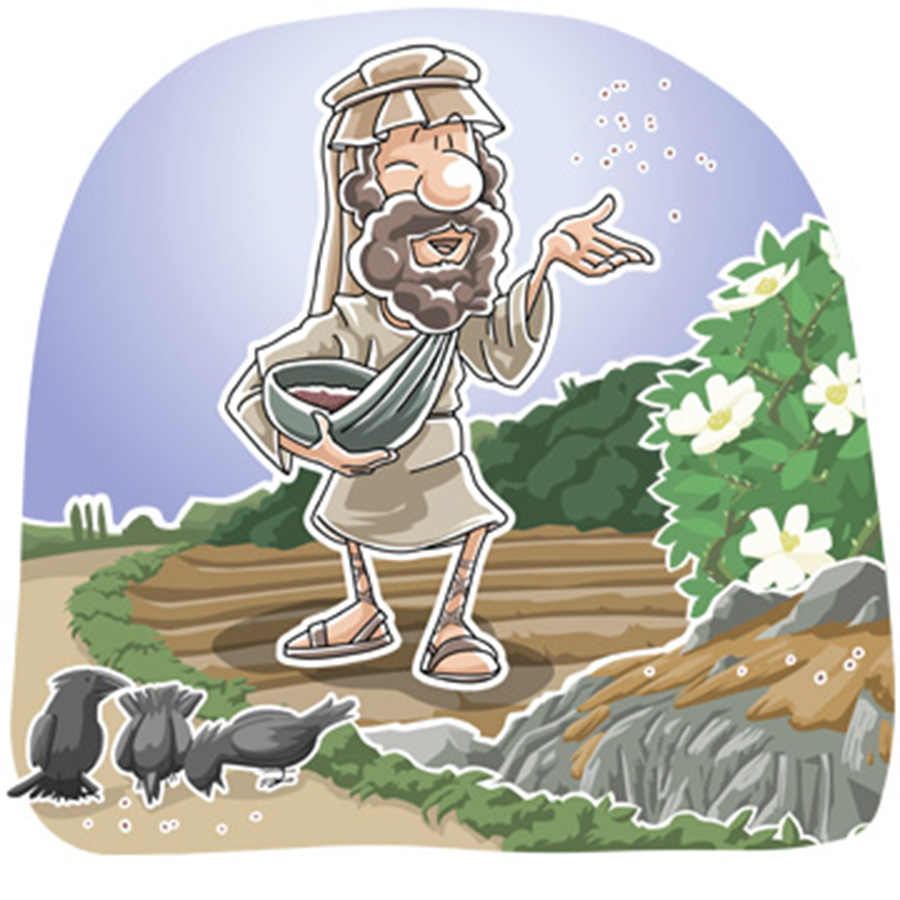
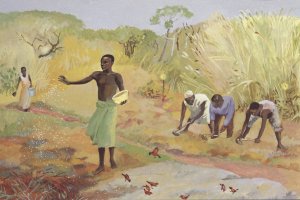

 Yoke is a device, usually of wood, placed on the shoulder of animals or persons to carry a burden. In agricultural settings, a yoke is used to pull a plow to make a furrow on the ground so that the soil will be ready for the seed planting. But, a yoke can be used also to drag a cart and transport various goods. Because its primary function is to carry a load or burden, a yoke turns to be a symbol of responsibility, hard work, and obligation. In our seminary in Manila, a leader among the brothers is called a decano. In the beginning of the formation year, we elect our decano, and as he assumes his responsibility, he ceremonially receives a wooden yoke from the outgoing decano. The yoke reminds him of responsibility and great task that he has to endure through the year.
