

32nd Sunday in Ordinary Time [B]
November 10, 2024
Gospel: Mark 12:38-44
In the Gospel of Mark, Jesus commends a poor widow who gives her last two small coins to the Temple. He points out why her act is so remarkable: “Out of her poverty, she gave everything she had, all she had to live on” (Mark 12:44). Jesus admires her because, despite her extreme poverty, she displays extraordinary generosity. But there’s a deeper message here. What is it?
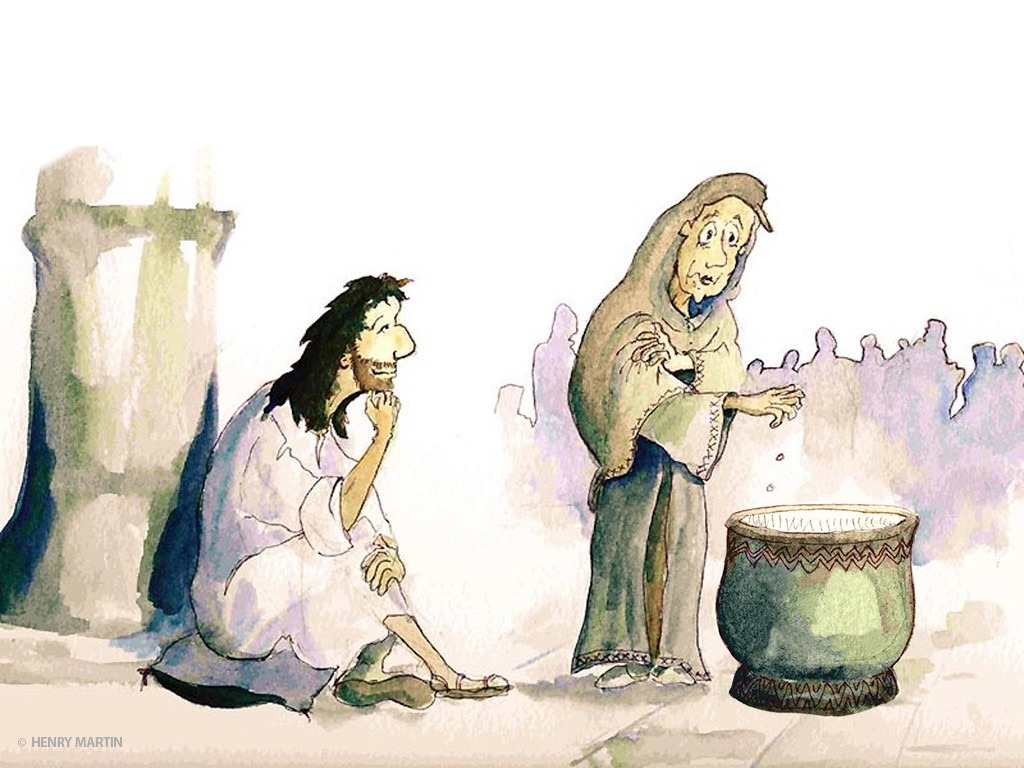
We need to ask, “Why is this widow poor?” In Jesus’ time, widows were among the most vulnerable, especially if they had no family to support and protect them. Because of this, God instructed the Israelites to care for widows (see Deu 14:29 and Isa 1:17). Yet, in this Gospel passage, there is a clue to why this widow has been pushed into poverty. Before praising the widow, Jesus condemns the scribes not just for seeking popularity, but for a more sinister reason, “They devour widows’ houses” (Mark 12:40).
How did the scribes take advantage of widows? There are a few possibilities:
Firstly, Abuse of Legal Authority. The scribes, experts in Jewish law, were trusted as legal advisors or trustees, especially for widows who needed help managing their affairs after their husbands’ death. Afterall, these scribes were men of God! Sadly, some of them abused this trust, using their legal knowledge to manipulate proceedings for personal gain, sometimes even committing fraud.
Secondly, Predatory Lending. Some scribes engaged in predatory lending practices. Under the guise of providing financial help, they would lend money to widows and gradually entrap them in severe debt. When the widows couldn’t repay these debts, they were forced to give up their homes and possessions, ultimately becoming destitute.
While we don’t know the exact way the widow in this story was exploited, we do know she suffered injustice. Despite this, her response is remarkable. Instead of feeling embittered or blaming God, she remains generous and devoted. Even in her suffering, she loves God with all her heart, strength, and life. Why? Because her faith rests in God Himself, not in flawed human representatives like the scribes. While people can fail or act unjustly, God does not. She believes God is watching her, and indeed, Jesus is watching her actions and recognizing her faith and sacrifice.
This story opens our eyes to harsh realities that can exist even within religious institutions. Yet, the widow’s example also teaches us how to respond to these challenges without losing our faith.
Reflection Questions:
Do we help bring people closer to God, or do we push them away? Do we use our position and knowledge to assist others or to take advantage of them? When bad things happen, do we blame God or maintain our trust in Him? Do we stand against injustice and wrongdoing within our communities and Church, or do we remain silent?
Rome
Valentinus Bayuhadi Ruseno, OP
 In Medio Ecclesiae