The Called

5th Sunday in Ordinary Time [C]
February 6, 2022
Luke 5:1-11

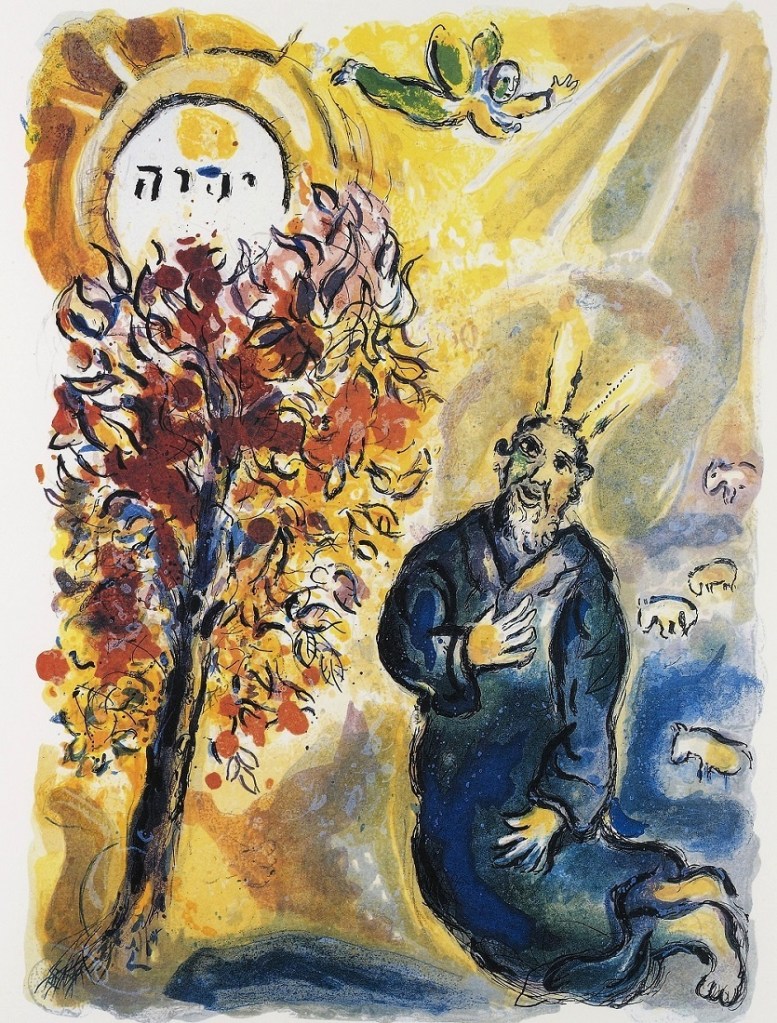
This Sunday, we listen to the vocation stories of three great persons in the Bible: Isaiah, Paul, and Peter. Indeed, they have their own unique stories with a different context. Isaiah had a vision of the heavenly Temple of God. Paul was making his journey towards Damascus. In contrast, Simon was doing his job as a fisherman. However, there is something common with the three of them.

photocredit: Jacquelin o Gara

Simon, Paul, and Isaiah admitted that they were sinners before God. The most obvious case is Paul, who used to be the persecutor of the Church. He was involved in many terrible sufferings of many Christians, and in fact, he saw the Lord in his mission to bind the Catholics in a chain in Damascus. Before the Lord, Isaiah claimed that he was a man of unclean lips and living among the people of the unclean lips. We are not entirely sure what ‘unclean lips’ means. It may refer to the sin of blasphemy that is insulting God’s name. Another possibility is the sin of untruthfulness. Isaiah and the Israelites were living in lies and dishonesty.

Meanwhile, Simon acknowledged before Jesus that he was a sinful man. Again, we are not sure what Simon’s sin was. He might be someone who possessed anger issues, which affected his life and others.

The response of Jesus to Simon’s admission of his sinfulness was not belittling his condition. Jesus never said, “It is fine. It is not a big deal!” Jesus recognized Simon’s human weakness and frailty. Perhaps, in His divine intellect, Jesus knew that Simon would eventually deny Him thrice and run away like a coward. Yet, Jesus still called Simon and said, “Do not be afraid; you will be catching men.”

God does not call Simon, Paul, and Isaiah because they are perfect and blameless men. God calls them despite their sinfulness and invites them to be part of His work. God makes Simon the fisher of men, Paul the greatest apostle to the nations, and Isaiah the great prophet of the Old Testament. Amazing things happen when we say ‘yes’ to God’s plan. They failed and faltered, and God will raise them again. If we say ‘no’ to God’s plan and our excuse is that we are sinful, weak, and incapable, that is false humility and, in fact, lack of faith. We do not trust God enough that He can transform us into a better version of ourselves. We doubt that God will equip us for the mission.

Yet, it is equally vital always to remember who we are: both weak and sinful as well as loved and called. We cannot be boastful if we succeed in our ministries because apart from God, we are nothing. Paul said in his letter that he is the most hardworking among all the apostles, but immediately he admitted that it was because of the grace of God [see 1 Cor 11:10]. Paul eventually concluded, “Whoever boasts should boast in the Lord [1 Cor 1:31].”

Valentinus Bayuhadi Ruseno, OP

Agape

5th Sunday in Ordinary Time [C]
January 30, 2022
Luk 4:21-30
1 Cor 12:31 – 13:13

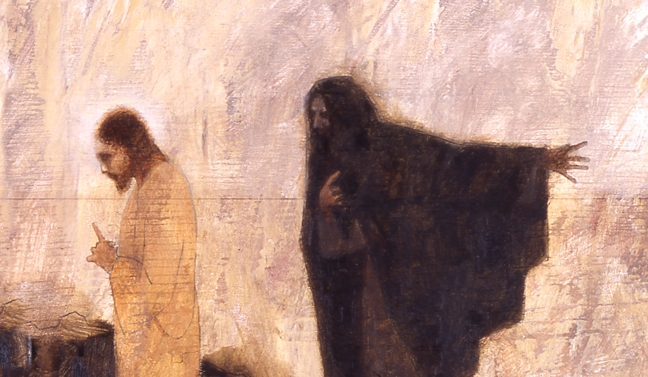
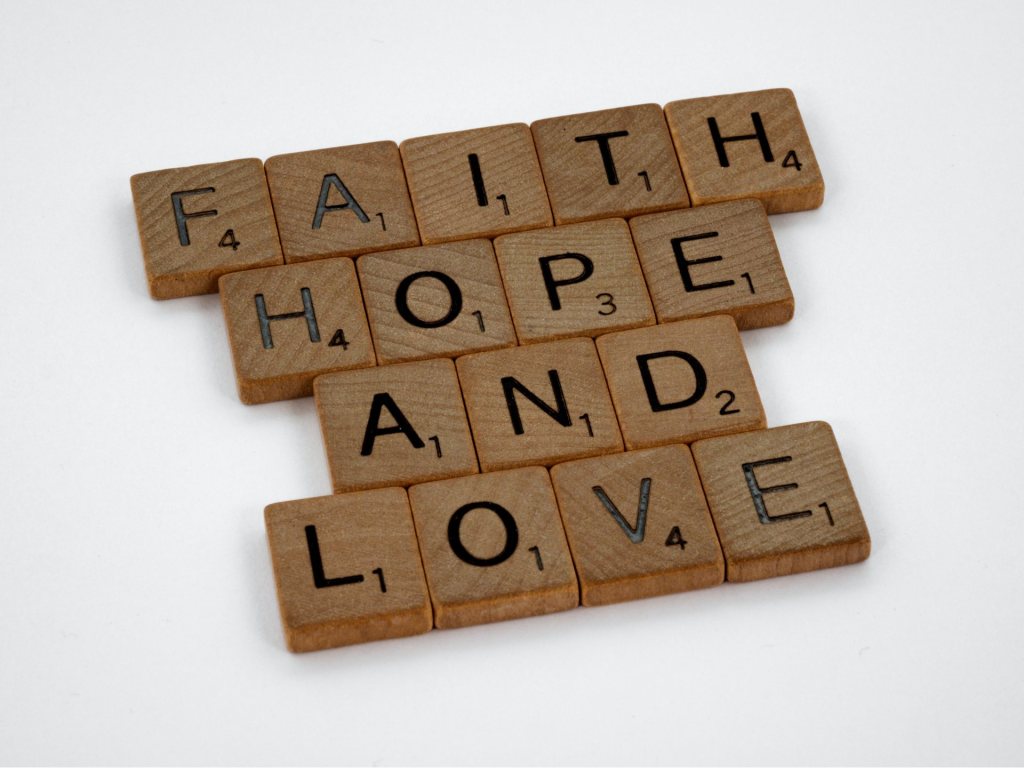
What is the greatest gift of the Holy Spirit for Paul? Is it speaking in tongue? Gift of understanding intricate mysteries of God? Gift of performing mighty deeds or healing? For Paul, it is love.

photocredit: Brett Jordan

Paul himself says that if we have the gift of tongues to speak foreign languages or the language of angels, it will be useless without love. If we have the gift of prophecy or possess the knowledge and understanding of the mysteries of faith or the faith to move the mountains, they will be meaningless without love. If we donate everything we have, and to the point of sacrificing ourselves, but the motive is not to love, then it will be useless.

But, what makes this love is special? In Greek, several words can be translated as ‘love,’ namely ‘eros,’ ‘filia,’ and ‘agape.’ Eros is a love that unites man and woman in marriage and is open to new life. Filia is the love of friendship. People who have the same interest or vision in life tend to like and stick together as friends. Then, we have ‘Agape.’ This kind of love is radically different from Eros and Filia. While the other two are love moved by emotional power, agape primarily is the willpower and commitment. No wonder it is also called sacrificial love.

One powerful element that Paul introduces to the agape as a gift of the Holy Spirit is that it is not a static gift. It is not only something received and then given. Paul calls it ‘the most excellent way.’ The word ‘way’ points to journey, process, and growth. Agape is dynamic and growth-oriented. We do not only love, but we also grow in love.

In English, the words used to describe agape are adjectives, but these words are verbs in original Greek. Agape is not something static but action-oriented and dynamic. Agape is not simply patient, but agape is trying to be patient. Agape is not merely kind, but it is performing kindness. There is a transformation from someone who does not care about others to someone who learns to show compassion. Agape is not simply quick-tempered but is making a great effort not to be destructive in expressing anger.

What is fantastic about agape is that it is a gift of God for every Christian, and we possess the ability to learn and grow in love. We might not have the gift of healing, or the gift of prophecy, or the gift of performing miracles, but we can learn to be more patient with one another. We might not have the charism to teach or the authority to govern our communities, but we can decide not to be rude to people we do not like. We might not be the most brilliant guys in the group or someone who contributes a lot to others, but we can always be someone who patiently listens.

Agape is both the most fundamental as well as the most excellent. We are called to grow in love each time because, in the end, all things will cease, and only love remains.

Valentinus Bayuhadi Ruseno, OP

Theophilus

Third Sunday in Ordinary Time [C]
January 23, 2022
Luke 1:1-4; 4:14-21

One unique thing to Luke is that he addressed his Gospel [and his Acts of the Apostles] to the most excellent Theophilus. Who is this Theophilus? We are not entirely sure, and this name has been a subject of debates and discussions for centuries. However, there are several things we may extract from the Gospel’s texts.

photocredit: Tim Wilsmith

The first thing is that he was honorably addressed as ‘the most excellent’ [in Greek, ‘kratiste’]. This is an honorific title for a high Roman government official or a high nobleman during those times. Thus, Theophilus was someone politically powerful and wealthy. But why did Luke have to mention this affluent man? Most probably, it is because Theophilus is the one who supported Luke in the effort of writing his Gospel and Acts. The production of writing in ancient times is an extremely costly undertaking. Unlike papers in our time, parchment [from the animal skins] and papyrus [imported from Egypt] were not cheap raw materials for writing. Quality ink was not easy to get as well. Sometimes, authors had to hire a professional scribe to write correctly on a papyrus. Luke also indicated that he researched reading earlier gospels [most probably Mark and Matthew] and interviewing the eyewitnesses [perhaps Blessed Virgin Mary]. These efforts could cost a fair amount of money as well. No wonder experts say that to produce one single copy of a gospel may cost more than 2,000 USD. Theophilus has been instrumental in the production of Luke’s Gospel.

The second information we have about him is that Theophilus was most probably a Christian or at least a Catechumen. Luke wrote the purpose of his Gospel is ‘so that you may know the truth concerning the things about which you have been instructed [Luk 1:4].’ The word ‘instructed’ in Greek is ‘katekeo,’ the root word of catechism and catechesis. Theophilus has received some sort of catechism or teaching concerning the Catholic faith, but he wanted to know more, especially the certainty of the foundation of his faith.

How did the Gospel of Luke impact Theophilus? We are never sure, but we are confident that the Gospel has influenced millions of people tremendously. One more interesting is that the name Theophilus means the friends of God [theos + philios]. This Gospel is not just addressed to the historical figure called Theophilus, but to all of us, who are friends and lovers of God. Thus, reading carefully and prayerfully this Gospel deepens our love and friendship with the Lord. Luke’s Gospel has been acclaimed as one of the most beautifully composed books. From the stories like the prodigal son and the lost sheep, we discover more about the unparalleled mercy of God to us. From Luke also, we got the heartwarming stories of Mary as the first and most faithful disciple.

We all are called to be a Theophilus. Someone who dares to spend our time, energy, and other resources to know the certainty of our faith. And from this certainty, we are invited into loving friendship with the Lord.

Valentinus Bayuhadi Ruseno, OP

Rahasia Pernikahan yang Bahagia

Minggu ke-2 Masa Biasa [C]
16 Januari 2022
Yohanes 2:1-11

Saya benar-benar beruntung dapat mengunjungi kota Kana di Galilea tepat sebelum pandemi covid-19 merajalela. Di sana, saya berkesempatan memimpin pembaruan ikrar janji nikah pasangan-pasangan yang ikut dalam perziarahan. Salah satunya adalah orang tua saya, dan tentu saja, itu adalah saat yang cukup membuat saya canggung. Namun, saya sangat bersyukur ketika saya menyadari kesetiaan mereka, melalui suka dan duka kehidupan pernikahan, tetapi yang terpenting, saya bersyukur atas rahmat Tuhan yang berkerja dalam hidup mereka.

Masyarakat modern kita ditandai oleh banyaknya pasangan suami istri yang menghadapi masalah pelik pernikahan dan juga orang-orang muda yang tidak lagi melihat pernikahan sebagai bagian mendasar dari kehidupan mereka. Perceraian menjadi normal baru, dan perselingkuhan merajalela. Kekerasan dalam rumah tangga mewarnai media berita dan media sosial kita. Ada pasangan-pasangan menolak untuk memiliki anak atau hanya menyerahkan anak kecil mereka ke babysitter. Beberapa orang bahkan menolak sama sekali pernikahan, dan menganggap pernikahan dan keluarga sebagai beban dan ‘penjara’. Beberapa lebih memilih hewan peliharaan daripada membesarkan keluarga manusia yang nyata.

Pernikahan dan membesarkan anak tentunya tidak mudah, tetapi itu sangat penting bagi masa depan kita sebagai umat manusia. Namun, hal ini bukan hanya masalah kelansungan kita sebagai spesies, tetapi juga merupakan rencana Tuhan bagi kita untuk berpartisipasi dalam kepenuhan hidup. Jika kita melihat lebih dekat pada Alkitab, kita akan menemukan tempat sentral dari pernikahan di dalam Kitab Suci. Kisah penciptaan memuncak dengan pria dan wanita menjadi satu dalam perjanjian pernikahan. Mukjizat pertama Yesus terjadi dalam konteks pernikahan dan bagi pasangan yang sedang menikah. Buku terakhir dari Alkitab, Kitab Wahyu, berakhir dengan pesta pernikahan Anak Domba.

Lalu, bagaimana kita mengatasi masalah-masalah besar yang menimpa pernikahan? Tentu banyak hal yang perlu kita lakukan, namun ada satu cara mendasar yang tidak boleh kita lewatkan. Injil memberitahu kita bahwa masalah kekurangan anggur dihindari karena pasangan itu mengundang Yesus, dan ibu-Nya. Maria memperhatikan masalah serius yang ada dan meminta Putranya untuk campur tangan. Yesus melakukan mukjizat-Nya yang pertama, dan bukan hanya masalah anggur terpecahkan, tetapi mereka juga mendapatkan anggur terbaik. Semua ini terjadi bahkan tanpa disadari oleh pasangan yang berpesta tersebut tersebut.

Ini adalah pelajaran berharga dari Pernikahan Kana. Sudahkah kita mengundang Yesus dan sang Bunda-Nya ke dalam pernikahan dan keluarga kita? Apakah kita mengandalkan Tuhan dalam upaya kita membesarkan anak-anak kita? Sudahkah kita mendekatkan satu sama lain kepada Tuhan? Jika kita membawa Tuhan dalam pernikahan dan keluarga kita, saya percaya bahwa Tuhan telah melakukan hal-hal yang luar biasa bahkan tanpa kita sadari.

Kembali ke Injil ini, kepala pelayan memuji pengantin pria karena anggur terbaik yang bertahan sampai akhir. Ketika pernikahan dan keluarga kita berhasil melewati badai kehidupan, kita diundang untuk menyadari bahwa anggur terbaik adalah dari Tuhan. Pernikahan yang bahagia terdiri dari pasangan yang bersyukur.

Valentinus Bayuhadi Ruseno, OP

The Secret of Happy Marriage

2nd Sunday in Ordinary Time [C]
January 16, 2022
John 2:1-11

I was truly fortunate that I could visit Cana in Galilee just before the covid-19 pandemic. There, I had the opportunity to officiate the renewal of marriage vows of the couples who participated in the pilgrimage. One of them was my parents, and indeed, it was an awkward moment for me. Yet, I was full of gratitude as I recognized their faithfulness to one another through the thick and thin of marriage life, but most of all, I am grateful for God’s grace in their life.

Our modern societies are marked by countless married couples facing complex problems and young people who do not see marriage as a fundamental part of their lives. Divorce becomes the new normal, and infidelity is rampant. Domestic violence colors our news outlets and social media. Couples refuse to have children or hand over their little children to babysitters. Some people even decline to commit to married life and consider marriage and family a burden and ‘prison.’ Some choose pets rather than raising a real human family.

Marriage and rearing children are not easy, but they are critical to our survival to our future as a human race. Yet, it is not only for us as species, but it is also God’s plan for us to participate in the fullness of life. If we look closely at the Bible, we will discover the central place of marriage within the Scriptures. The story of creation culminates with the man and the woman becoming one in a marriage covenant. The first miracle of Jesus took place within the context of marriage and for the sake of the married couples. The final book of the Bible, the Revelation, ends with the wedding feast of the Lamb.

How, then, do we counter these herculean problems that beset marriage? Indeed, there are many things we need to do, yet, there is one fundamental way we must not miss. The Gospel tells us that the lack of wine was averted because the couple invited Jesus and His mother. Mary noticed the looming serious problem and requested her Son to intervene. Jesus did His first miracle, and not only problem solved, but they got the best wine. All this happened even without the couple being aware of it.

This is a precious lesson from the Wedding of Cana. Have we invited Jesus and His mother into our marriage and family? Do we rely on God in our effort to raise our children? Do we bring one another closer to God? If we bring God into our marriage and family, I believe that God has done marvelous things even without noticing it.

Going back to the story, the steward praised the groom for the best wine that lasted to the end. When our marriages and families succeed through the storms of life, we are invited to recognize that the best wine is from the Lord. Happy marriages consist of grateful couples.

Valentinus Bayuhadi Ruseno, OP

The Meaning of Jesus’ Baptism

The Baptism of the Lord [C]
January 9, 2022
Luke 3:15-16, 21-22

Jesus’ Baptism is the starting point of Jesus’ public ministry. This explains why the Church always opens the ordinary season of the liturgical years with the story of Jesus’ Baptism in the Jordan. However, the question that I often face is ‘Why did Jesus need to be baptized?” If Jesus is God and sinless, why did He has to undergo John’s Baptism of repentance?”

The Church answered this question a long time ago. The Catechism of the Catholic Church states, “The baptism of Jesus is on his part the acceptance and inauguration of his mission as God’s suffering Servant. He allows himself to be numbered among sinners; he is already “the Lamb of God, who takes away the sin of the world”. Already he is anticipating the “baptism” of his bloody death… [CCC 536].”

To elaborate more on the Church’s teaching, Jesus’ Baptism shows His solidarity with us, sinners. Though He was not a sinner, He shared the lot of sinners. During the Incarnation, Jesus takes upon Himself our weak and limited human nature. Yet, it does not stop there. He also shares our suffering and death. Jesus’ Baptism in Jordan anticipates His true ‘baptism’ on the cross. Once again, this shows to us how God loves us to the end. When Jesus loves, He gives it all.

From here, we discover that why we are baptized is not because this is a long family tradition imposed upon us, but it is our participation in the Baptism and life of Christ. If Jesus’ Baptism is a sign of His solidarity with weak human beings, our Baptism is the sign of our unity with our brothers and sisters, especially those suffering. If Christ’s Baptism is anticipation of His Suffering and Death, our Baptism is our death to old life and selfishness. If Jesus’ Baptism is a sign of His sacrificial love, our Baptism shall propel us to love God and our neighbours totally.

Some of us got baptized when we were little children, and perhaps, we do not recall what happened. We do not get the feeling, and because of that, we want to repeat the whole process with more dramatic effects. Some wish to be submerged into a deep pool, and some want to be baptized in the Jordan River. Some only accept their Baptism as something good if they feel the sudden rush of the Holy Spirit. Yet, the sacrament of Baptism is not about our feelings; in fact, it is not about us. True Baptism makes us Christians, ‘little Christs’, and we are called to live like one. What matters is not how we feel about our Baptism, but how we live our Baptism.

The Church teaches us that sacramental Baptism is once and for all. When we are baptized, all our sins are forgiven, we are transformed into God’s children, and we become parts of Christ’s body, the Church. Baptism begins our salvation, but it does not end there. What is even more important is how we live our Baptism, how we participate in the life and mission of Christ, and how we love as Jesus loves.

Valentinus Bayuhadi Ruseno, OP

Kristus, Raja Hidup Kita

Hari Raya Kristus Raja Semesta Alam [B]

21 November 2021

Yohanes 18:33-37

Minggu Kristus Raja adalah hari Minggu terakhir dalam Tahun Liturgi. Perayaan ini adalah peringatan yang tepat bagi kita semua bahwa pada akhirnya, Yesus adalah raja kita. Namun, bagi banyak dari kita, kita tidak benar-benar tahu apa artinya menjadi hamba pada seorang raja. Beberapa dari kita mungkin memiliki raja atau ratu sebagai kepala negara kita, tetapi biasanya mereka tidak terlibat dalam kehidupan kita sehari-hari. Faktanya, di dunia, kita hanya memiliki sedikit monarki absolut seperti Sultan Brunei, Raja Arab Saudi, dan Paus!

Hidup dalam masyarakat modern, kita menghargai dan menjaga kebebasan dan otonomi pribadi. Kita memperjuangkan hak-hak dasar kita, dan kita bahkan berjuang ke pengadilan untuk menuntut keadilan atas hak-hak kita. Pelanggaran hak asasi manusia dianggap sebagai kejahatan berat. Di alam demokrasi, kita memutuskan bagaimana kita ingin diatur dengan memilih pejabat publik yang kita inginkan. Kita memilih di mana, bagaimana, dan dengan siapa kita ingin hidup. Mereka yang ingin membatasi kebebasan kita adalah tiran dan diktator. Jadi, ketika kita merayakan Hari Raya Kristus Raja, gelar rajawi Yesus ini tidak terlalu berarti bagi kita. Kita dapat dengan mudah melihat Yesus sebagai sahabat dan saudara kita, tetapi Yesus sebagai raja kita adalah konsep yang asing.

Namun, dalam Injil, Yesus sebagai raja adalah salah satu identitas-Nya yang paling mendasar. Yesus disebut Kristus, yang berarti yang diurapi, dan gelar ini terutama mengacu pada seorang raja seperti raja Daud. Yesus memulai pelayanan-Nya dengan membangun Kerajaan Allah dan memilih dua belas rasul sebagai suku baru Israel. Tindakannya hanya masuk akal jika Yesus adalah raja kerajaan itu. Dalam Injil hari ini, Pilatus bertanya kepada Yesus apakah Dia seorang raja, dan Yesus memberikan jawaban tegas-Nya. Di kayu salib, penjahat yang bertobat berkata kepada Yesus, “Ingatlah aku ketika kamu datang sebagai raja!” Bahkan, di salib-Nya, identitas-Nya tertulis dengan jelas, “Yesus Raja orang Yahudi.”

Apa artinya memiliki Yesus sebagai raja kita? Mengapa itu penting bagi kita? Jawabannya adalah yang paling penting bagi kita. Yesus bukan hanya seorang raja, sama seperti raja-raja lainnya, tetapi Dia juga pencipta hidup kita. Dia merancang kodrat kita bahwa kita hanya akan sampai pada tujuan sejati kita di dalam Tuhan. Jadi, menerima Yesus sebagai raja kita, dan hidup sesuai dengan rencana-Nya, adalah jalan pasti kita menuju kemuliaan dan kebahagiaan sejati.

Iblis mengetahui hal ini dengan sangat baik, dan dia menggoda orang tua pertama kita untuk percaya bahwa mereka bisa menjadi ‘tuhan’ tanpa Tuhan. Strategi yang sama masih digunakan sampai hari ini, dan kita dibuat untuk percaya bahwa kebebasan tanpa Tuhan adalah apa yang kita butuhkan. Kita mencoba untuk mengendalikan segala sesuatu dalam hidup kita, kita membesarkan ego kita, dan kita berperilaku seperti raja-ratu kecil. Namun sejatinya, ini adalah sumber frustrasi, kekhawatiran, dan ketidakbahagiaan kita. Hanya saat kita mati bagi diri kita sendiri dan sekali lagi mengizinkan Yesus meraja di dalam hati kita, kita menjadi sungguh merdeka, autentik dan bahagia.

Hidup Kristus Raja!

Valentinus Bayuhadi Ruseno, OP

Christ, the King of Our Lives

The Solemnity of Our Lord Jesus Christ, King of the Universe [B]
November 21, 2021
John 18:33-37

Christ the King Sunday is the ultimate Sunday of the Liturgical Year. The feast is a fitting reminder for all of us that, in the end, Jesus is our king. Yet, we do not have any idea what it means to be a subject to a king for many of us. Some may have kings or queens as their heads of state, but ordinarily, they do not involve in our daily lives. In fact, we have only very few absolute monarchs in the world, like the Sultan of Brunei, King of Saudi Arabia, and the Pope!

Living in modern societies, we cherish and value personal freedom and autonomy. We fight for our fundamental rights, and we go to the courts to demand justice. The violations of human rights are considered serious crimes. We decide how we want to be governed by electing our desired public officials. We choose where, how, and with whom we want to live. Those who want to limit our freedom are tyrants and dictators. Thus, when we celebrate the feast of Christ the King, this royal title of Jesus does not mean too much for us. We can easily relate to Jesus as our friend and brother, but not Jesus as our king.

Yet, in the Gospel, Jesus as a king is one of His most fundamental identities. Jesus is called the Christ, meaning the anointed one, and this title refers primarily to a king like King David. Jesus begins His ministry by building the Kingdom of God and chooses twelve apostles as the new tribes of Israel. His actions only make sense if Jesus is the king of that kingdom. In today’s Gospel, Pilate asks Jesus whether He is a king, and Jesus gives His affirmative answer. On the cross, the repented criminal says to Jesus, “remember me when you come as a king!” In fact, on His cross, His identity is written, “Jesus King of the Jews.”

What does it mean to have Jesus as our king? Why does it matter to us? The answer is that it is all that matters. Jesus is not only a king, just like any other kings, but He is also the author of our being. He designs our nature that we will only arrive at our true purpose in God. Thus, accepting Jesus as our king, and living according to His plans, is our sure path to true glory and happiness.

The devil knows this too well, and he seduced our first parents to believe that they can be ‘gods’ without God. The same strategy is still employed today, and we are made to think that freedom apart from God is what we need. We are trying to control everything in our lives, boost our egos, and play little gods. Yet, this is the source of our frustration, worries and unhappiness. Only when we die to ourselves and once again allow Jesus to reign in our hearts, we are the freest and authentic.
Live Christ the King!

Valentinus Bayuhadi Ruseno, OP
photocredit: Daniel Gutko

Pertobatan dan Akhir Zaman

Minggu Biasa ke-33 [B]
14 November 2021
Markus 13:24-32

Kita mendekati akhir tahun. Kita berada di pertengahan November, dan kita akan mengakhiri 2021 setidaknya 50 hari lagi. Pada saat yang sama, kita berada pada hari Minggu ke-33 pada Masa Biasa, dan minggu depan, kita akan merayakan Kristus Raja, hari Minggu pamungkas dalam tahun Liturgi. Dengan demikian, Gereja memberi kita Injil yang berbicara tentang akhir zaman.

photocredit: Austrian National Library

Yesus sedang bersama murid-murid-Nya di Bukit Zaitun tepat di sebelah timur Yerusalem, menghadap Bait Allah. Salah satu murid-Nya mengklaim bahwa Bait Allah dibangun dengan megah dan sungguh, Bait Allah menjadi salah satu keajaiban kuno. Bangunan ini dibangun dengan mengumpulkan ribuan batu besar. Satu balok batu bahkan bisa mencapai lebih dari 10 ton. Tidak hanya megah, itu juga indah. Emas dan batu mulia menghiasi bangunan suci ini. Tidak heran jika banyak orang berharap bahwa Bait Allah akan bertahan selamanya.

Namun, Yesus memiliki pandang berbeda. Dia menyatakan penghakiman-Nya atas Yerusalem, dan Bait Allah akan dibakar dan dihancurkan hanya dalam satu generasi setelah Yesus. Sungguh, penghakiman Yesus menjadi kenyataan ketika pada tahun 70 M, Titus dan tentara Romawinya mengepung dan akhirnya meratakan Yerusalem. Josephus, seorang sejarawan Yahudi, menceritakan bahwa selama pengepungan, ratusan orang disalibkan setiap hari dan orang-orang di dalam kota terpaksa melakukan praktik kanibalisme untuk bertahan hidup. Bait Allah terbakar, dan setelah beberapa waktu, bangunan paling indah di zaman kuno tinggal reruntuhan dan puing-puing saja.

Mengapa Yesus mengucapkan penghakiman yang begitu mengerikan ke kota Yerusalem, ke tempat suci di Israel? Itu karena Yerusalem, terutama para penatua, menolak Yesus, dan menolak Yesus berarti menolak Tuhan sendiri. Namun, penghakiman semacam ini bukanlah pertama kalinya. Dalam Perjanjian Lama, para nabi terus memperingatkan bangsa Israel untuk kembali kepada Allah. Namun, Israel, yang diwakili oleh raja dan imamnya, menolak panggilan itu, dan bahkan menganiaya para nabi Allah. Kerajaan Israel akhirnya menghadapi penghakimannya. Kerajaan utara dihancurkan oleh kekaisaran Asyur pada 721 SM, dan kerajaan selatan diasingkan oleh kekaisaran Babilonia pada 587 SM.

Yesus tidak bertindak seperti seorang nabi malapetaka yang pesimistis. Yesus pada dasarnya membangkitkan pesan para nabi pendahulu-Nya. Pesan Injil Yesus adalah pertobatan. Kita dipanggil untuk percaya kepada Yesus, dan ini bukan hanya di bibir kita, tetapi juga dalam hidup kita. Yesus mengkritik para pemimpin agama di zaman-Nya, baik para imam maupun kaum awam, yang melakukan tugas keagamaan mereka sebagai sebuah pertunjukan, tetapi secara diam-diam melakukan kejahatan terhadap kaum miskin Israel. Jika kita gagal untuk bertobat, kita mungkin akan menghadapi bencana yang sama.

Sering kali, saya mendengar beberapa orang berkata, “Saya akan mengakui dosa-dosa saya ketika saya sudah tua.” Atau, “Saya tidak perlu berubah karena ketika saya sekarat, saya akan menerima pengurapan orang sakit, dan saya akan pergi ke surga.” Pemikiran seperti ini berbahaya. Mengapa? Pertama, ini adalah penyalahgunaan rahmat, sebuah dosa serius. Kedua, jika kita tidak bertobat sekarang, semakin keras hati kita, dan semakin sulit untuk keluar dari jeratan dosa kita.
Penghakiman Yesus mungkin tentang akhir Yerusalem dan akhir zaman, tetapi intinya adalah tentang pertobatan kita di sini dan sekarang.

Valentinus Bayuhadi Ruseno, OP

Repentance and the End of Time

33rd Sunday in Ordinary Time [B]
November 14, 2021
Mark 13:24-32

We are nearing the end of the year. We are in the middle of November, and we are going to end 2021. At the same time, we are at the 33rd Sunday in Ordinary Time, and next week, we will celebrate Christ the King, the ultimate Sunday of the Liturgical year. Thus, the Church provides us with the Gospel that speaks about the end.

Danie Franco

Jesus was with his disciples on the Mount of Olive just at the east side of Jerusalem, facing the Temple. One of His disciples claimed that the Temple was magnificently built, and indeed, it turned to be one of the ancient wonders. The building was constructed by putting together thousand massive stones. One stone block could even reach more than 10 tons. Not only imposingly grand, but it was also majestic. The gold and precious stones adorned this holy structure. No wonder if people would expect that the Temple would last forever.

However, Jesus disagreed. He pronounced His judgment over Jerusalem, and the Temple would be burned and destroyed just within a generation after Jesus. Indeed, Jesus’ judgment became a reality when in 70 AD, Titus and his Roman army besieged and eventually razed Jerusalem to the ground. Josephus, a Jewish historian, narrated that a hundred people were crucified every day during the siege and people inside the city resorted to cannibalism to survive. The Temple was burning, and after some time, the most beautiful edifice in ancient times was nothing but ruins and rubbles.

Why did Jesus pronounce such terrible judgment to the city of Jerusalem, to the sacred place in Israel? Jerusalem, especially the elders, rejected Jesus, and refusing Jesus means to deny God Himself. This was not, however, that the first time. In the Old Testament, the prophets kept warning the Israelites to return to God. However, most of the time, Israel, represented by its kings and priests, declined the call and even persecuted the prophets of God. The Kingdom of Israel was eventually facing its judgment. The Assyrian empire decimated the northern kingdom in 721 BC, and the Babylonian empire exiled the southern kingdom in 587 BC.

Jesus was not acting like a pessimistic prophet of doom. Jesus resurrected the message of the prophets. The message of the Gospel is repentance. We are called to believe in Jesus, which is not only in our lips but also in our lives. Jesus criticized the religious leaders in His time, both the priests and the laity. They performed their religious duties for a show but secretly committed crimes against the poor of Israel. If we fail to repent, we might court the same disaster.

Often, I hear some people say, ‘I will confess my sins when I am old.” Or, “I do not need to change because when I am dying, I will receive the anointing of the sick, and I will go to heaven.” This kind of thinking is dangerous. Why? Firstly, it is an abuse of grace, a severe sin. Secondly, if we do not repent now, the more obstinate, we become, and the harder it is to get out from our vices.

Jesus’ judgment might be about the end of Jerusalem and the world, but the core is about repentance here and now.

Valentinus Bayuhadi Ruseno, OP
Photocredit: Danie Franco