

Minggu ke-16 di Masa Biasa [A]
19 Juli 2020
Matius 13: 24-43
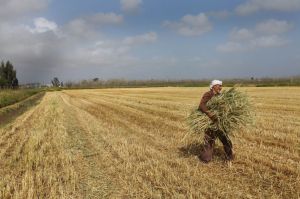 Perumpamaan tentang gandum dan ilalang adalah sangat unik. Jika kita meneliti detailnya, kita seharusnya terkejut. Pertama, jika kita menjadi orang yang akan menghancurkan ladang gandum lawan kita, kita tahu bahwa ada beberapa cara lain yang lebih efektif untuk mencapainya. Kita cukup membakar beberapa gandum, dan seluruh ladang pada akhirnya akan berubah menjadi api raksasa. Tetapi, musuh ini memilih taktik yang tidak lazim: menabur benih ilalang selama masa tanam. Sementara ilalang dapat mengganggu pertumbuhan gandum, mereka tidak akan cukup merusak dan menggagalkan panen. Jadi, apa tujuannya? Yang mengejutkan adalah keputusan pemilik ladang. Ketika dia diberitahu tentang keberadaan ilalang, dia segera tahu pelakunya, dan bukannya bertindak cepat untuk melindungi gandumnya, dia memutuskan untuk membiarkan ilalang tumbuh subur di antara gandumnya.
Seperti minggu lalu, para murid bingung dengan perumpamaan itu, dan ketika para murid menanyakan arti dari perumpamaan ini, mereka menemukan jawaban yang sekali lagi mencengangkan. Pemilik ladang adalah Allah Sendiri dan Dia mengizinkan anak-anak si jahat tumbuh di antara anak-anak Allah, baik di dunia maupun di Gereja. Tuhan sungguh mengizinkan hal itu! Dia mengizinkan anak-anak-Nya tidak akan memiliki perjalanan dan pertumbuhan yang mulus di dunia. Tuhan mengizinkan anak-anak-Nya diganggu dan bahkan dianiaya oleh si jahat. Tuhan mengizinkan anak-anak-Nya mengalami cobaan dan saat-saat sulit. Pertanyaannya adalah mengapa?
Kita dapat mengambil petunjuk dari St Paul. Dia pernah menulis, “Kita tahu sekarang, bahwa Allah turut bekerja dalam segala sesuatu untuk mendatangkan kebaikan bagi mereka yang mengasihi Dia, yaitu bagi mereka yang terpanggil sesuai dengan rencana Allah. [Rom 8:28].” Tuhan mengizinkan hal-hal buruk terjadi karena ini untuk kebaikan kita! Kebaikan macam apa ini? Dari sudut pandang manusiawi kita, mungkin ini tidak masuk akal, tetapi dari sudut pandang-Nya, segala sesuatunya terjadi dengan sangat indah bagaikan sebuah simfoni.
Yesus mengundang kita untuk memanggil Allah sebagai Bapa, dan surat kepada orang-orang Ibrani mengingatkan kita, “karena Tuhan mendisiplinkan orang yang dikasihi-Nya, dan Ia menyesah orang yang diakui-Nya sebagai anak.” Pencobaan dan kesulitan adalah pedagogi Tuhan terhadap siapa yang Dia kasihi. Sebagai orang tua, kita tahu bahwa kepedulian dan disiplin harus berjalan bersamaan. Kita sangat menyadari bahwa disiplin sejati juga adalah cara mencintai. Jika kita ingin anak-anak kita berhasil dalam kehidupan mereka, kita perlu mengajar mereka untuk menunda kepuasan mereka. Kita membiarkan mereka mengalami rasa sakit dan kesulitan terlebih dahulu sebelum kita memberi mereka hadiah. Orang tua saya biasanya meminta saya untuk belajar dan menyelesaikan PR terlebih dahulu, sebelum saya dapat menikmati televisi. Ini menghasilkan tidak hanya nilai baik di sekolah, tetapi juga kebiasaan saya untuk tidak lari dari masalah, tetapi untuk bersabar menghadapinya.
Saya percaya bahwa hal ini juga sama dengan Bapa kita di surga. Dia mengasihi kita dengan mengizinkan kita menanggung rasa sakit di dunia ini sehingga kita dapat benar-benar menghargai karunia rohani. Izinkan saya mengakhiri refleksi ini, dengan mengutip St. Paulus, “Kita malah bermegah juga dalam kesengsaraan kita , karena kita tahu, bahwa kesengsaraan itu menimbulkan ketekunan, dan ketekunan menimbulkan tahan uji [karakter sebagai anak-anak Allah-ed] dan tahan uji menimbulkan pengharapan. Dan pengharapan tidak mengecewakan…”[Rom 5:3-5]
Valentinus Bayuhadi Ruseno, OP

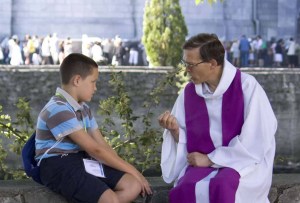 Dalam Injil hari ini, kita mengamati reaksi para murid setelah Yesus berbicara perumpamaan-Nya yang pertama. Mereka bingung dan heran! Mengapa? Karena Yesus tiba-tiba mengubah metode pengajaran-Nya. Dalam bab-bab sebelumnya, Yesus mengajar mereka dengan jelas, seperti dalam khotbah di Bukit [Mat 5-7], dan ajaran-Nya sangat mudah dimengerti walaupun kadang sulit untuk dilaksanakan. Namun, Yesus membuat perubahan tak terduga yang membuat banyak orang dan termasuk murid-Nya tak paham dengan mengunakan perumpamaan. Apa yang sebenarnya terjadi?
 From the previous two Sundays, we learn that Jesus lays down the cost of following Him, how to become His disciples. And they are extremely tough. One has to follow Jesus wherever He goes. One must love Jesus above anyone else. One must be ready to suffer persecutions and hardships, carry his cross, and give up his life for Jesus. It is Jesus or nothing at all. However, following Jesus is not all about hardship and sacrifice. Today we hear that to walking with Him, we receive certain “perks” that others cannot even dare to offer.
 Dari dua hari Minggu sebelumnya, Yesus menunjukkan apa yang harus kita serahkan untuk menjadi murid-Nya. Dan hal-hal yang harus kita lepaskan demi Yesus sanggatlah sulit. Kita harus mengikuti Yesus ke mana pun Dia pergi. Kita harus mengasihi Yesus lebih dari yang lain bahkan orang tua kita. Kita harus siap untuk menderita, menanggung kesulitan, memikul salib, dan menyerahkan hidup bagi Yesus. Pilihannya adalah Yesus atau tidak sama sekali. Namun, mengikuti Yesus tidak semua tentang kesulitan dan pengorbanan. Hari ini kita mendengarkan bahwa menjadi murid-Nya, kita menerima “hal-hal baik” yang hanya Yesus bisa berikan.
 Dalam banyak budaya seperti di Indonesia, Filipina dan Cina, menghormati orang tua kita adalah hal yang sangat penting. Di Indonesia, untuk mendidik nilai ini, cerita rakyat “Malin Kudang” diajarkan bahkan di sekolah dasar. Intinya, Malin tidak hanya gagal menghormati orang tuanya, tetapi juga sengaja mengabaikan ibunya yang sudah tua. Karena itu, dia dikutuk menjadi batu. Adalah sesuatu yang tidak termaafkan untuk tidak menghormati seseorang yang telah memberikan hidup kita dan mendidik kita untuk hidup.
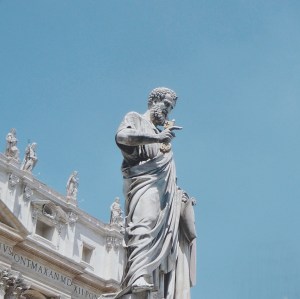 Jesus never promises that the disciple will have easy and prosperous lives. Jesus demands the opposite. After being chosen, the twelve disciples are sent to preach that the Kingdom is at hand, and yet they will not go like any royal emissaries with their military escort. No! They will travel as simple men going on foot and carrying minimal provision. They will rely on the generosity of their hosts, and the worst part is that they are going to face rejection.
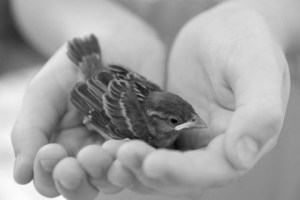 Yesus tidak pernah berjanji bahwa murid-murid-Nya akan memiliki kehidupan yang mudah dan makmur. Yesus menuntut yang sebaliknya. Setelah dipilih, kedua belas murid diutus untuk mewartakan bahwa Kerajaan Allah sudah dekat, namun mereka tidak akan pergi seperti utusan kerajaan duniawi dengan pengawalan voorijder. Tidak! Mereka akan pergi sebagai orang sederhana yang berjalan kaki dan membawa persediaan ala kadarnya. Mereka akan mengandalkan kemurahan hati tuan rumah mereka, dan bagian terburuknya adalah mereka akan menghadapi penolakan.
 Hari Raya Tubuh dan Darah Yesus Kristus berawal dari inisiatif St. Juliana dari Liege, yang meminta uskupnya dan sahabat-sahabatnya untuk menghormati secara khusus sakramen Ekaristi, dan kehadiran nyata Yesus Kristus dalam Sakramen Mahakudus. Berdirinya Ekaristi sendiri terjadi dalam Perjamuan Terakhir Tuhan, dan setiap Kamis Putih, Gereja merayakan peristiwa ini. Namun, karena Kamis Putih adalah bagian yang tidak terpisahkan dari Trihari suci Paskah, perhatian diberikan pada persiapan bagi umat beriman untuk memasuki misteri Sengsara dan Kebangkitan Tuhan kita. Karena berakar di Kamis Putih, Hari Raya Corpus Christi dirayakan pada hari Kamis setelah hari Minggu Tritunggal. Namun, di beberapa negara seperti Indonesia, perayaan dipindahkan ke hari Minggu berikutnya untuk mengakomodasi partisipasi yang lebih besar dari umat beriman.
