Mercy is the Option

24th Sunday in Ordinary Time [A]

September 13, 2020

Matthew 18:21-35

felix-koutchinski-QARM_X5HWyI-unsplash


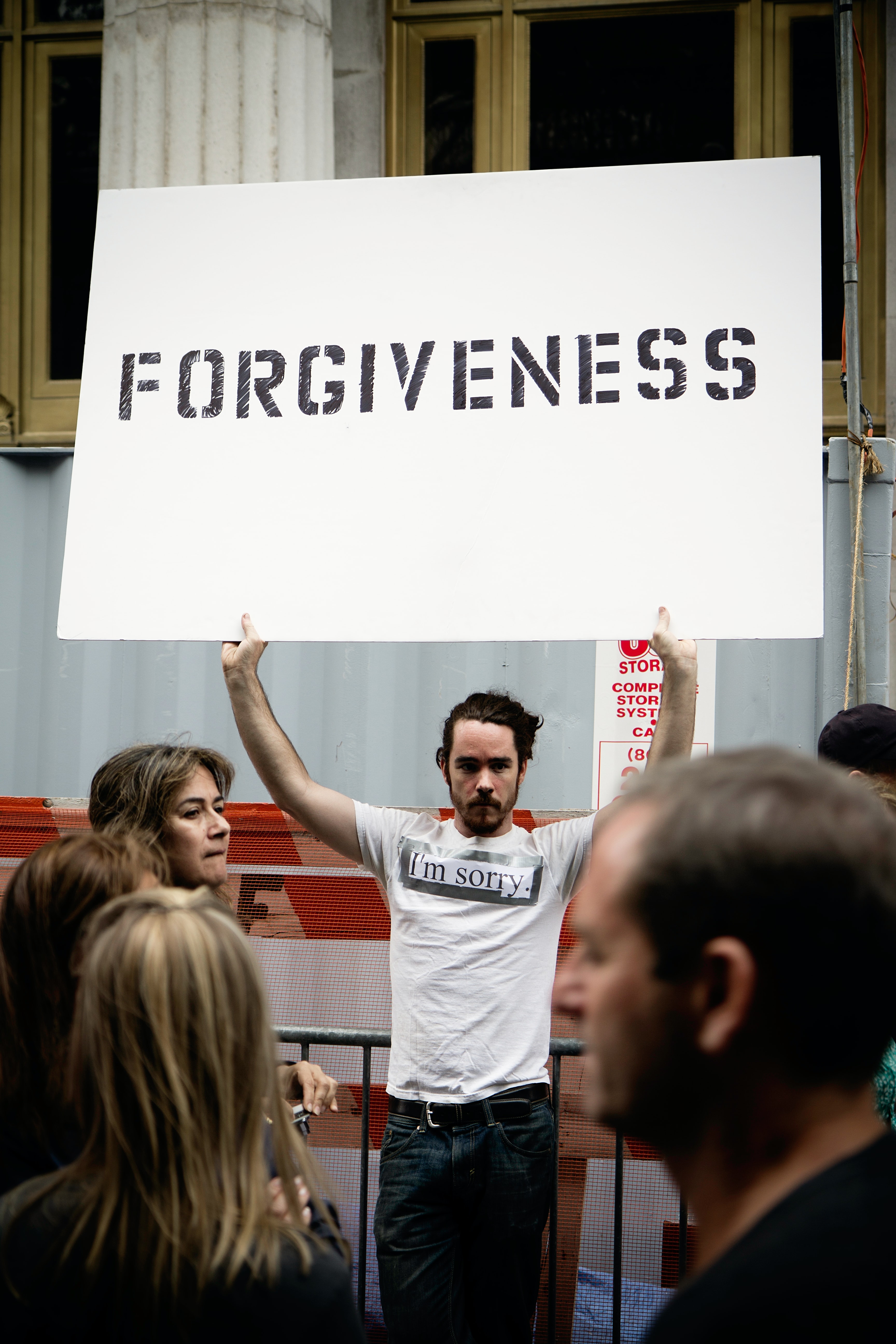
Last Sunday, the Gospel spoke about the fraternal correction. If a brother has offended us, we are obliged to offer charitable correction. This Sunday, the Gospel tells us what to do if a person who has received a correction, is repenting and asking for forgiveness. The answer is simple: we forgive him, and we embrace him back into the communion.

Simon Peter, the spokesperson of the disciples, is trying to impress his Master. He offers that he is willing to forgive up to seven times. Simon Peter wants to show Jesus that he is also capable of having a high standard. To his surprise, Jesus is not impressed, and in fact, teaches the disciples another great lesson about justice, mercy and forgiveness.

This time, Jesus pulls out His favorite method: telling a parable, and we will appreciate the parable if we are able to recognize the historical context and its surprise. A servant owes 10,000 talents to a king. In Jesus’ time, talent is a precious gold coin, and it equals to 6,000 denarii. One denarius itself is equivalent to a wage of one day labor. Thus, this servant owes 60,000,000 days of work to His Master [or around 160,000 years of work!]. Yes, despite the unthinkably fantastic amount of debt, the king easily forgives and erases the entire debt when the servant begs for mercy. This king’s attitude is even more insane!

Therefore, when the king receives the news that this forgiven servant refuses to forgive another fellow servant with infinitely smaller debt [100 denarii], his anger is justifiable, and expectedly, his mercy turns to justice.

Reflecting this parable, we understand that before the Lord God, we are no different from this servant. We deserve nothing from the Lord except one thing: hell! Sin has destroyed our relationship with God, and we created an infinitely bottomless pit. Finite as we are, nothing we can do to close the infinite gap. Only the infinitely powerful God possesses the ability to build the impossible bridge. Fortunately, Jesus has assured us that His Father is also the Mercy Himself. Though we deserve nothing but hell, God has opened the gate of Paradise to us.

Since nobody can earn God’s mercy, His mercy is always free, but it does not mean it is cheap. God wants us to do something also to receive His mercy. He expects us to be merciful. If He forgives us, then we need to forgive those who have hurt us. Jesus Himself reminds us that we should be merciful as our Father in heaven is merciful [Luk 6:36]. Being merciful is not an option. In fact, it is the justice that will be applied to us in the final judgment.

We know that to forgive is tough, but again we may learn from Jesus how to forgive. At the cross, He said, “Father, forgive them; for they do not know what they are doing [Luk 23:34].” The first step is to pray for those people who have offended us. By praying often, we train our heart to let go of our anger and bitterness, and even to learn to love the way God loves even those people who wish Him not to exist at all.

Valentinus Bayuhadi Ruseno

Fraternal Correction

23rd Sunday in Ordinary Time [A]

September 6, 2020

Matthew 18:15-20

josh-applegate-_TgzNXPF9IM-unsplash

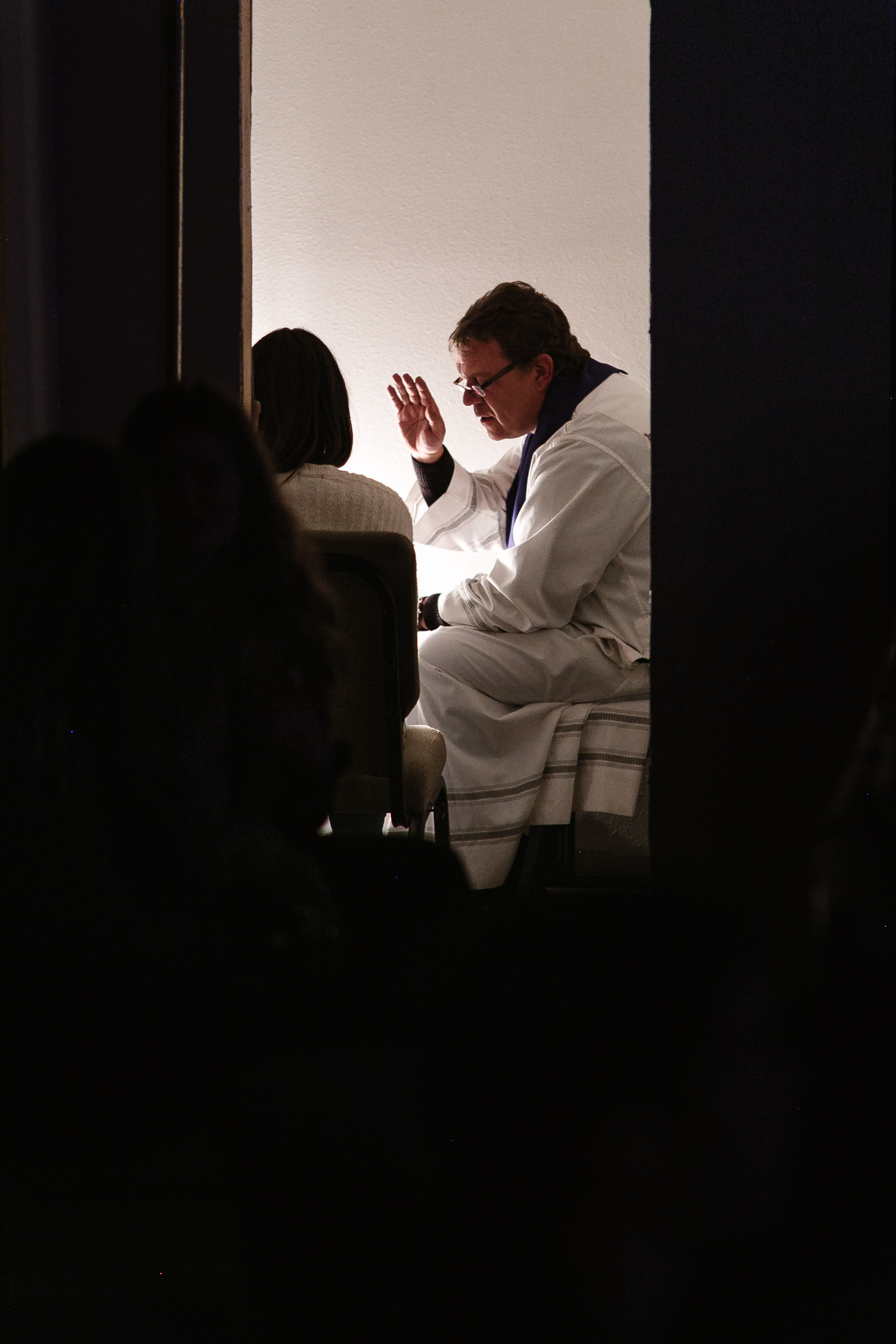
Today’s Gospel is well known as the fraternal correction or the way to correct our brothers. However, if we carefully read the text, we discover what being corrected is not simply about our appearance, mannerism, or etiquette. The concern of Jesus is about sin. Jesus does not teach us to correct someone who has a weird hairstyle, or someone who sleeps with a huge snore, or someone whose way of talking we do not like. If there is something that makes Jesus angry is none other than sin. Why so? Sin can destroy our relationship with God, and it closes the gate of heaven. Jesus’ mission is to bring forgiveness of sin and to undo the effects of sin, but if we refuse to repent and keep sinning, we throw insults to the sacrifice of Christ.

Jesus gives us the three stages of correcting a brother who lives in sin. The first level is a personal and compassionate reminder. We must not speak behind the person, but rather dare to confront and yet with charity. Just in case, the person is still obstinate, we activate the second level: calling two or three witnesses. The presence of witnesses will substantiate our claim. Yet, if the person remains stubborn, we shall appeal to the Church. We need to remember that the Church in Matthew 18 is not just an assembly of the believers, but the apostles, the authorities of the Church. If again, the person persists in his sin, then the Church has to treat him like gentiles and tax collectors.

Gentiles are non-Jewish nations and because they were not circumcised and worshiped idols, they are considered unclean and sinners. While the tax collectors were people who work for the Roman empire, and because their constant contact with the Romans and their corrupt practices, made them also unclean and sinners. The unclean people are not allowed to enter the Temple and synagogues to worship God. Thus, treating an obstinate brother like a pagan and tax collector means to separate him from the assembly in worship. This technical term for this is excommunication. This word is coming Latin words: “ex-” meaning outside, and “communion” meaning community or fellowship. Thus, being excommunicated is outside of the worshiping community. Thus, excommunicated persons are not allowed to receive the Holy communion, the sign of unity of the Body of Christ.

Excommunication seems to be too cruel, yet looking in a bigger perspective, it is a way of mercy, rather simply a tool of punishment. In fact, the Church rarely pronounced the sentence of excommunication. Most of the cases, it is the people who walk away from the Church and separate themselves from God and His people. We must also remember that Jesus is loving the gentiles and the tax collectors, calling them to repentance and performing many miracles for them. Our love for our brothers who are living sin remains and even gets intensified. The reason is that Jesus does not want them to perish, but live with God. We correct our erring brothers and sisters not because we hate them, but because we love them and because we are part of the same family of God. We are responsible for one another and we shall keep our brothers and sisters in our way toward heaven.

Valentinus Bayuhadi Ruseno, OP

Fraterna Correctio

Minggu ke-23 dalam Waktu Biasa [A]

6 September 2020

Matius 18: 15-20

bundo-kim-KYRHKbcWdYM-unsplashInjil kita hari ini dikenal dalam Bahasa Latin sebagai fraterna correctio atau cara mengoreksi saudara kita. Namun, jika kita membaca teks dengan cermat, apa yang dikoreksi bukan hanya tentang penampilan, tingkah laku, atau etiket kita. Yesus berbicara tentang dosa. Yesus tidak mengajari kita untuk mengoreksi seseorang yang memiliki gaya rambut aneh, atau seseorang yang tidur mendengkur. Jika ada sesuatu yang membuat Yesus marah tidak lain adalah dosa. Kenapa begitu? Dosa bisa menghancurkan hubungan kita dengan Tuhan, dan menutup gerbang surga. Misi Yesus adalah untuk membawa pengampunan dosa dan untuk menghilangkan efek dosa, tetapi jika kita menolak untuk bertobat dan terus berbuat dosa, kita menghina pengorbanan Kristus.
Yesus memberi kita tiga tahap mengoreksi saudara yang hidup dalam dosa. Tingkat pertama adalah pengingatkan secara pribadi dan penuh kasih. Kita tidak boleh berbicara di belakang orang tersebut, tetapi dengan berani untuk berkonfrontasi namun dengan kasih. Jika orang tersebut masih keras kepala, kita berlanjut ke tingkat kedua: memanggil dua atau tiga saksi. Kehadiran saksi akan memperkuat klaim kita. Namun, jika orang itu tetap keras kepala, kita akan banding kepada Gereja. Perlu kita ingat bahwa Gereja dalam Matius 18 bukan hanya kumpulan orang-orang beriman, tetapi para rasul atau otoritas Gereja. Namun, jika orang itu tetap dalam dosanya, Gereja harus memperlakukan dia seperti orang kafir dan pemungut cukai.

Bangsa-bangsa bukan Yahudi tidak disunat dan menyembah berhala, oleh karena itu mereka dianggap najis dan berdosa. Sedangkan pemungut cukai adalah orang-orang yang bekerja untuk kekaisaran Romawi, dan karena kontak mereka yang terus-menerus dengan orang Romawi dan praktik korupsi mereka, mereka dianggap juga najis dan berdosa. Orang-orang najis tidak diizinkan masuk ke Bait Allah dan sinagoga untuk menyembah Tuhan. Jadi, memperlakukan saudara yang keras kepala seperti orang-orang non-Yahudi dan pemungut cukai berarti memisahkan dia dari peribadatan. Istilah teknis untuk ini adalah ekskomunikasi. Kata ini berasal dari kata Latin: “ex-” yang berarti di luar, dan “communio” yang berarti komunitas atau persekutuan. Jadi, ekskomunikasi berada di luar komunitas yang berdoa. Dengan demikian, orang-orang yang diekskomunikasi tidak diperbolehkan menerima Komuni Kudus, yang adalah tanda kesatuan Tubuh Kristus.

Ekskomunikasi tampaknya terlalu kejam, namun melihat dalam perspektif yang lebih besar, itu adalah cara belas kasih, bukan sekadar alat hukuman. Pada kenyataannya, Gereja sangat jarang menjatuhkan sanksi ekskomunikasi. Sebagian besar kasus, adalah pribadi-pribadi itu sendiri yang menjauh dari Gereja dan memisahkan diri mereka dari Tuhan dan umat-Nya. Kita juga harus ingat bahwa Yesus juga mengasihi orang-orang bukan Yahudi dan pemungut cukai, memanggil mereka untuk bertobat, dan melakukan banyak Mujizat bagi mereka. Kasih kita kepada saudara-saudara kita yang hidup dalam dosa tetap ada dan bahkan semakin kuat. Mengapa? karena Yesus tidak ingin mereka binasa, tetapi hidup bersama Tuhan. Kita mengoreksi saudara dan saudari kita bukan karena kita membenci mereka, tetapi karena kita mengasihi mereka dan karena kita adalah bagian dari keluarga Allah yang sama. Kita bertanggung jawab satu sama lain dan kita akan menjaga saudara-saudari kita tetap berjalan menuju surga.

Valentinus Bayuhadi Ruseno, OP

Stumbling Stone

22nd Sunday in Ordinary Time [A]

August 30, 2020

Matthew 16:21-27

first communion 1Last Sunday, we listen to the confession of Peter on the true identity of Jesus. Here, Simon received a new name, the keys of the kingdom and the authority to bind and to loosen. He became the prime minister of the kingdom, the first pope. However, today, we witness the dramatic turn around. When Jesus foretold about His incoming passion, Simon reactively put his Master aside, and rebuked Him. As a response, Jesus expressed harshly,
“Get away behind me, Satan! You are a stumbling stone to me!”

Last episode, Simon was Peter, and today, Simon is “Satan.” Last week, Simon was the foundational rock, and today, Simon is the stumbling stone. Previous story, Simon was inspired by the Holy Spirit, and now, he is thinking his self-interest.

To call Simon that he was “Satan” is unexpected, but not uncalled-for. Perhaps Jesus would like to point out that Peter’s action was influenced by the devil himself.  Often, we think that the evil spirits influence us in the case of diabolic possessions, but in reality, diabolic possessions are an extraordinary way of attacking us. There is an ordinary way: it is through temptations and inducing ideas that oppose to the plan of God. The real battle takes place not so much in the possession of our bodies, but of our minds and souls.

Peter is also called as the stumbling stone, and in Greek, it is “scandalon.” Last Sunday, he was given a new identity, Peter, the foundation rock, but now, he turns to be a stumbling stone. Both are stone, but two opposing purposes. The foundation rock is to support the Church and God’s will, but the stumbling stone is to stop or at least, to obstruct and slow down God’s will. Jesus has set his eyes on Jerusalem, to offer His life as sacrifice on the cross and gloriously rise from the death. Yet, Simon, the stumbling stone, tried to oppose and prevent Jesus from fulfilling His Father’s will. Interesting enough, the word “Satanas” in Greek, may mean ‘the adversary.’  Simon becomes the adversary against Jesus’ mission.

Last week, I reflect on the mission of Simon Peter and how we become little Peters as God calls us for particular vocation and service despite our unworthiness. However, Jesus tells us that the real hindrance to our mission is not our weakness and unworthiness, but our selfish interest and agenda. Instead saying, “Your will be done,” we shout, “My will be done.” This is the devil’s game plan, that we put ourselves first, rather than God. Some of us are ordained priests, yet instead serving the people with dedication, we are busy to seek comfort and amass fortune for ourselves. Some of us are parents, yet instead bringing our children to God, we are preoccupied in chasing our own ambitions and careers.

Thus, Jesus makes a bold reminder, “what is the point of gaining the whole world and yet losing our souls?” At the gate of heaven, St. Simon Peter will ask us, “Have you been a stumbling stone to God’s will or have your been a foundation rock to His plan?”

Valentinus Bayuhadi Ruseno, OP

Batu Sandungan

Minggu ke-22 di Waktu Biasa [A]

30 Agustus 2020

Matius 16: 21-27

FILE PHOTO POPE FRANCIS BAPTIZES BABY VATICAN
 (CNS photo/Vatican Media)

Minggu lalu, kita mendengarkan pengakuan Petrus tentang identitas Yesus sebagai Kristus, Putra Allah yang hidup. Simon menerima nama baru dan kunci kerajaan surga. Ia menjadi perdana menteri kerajaan Allah, dan paus pertama. Namun, hari ini, kita menyaksikan perubahan dramatis. Ketika Yesus menubuatkan tentang sengsara-Nya, Simon secara reaktif menarik gurunya ke samping, dan menegur-Nya. Sebagai tanggapan, Yesus menyatakan dengan keras, “Enyahlah Setan. Engkau suatu batu sandungan bagi-Ku…! ”

Minggu lalu, Simon adalah Petrus, dan hari ini, Simon adalah “Setan”. Minggu lalu, Simon adalah batu fondasi, dan hari ini, Simon adalah batu sandungan. Minggu lalu, Simon diilhami oleh Roh Kudus, dan sekarang, dia memikirkan kepentingan dirinya sendiri.

Menyebut Simon  sebagai “Setan” adalah hal yang tidak terduga, tetapi juga sesuatu hal yang menarik di dalami. Mungkin Yesus ingin menunjukkan bahwa tindakan Petrus dipengaruhi oleh setan itu sendiri. Sering kali, kita berpikir bahwa roh jahat mempengaruhi kita dalam bentuk-bentuk kerasukan setan, tetapi kenyataannya, kerasukan setan adalah cara yang luar biasa untuk menyerang kita. Ada cara yang biasa: melalui godaan dan mendorong ide-ide yang bertentangan dengan rencana Tuhan. Pertempuran yang sebenarnya terjadi bukan dalam hal kepemilikan tubuh kita, tetapi dalam pikiran dan jiwa kita.

Petrus juga disebut sebagai batu sandungan, dan dalam bahasa Yunani “skandalon”. Minggu lalu, dia diberi identitas baru, Petrus, batu fondasi, tetapi sekarang, dia berubah menjadi batu sandungan. Keduanya adalah batu, tetapi dua tujuan yang berlawanan. Batu karang fondasi adalah untuk mendukung Gereja dan kehendak Tuhan, tetapi batu sandungan adalah untuk menghentikan atau setidaknya, untuk menghalangi dan memperlambat kehendak Tuhan. Yesus telah mengarahkan pandangannya pada Yerusalem, untuk mempersembahkan hidup-Nya sebagai korban di kayu salib dan dengan mulia, bangkit dari kematian. Namun, Simon, sang batu sandungan, mencoba melawan dan mencegah Yesus memenuhi kehendak Bapa-Nya. Kata “Satanas” dalam bahasa Yunani, dapat berarti ‘musuh’. Simon menjadi musuh yang melawan misi Yesus.

Minggu lalu, kita merenungkan misi Simon Petrus dan bagaimana kita menjadi Petrus-Petrus kecil saat Tuhan memanggil kita untuk sebuah panggilan dan pelayanan tertentu meskipun kita tidak layak. Namun, Yesus menyatakan bahwa hambatan sejati untuk misi kita bukanlah kelemahan dan ketidaklayakan kita, tetapi kepentingan dan agenda egois kita. Alih-alih berkata, “Terjadilah menurut kehendakmu,” kita berteriak, “terjadilah seturut kehendakku.” Ini adalah taktik besar setan, bahwa kita diajak mengutamakan diri kita sendiri, daripada Tuhan. Mungkin ada imam-imam yang tergoda dan sibuk mencari kenyamanan hidup dan mengumpulkan kekayaan untuk diri kita sendiri, daripada melayani umat dengan dedikasi. Mungkin ada orangtua-orangtua, yang alih-alih membawa anak-anak kita kepada Tuhan, malah disibukkan dengan mengejar ambisi dan karier kita pribadi.

Karena itu, Yesus mengingatkan dengan lantang, “apa gunanya mendapatkan seluruh dunia namun kehilangan jiwa kita?” Di gerbang surga, St. Simon Petrus akan bertanya kepada kita, “Apakah selama hidup, kamu menjadi batu sandungan bagi kehendak Tuhan atau telah menjadi batu fondasi bagi rencana-Nya?”


Valentinus Bayuhadi Ruseno, OP

We Are Peter

21st Sunday in Ordinary Time

August 23, 2020

Matthew 16:13-20

peter n crossToday’s Gospel speaks volume about the new identity and roles of St. Simon Peter as the leader of the college of the apostles, and thus, the leader of the Church. He is the chosen foundation rock upon which Jesus built His Church. He is the prime minister who holds the keys of the kingdom of God. He is the chief priest who is responsible for the Temple of God. He is the chief Rabbi whose teachings binds the entire faithful. These are the bigger-than-life privileges and one may wonder, “Among the disciples, why was he chosen? Did Jesus know that he would deny Him three times?”

Jesus’ choice is a huge mystery, yet in the final analysis, nobody is worthy to be the first pope. If we scan the Bible and try to see many vocation stories of the great leaders of Israel, we are going to see the same pattern: most of them are not worthy and great sinner. Abraham was a coward who hid behind his wife. Moses was involved in killing an Egyptian. David was committing adultery and plotting a murder of Uriah. God seems to have a penchant to choose unworthy sinner!

Yet, that is only half of the story. These great leaders possess their remarkable quality in relation to God’s mercy and love. Despite their weakness, they never lose hope in God’s grace working in them. When they fall, they learn to rise once again and allow God sustains them. This particular quality also that Simon has.

Through his life, Peter was struggling to love Jesus and to become a leader for Christ’s Church. He made few step on water, but doubted and distracted, he began to sink. He made divinely inspired statement on Jesus divinity, but right after, he prevented Jesus to accomplish His mission on the cross. Thus, Jesus called him “Satan!” He promised Jesus that he would lay down his life for Jesus, but less than twenty-four hour, he denied Jesus with curse, and ran away! Yet, despite so grave a sin, he repented, but does not despair. Compare to Judas who lost hope and killed himself in the process, Peter knew too well that there is nothing impossible for God. Indeed, the risen Christ restored his place as the leader and the shepherd of His flocks, after asking Simon’s confession of love thrice. Yet, that was not the end of the story. A tradition says that during the persecution of emperor Niro, Peter was trying to escape Rome. In his way out of the city, Peter encountered Jesus going to the opposite direction. He then asked Jesus, “Quo vadis, Domine? [where are you going, Lord?]” Jesus responded, “I am going to Rome, to be crucified again!” Hearing this, Peter ran back to Rome. True enough, he was arrested and crucified upside down.

The choice of Peter is a mystery, but also good news. We are like Simon Peter, we are chosen to be God’s people, chosen into particular role and mission, but deep in our hearts, we are not worthy and full of weaknesses. Why did God choose me to be His priest? Why did God want me to raise children for the kingdom? Why did God elect me to become His ministers? We are not sure the exact reason, but like Peter, we are also called to trust His providence, and never lose hope in midst of trials and failures, and to love even more.

Valentinus Bayuhadi Ruseno, OP

Kita adalah Petrus

Minggu ke-21 di Masa Biasa

23 Agustus 2020

Matius 16: 13-20

peter crucifixion 1Injil hari ini berbicara banyak tentang identitas baru dan peran St. Simon Petrus sebagai pemimpin para rasul, dan dengan demikian, pemimpin Gereja. Dia adalah batu fondasi pilihan yang di atasnya Yesus membangun Gereja-Nya. Dia adalah perdana menteri yang memegang kunci kerajaan Tuhan. Dia adalah imam kepala yang bertanggung jawab atas Bait Allah yang baru. Dia adalah Rabi kepala yang ajarannya mengikat seluruh umat beriman. Ini adalah hak istimewa yang luar biasa dan orang mungkin bertanya-tanya, “Di antara para murid, mengapa dia yang dipilih? Apakah Yesus tahu bahwa dia akan menyangkal-Nya tiga kali? “

Pilihan Yesus adalah sebuah misteri besar, namun pada akhirnya, tidak ada yang layak menjadi paus pertama. Jika kita membaca Alkitab dan mencoba melihat banyak cerita panggilan dari para pemimpin besar Israel, kita akan melihat pola yang sama: kebanyakan dari mereka tidak layak dan pendosa besar. Abraham adalah seorang pengecut yang bersembunyi di belakang istrinya. Musa terlibat dalam pembunuhan seorang Mesir. Daud melakukan perzinaan dan merencanakan pembunuhan Uria. Tuhan tampaknya memiliki kecenderungan untuk memilih orang berdosa yang tidak layak!

Namun, itu baru setengah dari cerita. Para pemimpin hebat ini memiliki kualitas luar biasa dalam hubungannya dengan belas kasihan dan cinta Tuhan. Terlepas dari kelemahan mereka, mereka tidak pernah kehilangan harapan akan kasih karunia Tuhan yang bekerja di dalam diri mereka. Ketika mereka jatuh, mereka belajar untuk bangkit sekali lagi dan membiarkan Tuhan menopang mereka. Kualitas khusus ini juga yang dimiliki Simon.

Sepanjang hidupnya, Petrus berjuang untuk mencintai Yesus dan menjadi pemimpin Gereja Kristus. Dia berhasil berjalan beberapa langkah di atas air, tetapi ragu sehingga dia mulai tenggelam. Dia membuat pernyataan yang diilhami Roh kudus tentang keilahian Yesus, tetapi segera setelah itu, dia mencegah Yesus untuk menuntaskan misi-Nya di kayu salib. Tak ayal, Yesus menyebutnya “Setan!” Dia berjanji kepada Yesus bahwa dia akan menyerahkan nyawanya untuk Yesus, tetapi kurang dari dua puluh empat jam, dia menyangkal Yesus tiga kali, dan melarikan diri! Namun, meskipun begitu besar dosa, dia memilih bertobat, tetapi tidak putus asa. Bandingkan dengan Yudas yang kehilangan harapan dan bunuh diri, Petrus tahu betul bahwa tidak ada yang mustahil bagi Tuhan. Sungguh, Kristus yang bangkit memulihkan tempatnya sebagai pemimpin dan gembala kawanan domba-Nya, setelah meminta pengakuan kasih Simon tiga kali. Namun, itu bukanlah akhir cerita. Sebuah tradisi mengatakan bahwa selama penganiayaan kaisar Niro, Petrus berusaha melarikan diri dari Roma. Dalam perjalanannya ke luar kota itu, Petrus bertemu Yesus berjalan dengan arah berlawanan. Dia kemudian bertanya kepada Yesus, “Quo vadis, Domine? [Ke mana kamu pergi, Tuhan?]” Yesus menjawab, “Aku akan ke Roma, untuk disalibkan lagi!” Mendengar ini, Petrus lari kembali ke Roma. Benar saja, dia ditangkap dan disalibkan secara terbalik.

Pilihan kepada Petrus adalah sebuah misteri, tapi juga kabar baik. Kita seperti Simon Petrus, kita dipilih menjadi umat Tuhan, dipilih untuk peran dan misi tertentu, tetapi jauh di lubuk hati kita, kita tidak layak dan penuh kelemahan. Mengapa Tuhan memilih saya menjadi imam-Nya? Mengapa Tuhan ingin saya membesarkan anak-anak untuk kerajaan? Mengapa Tuhan memilih saya untuk menjadi pelayan-Nya? Kita tidak yakin alasan pastinya, tetapi seperti Petrus, kita juga dipanggil untuk memercayai rencana-Nya, dan tidak pernah kehilangan harapan di tengah pencobaan dan kegagalan, dan untuk lebih mengasihi.

Valentinus Bayuhadi Ruseno, OP

See Mary, See Jesus

The Solemnity of the Assumption of Mary

August 15, 2020

Luke 1:39-45

assumption of mary 2Often, we, Catholics, are accused of overemphasizing Mary in our faith, liturgy, and even our daily lives. The usual objections are: “Why do we should see Mary if we can go directly to Jesus? Why should there be Mary between you and Jesus?”

These kinds of objections follow from the underlying presupposition that salvation is only about Jesus and me. We just need Jesus, and the rest are obstacles to Jesus. We do not need the Church, the saints, and especially Mary. These are excess baggage that has to be removed so that we can fly quickly to God. While we might be saved with this faith, but this is a narrow, individualistic, and even pompous view of faith, and more fundamentally, it is not kind of faith that God of the Bible teaches us.

In the Bible, God lays down the foundation for our salvation which is through His family. The primary keyword is covenant [or even translated as testament]. It is a solemn agreement to unite two parties into a family. God invited Adam, Noah, Abraham, Moses, and David and their families to be part of God’s family and salvation may be available for these people. And in the fullness of time, Jesus, the Son of God, forged a new and eternal covenant with God on behalf of humanity and entire cosmos. We are saved through the family of Jesus, the kingdom of God.

If we call God as our Father, then we are brothers and sisters in the family of God. If we are brothers and sisters, we have responsibility for one another’s salvation. The saints ceaselessly love and pray for us because they are our holy brethren in heaven, and want us to join them. Their presence does not in any way hinder our gaze on Jesus because precisely the more we see them, the more we see God’s perfection. If we can appreciate the mountains or oceans as work of God’s power and beauty, the more we shall appreciate the saints as supernatural masterpieces of God.

Chief among the saints is Mother Mary. She is the type-A of a human perfected by God’s grace. The more we see Mary, who she is and what she has become, the more we come closer to God in awe and adoration. If God can do great things to Mary, He will do the same to us. If God can redeem Mary perfectly, He will redeem us as well. If God can bring Mary to heaven, He will bring us also to heaven. And as the great sister in faith, she has even the utmost responsibility to bring us closer to God. She prays for us the hard; even she prays harder for those people who hate her.

St. Luke masterfully narrates how Mary, as the new ark of the covenant, brings Jesus in her womb to Elisabeth and John the Baptist. We also notice Elizabeth does not separate the two. When she sees Mary, she recognizes the Lord, and when she is aware of God’s presence, she acknowledges the sacred bearer, Mary. Through Jesus who is in Mary, Elizabeth and John are able to discover their authentic joy.

Valentinus Bayuhadi Ruseno, OP

Lihat Maria, Lihat Yesus

Hari Raya Pengangkatan Maria

16 Agustus 2020

Lukas 1: 39-45

dormitionSeringkali, kita, umat Katolik, dituduh terlalu menekankan Maria dalam iman, liturgi, dan bahkan kehidupan kita sehari-hari. Keberatan yang biasa kita dengar adalah: “Mengapa saya harus lewat Maria jika saya dapat langsung kepada Yesus? Mengapa harus ada Maria di antara saya dan Yesus?” Jenis-jenis keberatan ini berasal dari asumsi dasar bahwa keselamatan adalah hanya tentang saya dan Yesus. Kita hanya membutuhkan Yesus, dan sisanya adalah penghalang bagi Yesus. Kita tidak membutuhkan Gereja, orang-orang kudus, dan khususnya Maria. Ini adalah “kelebihan bagasi” yang harus disingkirkan agar kita bisa terbang dengan mudah kepada Tuhan.

Meskipun kita mungkin diselamatkan dengan iman semacam ini, tetapi iman semacam ini adalah sempit, individualistis dan bahkan angkuh. Lebih mendasar lagi, imam seperti ini  bukanlah jenis iman yang diajarkan Tuhan dalam Alkitab kepada kita.

Di dalam Alkitab, Tuhan meletakkan dasar untuk keselamatan kita yaitu melalui keluarga-Nya. Kata kunci dasarnya adalah perjanjian [Bahasa Ibrani “berit” dan Inggris “covenant”]. Ini adalah kesepakatan yang agung untuk menyatukan dua pihak berbeda menjadi satu keluarga. Tuhan memanggil Adam, Nuh, Abraham, Musa dan Daud untuk menjadi bagian dari keluarga Tuhan dan keselamatan tersedia bagi bangsa Israel. Dan dalam kepenuhan waktu, Yesus, Putra Allah, membuat perjanjian baru dan kekal dengan Allah demi umat manusia dan seluruh ciptaan. Kita diselamatkan melalui keluarga Yesus, kerajaan Allah.

Jika kita menyebut Tuhan sebagai Bapa kita, kita adalah saudara dan saudari dalam keluarga Tuhan. Jika kita adalah saudara dan saudari, kita memiliki tanggung jawab untuk keselamatan satu sama lain. Di sini kita melihat peran penting Gereja sebagai keluarga Allah, bahkan mereka yang telah mendahului kita, yakni para kudus. Para santo-santa tak henti-hentinya mengasihi dan berdoa bagi kita karena mereka adalah saudara kita yang penuh tanggung jawab di surga, dan ingin kita bergabung dengan mereka. Kehadiran mereka sama sekali tidak menghalangi pandangan kita kepada Yesus karena justru semakin kita melihat mereka, semakin kita melihat kesempurnaan Tuhan. Jika kita bisa menghargai gunung atau lautan sebagai karya kuasa dan keindahan Tuhan, kita akan semakin menghargai orang-orang kudus sebagai mahakarya supernatural Tuhan.

Terdepan di antara orang-orang kudus adalah Bunda Maria. Dia adalah contoh paling kongkret dari manusia yang disempurnakan oleh rahmat Tuhan. Semakin kita melihat Maria, semakin kita dekat dengan Tuhan dalam kekaguman dan pujian. Jika Tuhan dapat melakukan hal-hal besar kepada Maria, Dia akan melakukan hal yang sama kepada kita. Jika Tuhan dapat menebus Maria dengan sempurna, Dia akan menebus kita juga. Jika Tuhan dapat membawa Maria ke surga, Dia akan membawa kita juga ke surga. Dan sebagai saudari yang hebat dalam iman, dia bahkan memiliki tanggung jawab yang paling besar untuk membawa kita lebih dekat kepada Tuhan. Dia berdoa untuk kita dengan sangat semangat, bahkan dia berdoa lebih semangat lagi untuk orang-orang yang membencinya.

St. Lukas dengan lihat menceritakan bagaimana Maria, sebagai tabut perjanjian baru, membawa Yesus di dalam rahimnya kepada Elisabet dan Yohanes Pembaptis. Kita perhatikan juga Elizabeth tidak memisahkan keduanya. Ketika dia melihat Maria, dia mengenali Tuhan, dan ketika dia menyadari kehadiran Tuhan, dia mengakui pembawa suci, Maria. Melalui Yesus yang hadir melalui Maria, Elizabet dan Yohanes menemukan sukacita sejati.

Valentinus Bayuhadi Ruseno, OP

Focus on Jesus

19th Sunday in Ordinary Time

August 9, 2020

Matthew 14:22-33

just walk on waterThe story of Jesus walking on water is a well-known account being shared by three gospels: Matthew 14:22-33, Mark 6:45–52 and John 6:15–21. However, unique to Matthew is the part of Peter who also walked on water, but sank after a few steps. Let us focus our attention on this unique moment in the life of Simon Peter.

The sudden and unusual appearance of Jesus startled the disciples who were still battling the strong wind. The disciples’ natural reaction was fear. They thought they saw a ghost. Matthew gives us a little interesting detail: the disciples were afraid not because of the raft sea, but because of Jesus’ presence. We remember that many of them were seasoned fishermen and dealing with unpredictable conditions in the lake of Galilee was their part of their job description.  Yet, to see someone walked on water was just unprecedented. Thus, Jesus took the initiative to calm the storms inside their hearts and assured them that He is the “I AM” who controlled the forces of nature.

Peter, the bold leader and yet impulsive man, wanted to prove what he saw and heard. He then challenged Jesus and himself by saying, “Lord, if it is you, command me to come to you on the water.” Jesus invited him to come. The miracle took place. Simon Peter was able to walk on water. Yet, his weak human nature once again set in. After a few miraculous steps, he got distracted by the wind, lost his focus on Jesus, and he began to sink. Jesus had to save him and told him, “O you of little faith, why did you doubt?” We notice that Jesus did not say, “You, who have no faith!” but rather, “little faith.” This shows that Peter possessed indeed faith, proven by his several miraculous steps, but it was still small, easily distracted, and doubt-ridden.

Many of us can easily relate to Simon Peter, our first Pope. We believe in Jesus, and we know that we have faith in Him. Yet, we are aware also that our faith is still small. We may go to the Church every Sunday or pray from time to time, believe that Jesus, our God and Savior, and accept the teachings of the Church, but our faith is just tiny part of our life, that can be set aside when other and bigger concerns like work, career, relationship and others. We give God our leftovers, our time and effort. Even in our prayer and worship, we are easily distracted. Rather than focusing ourselves in Jesus, we give our attention to our cellphones and all the excitement they offer. Then, when we face the storms of life, we begin to sink, and when we are drowning, that is that the time, we shout, like Peter, “Lord, save me!”

We are called to set our gaze on Him and to learn to have true eyes of faith. These are eyes to ponder the Eucharist not as mere bread and wine, not as monotonous repetition, but as the real presence of Jesus who has sacrificed His life for us. This is a faith that empowers us to see Jesus’ presence in our daily and ordinary events. Thus, not even the fiercest storms can sink us because we focus our eyes on Jesus.

Valentinus Bayuhadi Ruseno, OP