

Baptism of The Lord [A] – January 12, 2020 – Mat 3:13-17
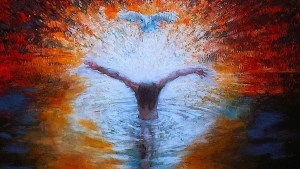 One question that always baffles attentive readers of the Scriptures is that why should Jesus be baptized by John the Baptist? John himself proclaimed that his baptism is a sign of repentance. Those who are baptized by John must first acknowledge their sinfulness and unworthiness, and baptism of water becomes the visible token of turning away from sins and promise of a new and better life. Yet, we all know that Jesus is sinless [Heb 4:15; 1 Pet 2:22]. Does it mean Jesus is sinful? Is John the Baptist greater than Jesus?
The Gospel of Matthew has pointed out clearly that John the Baptist is not worthy to baptize Jesus and he is in need of Jesus’ baptism. It is Jesus Himself who insists to be baptized by John. Why? Jesus told John, “to fulfill all righteousness.” These words of Jesus certainly difficult to understand, and many theologians have come up with different interpretations to understand better Jesus’ actions and words in this baptism.
St. Augustine of Hippo, one of the greatest Fathers of the Church, told us in his sermon, “The Savior willed to be baptized not that He might Himself be cleansed, but to cleanse the water for us.” St. Augustine pointed to us that Jesus entering the water as to prepare the sacrament of baptism, and so everyone who is baptized in the name of Trinity will receive the grace of forgiveness and new life. Meanwhile Catechism of the Catholic Church notes that Jesus’ submission to John’s baptism is an act of self-emptying [CCC 1224].
However, Pope Emeritus Benedict XVI has exposed some interesting in his book, Jesus of Nazareth, that Jesus applied the word “baptism” also to His Passion, Death, and Resurrection [see Mrk 10:38; Luk 12:50]. From here, we discover that Jesus’ insistence to be baptized by John because Jesus’ baptism turns to be a symbolic act of His Cross. As Jesus needs to be baptized, so He shall pass through suffering and death as to reach resurrection and bring salvation for all. From the moment of the baptism in the Jordan, Jesus has set His foot to Calvary.
In the Scriptures, righteousness is being faithful to the Convent, and God as the most righteous fulfills His covenant by saving His people (Deut 32:4; Is 5:16; 42:6). Now, Jesus fulfills that same “righteousness” with a perfect and definitive way by His Cross and Resurrection.
So, what all these biblical and theological stuff are for us? As we know deeper the meaning of the Baptism of the Lord, we shall also follow the footsteps of Jesus. If baptism means His way of the Cross, then all of us who have been baptized, whether as infants or adults, shall share in Jesus’ cross. We are lucky that we are living comfortably as Christians, but more many, to be Christians means discriminations, persecution, and even death. It may be shocking, but Christians remain the most persecuted people on the earth. For us who are more fortunate, we can manifest our baptism with living authentically as disciples of Christ: to be honest despite the possibility of losing earthly gains, to be loving despite many sufferings, and to be honest despite living without fame.
Valentinus Bayuhadi Ruseno, OP
 Satu pertanyaan yang selalu membingungkan para pembaca Kitab Suci adalah mengapa Yesus harus dibaptiskan oleh Yohanes Pembaptis? Yohanes sendiri menyatakan bahwa baptisannya adalah tanda pertobatan. Mereka yang dibaptiskan oleh Yohanes harus terlebih dahulu mengakui keberdosaan dan ketidaklayakan mereka, dan baptisan air menjadi tanda nyata berpaling dari dosa dan memulai kehidupan yang baru dan lebih baik. Namun, kita semua tahu bahwa Yesus tidak berdosa [lih. Ibr 4:15; 1 Pet 2:22]. Apakah ini berarti Yesus berdosa? Apakah Yohanes Pembaptis lebih besar dari Yesus?
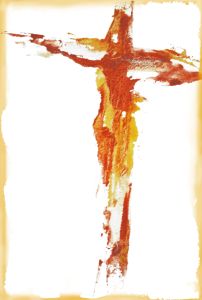 Often we take for granted the name Jesus Christ, without realizing the meaning behind it. The word “Christ” is neither part of the personal name of Jesus nor the family name of Jesus. Jesus earns the name Christ not because of His foster father, Joseph, otherwise, we also call him Joseph Christ and his wife, Mary Christ.
 Seringkali kita menerima begitu saja nama Yesus Kristus, tanpa menyadari makna mendalam di baliknya. Kata “Kristus” bukan bagian dari nama pribadi Yesus atau nama keluarga Yesus. Yesus mendapat nama Kristus bukan karena ayah angkatnya, Yusuf, tetapi senyatanya “Kristus” adalah sebuah gelar yang sangat penting bagi umat Yahudi dan Kristiani pada abad pertama masehi.
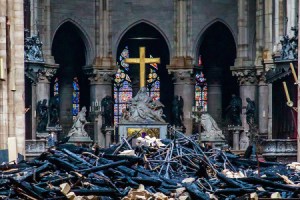 During the reign of Herod the Great, the Temple of Jerusalem was refurbished, adorned by gold and other precious metals, and expanded, and thus making it the crown jewel of the Jewish nation. However, the Temple was not merely a magnificent building, but primarily the center of Jewish religious worship and religion. Every morning and evening, sacrifices were offered, and every year, Jewish men from all over the world made their pilgrimage, and paid their homage the Lord God. It was the place where God chose to stay, the place where the Israelites meet their God, and the house of God.
 Dalam Injil hari ini, orang-orang Saduki berusaha untuk menguji Yesus. Saduki adalah faksi religius dalam agama Yahudi pada zaman Yesus, tetapi tidak seperti orang-orang Farisi yang populer, kaum Saduki hanya memegang Taurat sebagai satu-satunya sumber yang sah dari ajaran dan praktik keagamaan Yahudi, dan menolak tulisan para nabi, dan tradisi selanjutnya. Salah satu doktrin utama mereka adalah bahwa mereka tidak percaya pada kebangkitan badan. Meskipun, Yesus dan orang-orang Farisi selalu berdebat, Yesus dan orang Farisi berbagi kepercayaan dasar yang sama tentang kebangkitan tubuh. Dengan demikian, untuk menyangkal kepercayaan ini, orang Saduki menggunakan Hukum Taurat untuk membuat malu Yesus. Dalam Hukum Taurat, ada praktik untuk mengamankan garis keturunan dan warisan seorang pria yang tidak memiliki keturunan. Sebagai solusi, saudara-saudara lelaki yang meninggal akan menikahi jandanya dan diharapkan memperoleh keturunan bagi sang saudara yang telah meninggal. Kemudian, para Saduki mengajukan kesimpulan seolah-olah kebangkitan badan tidak masuk akal. “Dalam hari kebangkitan, siapakah yang menjadi suami istri ini?”
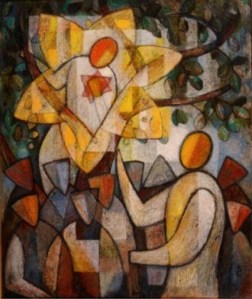 In the time of Jesus, there are at least two kinds of taxes. The first tax goes to the Temple of Jerusalem. This is a “sacred tax”. Those who collect them are performing a sacred duty, and those who pay are fulfilling their due to God. Yet, the second tax is exacted by the Roman government. In order to effectively get the taxes, the Romans employs the local collaborators. The Jews are heavily burdened by this tax because they are unjustly hefty, and often collected by coercion. The Jews understandably loathe those Jewish tax collectors who willingly betray their own people and are involved in greedy malpractices. These are the worst sinners, unclean, corrupt and traitors.
 Pada zaman Yesus, setidaknya ada dua jenis pajak atau cukai. Pajak pertama adalah untuk Bait Allah di Yerusalem. Ini adalah “pajak suci”. Mereka yang memungutnya melakukan tugas mulia, dan mereka yang membayar memenuhi kewajibannya kepada Allah. Namun, pajak kedua dibebankan oleh pemerintah Romawi. Untuk mendapatkan pajak secara efektif, orang-orang Romawi mempekerjakan kolaborator lokal. Orang-orang Yahudi sangat terbebani oleh pajak ini karena sangat berat, tidak adil, dan dengan paksaan. Orang-orang Yahudi pada umumnya tentu saja membenci para pemungut pajak Yahudi yang dengan sukarela mengkhianati rakyatnya sendiri dan terlibat dalam praktik korupsi yang tamak. Ini adalah pendosa terburuk, karena najis, korup dan pengkhianat.
