

Second Sunday of Easter (Divine Mercy Sunday) [April 8, 2018] John 20:19-31
“Jesus came and stood in their midst and said to them, “Peace be with you.” (Jn. 20:19)

Fear is a natural and basic human emotion. Fear plays an important role in human survival because it alerts us of impending dangers or evil, and moves us to avoidance. The science of anatomy would locate the source of this emotion inside our amygdala, a primitive part of our brain that we share with other animals. Yet, unlike animals that simply flee in the presence of a predator, with our complex brain, we also face a complex kind of fear as we perceive a complex meaning of danger. We do not only fear predators, but we fear also losing our jobs, sickness, and our terror teachers or bosses. We are afraid of height (acrophobia), of small spaces (claustrophobia), and even of banana (Bananaphobia)! Because of our superior mind, our fear is even enlarged as we can anticipate far away dangers or even that does not exist yet. This creates anxiety and worriedness.
In the Gospel, we discover that Jesus’ disciples are afraid. They fear the “Jews.” They may be accused of stealing the body of Jesus by the Roman soldiers and Jewish authorities who discover the empty tomb. Or, simply the disciples are anxious about their future, of what will be of them after the death and the news of Jesus’ resurrection. Shall they disband themselves, go back to their former way lives, or shall they remain together? Will Jesus come and get even with them? Overcome by fear and uncertainty, they lock themselves. They are paralyzed, their hearts shrink, and they glue themselves to safe yet fragile things. Like the disciples, fear freezes us and lock us in our comfort zone. Fear of getting hurt, we stop loving. Fear of failures, we no longer pursue our dreams. Fear of being manipulated, we refuse to help others. Fear of betrayal, we shun commitments.
However, fear does not have the last say. Despite the locked room, the Lord enters in their midst. The first word He says is Peace, in Hebrew, “Shalom.” Then, Jesus shows his wounds to them, a proof that He is truly Jesus, their teacher, who was crucified and risen. Seeing the Lord, joy explodes in their hearts, and they fear no more. Jesus’ Shalom is powerful and empowering. Jesus’ Shalom gives inner strength in the face of uncertain future. Jesus’ Shalom gives the courage to embrace sufferings and trials.
Jesus is truly risen and appears to the disciples, but this does not change the disciples’ situations. Their future remains uncertain. The hostile Jewish authorities still attempt to shut them down. The Roman soldiers may arrest them. They do not know yet how to sustain their small community. Their situations remain bleak, but one thing has changed. They are no longer afraid. With His Shalom in their hearts, Jesus breathes His Holy Spirit on them and sends them on a mission to forgive. As they have been forgiven and received mercy, they become the missionaries of peace, as they bring forgiveness to others. As the stone door of the tomb cannot stop the risen Lord, now the locked doors cannot hinder the empowered disciples.
Jesus’ Shalom is the grace of resurrection for all of us. True that our situations and problems do not change much, but fear can no longer freeze us. We are called to go out from our locked rooms and become the missionaries of peace and mercy. Despite the pain, failure, and frustration, we continue to love, serve and commit because this is who we are, the people who have received Jesus’ Shalom, God’s mercy and the Holy Spirit. We are not afraid because we are Easter People!
Br. Valentinus Bayuhadi Ruseno, OP

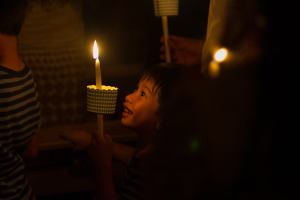

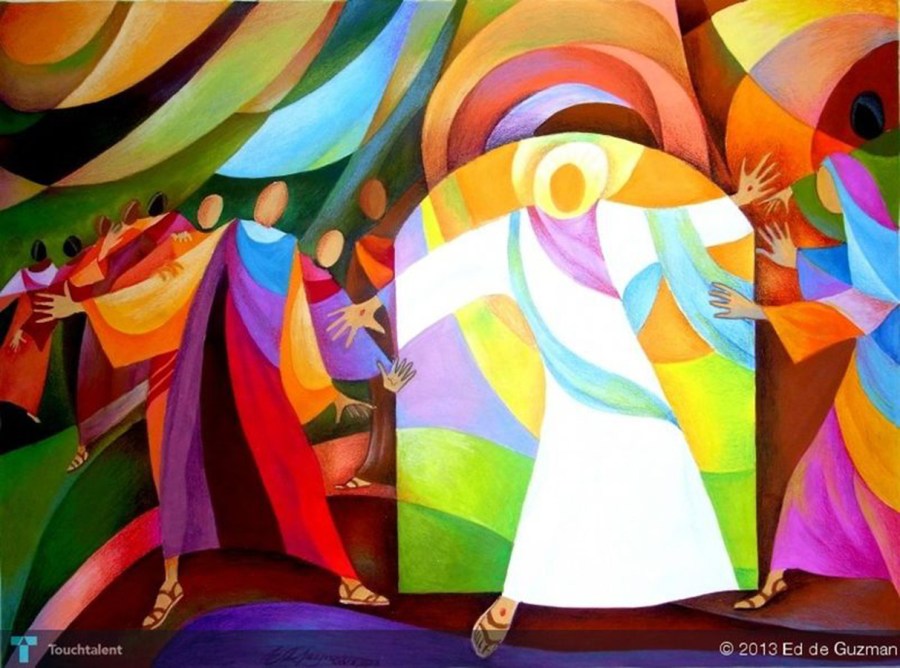
 Pentecost is the commemoration of the descent of the Holy Spirit upon the first disciples in the upper room. The usual images we have in our mind are usually dramatic and vivid. The disciples gathered in the upper room, suddenly the strong wind filled the room, followed by the appearance of the tongues of fire. Inspired by the Holy Spirit, the disciples began to speak various languages, and proclaimed the Gospel. This depiction of Pentecost comes from the Acts of Apostles (our first reading today). The same Acts tells us that Pentecost took place 50 days after Easter Sunday (Pentecost itself simply means ‘50’ in Greek).
 Pentakosta adalah peringatan turunnya Roh Kudus atas para murid di ruang atas. Gambaran yang ada di dalam pikiran kita biasanya dramatis dan nyata. Murid-murid berkumpul di ruang atas, tiba-tiba angin kencang memenuhi ruangan, diikuti oleh munculnya lidah-lidah api. Terinspirasi oleh Roh Kudus, para murid mulai berbicara dalam berbagai bahasa, dan memberitakan Injil. Gambaran Pentakosta ini benar adanya karena ini berasal dari Kisah Para Rasul (bacaan pertama kita hari ini). Sebenarnya, Kisah Para Rasul juga mengatakan bahwa Pentakosta terjadi 50 hari setelah hari Minggu Paskah (Pentakosta sendiri berarti ’50’ dalam bahasa Yunani).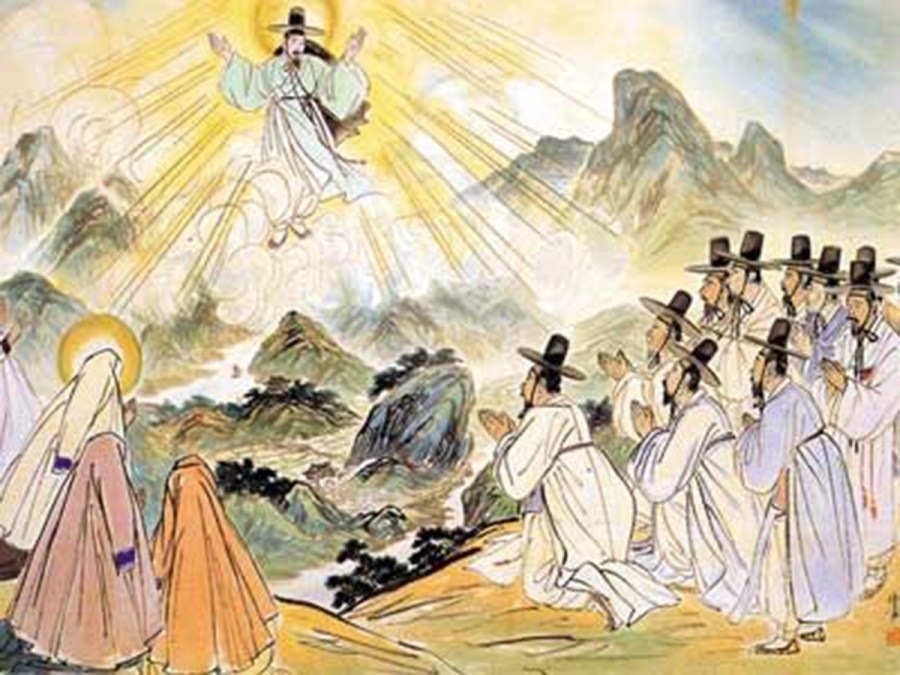

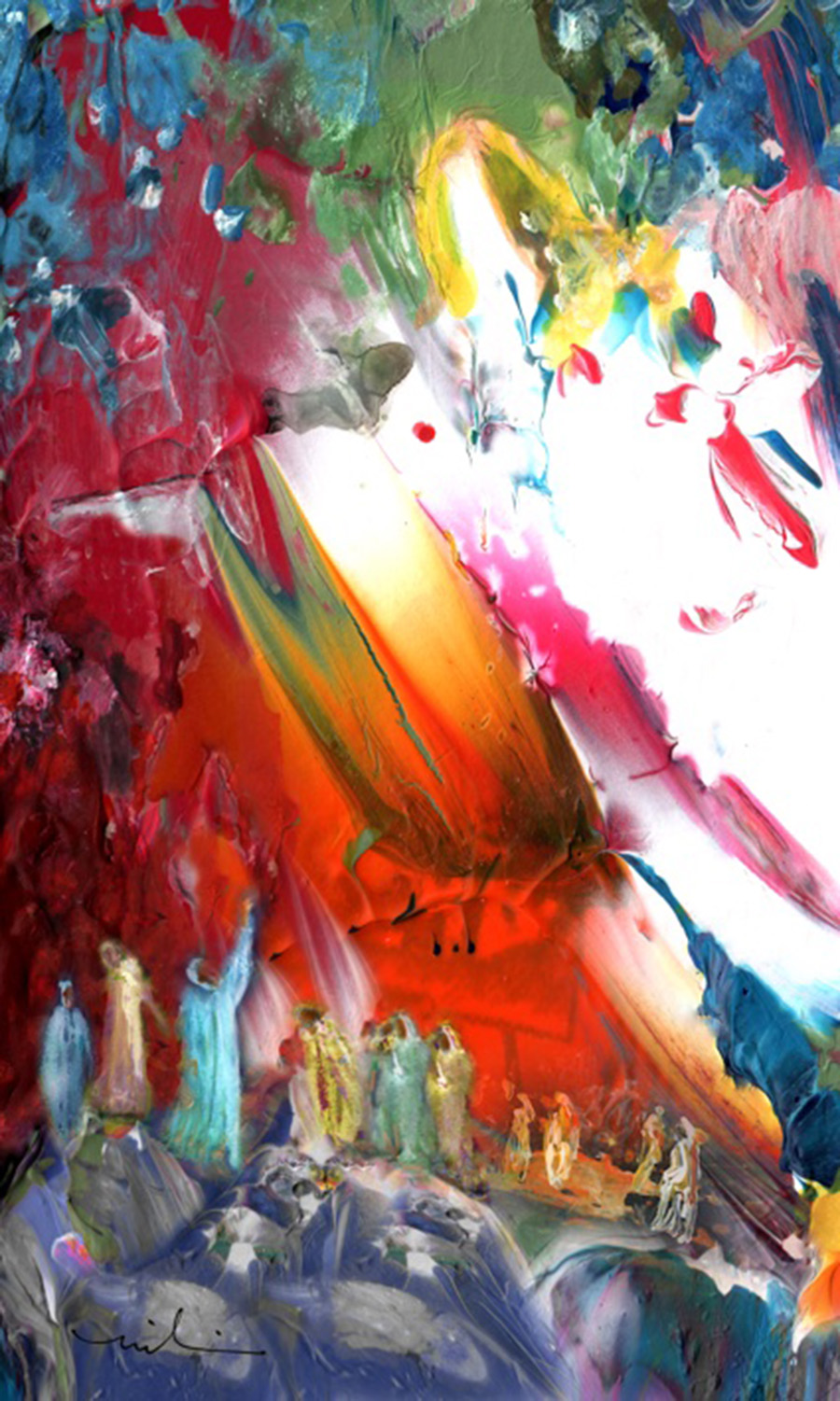
 Gambaran tentang Kenaikan Yesus yang ada dalam benak kita adalah Yesus yang diangkat ke langit, sementara para murid dengan penuh doa memperhatikan-Nya menghilang secara perlahan-lahan. Tidak salah jika disebut ‘Kenaikan’ Yesus karena Kristus yang telah bangkit akhirnya naik ke surga, kembali kepada Bapa-Nya. Di dalam film Risen, Kenaikan Yesus digambarkan sedikit berbeda. Yesus tidak diangkat ke surga, tapi Dia hanya berdiri di hadapan para murid-Nya, dan tiba-tiba cahaya yang menyilaukan datang dan menelan Yesus, dan Diapun menghilang dari pandangan mereka. Meskipun memiliki rincian yang berbeda, Kenaikan Yesus berbicara kepada kita tentang Yesus yang memisahkan diri dari murid-murid-Nya, dan meninggalkan mereka karena Ia harus kembali kepada Bapa-Nya.
 Have you seen a spirit? When the word ‘spirit’ is mentioned, what image does appear in your mind? Perhaps, scary ghosts from some urban legends or Hollywood horror movies. The word ‘spirit’ conjures terrifying and often creepy images because it is related with the dead, the afterlife, and unexplained paranormal phenomenon. The Church herself warrants the existence of evil spirit or the demons, as the Church fights them through the ministry of exorcism.
 Pernahkah kamu melihat roh? Atau, jika anda kata roh disebutkan, gambaran apa yang muncul di benak Anda? Mungkin, hantu-hantu menakutkan dari beberapa cerita-cerita atau film horor Hollywood, atau sesuatu yang diluar kekuatan manusia dan tidak bisa dijelaskan. Kata ‘roh’ seringkali memunculkan gambaran yang mengerikan dan menyeramkan karena selalu berhubungan dengan kematian, dunia akhirat, dan fenomena paranormal yang tidak dapat dijelaskan.
