

Minggu ke-27 di Masa Biasa [A]
4 September 2020
Matius 21: 33-43
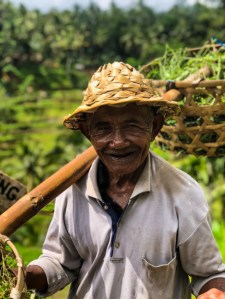 Pemilik kebun anggur dalam perumpamaan hari ini luar biasa tak terduga. Dia tahu bahwa para penyewa adalah serakah dan korup, dan jika saya menjadi dia, saya akan segera mengusir para penyewa itu. Namun, pemilik ini melakukan yang sebaliknya. Dia terus mengirim utusannya dan sampai memberikan putranya sendiri, pewaris sejati. Pemilik kebun anggur ini pasti sudah gila! Dan, itulah citra Tuhan kita yang sangat penuh belas kasih dan sabar. Namun, itu bukanlah akhir dari cerita. Perumpamaan ditutup dengan sebuah penghakiman: jika kita terus menyalahgunakan belas kasihan Tuhan, keadilan-Nya pada akhirnya akan meraja.
Ketika Yesus berbicara tentang perumpamaan kebun anggur ini, konteksnya adalah Yesus menghadapi para penatua dan imam kepala. Alih-alih melayani umat Allah, mereka memilih mencari keuntungan pribadi dan terlibat dalam berbagai praktik korupsi. Yesus mengingatkan mereka bahwa kebun anggur akan diambil jika mereka tidak bertobat. Sayangnya, mereka terlalu rakus dan sombong. Jadi, mereka memilih untuk menyingkirkan Yesus, sang Putra Allah. Sejarah akhirnya menceritakan bahwa pada tahun 70 M, sekitar 40 tahun setelah Kristus, Yerusalem dibakar, dan Bait Suci diratakan dengan tanah.
Sebenarnya, cerita tentang berkat yang diberi dan kemudian diambil lagi, adalah salah satu pola dasar dalam Alkitab. Adam dan Hawa diberi hak istimewa di taman Eden, namun mereka melukai hati Tuhan, dan mereka kehilangan firdaus. Orang Israel dibebaskan dari tanah Mesir, tetapi di padang gurun, mereka terus bersungut-sungut dan bahkan menyembah dewa palsu. Oleh karena itu, mereka harus mati di gurun pasir, dan hanya anak-anak mereka yang diizinkan masuk ke Tanah Terjanji.
Tuhan telah memberi kita masing-masing, sesuatu anugerah yang istimewa, berkat yang berharga. Dan kita harus menjaga dan melindungi pemberian ini. Jika tidak, anugerah ini akan diambil dari kita.
Iman adalah anugerah. Iman adalah langkah pertama kita ke surga. Namun, kita harus menumbuhkan iman kita, memupuknya dengan ajaran Gereja yang benar dan menumbuhkan hubungan yang mesra dengan Tuhan. Kita harus menjaganya tidak hanya dari ajaran-ajaran yang menyesatkan tetapi juga dari kemalasan dan ketidakpeduliaan kita. Jika tidak, itu akan diambil dari kita.
Panggilan imamat dan sebagai seorang bruder dan suster adalah sebuah anugerah. Ini adalah sebuah kesempatan untuk melayani umat Tuhan, untuk memberitakan Firman Tuhan, dan untuk melayani sakramen kasih karunia dan keselamatan. Kita perlu memeliharanya setiap hari dengan tekun dalam doa, belajar dengan sungguh-sungguh, dan dengan setia menjalankan kaul kita. Jika tidak, itu akan diambil dari kita.
Panggilan untuk menjadi suami-istri dan keluarga adalah anugerah. Merupakan kesempatan untuk menjadi rekan pencipta dan rekan kerja Tuhan; untuk melahirkan kehidupan dan memelihara kehidupan. Kita perlu melindunginya dari dosa ketidaksetiaan dan keegoisan, dan memeliharanya dengan cinta, komitmen, dan bahkan keterbukaan. Jika tidak, itu akan diambil dari kita.
Bumi adalah anugerah bagi kita. Ini adalah rumah kita, rumah yang menakjubkan untuk ditinggali, dan di antara miliaran planet di galaksi, tidak ada yang seperti bumi. Kita perlu mempertahankannya dari eksploitasi, penambangan berlebihan, penangkapan ikan berlebihan, dan bahkan dari gaya hidup kita yang secara bertahap merusak alam. Jika tidak, itu akan diambil dari kita.
Dan kita harus menjaga dan melindungi semua pemberian ini. Jika tidak, hadiah ini akan diambil dari kita.
Valentinus Bayuhadi Ruseno, OP
photo credit: S. Danilo
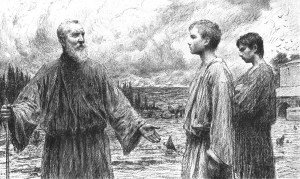 Untuk memahami perumpamaan tentang dua anak laki-laki pemilik kebun anggur ini, kita perlu membaca seluruh Matius pasal 21. Yesus baru saja memasuki kota Yerusalem dan disambut oleh orang-orang dengan teriakan “Hosana” dan ranting palem. Kemudian, Dia pergi ke area Bait Allah untuk menyucikannya dari malpraktek yang terjadi. Jadi, para penatua dan imam kepala, yang bertanggung jawab atas Bait Allah, mempertanyakan Yesus, “siapa kamu? Dengan wewenang apa Anda bertindak demikian? ”
 Reading the entire Matthew chapter 21, we will get the sense of the parable of the two sons of the vineyard owner. Jesus just entered the city of Jerusalem and was welcomed by the people with a shout of “Hosanna” and palm branches. Then, he proceeded to the Temple area to cleanse it from the malpractices plaguing the holy ground. Thus, the elders and chief priests, the one who was in charge of the Temple, questioned Jesus, “who are you? By what authority do you act and teach?”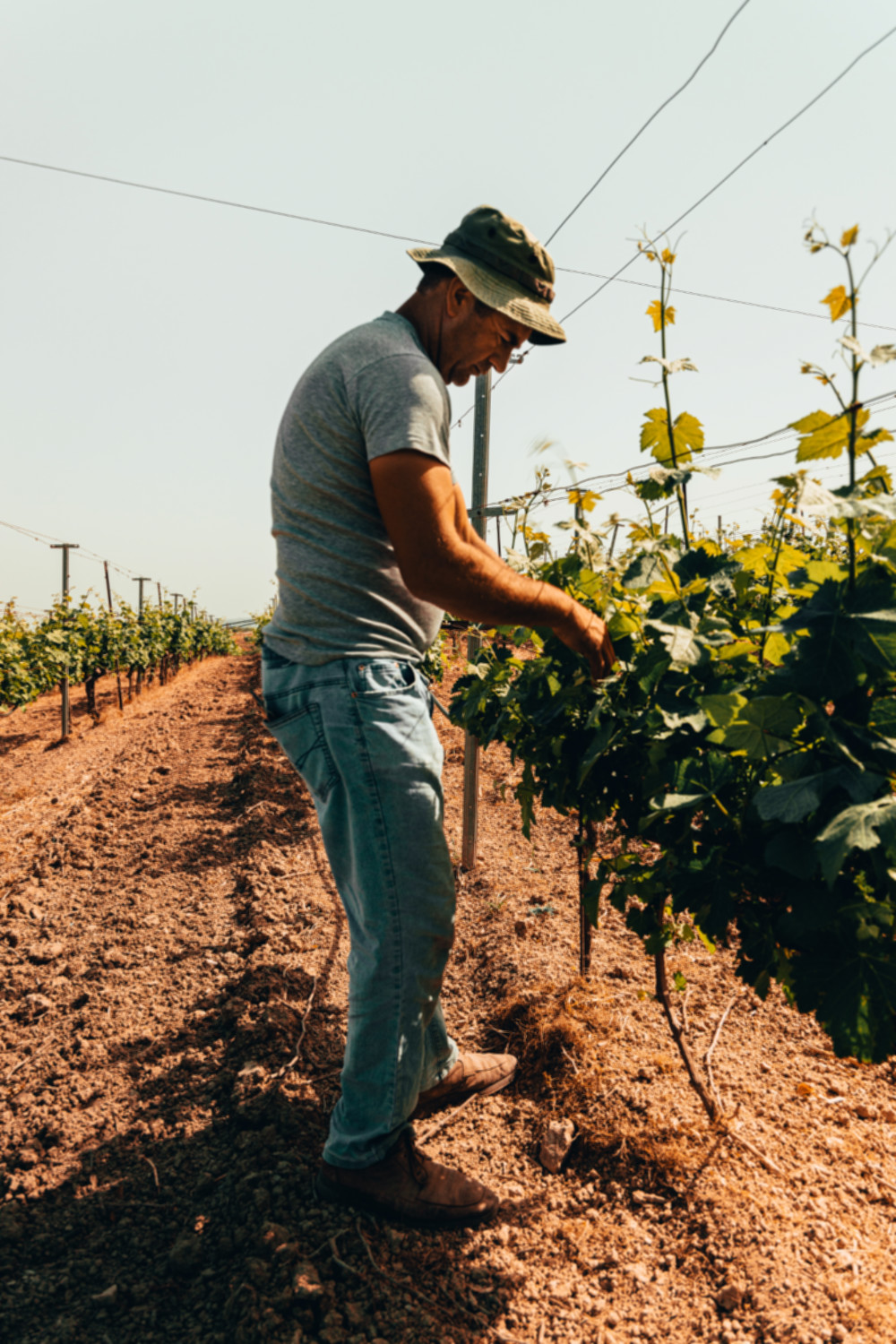

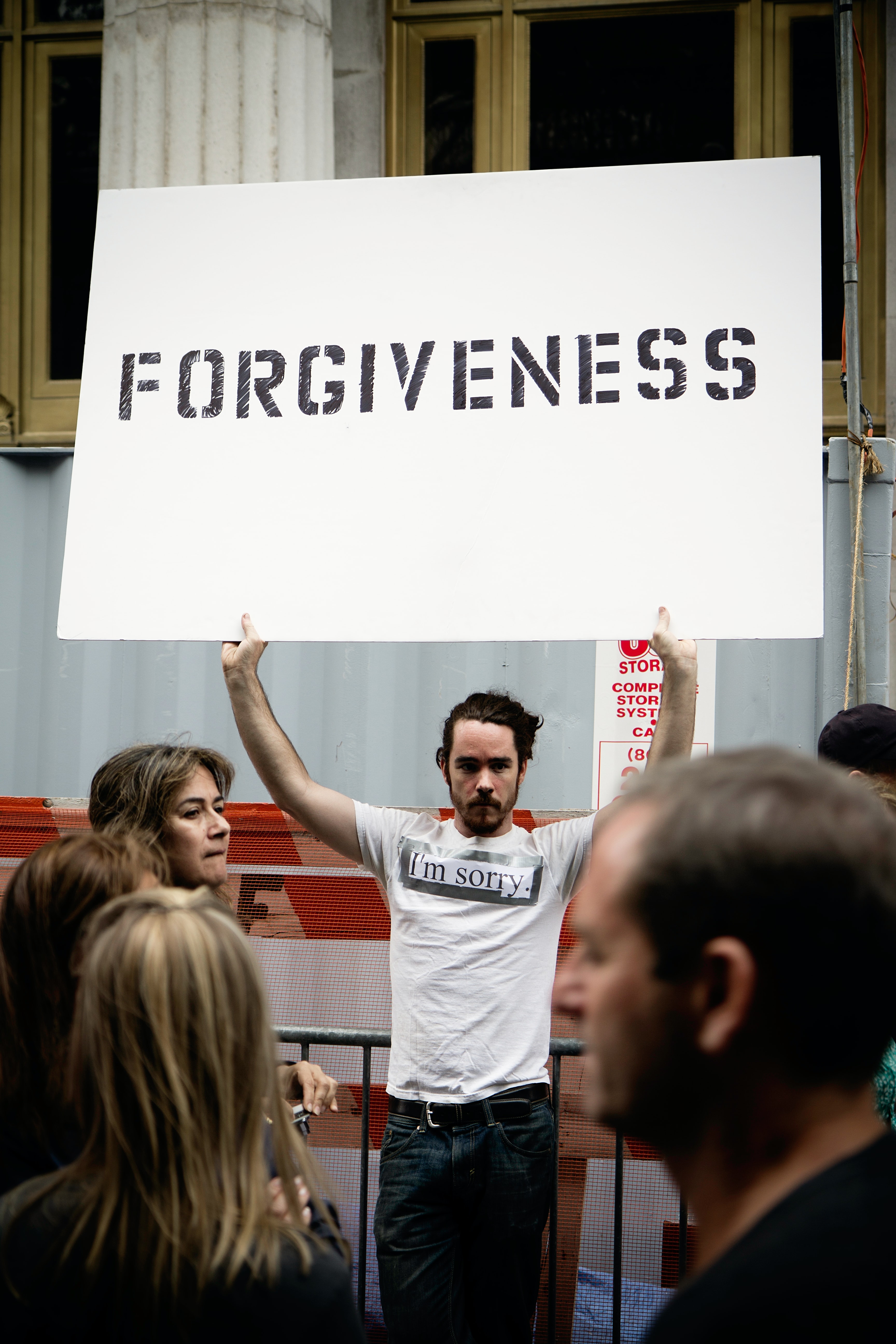
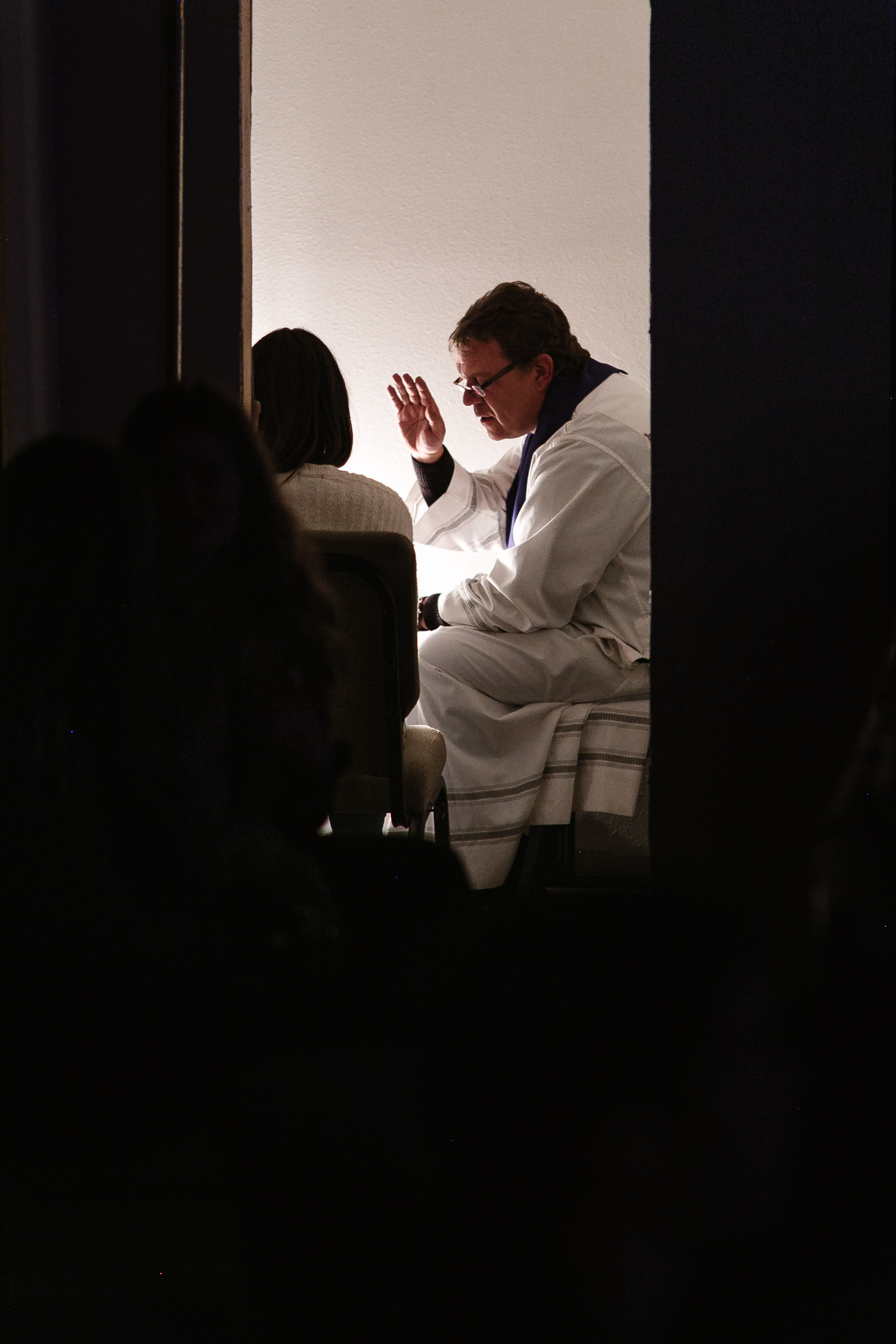
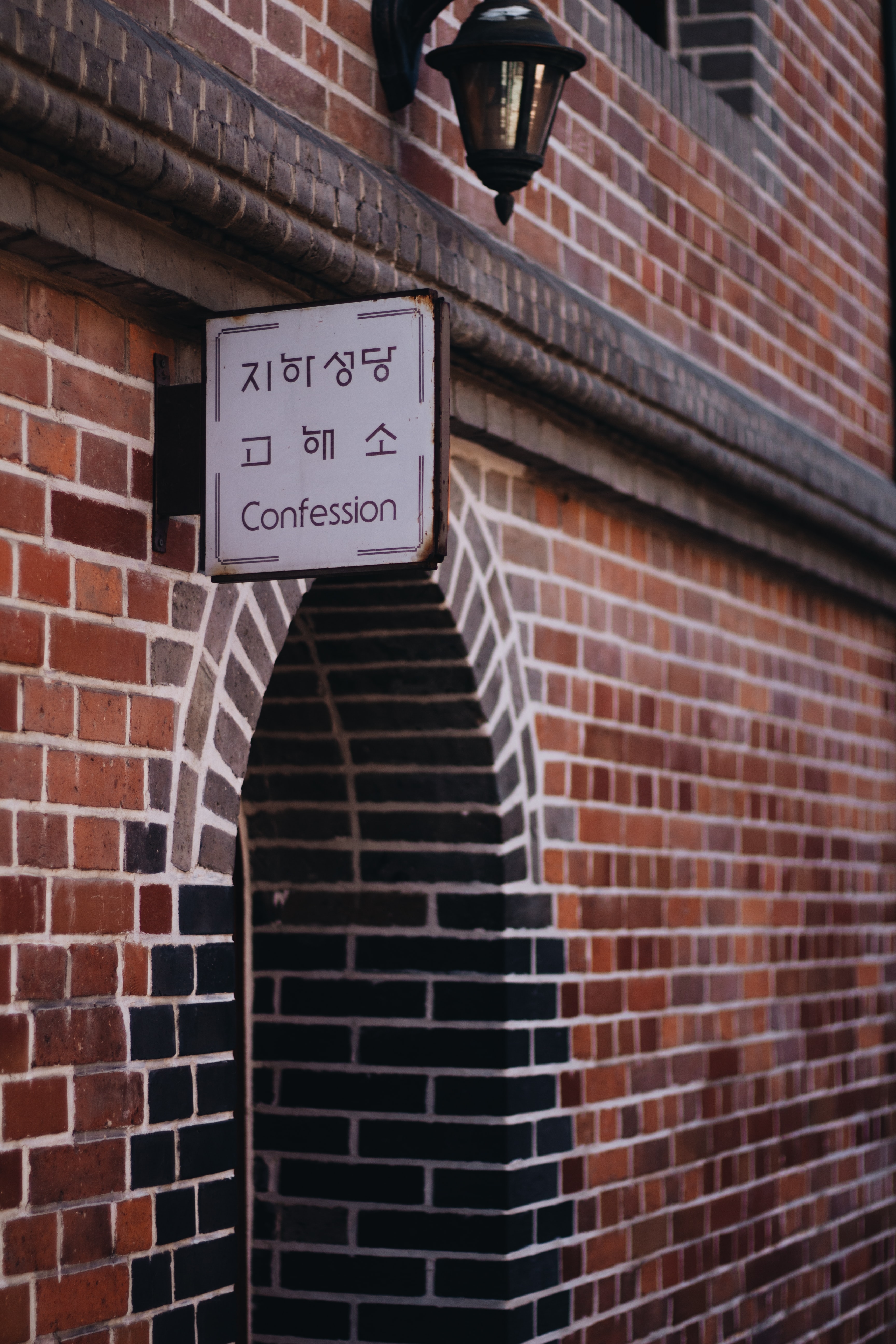 Injil kita hari ini dikenal dalam Bahasa Latin sebagai fraterna correctio atau cara mengoreksi saudara kita. Namun, jika kita membaca teks dengan cermat, apa yang dikoreksi bukan hanya tentang penampilan, tingkah laku, atau etiket kita. Yesus berbicara tentang dosa. Yesus tidak mengajari kita untuk mengoreksi seseorang yang memiliki gaya rambut aneh, atau seseorang yang tidur mendengkur. Jika ada sesuatu yang membuat Yesus marah tidak lain adalah dosa. Kenapa begitu? Dosa bisa menghancurkan hubungan kita dengan Tuhan, dan menutup gerbang surga. Misi Yesus adalah untuk membawa pengampunan dosa dan untuk menghilangkan efek dosa, tetapi jika kita menolak untuk bertobat dan terus berbuat dosa, kita menghina pengorbanan Kristus.
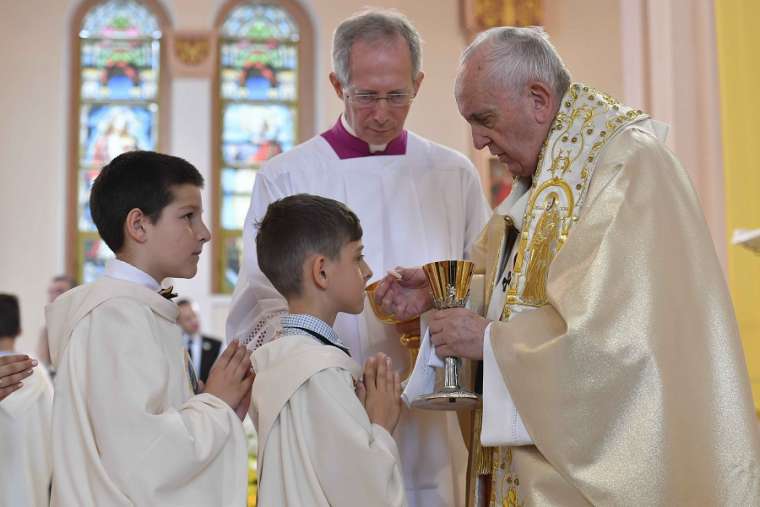 Last Sunday, we listen to the confession of Peter on the true identity of Jesus. Here, Simon received a new name, the keys of the kingdom and the authority to bind and to loosen. He became the prime minister of the kingdom, the first pope. However, today, we witness the dramatic turn around. When Jesus foretold about His incoming passion, Simon reactively put his Master aside, and rebuked Him. As a response, Jesus expressed harshly,
