

Pesta Yesus Dipersembahkan di Bait Allah
2 Februari 2020
Lukas 2: 22-40
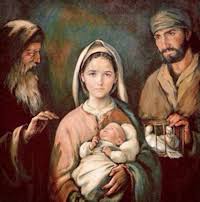 Jika kita diberi kesempatan untuk memilih orang tua kita sendiri, orang tua ideal seperti apa yang akan menjadi pilihan kita? Mungkin, beberapa akan lebih suka orang tua miliarder, supaya hidup terjamin, mendapatkan Pendidikan terbaik, dan masa depan cerah. Mungkin sebagian dari kita ingin menjadi anak-anak raja. Jadi, memiliki darah ningrat, dan orang-orang memanggil kita sebagai pangeran, puteri atau bangsawan. Mungkin kita ingin dilahirkan dari megabintang Korea, karena kita ingin menjadi yang tercantik atau paling tampan.
Namun, jika kita mengajukan pertanyaan yang sama kepada Tuhan, apa yang akan menjadi pilihan-Nya? Pilihannya jelas, Yusuf dan Maria. Tapi kenapa? Yusuf dan Maria tidak kaya, dan bahkan miskin. Mereka hanya mampu membeli burung merpati, persembahan orang miskin. Memang, Yusuf adalah keturunan raja Daud, tetapi dalam kenyataannya, ia adalah seorang tukang kayu sederhana dari desa yang tidak dikenal, Nazareth. Saya tetap percaya bahwa Yusuf itu tampan dan Maria cantik! Dari sini, kita dapat menyimpulkan bahwa kekayaan, ketenaran, dan kecantikan fisik sebagai kriteria Allah bagi orang tua-Nya. Jadi, apa?
Jika kita melihat lebih dekat Injil hari ini dan beberapa ayat lainnya, kita dapat menemukan karakter terbaik dari Yusuf dan Maria sebagai pasangan dan orang tua adalah cinta dan iman mereka kepada Tuhan. Maria dan Yusuf mengetahui dengan baik Hukum Allah dan mereka dengan setia mematuhi Hukum-Nya.
Pesta hari ini secara tradisional disebut sebagai Yesus dipersembahkan di Bait Allah [Presentation]. Yesus dipersembahkan kepada Allah di Bait Suci. Mengapa Yusuf dan Maria mempersembahkan Yesus di Bait Suci? Karena mereka sadar akan Hukum Taurat bahwa setiap anak sulung akan dikuduskan bagi Tuhan karena mereka adalah milik Tuhan [lihat Kel 13: 2]. Hari ini juga disebut pesta Pemurnian Maria [Purification of Mary]. Dia dimurnikan bukan karena dia berdosa, tetapi karena menurut Hukum Musa, setiap wanita yang melahirkan akan menjadi “tidak bersih” secara ritual atau tidak layak untuk penyembahan, dan dia harus menjalani 40 hari periode pemurnian, dan pada hari ke-40, dia mempersembahkan korban kepada imam [Im 12: 1-8].
Yesus tidak peduli dengan kondisi ekonomi, status sosial, atau penampilan fisik orang tua-Nya. Yesus mencari apakah orang tua-Nya benar-benar mencintai Allah, apakah orang tua-Nya tahu dan mematuhi hukum Allah, dan apakah orang tua-Nya memiliki iman kepada Allah. Mengapa karakteristik ini penting bagi orang tua Yesus? Karena Yesus memahami warisan terbaik yang dapat diberikan orang tua kepada anak-anak mereka adalah iman, karena uang hanya dapat memberi Anda keamanan dalam kehidupan ini, tetapi iman akan membawa kita ke surga.
Tugas utama orang tua bukan hanya menyediakan makanan, tempat tinggal, dan pakaian, tidak hanya mengirim anak-anak mereka ke sekolah, dan tidak hanya membawa mereka ke dokter ketika mereka sakit, tetapi terutama berjalan bersama mereka ke surga. Seperti Maria dan Yusuf mempersembahkan Yesus kepada Allah, maka kita juga mempersembahkan anak-anak kita kepada Allah.
Valentinus Bayuhadi Ruseno, OP
 After the arrest of John the Baptist, Jesus begins His public ministry. Jesus left Nazareth, His hometown, and moved to a more crowded and bigger town, Capernaum. Crudely speaking, Jesus did urbanization. This strategic move of Jesus was to support His mission. With a dense population and with better access to neighboring towns, Jesus could minister to more people in a more efficient way.
 Setelah penangkapan Yohanes Pembaptis, Yesus memulai pelayanan publik-Nya. Yesus meninggalkan Nazaret, kampung halamannya, dan pindah ke kota yang lebih ramai dan lebih besar, Kapernaum. Sebenarnya, Yesus melakukan urbanisasi. Langkah strategis Yesus ini tentu saja untuk mendukung misi-Nya. Dengan populasi yang padat dan dengan akses yang lebih baik ke kota-kota lain, Yesus dapat melayani lebih banyak orang dengan cara yang lebih efisien.
 We begin the ordinary time of the liturgical year. In the Church, we have three cycles of the liturgical year: A, B, and C. every year, we have a different set of readings. In year A, the Gospel readings are mainly from the Gospel of Matthew, meanwhile, year B is from Mark and year C is from Luke. The Gospel of John does not have its separate year, but the readings from John are scattered through the years, especially in the Easter season.
 Kita memulai masa biasa pada tahun liturgi ini. Di Gereja Katolik, kita memiliki tiga siklus tahun liturgi: A, B, dan C. Di setiap tahun, kita memiliki serangkaian bacaan yang berbeda. Pada tahun A, bacaan Injil terutama dari Injil Matius, sementara tahun B dari Markus dan tahun C dari Lukas. Injil Yohanes tidak memiliki tahun yang khusus, tetapi bacaan dari Yohanes tersebar di sepanjang tahun, terutama di masa Paskah.
 One question that always baffles attentive readers of the Scriptures is that why should Jesus be baptized by John the Baptist? John himself proclaimed that his baptism is a sign of repentance. Those who are baptized by John must first acknowledge their sinfulness and unworthiness, and baptism of water becomes the visible token of turning away from sins and promise of a new and better life. Yet, we all know that Jesus is sinless [Heb 4:15; 1 Pet 2:22]. Does it mean Jesus is sinful? Is John the Baptist greater than Jesus?
 Satu pertanyaan yang selalu membingungkan para pembaca Kitab Suci adalah mengapa Yesus harus dibaptiskan oleh Yohanes Pembaptis? Yohanes sendiri menyatakan bahwa baptisannya adalah tanda pertobatan. Mereka yang dibaptiskan oleh Yohanes harus terlebih dahulu mengakui keberdosaan dan ketidaklayakan mereka, dan baptisan air menjadi tanda nyata berpaling dari dosa dan memulai kehidupan yang baru dan lebih baik. Namun, kita semua tahu bahwa Yesus tidak berdosa [lih. Ibr 4:15; 1 Pet 2:22]. Apakah ini berarti Yesus berdosa? Apakah Yohanes Pembaptis lebih besar dari Yesus?
 Often we take for granted the name Jesus Christ, without realizing the meaning behind it. The word “Christ” is neither part of the personal name of Jesus nor the family name of Jesus. Jesus earns the name Christ not because of His foster father, Joseph, otherwise, we also call him Joseph Christ and his wife, Mary Christ.
 Seringkali kita menerima begitu saja nama Yesus Kristus, tanpa menyadari makna mendalam di baliknya. Kata “Kristus” bukan bagian dari nama pribadi Yesus atau nama keluarga Yesus. Yesus mendapat nama Kristus bukan karena ayah angkatnya, Yusuf, tetapi senyatanya “Kristus” adalah sebuah gelar yang sangat penting bagi umat Yahudi dan Kristiani pada abad pertama masehi.
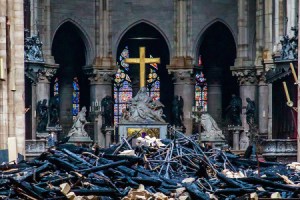 During the reign of Herod the Great, the Temple of Jerusalem was refurbished, adorned by gold and other precious metals, and expanded, and thus making it the crown jewel of the Jewish nation. However, the Temple was not merely a magnificent building, but primarily the center of Jewish religious worship and religion. Every morning and evening, sacrifices were offered, and every year, Jewish men from all over the world made their pilgrimage, and paid their homage the Lord God. It was the place where God chose to stay, the place where the Israelites meet their God, and the house of God.
