

Minggu Biasa ke-33 – 17 November 2019 – Lukas 21: 5-9

Pada masa pemerintahan Herodes Agung, Bait Allah di Yerusalem diperbaharui, dihiasi oleh emas dan batu-batu mulia lainnya, diperluas, dan dengan demikian menjadikannya sebagai kebanggaan bangsa Yahudi. Namun, Bait Allah itu bukan hanya bangunan yang megah, tetapi terutama pusat ibadah agama Yahudi. Setiap pagi dan sore, korban dipersembahkan, dan setiap tahun, orang-orang Yahudi dari seluruh dunia melakukan ziarah ke Bait ini, dan memberi penghormatan kepada Tuhan Allah. Itu adalah tempat di mana Allah memilih untuk tinggal, tempat di mana orang Israel bertemu dengan Allah mereka, dan ini adalah rumah Allah.
Melihat pemandangan Bait Allah yang agung, banyak orang akan percaya bahwa Bait Allah itu akan bertahan selamanya karena Allah Sendiri akan mempertahankan rumah-Nya. Namun, Yesus bernubuat dan memberi tahu para murid-Nya bahwa Bait Allah yang indah ini akan dihancurkan. Tentunya, kata-kata Yesus menyinggung banyak orang Yahudi pada zaman-Nya dan salah satu tuduhan terhadap Yesus adalah Yesus berbicara menghujat Bait Allah, yang berarti melawan Allah Sendiri. Namun, 40 tahun kemudian setelah Yesus diangkat ke Surga, pada tahun 70 Masehi, orang-orang Romawi di bawah komando Jenderal Titus, membakar Bait Allah dan menghancurkan kota Yerusalem sampai rata dengan tanah.
Nubuat Yesus membuka kita pada kebenaran mendalam bahwa bahkan Allah mengizinkan rumah-Nya di dunia dihancurkan. Hagia Sophia di Konstantinopel (sekarang Istanbul) adalah gereja termegah di abad ke-4 dan ke-5 dan dianggap sebagai keajaiban arsitektur. Namun, ketika Konstantinopel jatuh ke tangan orang Turki, gereja ini berhenti berfungsi sebagai tempat ibadah Kristiani. Pada zaman kita, Katedral Notre Dame adalah bangunan Gotik ikonis di jantung kota Paris. Namun, pada 15 April 2019, api menghancurkan banyak bagian bangunan suci ini. Baru bulan ini, beberapa gereja di Chili menjadi sasaran para demonstran yang melakukan kekerasan. Mereka dengan paksa memasuki gereja-gereja, mengambil bangku dan benda-benda religius lainnya, dan membakar mereka di luar gereja, belum lagi, penodaan terhadap tabernakel. Rumah-rumah Tuhan telah menjadi objek vandalisme, brutalitas, dan kehancuran yang tak terhitung, dan Tuhan mengizinkan hal-hal ini terjadi di tengah-tengah kita. Tapi kenapa? Apakah Tuhan cukup lemah untuk menghentikan ini terjadi? Apakah Tuhan tidak peduli? Sudahkah Tuhan meninggalkan kita?
Gereja-gereja sebagai rumah Allah melambangkan iman kita. Serangan terhadap Gereja berarti serangan terhadap iman kita yang berharga. Jika Tuhan membiarkan rumah-Nya dihancurkan, Tuhan juga mengizinkan iman kita ditantang, dikejutkan, dan diguncang. Tuhan mengizinkan pencobaan menerpa hidup kita, keraguan atas iman kita, dan kegelapan untuk menyelimuti visi kita. Tapi kenapa?
Ketika api yang membakar Gereja Notre Dame padam, banyak hal telah hilang, tetapi di pusat Gereja, satu benda selamat dari nyala api yang menyala-nyala: salib besar berdiri tegak. Tuhan membiarkan rumah-Nya hancur, dan iman kita terguncang untuk menunjukkan kepada kita apa yang benar-benar penting dalam hidup dan perjalanan iman kita. Hanya Tuhan. Hal-hal yang kita bangun untuk Tuhan atau pekerjaan dan misi untuk-Nya, bahkan talenta, karisma, dan buah doa kita, dapat diambil oleh Tuhan dari kita. Ini memang penting, tetapi ini tidak kekal. Hanya satu yang kekal yakni Tuhan saja. Tuhan membiarkan kita terguncang sehingga kita dapat menemukan-Nya lagi, secara mengejutkan lebih hidup dan semakin dekat.
Valentinus Bayuhadi Ruseno, OP
 Dalam Injil hari ini, orang-orang Saduki berusaha untuk menguji Yesus. Saduki adalah faksi religius dalam agama Yahudi pada zaman Yesus, tetapi tidak seperti orang-orang Farisi yang populer, kaum Saduki hanya memegang Taurat sebagai satu-satunya sumber yang sah dari ajaran dan praktik keagamaan Yahudi, dan menolak tulisan para nabi, dan tradisi selanjutnya. Salah satu doktrin utama mereka adalah bahwa mereka tidak percaya pada kebangkitan badan. Meskipun, Yesus dan orang-orang Farisi selalu berdebat, Yesus dan orang Farisi berbagi kepercayaan dasar yang sama tentang kebangkitan tubuh. Dengan demikian, untuk menyangkal kepercayaan ini, orang Saduki menggunakan Hukum Taurat untuk membuat malu Yesus. Dalam Hukum Taurat, ada praktik untuk mengamankan garis keturunan dan warisan seorang pria yang tidak memiliki keturunan. Sebagai solusi, saudara-saudara lelaki yang meninggal akan menikahi jandanya dan diharapkan memperoleh keturunan bagi sang saudara yang telah meninggal. Kemudian, para Saduki mengajukan kesimpulan seolah-olah kebangkitan badan tidak masuk akal. “Dalam hari kebangkitan, siapakah yang menjadi suami istri ini?”
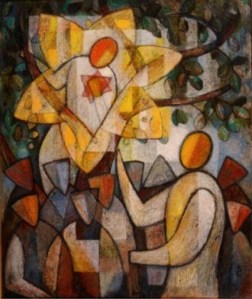 In the time of Jesus, there are at least two kinds of taxes. The first tax goes to the Temple of Jerusalem. This is a “sacred tax”. Those who collect them are performing a sacred duty, and those who pay are fulfilling their due to God. Yet, the second tax is exacted by the Roman government. In order to effectively get the taxes, the Romans employs the local collaborators. The Jews are heavily burdened by this tax because they are unjustly hefty, and often collected by coercion. The Jews understandably loathe those Jewish tax collectors who willingly betray their own people and are involved in greedy malpractices. These are the worst sinners, unclean, corrupt and traitors.
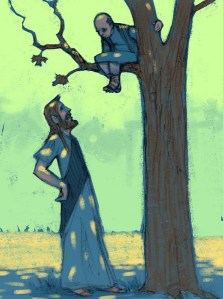 Pada zaman Yesus, setidaknya ada dua jenis pajak atau cukai. Pajak pertama adalah untuk Bait Allah di Yerusalem. Ini adalah “pajak suci”. Mereka yang memungutnya melakukan tugas mulia, dan mereka yang membayar memenuhi kewajibannya kepada Allah. Namun, pajak kedua dibebankan oleh pemerintah Romawi. Untuk mendapatkan pajak secara efektif, orang-orang Romawi mempekerjakan kolaborator lokal. Orang-orang Yahudi sangat terbebani oleh pajak ini karena sangat berat, tidak adil, dan dengan paksaan. Orang-orang Yahudi pada umumnya tentu saja membenci para pemungut pajak Yahudi yang dengan sukarela mengkhianati rakyatnya sendiri dan terlibat dalam praktik korupsi yang tamak. Ini adalah pendosa terburuk, karena najis, korup dan pengkhianat.
 In Jesus’ time, they were several Jewish religious groups and one of them is the Pharisees. These are the people who love the Lord and devoutly observe the Law of Moses and the traditions of the elders even in their daily lives. Thus, Jewish people regard them as righteous because they are faithful to the Law, and pious because they pray often. Many Pharisees turn to be the caretakers of the local synagogues and zealously teach the Law during Sabbath days. No wonders, the Jewish people offer the Pharisees the best places in the worship places and the parties. The leaders are called the Rabbis or teachers.
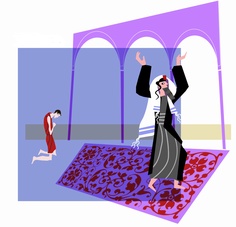 Pada zaman Yesus, ada beberapa kelompok di dalam agama Yahudi dan salah satunya adalah orang-orang Farisi. Inilah orang-orang yang mencintai Tuhan dan dengan taat mematuhi Hukum Musa dan tradisi para penatua bahkan dalam kehidupan sehari-hari mereka. Jadi, orang Yahudi menganggap mereka sebagai orang benar karena mereka setia kepada Hukum, dan saleh karena mereka sering berdoa. Banyak orang Farisi menjadi pengurus sinagoga dan dengan tekun mengajarkan Hukum saat hari-hari Sabat. Tidak heran, orang-orang Yahudi memberikan kepada orang-orang Farisi tempat-tempat terbaik di tempat-tempat ibadah dan pesta-pesta, dan memanggil beberapa dari mereka sebagai Rabi atau guru.
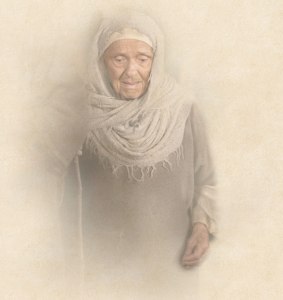 The widows are one of the most disfranchised groups in ancient Israel. In those times, women, in general, were considered to be less human. Every time a Jewish man in first-century Palestine woke up, he would pray and thank the Lord for he was not born as a Gentile, a slave or a woman. Often, women were treated as the properties of the patriarchs. While adult men were working outside the house, women were expected to stay behind to take care of the children and the household. Since many women were supported by their husbands, being a widow means loss of both financial foothold and honor. They were lucky if they had mature sons who would take care of them, but those widows without sons were the most pitiful.
 Para janda adalah salah satu kelompok yang paling terpinggirkan di Israel kuno. Pada masa itu, wanita pada umumnya dianggap sebagai manusia yang lebih rendah. Setiap kali seorang pria Yahudi di Palestina abad pertama bangun, dia akan berdoa dan bersyukur kepada Tuhan karena dia tidak dilahirkan sebagai orang bukan Yahudi, budak atau wanita. Seringkali, perempuan diperlakukan sebagai properti para kepala keluarga. Sementara para pria dewasa bekerja di luar rumah, para perempuan diharapkan tetap tinggal untuk menjaga anak-anak dan rumah. Karena banyak perempuan yang tergantung pada suami mereka, menjadi janda berarti kehilangan pijakan ekonomi dan kehormatan. Mereka beruntung jika mereka memiliki putra yang dewasa yang akan merawat mereka, dan ini membuat para janda tanpa putra adalah yang paling menyedihkan.
 Suffering, sickness, and death do not care whether you are Jews or Samaritans, whether you are rich or poor, whether you are old or young. When it strikes, it strikes. In time of Jesus, leprosy or Hansen’s disease was still one of most dreadful sicknesses. It ate you your skin and made you ugly. It is highly contagious, and thus, cut you from your community. It was incurable and thus brought you a slow and agonizing death.
