

Minggu ke-28 pada Masa Biasa – 13 Oktober 2019 – Lukas 17: 11-19
 Penderitaan, penyakit, dan kematian menyerang tanpa pandang bulu. Tidak peduli apakah orang Yahudi atau orang Samaria, apakah kaya atau miskin, apakah tua atau muda. Pada zaman Yesus, kusta atau penyakit Hansen masih merupakan salah satu penyakit yang paling mengerikan. Itu memakan kulit kita dan membuat kita jelek. Ini sangat menular, dan dengan demikian, dikucilkan dari komunitas. Penyakit ini tidak dapat disembuhkan dan dengan demikian membawa kematian yang lambat dan menyakitkan.
Kita berterima kasih kepada Tuhan, bahwa kusta sekarang dapat disembuhkan, tetapi umat manusia terus berjuang dengan penyakit mematikan yang membawa penderitaan dan kematian yang tak terhitung. Ketika saya masih seorang frater dalam formasi, saya ditugaskan ke rumah sakit di Manila untuk mendampingi para pasien. Tugas saya adalah menemani orang-orang yang bergulat dengan penyakit yang mengerikan. Beberapa berjuang melawan kanker dan mereka harus menjalani kemoterapi yang menyakitkan. Beberapa mengalami gagal ginjal dan harus menjalani hemodialisis dengan sabar. Beberapa adalah korban HIV yang tak berdaya dan harus menanggung berbagai komplikasi.
Saya tidak pernah lupa bertemu dengan seorang pemuda di rumah sakit itu. Sebutlah dia sebagai John. Dia adalah lulusan perguruan tinggi yang baru diwisuda, dan dia memiliki harapan besar untuk kehidupan masa depannya. Namun, semua berubah ketika hanya beberapa minggu setelah lulus, ia didiagnosis menderita kanker, stadium 3. Dengan demikian, untuk bertahan hidup ia harus mengambil pengobatan yang sangat agresif seperti operasi dan kemoterapi. Di rumah sakit, saya belajar bagaimana kemoterapi yang menyakitkan ini tidak ada jaminan bahwa perawatan ini akan berhasil. Bahkan, itu bisa menghancurkan tubuh dalam proses. Dia kehilangan rambutnya, kehilangan nafsu makan, dan setiap kali dia mencoba makan, dia akan muntah. Dia menjadi sangat lemah dan sakit-sakitan.
Suatu hari, saya memutuskan untuk mengunjunginya dan mengobrol sedikit. Saya melihat kasus yang sangat menyedihkan, tetapi yang mengejutkan saya, dia mengatakan bahwa dia baik-baik saja dan sebenarnya bersyukur. Awalnya, saya pikir obatnya bekerja, tetapi sebenarnya tidak demikian. Saya bingung dengan jawabannya. Saat berhadapan dengan pasien dengan penyakit serius, kita diberitahu tentang lima tahap menghadapi duka: penolakan, kemarahan, tawar-menawar, depresi, dan penerimaan. Tidak ada di dalam tahapan ini dimana orang yang sakit akan bersyukur. Namun, John bersyukur atas kondisinya. Mengapa?
Ketika saya bertanya lebih lanjut, saya mendengar jawaban yang tak terlupakan. Dia mengatakan bahwa dalam penyakit dan penderitaannya, dia menemukan apa yang benar-benar penting dan sangat diperlukan dalam hidupnya. Dia mulai mengerti bagaimana kasih orang tuanya membuat hidupnya lebih bermakna. Dia melihat bagaimana Tuhan telah memberikan kehidupan yang sederhana namun sepenuhnya cuma-cuma. Setiap nafas, setiap detak jantung, setiap kenangan adalah anugerah berharga dari Tuhan. Dia tidak bisa tidak bersyukur atas berkat sederhana dari Tuhan, meskipun dia sakit parah.
John mengajarkan saya bahwa penderitaan kadang-kadang cara Tuhan untuk mengingatkan kita untuk menemukan apa yang benar-benar penting dalam hidup kita. Ketika kita menderita, kita menyadari tubuh indah kita bukanlah segalanya, kekayaan kita kosong, dan ambisi kita seperti nafas yang lewat. Kita bersyukur kepada Tuhan bahwa kita tidak menderita seperti John, tetapi kita tidak harus menunggu sampai sakit, untuk menemukan hal-hal yang penting. Waktunya sekarang dan tempatnya ada di sini untuk kita bertanya, apakah yang paling penting di dalam hidup ini.
Valentinus Bayuhadi Ruseno, OP
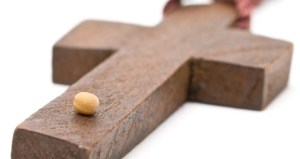 If there is one most powerful force in the universe, it will be faith. Jesus teaches us that even faith as small as a mustard seed can do the impossible. Jesus preaches that with this little faith, we can command a sycamore tree be uprooted and be planted in the sea. One of the smallest things on earth can move the most significant reality in the world. The sycamore tree has both deep, strong and widespread roots. It is just impossible to uproot it when it has grown mature. Yet, Jesus surprises further even by saying that we can replant this on the bed of the ocean. That makes it doubly impossible. Jesus is pushing his teaching on faith beyond natural human reasoning!
 Jika ada satu kekuatan paling dahsyat di alam semesta, ini adalah iman. Yesus mengajarkan kepada kita bahwa iman sekecil biji sesawi dapat melakukan hal yang mustahil. Yesus menyatakan bahwa dengan iman yang kecil ini, kita dapat memerintahkan pohon ara dicabut dan ditanam di laut. Salah satu hal terkecil di bumi dapat menggerakkan realitas paling besar di dunia. Pohon ara memiliki akar yang dalam, kuat dan menyebar. Tidak mungkin mencabutnya ketika sudah dewasa. Namun, Yesus bahkan mengatakan bahwa kita tidak hanya mampu mencabutnya tetapi juga menanam kembali ini di dasar samudera. Itu membuatnya mustahilnya doble! Inilah hebatnya iman yang kita miliki.
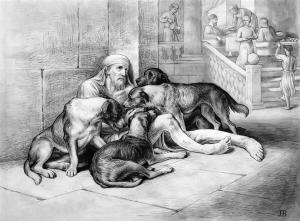 Once again, we listen to one of Jesus’s most remarkable stories. There is a rich man, and this guy is insanely wealthy. He is described as someone clothed with purple and fine linen. In ancient time, fine purple linen is an utmost luxury, and usually only nobilities could afford to buy this kind of cloth. Before the coming of synthetic coloring, purple dye is coming from snails of Mediterranean Sea, and it takes thousands of snails just to dye one ordinary garment. This rich guy is also throwing party every night. At the time of Jesus, where majority must toil to earn a little and to have something to eat, to enjoy feast every night is madly extravagant. At that time, fork, knife, and napkins were not common; thus, people are eating with their hands. In very wealthy houses, they will cleanse their hands by wiping them on hunks of bread that will be thrown away. These are pieces of bread Lazarus longs to receive.
 There is something strange in our Gospel today. Jesus is praising the cunning steward. Why does Jesus commend his shrewd action? To understand Jesus’ words, we need to comprehend first what really takes place with this servant and his master.
 Ada sesuatu yang aneh dalam Injil kita hari ini. Yesus memuji pelayan yang curang itu. Mengapa Yesus memuji tindakan cerdiknya? Untuk memahami kata-kata Yesus, kita perlu memahami terlebih dahulu apa yang sebenarnya terjadi dengan hamba ini dan tuannya.
 Chapter 15 of the Gospel of Luke contains three of the most heartwarming as well as powerful parables in the entire Bible. These three parables are known as the parable of the lost sheep, the parable of the lost coin, and the parable of the prodigal son. If we look closer into these three parables, what is so stunning and astonishing is how Jesus bends, twists and stretches human logic and natural tendency to nail His point.
 Bab 15 dari Injil Lukas berisi tiga perumpamaan yang paling mengharukan dan indah di seluruh Alkitab. Tiga perumpamaan ini dikenal sebagai perumpamaan tentang domba yang hilang, perumpamaan tentang koin yang hilang, dan juga perumpamaan tentang anak yang hilang. Jika kita melihat lebih dekat ke dalam ketiga perumpamaan ini, apa yang begitu menakjubkan dan mencengangkan adalah bagaimana Yesus membengkokkan, memutar dan merentangkan logika manusia dan budaya Israel untuk menyampaikan poin terdalam-Nya.
 Today we listen to one of Jesus’ hard sayings. If we want to follow Jesus, we need to hate our fathers, mothers, our other siblings, and even our own lives; otherwise we are not worthy of Him [Luk 14:25]. Is Jesus serious? Jesus must be kidding around. NO, he means what he says. So, how are we going to understand this hard saying? Jesus teaches love, mercy, and compassion, and the only thing He hates is a sin. Does Jesus change his mind and now turn to be the promoter of hatred? If we can hate our family, we now hate practically everyone. Is this what Jesus intending to say?
