

Minggu ke-33 dalam Masa Biasa [18 November 2018]
Markus 13: 24-32
“Pada waktu itu orang akan melihat Anak Manusia datang dalam awan-awan dengan segala kekuasaan dan kemuliaan-Nya.” (Mrk. 13:26)

Buku terakhir di Alkitab dikenal juga sebagai Kitab Wahyu. Dalam Bahasa Yunani, kata yang digunakan adalah “apokalopsis” yang berarti penyingkapan atau pewahyuan. Literatur “apokaliptik” merupakan karya-karya tulis mengungkap rahasia peristiwa masa depan, dan biasanya, ini adalah kejadian-kejadian dramatis di akhir dunia. Injil kita hari Minggu ini diambil dari Markus pasal 13, dan bab ini juga dikenal sebagai apokaliptik kecil.
Markus 13 berbicara tentang kedatangan Anak Manusia. Namun, ketika kita membaca lebih seksama, kita menemukan beberapa peristiwa yang menyedihkan dan bahkan mengerikan yang akan mendahului kedatangan Yesus yang mulia ini. Bait Allah Yerusalem akan dihancurkan, pengikut-pengikut Yesus akan mengalami penganiayaan, dan matahari, bulan, dan objek-objek angkasa lainnya tak lagi berfungsi. Zaman ini akan menjadi waktu yang mengerikan bagi manusia untuk hidup.
Bagi pembaca modern seperti kita, Injil kita hari ini tidak terdengar optimis sama sekali. Sebenarnya, kita mungkin mempertanyakan apakah ini adalah Kabar Baik tentang keselamatan atau kisah mimpi buruk yang sekedar menakut-nakuti anak-anak kecil? Bagi banyak dari kita yang menghadiri misa Mingguan dengan setia, kita mendengarkan kisah apokaliptik kecil ini di akhir setiap tahun liturgi Gereja. Karena kita mendengar kisah ini dari tahun ke tahun, kisah apokaliptik ini telah kehilangan giginya, dan kita tidak lagi takut dengan hal-hal yang akan terjadi. Toh nyatanya, kita masih hidup dan baik-baik saja.
Namun, literatur apokaliptik memiliki dampak dan makna yang berbeda bagi umat Kristiani pertama, yang adalah pembaca pertama Injil Markus. Bagi Gereja Perdana, apokaliptik tidak berarti cerita horror akhir dunia yang menakutkan, melainkan sebuah pesan harapan. Umat Kristiani awal adalah minoritas kecil di kekaisaran Romawi yang besar. Karena mereka teguh dalam keyakinan mereka untuk menyembah Allah yang esa, dan menolak untuk menyembah Kaisar Roma dan dewa-dewa Romawi, mereka terus menerus menjadi subjek pelecehan, penganiayaan dan bahkan menjadi martir.
Salah satu penganiayaan yang paling brutal terhadap umat Kristiani terjadi di bawah perintah Kaisar Nero. Dia menyalahkan umat Kristiani atas api yang membakar sebagian Kota Roma. Dia memerintahkan agar umat Kristiani untuk ditangkap dan disiksa. Beberapa menjadi umpan binatang buas. Beberapa dimakan oleh anjing-anjing lapar. Lainnya dibakar hidup-hidup untuk menerangi Kota Roma di malam hari. Dalam masa keputusasaan ini, Markus pasal 13 memberi mereka Injil pengharapan. Tidak peduli apa yang terjadi pada umat Kristiani, apakah itu diskriminasi, penganiayaan, bencana, atau bahkan akhir dunia, mereka yakin bahwa Allahlah yang memegang kendali; Dia yang berkuasa dan memiliki kata terakhir.
Fakta bahwa kita dapat membaca refleksi kecil ini berarti bahwa kita hidup dalam zaman yang jauh lebih baik dibandingkan dengan umat Kristiani yang dianiaya. Namun, pesan dari literatur apokaliptik tetap relevan bagi kita semua. Menghadapi tantangan dan kerja harian, kejadian yang tidak terduga dan tidak menyenangkan, dan berbagai masalah dan kerumitan hidup, kita cenderung frustrasi, dan kehilangan harapan. Semakin banyak orang muda saat ini yang dengan mudah mengalami depresi, dan sebagian, sayangnya, memutuskan untuk mengakhiri hidup mereka. Ini terjadi karena kita tidak lagi tahu bagaimana berharap. Dalam bukunya, “Crossing the Threshold of Hope”, St. Yohanes Paulus II ditanya apakah sang paus pernah meragukan hubungannya dengan Tuhan, terutama dalam masa sulit dalam hidupnya. Jawabannya sederhana namun penuh pengharapan, “Jangan takut!” Gereja adalah sekolah yang mengajar anak-anaknya untuk berani berharap karena pada akhirnya, Tuhanlah yang memiliki kata akhir, dan kita tidak perlu takut.
Frater Valentinus Bayuhadi Ruseno, OP
 In Jesus’ time, the scribes are the well-educated Jewish men who are expert in the Law of Moses. Some of them come from the wealthy families, and others hail from the priestly clan. Being able to teach and interpret the Law, they receive the respect and honor from the ancient Jewish society. Thus, ordinary Jews will greet them and prepare them the seats of honor in the synagogues and the banquets. Surely, there is no problem with receiving greetings and sitting as honor guests. Jesus Himself is often greeted as “Teacher” or “Rabbi”, and He attends the banquets as guest of honor (see Mar 14:3). The problem comes when some of the scribes possesses “narcissistic desire” and intentionally look for these privileges.
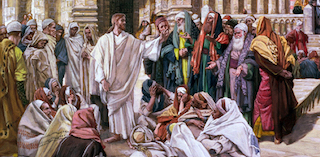 Pada masa Yesus hidup, para ahli Taurat adalah orang Yahudi terdidik dan menjadi ahli dalam Hukum Musa. Beberapa dari mereka berasal dari keluarga kaya, dan yang lain dibesarkan dari klan imam. Mampu mengajar dan menafsirkan Hukum, mereka menerima respek dan kehormatan dari masyarakat Yahudi. Dengan demikian, orang-orang Yahudi kebanyakan akan menyapa dengan hormat para ahli Taurat ini dan mempersiapkan bagi mereka kursi kehormatan di sinagoga dan perjamuan. Tentunya, tidak ada masalah dengan menerima salam dan duduk sebagai tamu kehormatan. Yesus sendiri sering disambut sebagai “Guru” atau “Rabi”, dan Dia menghadiri perjamuan sebagai tamu kehormatan (lihat Mar 14:3). Masalah muncul ketika beberapa ahli Taurat memiliki “hasrat narsistik”, menjadi gila hormat dan dengan sengaja mencari yang kehormatan dan semua hak-hak istimewa.
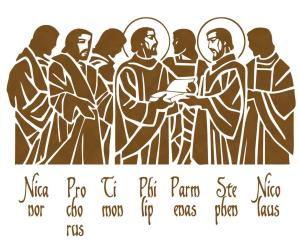 I am currently preparing for my ordination to the diaconate. It is a transitional stage before I become a priest of Jesus Christ. Despite the fact of being transitional, a deacon in itself is an important state in the life of the Church. Bishop Virgilio David, DD of Kalookan reminded the 15 newly-ordained Jesuit deacons in his homily last October that we shall not see a deacon as a mere stepping step toward higher states, like priests and bishops. It is the very core in the layers of concentric circles that make up the ordained ministries of the Church. The diaconate is not a lower rank but the core, without which both the offices of presbyters and bishops collapse. It is the foundation on which we build leadership in the Church. Yet, why do the deacons have to be placed at the core, and become the foundation?
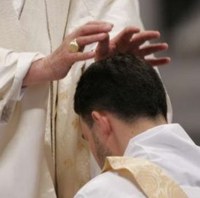 Hari-hari ini, saya sedang mempersiapkan tahbisan diakonat saya. Diakon sendiri adalah tahap transisi sebelum saya menjadi seorang imam. Terlepas dari kenyataan bahwa diakonat adalah masa transisi, seorang Diakon itu sendiri adalah masa hidup yang penting dalam kehidupan Gereja. Uskup Virgilio David, DD dari Kalookan, Metro Manila, mengingatkan 15 diakon Yesuit yang baru saja ditahbiskan Oktober lalu bahwa kita jangan melihat Diakon hanya sebagai langkah pertama menuju tingkat yang lebih tinggi, seperti imam dan uskup. Diakon adalah inti dalam lapisan lingkaran konsentris yang membentuk pelayanan tertahbis di Gereja. Diakon menjadi inti dari lingkaran pelayanan ini dan tanpa inti ini, para imam dan uskup akan runtuh. Ini adalah fondasi tempat kita membangun kepemimpinan di Gereja. Namun, mengapa Diakon harus ditempatkan sebagai inti dan menjadi fondasi?
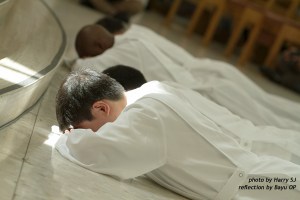
 I made my religious vow more than eight years ago with 12 other Dominican brothers. One of the most touching moments within this rite of the religious profession was when Fr. Provincial asked us, “What do you seek?” and we all prostrated, kiss the ground, and declared, “God’s mercy and yours!” After a brief moment, Fr. Provincial asked us to stand, and we began professing our vows before him. As I recall this defining moment in my life, I am pondering in my heart, “Why it has to be mercy?” Why do we not choose other Christian virtues? Why not fortitude, one of the cardinal virtues in the Christian tradition? Why not love, the greatest of all virtues?
 Saya mengucapkan kaul lebih dari delapan tahun yang lalu bersama dengan 12 frater lainnya. Salah satu momen paling menyentuh dalam ritual profesi religius ini adalah ketika Romo Provinsial bertanya kepada kami, “Apa yang kamu cari?” Dan kami semua bersujud dan berbaring di lantai, sambil berseru, “Belas kasih Tuhan dan juga komunitas!” Setelah beberapa saat, Pastor Provinsi meminta kami untuk berdiri, dan kami mulai mengucapkan kaul kami di hadapannya. Saat saya mengingat momen yang penting ini, saya merenungkan dalam hati saya, “Mengapa harus meminta belas kasih?” Mengapa kita tidak memilih keutamaan lainnya? Mengapa tidak keadilan, yang adalah salah satu keutamaan penting dalam tradisi Kristiani? Mengapa tidak cinta kasih, yang adalah keutamaan terbesar dari semua keutamaan?
 “Power tends to corrupt, and absolute power corrupts absolutely.” This familiar adage comes from an English noble, Lord Acton in his letter to Bishop Mandell Creighton in 1887. Lord Acton observed that people who possessed absolute control over other persons were inclined to abuse their power and exploit their subjects. This happens throughout human history. Jesus and His disciples themselves witnessed these corrupt powerful leaders during their time and eventually, became victims of this corruption.
 “Power tends to corrupt, and absolute power corrupts absolutely.” Pepatah ini berasal dari bangsawan Inggris, Lord Acton dalam suratnya kepada Uskup Mandell Creighton pada 1887. Lord Acton mengamati bahwa orang-orang yang memiliki kekuasaan mutlak atas orang lain cenderung menyalahgunakan kekuasaan mereka dan mengeksploitasi bawahan mereka. Ini terjadi sepanjang sejarah manusia. Yesus dan murid-murid-Nya sendiri menyaksikan para pemimpin korup ini pada zaman mereka dan akhirnya, menjadi korban kekuasaan yang korup tersebut.
 We discover at least three instances in the Bible in which Jesus explicitly expresses that He loves someone. The first instance is that Jesus loves the young rich man who seeks the eternal life (Mrk 10:21). The second is Jesus loves Martha, Mary, and Lazarus (Jn 11:5). The third is Jesus’ love for His disciples, especially His beloved disciple (Jn 13:34).
