

The Sixth Sunday of Easter [A]
Acts 8:5-8, 14-17
May 10, 2026
The Sacrament of Confirmation is arguably the most underappreciated and misunderstood of the seven Sacraments. Yet, why do we fail to appreciate this sacrament? Does it even mention in the Bible? And, how does the sacrament reveal the secrets about the Holy Spirit?
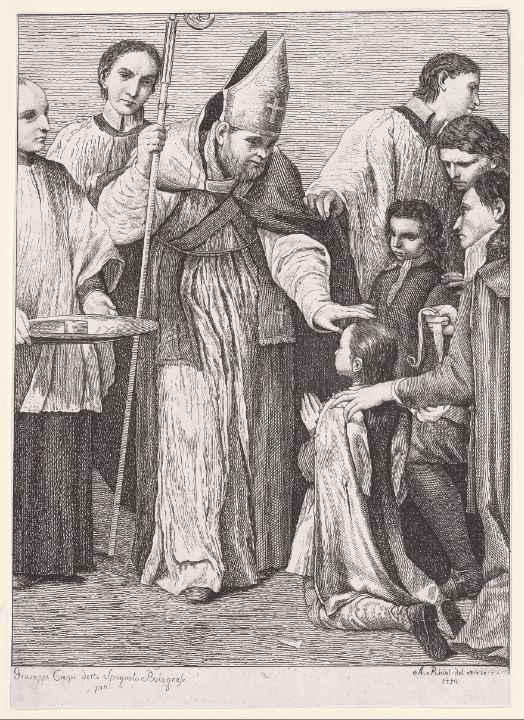
We often struggle to value it because it lacks the immediate, visible impacts in our lives, yet its foundations are deeply biblical. In the Acts of the Apostles, specifically chapter 8, we see Philip the Deacon preaching and baptizing in Samaria. When the Apostles Peter and John arrived, they prayed for the converts to receive the Holy Spirit, as the Spirit had not yet fallen upon them. This ancient narrative confirms that since the time of the Apostles, a distinct sacrament existed specifically to impart the presence and gifts of the Holy Spirit, a ministry uniquely tied to the authority of the Apostles.
Continuing this tradition, the Church recognizes Bishops as the successors of the Apostles and the ordinary ministers of the sacrament. The name “Confirmation” is used because the Catholic Church teaches that the graces received here strengthen and solidify the initial grace of Baptism. While Baptism is viewed as a spiritual birth, Confirmation serves as a passage into spiritual adulthood. It is designed to equip the believer for their mission in the world and provide the necessary strength for spiritual warfare against the forces of darkness.
Despite its importance, Confirmation is often less popular than other sacraments because it doesn’t dramatically change a person’s external lifestyle or status, unlike Matrimony or Holy Orders. Furthermore, because it is only received once, it lacks the frequent reinforcement we find in the Eucharist or Penance. Many modern Christians also mistakenly equate spiritual growth with emotional sensations. When people do not feel “emotionally touched,” hear God’s voices, or experience spectacular gifts during the prayers, we are often tempted to perceive the sacrament as unexciting or stagnant.
However, St. Luke’s account in the Bible suggests that the Holy Spirit does not always work through spectacular displays. After Peter and John laid hands on the Samaritans, there was no mention of extraordinary fireworks, reminding us that the Spirit often works quietly and gradually. Through Confirmation, we receive an increase in the seven gifts: Wisdom, Understanding, Counsel, Fortitude, Knowledge, Piety, and Fear of the Lord. These gifts allow us to align our lives with God’s will even during trials. The true evidence of the Holy Spirit’s work is found in small, faithful acts—choosing to attend Mass when it feels boring, remaining loving during marital difficulties, or serving others without seeking praise. These are the quiet signs that the Holy Spirit through the sacrament is truly transforming the souls.
Rome
Valentinus Bayuhadi Ruseno, OP
Guide questions:
How often do I equate the strength of my faith with how “emotional” or “excited” I feel during prayer? How might I refocus on the quiet, steady growth the Holy Spirit provides? If Baptism is my spiritual birth and Confirmation is my entry into spiritual adulthood, in what specific areas of my life am I being called to move away from “infant” faith and take on the responsibilities of a mature Christian?
 In Medio Ecclesiae