


22nd Sunday in Ordinary Time. August 28, 2016 [Luke 14:1, 7-14]
“Rather, when you hold a banquet, invite the poor, the crippled, the lame, the blind (Luk 14:13)”
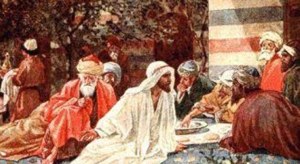 In the time of Jesus, Jews had their own special way of dining. Instead of sitting or standing the Jews would recline on a low table where food and wine are served. Reclining was the sign of free man in Greco-Roman culture. The slaves stood and served the guests. Aside reclining posture, their place in the dining table indicated their importance to the host. The closer they were to the host, the more significant they were to the host. Thus, persons sitting beside the host were expected to be the most important guests.
Jesus noticed that some guests wanted to occupy the place of importance in the dining table. Certainly, situating oneself in the place of honor, gave a sense of prestige, but more significantly, the closer they were to the host, the better connection they had with the host who was a leading and influential Pharisee in town.
From ancient times to present days, to connect oneself to the figure of authority and power will give us a better position to improve our lives or advance our cause. With good connection, an unemployed can get a good job. With connection, an employee can have his desired promotion. With connection, a student can enjoy the trust of his teachers. John Maxwell, an inspirational teacher, told us how he was able to win the heart of his wife Margaret, despite many other handsome suitors. He made a good connection with her mother! I guess one of the reasons why I have more preaching opportunities is that I am connected with good friends who also are active in the Church.
Jesus did not intend to erase this kind of connection. In fact, He himself is our connection to the Father (cf. 1 Tim 2:5). In today’s Gospel, what he desire was to re-orient our understanding of our connection. We must not use our connection just to advance our individual and selfish plans, but rather we employ it for the empowerment of others. Jesus invited the hosts to invite the poor in their meals. This was not only about feeding the hungry, but the rich hosts are to make connection with the poor. With connection, the possibility of enabling the less fortunate is opened.
I was fortunate to meet a Columban lay missionary from Korea. Leaving behind her promising career in the US, Ms. Anna volunteers to do ministry in the Philippines. She shared to me what she is doing to help the poor. She gathered the poor mothers living near her place and created a livelihood project. She taught them how to make a candle and sell them at the nearby parishes. Most of the mothers were high school dropouts and at the mercy of their husbands. But, with this project, some are able to continue their study, support their family and more importantly, they now have financial independence and no longer dependent on their husbands. Ms. Anna made connection with these mothers and this connection empowers them.
Jesus calls us to be a good host. This means we who are endowed with blessings will connect with those who are not so fortunate in their lives. Let our connection empower others more tham simply enriching ourselves.
Br. Valentinus Bayuhadi Ruseno, OP

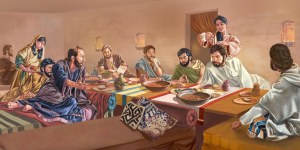 Pada zaman Yesus, orang-orang Yahudi memiliki cara unik saat perjamuan makan. Alih-alih duduk seperti biasanya, orang-orang Yahudi akan merebahkan diri pada kursi panjang dan menyenderkan tubuh mereka pada meja yang cukup rendah di mana makanan dan anggur yang disajikan. Di dalam budaya Yunani-Romawi kuno, cara makan seperti ini adalah tanda orang yang bebas, sedangkan budak akan berdiri dan melayani para tamu. Selain merebahkan diri, posisi mereka di meja perjamuan akan menunjukkan seberapa pentingnya mereka bagi tuan rumah. Semakin dekat mereka dengan tuan rumah, semakin pentinglah dia bagi sang tuan rumah. Dengan demikian, orang yang duduk di samping tuan rumah adalah tamu yang paling penting.
 Salvation is both a gift and a choice. It is free yet it is never cheap. It is a gift because it is freely given by God and no one earns it. Yet, it is a choice because we make all the efforts to receive it and make it ours. Through His death and resurrection, Jesus has made available the grace of salvation for everyone. But, we need to participate in His work of salvation by living out the gift of faith in our daily lives.
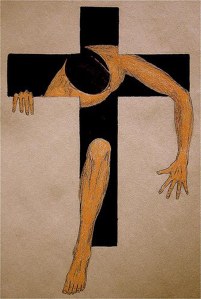 Keselamatan adalah sebuah rahmat dan juga pilihan. Keselamatan adalah cuma-cuma, tetapi bukan berarti murahan. Keselamatan adalah rahmat karena diberikan oleh Allah secara cuma-cuma. Namun, ini juga adalah pilihan karena kita perlu membuat semua upaya untuk menerimanya dan menghidupinya. Melalui kematian dan kebangkitan-Nya, Yesus telah membuka pintu anugerah keselamatan bagi semua orang. Tapi, kita perlu berpartisipasi dalam karya keselamatan-Nya dengan menghidupi secara penuh karunia iman ini di dalam kehidupan kita sehari-hari.
 In the midst of all super-advanced digital gadgets and nano technologies, making fire seems rather archaic and a bit useless. Why will we set a fire and cause pollution, if we have energy-saving LED lamp in our house? However, making fire is the earliest and one of the most significant human invention. Fire revolutionized the lives of our ancestors and gave us substantial advantages over other creatures. Fire brings warm and comfort in chilling and unforgiving weathers. Fire protects us from bigger and fiercer predators. Fire provides light that shed off the darkness. Fire also is needed to forge other inventions and technologies, like various tools and weapons.
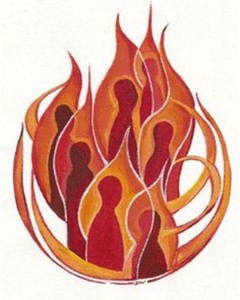 Hidup di antara gadget-gadget digital super-canggih dan berbagai teknologi nano, kegiatan membuat api tampak seperti sangat primitif dan sia-sia. Mengapa kita harus membuat api dan menyebabkan polusi jika kita memiliki lampu LED yang hemat energi di rumah kita? Namun, membuat api sebenarnya adalah salah satu penemuan manusia yang paling awal dan signifikan. Api merevolusi kehidupan nenek moyang kita dan memberi kita keuntungan besar atas makhluk lainnya. Api membawa kehangatan dan kenyamanan dalam cuaca dingin. Api melindungi kita dari predator yang lebih besar dan ganas. Api memberikan cahaya yang menghapus kegelapan. Api juga diperlukan untuk menempa penemuan dan teknologi lain, seperti berbagai alat dan senjata.
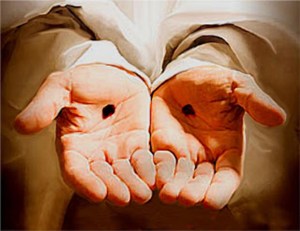 Are we ready to sell everything we have and follow Jesus? Are we prepared to give up our dreams and ambitions for the Kingdom? Are we willing to place our hearts, our treasures where no moth can destroy and no thief can steal?
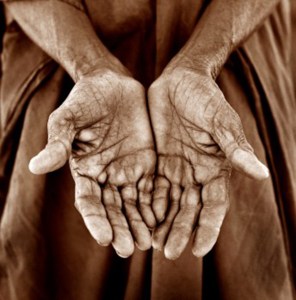 Apakah kita siap untuk menjual semua yang kita miliki dan mengikuti Yesus? Apakah kita siap untuk menyerah mimpi dan cita-cita kita untuk Kerajaan Allah? Apakah kita bersedia untuk menaruh hati kita pada harta yang tidak akan dirusak ngengat dan tidak akan dicuri?
 Greed is one of the most sickening sins. It can plague practically anyone, rich and poor, young and old, lay people and even the leaders of the Church. Greed as the inordinate desire for wealth or money. Greed breeds corruption, stealing, cheating and violence. Greed produces injustice and poverty. And injustice and poverty cause nothing but suffering of countless people and permanent destruction to our mother earth.
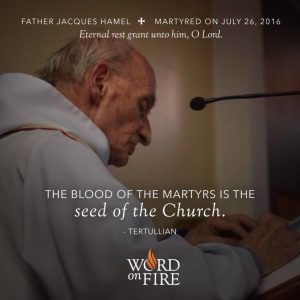 Keserakahan dan ketamakan adalah dosa yang sangat menhancurkan. Ketamakan dapat menjangkiti praktis siapa pun, kaya dan miskin, tua dan muda, awam dan bahkan para pemimpin Gereja. Ketamakan dapat dimengerti sebagai hasrat yang tak terkendali untuk memiliki kekayaan atau harta benda. Keserakahan melahirkan berbagai bentuk korupsi, pencurian, penipuan dan kekerasan. Keserakahan menghasilkan ketidakadilan dan kemiskinan. Dan ketidakadilan dan kemiskinan menyebabkan penderitaan bagi jutaan orang dan kerusakan permanen pada bumi ini.
