


17th Sunday in Ordinary Time [July 24, 2016] Luke 11:1-13
“Father, hallowed be your name, your kingdom come. Give us each day our daily bread (Luk 11:2-3)”
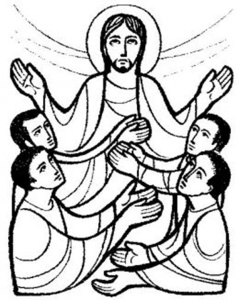 When we begin to pray, we acknowledge the presence of God. Not only that, we also recognize that we are dependent on Him. No wonder that the most basic and common prayer is a prayer of petition. We pray to ask favor from God. We beg for good health, success in career, passing examination, protection from dangers, and more. Several times, I wrote that God is not a spiritual ATM and that our prayer is an ATM card. After ‘inserting our prayer’ and ‘inputting a correct amount of request’, God will produce what we wish. But, I have realized that every morning, when I pray before the Blessed Sacrament and the image of our Lady of La Naval de Manila, my prayer is a prayer of petition. I ask God for so many things, for good breakfast, for easy quiz, sometimes for suspension of classes. Certainly, I also pray for people I love and people I promised to pray for.
In today’s Gospel, Jesus taught the disciples how to pray. He taught them the most beautiful prayer, the ‘Our Father’. Though Luke’s version is shorter than Matthew’s version, both contain the same basic attitude. This is the prayer of petition. We ask that His Kingdom come. We ask for our daily bread. We ask for forgiveness and deliverance from evil. We ask God for the most essential needs in our daily life.
Jesus did not only teach us to pray humbly, but also to pray confidently. We pray confidently because Jesus introduced us to a God who is a caring and loving Father. I am aware that not every one of us has a very pleasant experience with our own fathers. Some, just like myself, are fortunate to have dependable fathers. But, others have to deal with abusive and violent fathers. Others have no idea who their fathers are. Thus, Jesus assured us that Our Father in heaven is the most caring, most loving and best father of all. “What father among you would hand his son a snake when he asks for a fish? Or hand him a scorpion when he asks for an egg? If you then, who are wicked, know how to give good gifts to your children, how much more will the Father in heaven give the Holy Spirit to those who ask him? (Luk 11:11-13)”
Sometimes, we wonder why God does not answer our prayer of petition. This is precisely because God is our Father. He knows what best for us, and sometimes, what we want is not really the best for us. There is something better in store for us. He always answers our prayers, but often, we do not listen to His answer.
The highest form of prayer in the Catholic tradition is the Holy Eucharist. By its name, Eucharist means thanksgiving (from Greek ‘eucharistein’, to give thanks), yet it is also true that Eucharist is a prayer of petition. In fact, in the Eucharist, we ask God for something we need most, our salvation and the salvation of the world. In order to achieve this, we offer the most pleasing sacrifice, Jesus Christ Himself to the Father, the source of salvation. The heavenly Father could not resist this most perfect offering. God then abundantly showers us with His grace. Our salvation is hinged in prayer.
We pray because this is who we are. We are nothing apart from God. We are dependent on God. We kneel and humble ourselves before Him. Yet, we pray because we are confident that He will listen to our prayer. We are assured that God will take care of us. We pray because God is our Father.
Br. Valentinus Bayuhadi Ruseno, OP

 Ketika kita mulai berdoa, kita mengakui bahwa kita bergantung pada-Nya. Tidak heran jika salah satu bentuk doa yang paling mendasar dan umum adalah doa permohonan. Kita berdoa untuk meminta sesuatu dari Allah. Kita mohon untuk kesehatan, kesembuhan, sukses dalam karir, lulus ujian, perlindungan dari bahaya, dan banyak lagi. Saya pernah menulis bahwa Tuhan bukanlah ATM spiritual dan doa kita adalah kartu ATM. Setelah memasukan ‘kartu ATM doa’ dan mengetikan ‘password Amin’, Allah akan serta-merta menghasilkan apa yang kita inginkan. Tapi, saya menyadari bahwa setiap pagi, ketika saya berdoa di hadapan Sakramen Mahakudus dan bunda Maria La Naval, doa-doa saya adalah doa permohonan. Saya meminta Tuhan banyak hal, seperti sarapan yang enak, kemudahan dalam ujian, kadang-kadang berharap bisa dapat cuti lebih awal dan panjang. Tentu saja, saya berdoa juga bagi orang-orang yang saya kasihi dan mereka yang telah saya janjikan untuk didoakan.
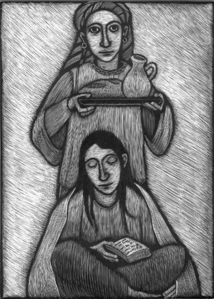 Few weeks ago, I participated in a seminar-workshop on personality recognition and development. The activity was organized by the ministry of Lectors of Santo Domingo Parish and facilitated by seasoned speaker Sr. Leticia Garcia, DC. As I expected, the test result told me that I was dominantly introvert, meaning I was silent and more reserved guy. I found strength in solitude. I shared this treats with many of the participants. Yet, not few were actually our opposite. They were extrovert, meaning they were people-oriented and action-driven. They were recharged in interaction with others. Sr. Garcia made a point that the difference must not bring us into animosity. When properly developed, our personalities shall complete each other and contribute in the service of God.
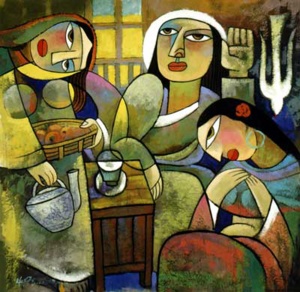 uti seminar dan lokakarya tentang pengenalan dan pengembangan kepribadian di Manila, Filipina. Seperti yang saya duga, hasil tes menyatakan bahwa saya secara dominan adalah introvert, yang berarti saya kepribadian yang tenang dan pendiam. Saya menemukan kekuatan dalam keheningan. Saya tidak sendirian karena banyak juga peserta adalah introvert. Namun, tidak sedikit yang memiliki kepribadian yang berlawanan dengan kami. Mereka adalah ekstrovert, yang berarti mereka menyukai banyak aktivitas dan senang berinteraksi dengan orang lain. Sang pembicara mengingatkan bahwa perbedaan tidak boleh membawa kita ke permusuhan. Jika dikembangkan dengan baik, kepribadian kita yang unik akan saling melengkapi dan berkontribusi dalam pelayanan di Gereja dan kemuliaan Tuhan.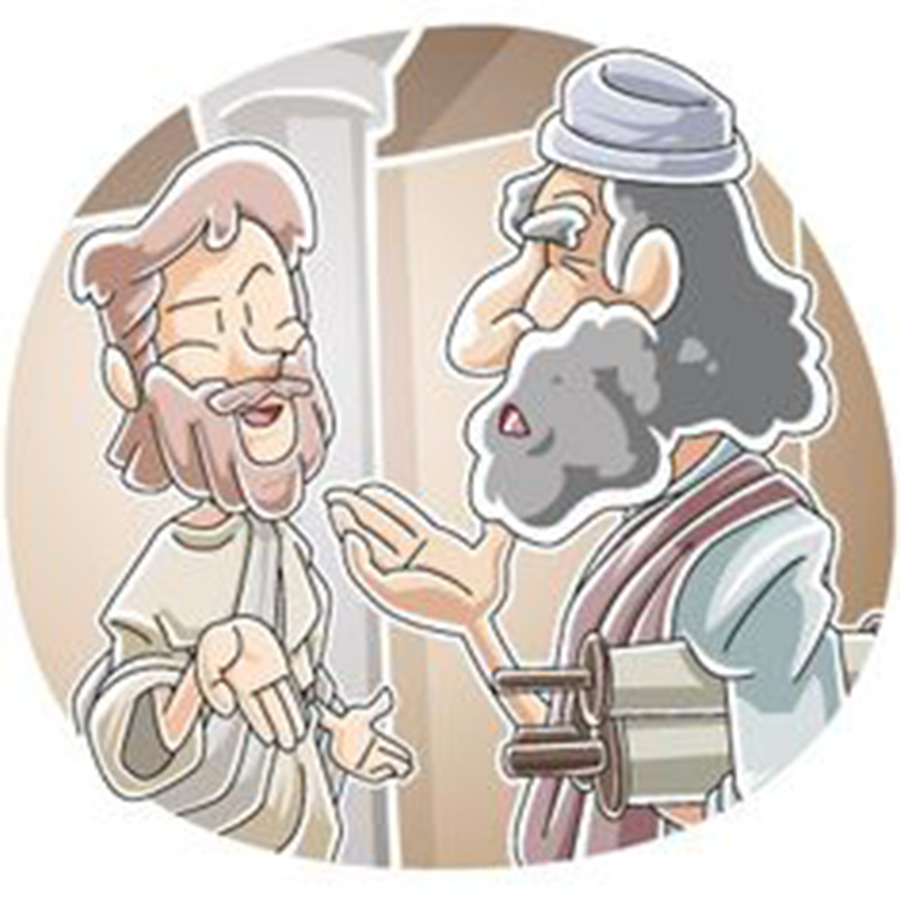
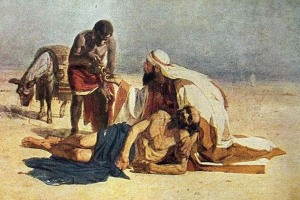 The scholars of the Law were representing the intellectual elite in Jewish society at the time of Jesus. While the rest of Jewish people were struggling to fill their stomach and living in bare necessity, this group had a rare access to good education. We may reasonably suspect that the scholars were affluent enough to read and study the Torah extensively and undisturbed. Compared to the ordinary Jews, they were experts with the details and interpretation of the Law. No wonder, they could easily develop the vice of pride.
 Para ahli Taurat mewakili kelompok intelektual elit di dalam masyarakat Yahudi pada zaman Yesus. Saat sebagian besar dari bangsa Yahudi berjuang untuk mengisi perut mereka, kelompok ahli Taurat memiliki akses langka untuk mendapatkan pendidikan yang terbaik. Kita bisa menduga bahwa para ahli hukum Taurat adalah cukup kaya untuk membaca dan mempelajari Kitab Suci bangsa Yahudi tak terganggu. Dibandingkan dengan orang-orang Yahudi biasa, mereka tentunya ahli dengan berbagai rincian dan interpretasi hukum Taurat. Tidak heran, mereka bisa dengan mudah menjadi tinggi hati atau sombong.
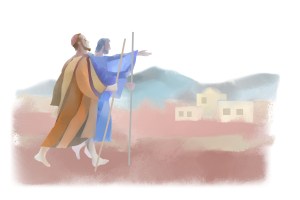 The life of Jesus’ disciples is difficult. It is all the more difficult because we are sent to preach peace. Nothing is harder to sell than peace. In the world intoxicated with fundamental ideologies and narrow-mindedness, violence has become daily food. In Syria and Iraq, the war seems far from an end, and every day, it claims countless of innocent lives. Suicide bombings and shooting rampage insanely become common occurrences. Just recently, some unidentified individuals detonated themselves inside a busy airport in Istanbul, Turkey, killing more than 40 people and injuring countless others. Few weeks back, a heavily armed guy opened fire inside a gay bar in Orlando, US, and murdered more 50 persons. It was the worst case in the US history.
 Menjadi murid Yesus adalah sulit. Dan hal ini semakin sulit karena kita diutus untuk mewartakan kedamaian. Sekarang ini, kedamaian adalah hal yang paling sulit dipromosikan. Dalam dunia yang mabuk dengan ideologi fundamentalis dan kepimikiran sempit, kekerasan telah menjadi makanan sehari-hari. Di Suriah dan Irak, perang tampaknya tak akan berakhir, dan setiap harinya, mengklaim nyawa orang-orang tak berdosa. Bom bunuh diri dan penembakan gila-gilaan menjadi kejadian umum. Baru-baru ini, beberapa orang yang tidak dikenal meledakkan diri di dalam bandara sibuk di Istanbul, Turki, menewaskan lebih dari 40 orang dan melukai banyak lainnya. Beberapa minggu yang lalu, seorang pria bersenjata melepaskan tembakan di dalam sebuah bar di Orlando, AS, dan membunuh lebih 50 orang. Ini adalah kasus terburuk dalam sejarah AS.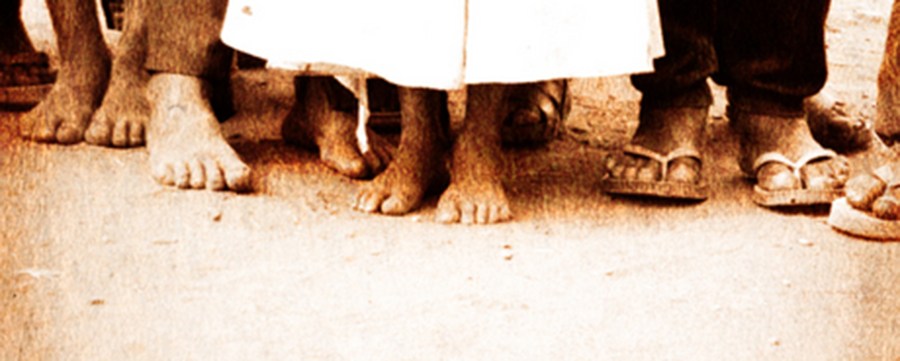
 Following Jesus is difficult. In today’s Gospel, He demands that we let go three things. The first is our concern for our enemies. It seems easy to ignore those people whom we don’t like, but in reality, they consume our attention and energy. My friend shared to me how he was bullied at his officemates, and this drained so much of his productivity and focus in work. Often, like James and John, our anger moves to seek revenge and even violence. “Lord, do you want us to call down fire from heaven to consume them (the Samaritans who rejected them)?” Yet, Jesus reminds us to leave these behind.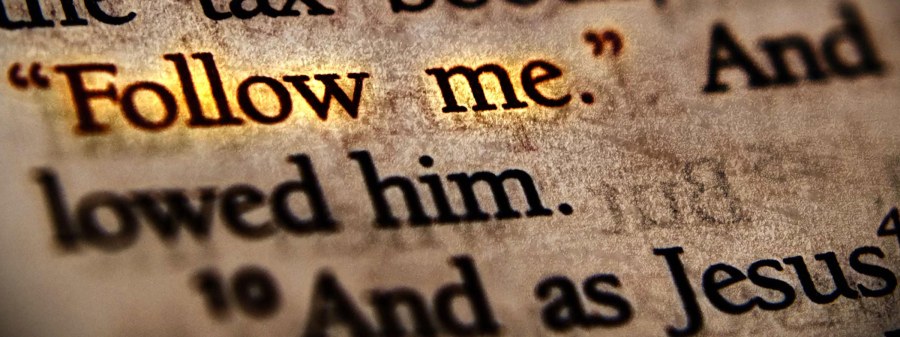
 Mengikuti Yesus itu sulit. Dalam Injil hari ini, Dia menuntut ada tiga hal penting yang harus kita berani lepaskan. Hal pertama adalah fokus kita pada musuh atau orang tidak kita sukai. Sepertinya mudah untuk mengabaikan orang-orang yang tidak kita sukai, tetapi dalam kenyataannya, mereka mengambil banyak perhatian dan energi kita. Seringkali, seperti Yakobus dan Yohanes, kemarahan kita mendorong kita untuk membalas dendam, bahkan dengan cara kekerasan. Pikiran dan emosi kita terkuras oleh kebencian dan menunggu saat pembalasan. “Tuhan, apakah Engkau mau, supaya kami menyuruh api turun dari langit untuk membinasakan mereka (orang Samaria yang menolak Yesus)?” Namun, Yesus mengingatkan kita bahwa hal ini harus kita lepas.
