
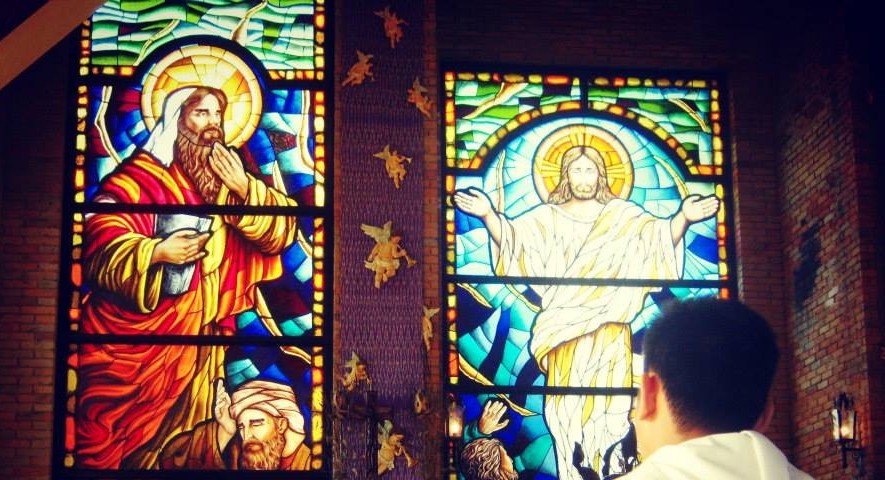

12th Sunday in The Ordinary Time. June 19, 2016 [Luke 9:18-24]
 What will be your answer to Jesus’ question “Who do you say that I am?” We may come up with multiple answers. He is my God, my savior, my friend or my brother. But, we seldom ask, “Do we really understand Jesus’ question? Do we get the right answer? Why is it that Peter would confess that Jesus is Christ of God in the first place?
Christ comes from a Greek ‘Christos’, meaning Messiah or the Anointed One. In the Old Testament, the Anointed One of God refers to the great kings of Israel like Saul and David. Less often, the anointed one applies to prophets and priests. They were called as such because they were anointed with the sacred oil before they assumed the important office. They are leaders of the people as well as God’s representative. When God chose David to lead His People, He instructed Prophet Samuel to go to Bethlehem to house of Jesse and look for David. When the holy prophet found him, he anointed David with the sacred oil. The Spirit of the Lord then rushed and filled upon David (1 Sam 16:1-14). Under King David, Israel reached its pinnacle. Yet, after his demise, Israel’s glory slowly fading and even disappeared altogether. Since then, the Israelites long for the coming of the Anointed One who will restore their glory.
Jesus definitely was aware that He is the Anointed One. In the beginning of his preaching ministry, Jesus went to the synagogue in Nazareth and proclaimed, “The Spirit of the Lord is upon me, because he has anointed me to bring glad tidings to the poor. (Luk 4:18).” Yet, Jesus avoided public proclamation that He is the Christ. He knew well that He would be misunderstood by the Jews. He never came as a political liberator nor a military chieftain. Thus, He waited until the best time arrived.
The time reached fulfillment when Peter was able to answer correctly. Tired of Roman oppressions, the entire Israel, including Peter, was impatient for the coming of the Messiah. When Jesus nodded that He is the Christ, Peter and other disciples would not have a second thought. They would follow their Messiah until the New Israel is born. For Peter, his answer is more than making a confession on Jesus’ identity, but promising firm allegiance to Jesus. Yet, again Jesus had to remind them of the false image of Messiah. He would be rejected, persecuted and even murdered. Following Him means also suffering the same fate as their Master.
When Jesus confronts us with this question “Who do you say that I am?” it is not about giving personal and favorite status of Jesus. Following Peter, our answer is fundamentally about radical commitment to Jesus. It means to follow Him for better or worse. It entails sufferings and cross. Even we may lose our life. We can easily and joyfully sing and praise Jesus in worship meetings, but do we get involved in dirty works of helping the poor? We are proud to have our wedding at the big Church with glamorous celebration, but are we patient enough to endure the trials of marriage life ‘until death do us part’? We are called Christian, because we bear Christ in us. But, do we live like Christ’s image in the world?
To answer rightly, we need to get the question correctly. Have we understood Jesus’ question “Who do you say that I am?” Have we dared to give the right answer? May St. Paul reminded us who we are, “I have been crucified with Christ; yet I live, no longer I, but Christ lives in me (Gal 2:19-20)”
Br. Valentinus Bayuhadi Ruseno, OP
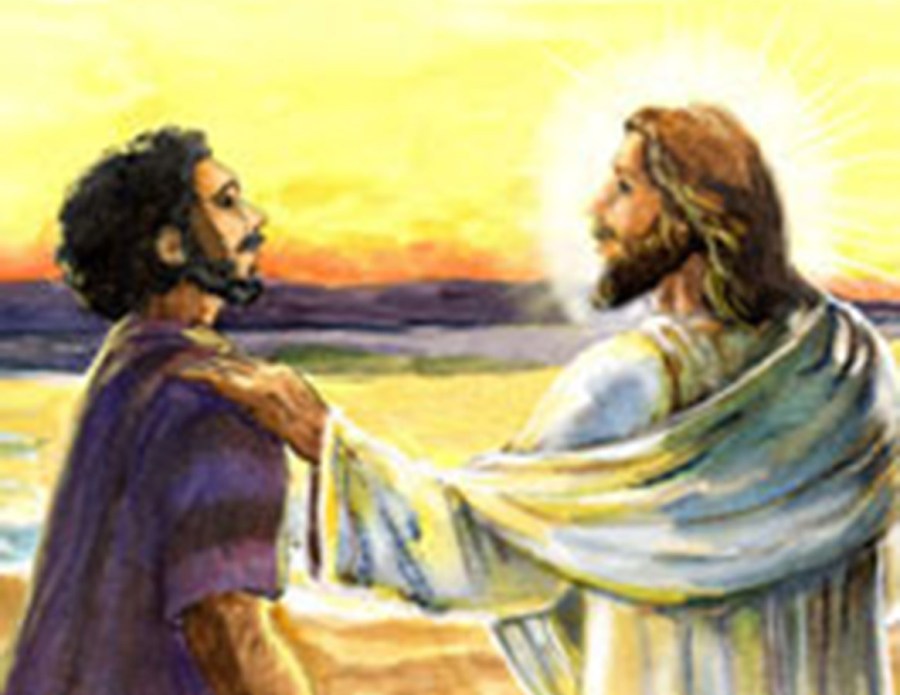
 Apa yang akan menjadi jawaban kita saat Yesus bertanya “Menurut kamu, siapakah Aku ini?” Kita mungkin menjawab: Dia adalah Tuhan, Juruselamat, sahabat atau saudara. Tapi, apakah kita sudah mengerti dengan baik pertanyaan Yesus? Apakah jawaban kita inilah yang Yesus harapkan? Mengapa jawaban Petrus adalah Kristus dan bukan jawaban lainnya?
 Luke has a keen eye for the roles of woman in the life of Jesus and the Church. From the beginning of his Gospel to the end, he made sure that women have important role to play. Among the four Gospels, only Matthew and Luke wrote the infancy narrative. While Matthew had Joseph as the main character, Luke chose Mary as his protagonist. Thanks to Luke, we are able to mediate on the great stories of the Annunciation, the Visitation, and the Presentation. Due to Luke also, we may sing Mary’s Magnificat.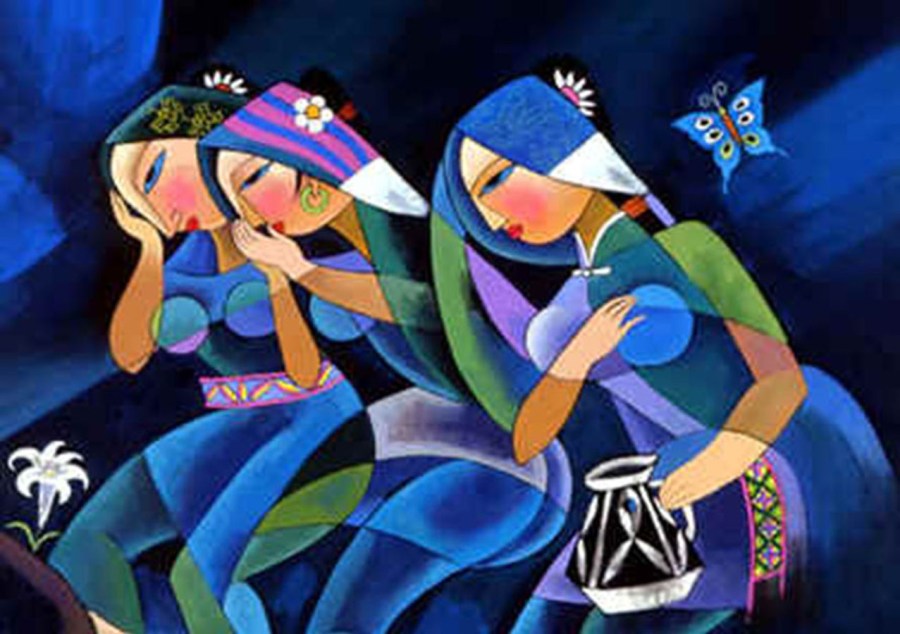
 n khusus bagi peran perempuan dalam kehidupan Yesus dan Gereja. Di Injilnya, ia memastikan bahwa perempuan memiliki peran penting. Di antara keempat Injil, hanya Matius dan Lukas menulis kisah kelahiran Yesus. Sementara Matius memiliki Joseph sebagai karakter utama, Lukas memilih Maria sebagai protagonisnya. Karena Lukas, kita bisa merenungkan kisah-kisah besar seperti Maria menerima Kabar Gembira, Maria mengunjungi Elizabet. Karena Lukas juga, kita bisa ikut bernyanyi Kidung Maria atau Magnificat.
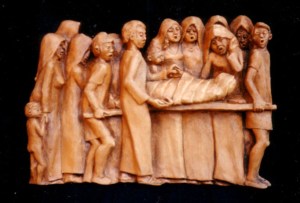 The bible seems to contain a lot of death. Almost all the characters in the Bible tasted death. Some were lucky and enjoyed peaceful end, like Abraham, David and Joshua. Yet, a lot more endured tragic one. Abel was murdered by his own brother. Moses passed away just at the doorstep of the Promised Land. James the son of Zebedee was beheaded, and countless unnamed individuals who were victims of wars, diseases and calamities. In today’s Gospel, a young man died presumably due to illness and left his widowed mother alone. The Bible time was bad period to live.
 Tampaknya Alkitab mengandung banyak kematian. Hampir semua tokoh di dalam Alkitab meninggal dunia. Beberapa dari mereka beruntung karena meninggal dalam damai, seperti Abraham, Daud dan Yosua. Namun, kebanyakan mengalami kematian tragis. Abel dibunuh oleh saudaranya sendiri. Musa meninggal sebelum ia bisa masuk Tanah Perjanjian. Yakobus, rasul pertama yang menjadi martir setelah dipenggal. Dan kita tidak lupa sangat banyak individu yang tak bernama menjadi korban perang, penyakit dan bencana alam di Alkitab. Dalam Injil hari ini, seseorang meninggal dalam usia muda dan meninggalkan ibunya yang janda sendirian. Masa ini adalah masa buruk untuk tinggal dan hidup.
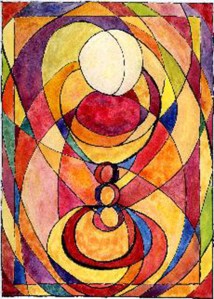 One of my personal ministries is to be a blood donor. If ever someone needs a blood transfusion, I do my best to donate my blood and if possible, visit the ailing person. In biology, we learn that blood is a crucial element of our body that transports nutrition and oxygen to various body parts and also fight the harmful elements inside our body. Thus, losing too much blood will bring us to critical condition even death. No wonder that blood is closely associated with life and I hope that a little blood I share, may save lives.
 Salah satu pelayanan pribadi saya adalah menjadi donor darah. Jika ada seseorang yang membutuhkan transfusi darah, saya berusaha untuk donorkan darah saya dan jika mungkin, mengunjungi orang sakit tersebut. Dalam biologi, kita belajar bahwa darah merupakan elemen penting dari tubuh kita yang membawa nutrisi dan oksigen ke berbagai bagian tubuh dan juga melawan elemen-elemen berbahaya di dalam tubuh kita. Dengan demikian, kehilangan terlalu banyak darah akan membawa kita ke kondisi kritis bahkan kematian. Tidak heran jika darah berterkaitan erat dengan kehidupan, dan saya berharap bahwa sedikit darah yang saya donorkan, bisa menyelamatkan orang lain.
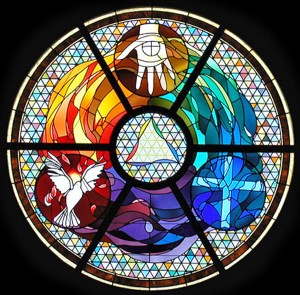 The mystery of the Holy Trinity is the most foundational yet the most difficult teaching of the Catholic Church. The greatest minds in the Church, like St. Augustine of Hippo, St. Thomas Aquinas and Karl Rahner have attempted to fathom the mystery, but their explanations hit a giant wall. One day, when St. Augustine was strolling along the beach, meditating the mystery of the Holy Trinity, the holy bishop saw a young boy digging a hole on the sand. He came close and noticed that the boy was trying to move the sea water inside that small hole. St. Augustine then told the lad that what he did was futile. Then, suddenly the little boy replied, ‘It is the same thing, when you try to put the Trinity inside your small head.’
 Misteri Tritunggal Mahakudus adalah ajaran yang paling mendasar tetapi juga yang paling sulit untuk dimengerti. Pemikir-pemikir besar Gereja, seperti Santo Agustinus dari Hippo, St. Thomas Aquinas dan Karl Rahner telah berusaha untuk memahami misteri ini, tetapi penjelasan mereka menabrak dinding raksasa. Suatu hari, ketika St. Agustinus sedang berjalan di sepanjang pantai, bermeditasi tentang misteri Tritunggal Mahakudus, uskup yang kudus ini melihat seorang anak kecil menggali lubang di pasir. Dia datang mendekat dan melihat bahwa anak itu mencoba untuk memindahkan air laut ke dalam lubang kecil. St Agustinus kemudian mengatakan kepada anak itu bahwa apa yang ia lakukan adalah sia-sia. Tiba-tiba anak kecil itu menjawab, ‘Sama halnya dengan apa yang kamu lakukan, ketika kamu mencoba mengerti Tritunggal di dalam kepalamu yang kecil.’
