

18th Sunday in Ordinary Time [C] – August 4, 2019 – Luke 12:13-21
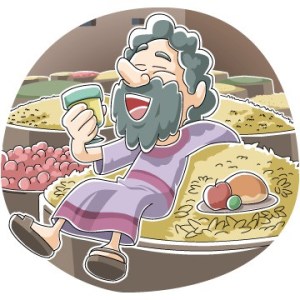 We were all born without bringing anything with us, and for sure, when we die, we will bring nothing with us. Job once said, “Naked I came forth from my mother’s womb, and naked shall I go back there. The LORD gave, and the LORD has taken away; blessed be the name of the LORD!” (Job 1:21). However, as we grow up and old, we begin to acquire things and possessions. Some are given, but some we earn it. As we are accumulating, we start attaching ourselves to these material belongings. Some of us are obsessed with collecting bags, shoes, and clothes, some others with more expensive things like electronic devices and cars. We believe these are ours, and we can own them until the Kingdom comes.
This kind of attachment is rooted in a bigger and more sinister vice: greed. St. Thomas Aquinas defines greed or avarice as “an inordinate desire for wealth or money.” To desire for richness and possession is not evil itself because, in essence, money and belongings are a means to achieve higher goals in life. However, the problem arises when we are confusing between means and the end. Greed enters the picture when we make money as our goal and no longer a means. We begin to measure our happiness and meaningfulness of our lives in terms of wealth. When we place wealth as our yardstick of happiness, all other problems start flooding our lives. When we do not have enough money, we become anxious, but when we have more than enough money, we are also anxious about how to hoard them. We think that the more we have, the happier we become, but the truth is, the more we acquire, the more we feel lacking. An ancient Roman proverb once said that desire for wealth is like drinking seawater; the more you drink, the thirstier you get.
What sickening about this vice is that it brings other sins along. St. Thomas mentions treachery, corruption, fraud, anxiety, insensibility to mercy, and even violence as the daughters of greed. Movie Slumdog Millionaire (2008) tells us a story of Salim and Jamal Malik who are victims of this injustice and greed. After the killing of their mother because of religious hatred in slam area in India, they were forced to stay in a sanitary landfill. Then, they were adopted by ‘professional beggars’ syndicate. One particular scene that reveals the gruesome manifestation of greed is one little boy with a sweet voice, Arwind, was blinded. Jamal later remarks, “Blind singers earn double.” The worst part of the movie is that the movie is not totally fiction, but many events are true to life.
So how are we going to cure this vice? If greed makes us turn means as goal, our response should return the right order: to make wealth as our means to achieve higher goals. If we are blessed with a lot of money, we praise the Lord and use this money to praise the Lord even more. If we do not have enough money, we are called to have more faith in God’s providence. It is the time to use our worldly possession to make “heavenly investment” that no thief can reach, nor moth destroy (Lk. 12:33)
Fr. Valentinus Bayuhadi Ruseno, OP
 Kita semua dilahirkan tanpa membawa apa-apa, dan sama ketika kita mati, kita tidak akan membawa apa pun. Ayub pernah berkata, “Dengan telanjang aku keluar dari kandungan ibuku, dengan telanjang juga aku akan kembali ke dalamnya. TUHAN yang memberi, TUHAN yang mengambil, terpujilah nama TUHAN!” (Ayub 1:21). Namun, seiring bertambahnya usia, kita mulai memperoleh banyak hal dan harta benda. Ketika kita mulai mengakumulasi, kita mulai terikat pada barang-barang materi ini. Beberapa dari kita terobsesi dalam mengumpulkan tas, sepatu, dan baju, beberapa lainnya dengan barang-barang yang lebih mahal seperti perangkat elektronik, mobil dan bahkan mobil. Kita mulai percaya ini adalah milik kita, dan kita dapat memilikinya bahkan sampai kita masuk surga.
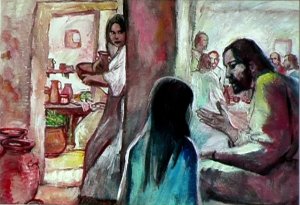 Melakukan sesuatu untuk melayani Tuhan tentu baik dan terpuji. Dan karya-karya ini sangat banyak dan beragam. Tindakan-tindakan ini dapat secara langsung melayani Dia di Gereja, terutama dalam liturgi. Kita dapat berpartisipasi dalam ibadat sebagai anggota paduan suara, lektor, putra altar, asisten imam, atau bahkan sebagai imam yang mempersembahkan Ekaristi itu sendiri. Namun, kita juga dapat melayani Dia melalui sesama ketika kita terlibat dalam inisiatif amal untuk membantu orang miskin, untuk memperjuangkan keadilan dan perdamaian dan integritas ciptaan. Kita memiliki banyak cara, tetapi tujuannya adalah satu dan itu adalah untuk memuliakan Dia.
 The journey from Jericho to Jerusalem was notoriously dangerous. The path was narrow, steep, filled by sudden turnings. The road became the favorite spot for the robbers to ambush any unguarded traveler. Some criminals were often violent, not only they took everything from the victims, but they would beat them mercilessly. Up to early twentieth century, some tourists and pilgrims were caught off guard when they passed this path, as their cars were ambushed and robbed. The brigands would swiftly escape before the police came.
 Perjalanan dari Yerikho ke Yerusalem terkenal berbahaya. Jalan itu sempit, terjal, dipenuhi belokan mendadak sehingga jalan itu menjadi tempat favorit para perampok untuk menyergap setiap pejalan yang tidak siap. Beberapa penjahat sering melakukan kekerasan, bahwa mereka tidak hanya mengambil semua barang dari para korban, tetapi mereka juga akan memukuli mereka tanpa ampun. Hingga awal abad kedua puluh, beberapa turis dan peziarah menjadi korban ketika mereka melewati jalan ini. Setelah mobil para turis dirampok, para perampok akan dengan cepat melarikan diri sebelum polisi datang.
 In today’s Gospel, Jesus is sending His seventy disciples for a mission. Yes, we are reading it correctly; it is not just twelve disciples, but seventy. While we are used to the celebrated mission of the Twelve, Luke informs us about the less famous mission of the seventy. We are not sure who are these people, but for sure, these are people who have the same commitment, dedication, and passion like the big names like Peter, John, Andrew, and Matthew. They follow Jesus, leave everything and are willing to be dispatched into a difficult mission to preach the Kingdom, to heal the sick, and to drive out the demons. The story of the seventy disciples gives us a hint about those dedicated and more numerous disciples of Jesus and yet somehow forgotten. While the Twelve represents the well-known figures of the Church like the pope and the bishops, the seventy bring to mind the nameless yet countless priests, religious men and women, and laity who are tirelessly building up the Body of Christs.
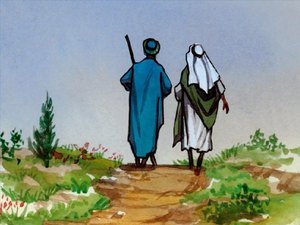 Dalam Injil hari ini, Yesus mengirim tujuh puluh murid-Nya untuk bermisi. Bukan hanya dua belas murid, tetapi tujuh puluh. Sementara kita terbiasa dengan misi Dua Belas Rasul yang lebih terkenal, Lukas memberi tahu kita tentang misi tujuh puluh murid yang kurang terkenal. Kita tidak yakin siapa orang-orang ini, tetapi yang pasti, mereka adalah orang-orang yang memiliki komitmen, dedikasi, dan semangat yang sama seperti Petrus, Yohanes, Andreas dan Matius. Mereka mengikuti Yesus, meninggalkan segalanya dan bersedia dikirim ke misi yang sulit untuk memberitakan Kerajaan Allah, menyembuhkan orang sakit, dan mengusir setan. Kisah tujuh puluh murid memberi kita petunjuk tentang murid Yesus yang berdedikasi dan lebih banyak secara jumlah, namun terlupakan. Sementara Dua Belas Rasul mewakili tokoh-tokoh terkenal dari Gereja seperti paus dan para uskup, tujuh puluh murid mengingatkan kita akan para imam, biarawan-biarawati, kaum awam yang tak terkenal namun tak terhitung jumlahnya, dan yang tanpa lelah membangun Tubuh Kristus.
 Today we listen to one of the most demanding and perhaps harsh teachings of Jesus. For those who follow Him, He demands total allegiance, and He shall become no less than their top priority in life. In both Jewish and Christian tradition, to honor our parents is one of the highest commandments. In fact, it is not a mere honoring, but it is to glorify [Hebrew word used is “kabad”] our parents. But, when a man asks Jesus to bury his father, Jesus tells him, “Let the dead bury the dead.” To one who requests to say goodbye to his family, Jesus says, “No one who sets a hand to the plow and looks to what was left behind is fit for the kingdom of God.” Very harsh. Is this truly Jesus whose heart is moved with pity towards the poor people? Is Jesus no longer observing the Ten Commandments?
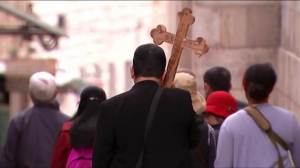 Hari ini kita mendengarkan salah satu ajaran Yesus yang paling sulit dimengerti dan diikuti. Bagi mereka yang ingin mengikuti Yesus, Dia menuntut kesetiaan total, dan menjadi prioritas utama mereka dalam hidup. Baik dalam tradisi Yahudi maupun Kristiani, untuk menghormati orang tua kita adalah salah satu perintah tertinggi dalam Sepuluh Perintah Allah. Tetapi, ketika seseorang meminta Yesus untuk menguburkan ayahnya, Yesus mengatakan kepadanya, “Biarkan orang mati menguburkan orang mati.” Kepada orang yang meminta untuk mengucapkan selamat tinggal kepada keluarganya, Yesus berkata, “Setiap orang yang siap untuk membajak tetapi menoleh ke belakang, tidak layak untuk Kerajaan Allah.” Tidak terbayangkan! Apakah ini benar-benar Yesus yang hatinya tergerak oleh belas kasihan kepada orang-orang miskin? Apakah Yesus tidak lagi memperhatikan Sepuluh Perintah? Bagaimana kita bisa mengerti kata-kata Yesus yang keras ini?
