

Hari Raya Tubuh dan Darah Kristus [Corpus Christi] – B
6 Juni 2021
Markus 14:12-16; 22-26
Hari Raya Tubuh dan Darah Kristus atau dikenal dalam Bahasa Latin, ‘Corpus Christi’ adalah muara dari semua hari raya yang telah kita rayakan selama ini. Kita mulai beberapa bulan yang lalu, dari Pekan Suci dan mencapai puncaknya dalam Trihari Suci. Empat puluh hari setelah Minggu Paskah, kita memuliakan Kristus yang naik ke Surga, dan kemudian Dia mengutus Roh Kudus di antara para murid pada hari Pantekosta. Dan, Minggu lalu, kita memberikan pujian terbesar kita kepada Tritunggal Mahakudus. Sekarang, kita memiliki Corpus Christi. Tapi, mengapa hari raya dirayakan sekarang?

Dengan bimbingan Roh Kudus, Gereja telah mengakui betapa pentingnya kehadiran Yesus yang real di Ekaristi. Seluruh sejarah penciptaan dan keselamatan mengalir ke misteri ini. Tuhan menciptakan dunia agar dunia dapat berbagi dalam kasih-Nya. Sayangnya, pria dan wanita jatuh ke dalam dosa, dan menjauh dari kasih Tuhan. Namun, kasih dan kerahiman-Nya jauh lebih besar daripada kejahatan dan kelemahan kita, dan Dia mengutus Putra-Nya untuk mengambil kodrat manusia dan hidup di antara kita. Tidak hanya menjadi manusia, Yesus juga mempersembahkan diri-Nya di kayu salib untuk keselamatan kita. St. Yohanes dengan tepat menyimpulkan, “Karena begitu besar kasihAllah akan dunia ini, sehingga Ia telah mengaruniakanAnak-Nyayang tunggal, supaya setiap orang yang percayakepada-Nya tidak binasa, melainkan beroleh hidup yang kekal [Yohanes 3:16].” Namun, ini bukan akhir dari kisah kasih Allah yang luar biasa! Kristus yang bangkit secara mujizat berubah menjadi Ekaristi, menjadi makanan kita. Dalam Sakramen Ekaristi mahakudus, tercakuplah “dengan sesungguhnya, secara real dan substansial tubuh dan darah bersama dengan jiwa dan ke-Allahan Tuhan kita Yesus Kristus dan dengan demikian seluruh Kristus.” – [KGK 1374]
Bagi mereka yang tidak beriman, roti ini hanyalah kerupuk putih yang hambar, tetapi bagi kita yang dipanggil untuk hidup yang kekal, roti itu bukan lagi roti, tetapi kepenuhan Kristus sendiri. Ketika Yesus ada di sana, Tritunggal Mahakudus juga ada di sana. Ketika Trinitas ada di sana, seluruh malaikat dan orang-orang kudus juga ada di sana. Menerima Ekaristi adalah menerima seluruh surga, hidup yang kekal. Inilah kehendak Kristus sendiri, “Sesungguhnya jikalau kamu tidak makan dagingAnak Manusiadan minum darah-Nya, kamu tidak mempunyai hidup di dalam dirimu. Barangsiapa makan daging-Ku dan minum darah-Ku, ia mempunyai hidup yang kekal dan Aku akan membangkitkan dia pada akhir zaman.[Yoh 6:53-54].”
Ekaristi adalah bukti kasih Allah. Tidaklah cukup bagi Tuhan untuk menjadi manusia, tidak cukup bagi Dia untuk mati dan bangkit bagi kita, tidak cukup bagi Dia untuk membuka gerbang surga. Dia ingin kita berbagi kehidupan dan kasih ilahi-Nya sekarang dan di sini.
Namun, kita perlu ingat bahwa surga bukan hanya untuk kita sendiri. Saat Yesus membagikan hidup dan kasih-Nya dalam Ekaristi, kita diundang untuk menjadi Ekaristi kecil dalam kehidupan kita sehari-hari. Sebagaimana Yesus memelihara kita dengan Tubuh dan Darah-Nya, apakah kita memelihara orang-orang dengan tubuh dan darah kita? Sebagai orang tua, apakah kita mempersembahkan tubuh dan darah kita kepada anak-anak kita agar mereka dapat mengalami kepenuhan hidup yang sesungguhnya? Apakah kita membawa surga bagi keluarga dan komunitas kita? Apakah kita menjadi agen kasih bagi masyarakat kita?
Valentinus Bayuhadi Ruseno, OP

 Leprosy in the time of Jesus is not only physically and mentally deadly, but also spiritually incapacitating. Leprosy or currently known as the Hansen’s disease is horrifying sickness because it does not kill the person slowly, but it gradually deforms and incapacitates the person. The bacteria cause terrible damage in peripheral nervous to the point that the person is no longer feeling the sensation, especially pain. Without this sensation, the person fails to recognize and avoid bodily injuries. Losing limbs is shared among the victims with advanced stages of leprosy.
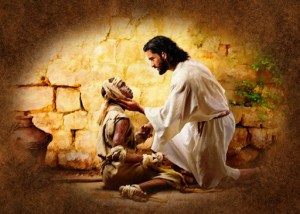 Penyakit kusta pada zaman Yesus tidak hanya mematikan secara fisik dan mental, tetapi juga melumpuhkan secara rohani. Kusta atau yang sekarang dikenal dengan penyakit Hansen adalah penyakit yang mengerikan karena tidak hanya membunuh orangnya secara perlahan, tetapi lambat laun akan merusak wujud dan melumpuhkan orang tersebut. Bakteri kusta menyebabkan kerusakan yang parah pada jaringan saraf sehingga orang tersebut tidak lagi dapat merasakan sensasi, terutama rasa sakit. Tanpa sensasi ini, orang tersebut gagal mengenali dan menghindari cedera pada tubuh. Kehilangan anggota tubuh seperti jari adalah hal yang biasa terjadi pada penderita kusta stadium lanjut.
 Jesus cannot be separated from His healing ministries. Some of the healings are remarkable, like the healing of a woman with the hemorrhage and Jarius’ daughter [Mark 5:321-43]. They are astonishing because these are practically impossible cases. The woman has suffered for twelve years without sign of hope, and Jarius’ daughter is as good as dead. Yet, Jesus does heal not only those with grave illness but also those with curable sickness.
 Yesus tidak dapat dipisahkan dari pelayanan penyembuhan-Nya. Beberapa kisah kesembuhan merupakan kejadian yang luar biasa seperti kesembuhan seorang wanita dengan pendarahan dan juga anak perempuan Jarius [Markus 5: 321-43]. Penyembuhan ini adalah mujizat karena kasus-kasus yang dihadapi Yesus adalah hal-hal mustahil disembuhkan pada zaman-Nya. Sang wanita telah menderita pendarahan selama dua belas tahun tanpa harapan, dan putri Jarius sebenarnya sudah meninggal. Di sisi lain, Yesus tidak hanya menyembuhkan orang yang sakit parah, tapi juga mereka yang sakitnya tergolong tidak membahayakan.
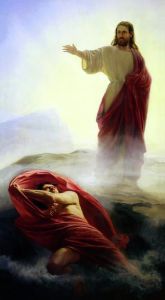 Jesus performed His first exorcism in the Gospel of Mark. Reading the context, we discover that Jesus was teaching in the synagogue, and the people recognized Him teaching with authority. When Jesus taught with authority, it does not merely mean He preached with eloquence and chrism, but His teachings manifested in powerful signs, like healings and exorcism.
 Yesus melakukan pengusiran setan atau eksorsisme pertama-Nya dalam Injil Markus. Membaca konteksnya, kita menemukan bahwa Yesus sedang mengajar di sinagoga dan orang-orang mengenali Dia mengajar dengan otoritas. Ketika Yesus mengajar dengan otoritas, ini tidak hanya berarti Dia berkhotbah dengan kefasihan dan krisma, tetapi ajaran-Nya dimanifestasikan dalam tanda-tanda yang nyata dan menakjubkan, seperti penyembuhan dan pengusiran setan.
 We once again listen to the story of the calling of the first disciples: Simon and Andrew, as well as James and John, the sons of Zebedee. Jesus called them, and He would make them ‘the fishers of men.’ Yet, from countless possibilities of professions and occupations, why did they have to be ‘the fishers of men’? Why not merely Jesus’ promotion team? Why not Jesus’ soldiers?
