

The solemnity of Christ the King [November 25, 2018] John 18:33-37
“You say I am a king. For this I was born and for this I came into the world, to testify to the truth. Everyone who belongs to the truth listens to my voice (John 18:37).”

Our Liturgical Year ends with a drama of two kings: Pilate and Jesus. Pilate was representing the superpower nation in those times, the Roman Empire. So massive in its military domination and so ruthless in its conquests are Rome with her mighty legions. Kingdoms bent their knees in homage to Cesar, the king of kings. Pilate embodied this culture of intimidation and violence. He was a notoriously brutal leader, who stole from his subjects and executed people even without a trial. Surely, he thought of himself as the powerful ‘king’ of Jerusalem and anyone who stoodon his way, would be destroyed.
We are constantly tempted to belong to this kingdom. A husband refuses to listen to his wife and forces his wills in the family through his physical superiority. Insecure with themselves, bigger and tougher guys bully the smaller and weaker kids in a school. Sadly, it takes place not only in school but almost everywhere: family, workplace, society and even cyberspace. The boss intimidates his employees. The government leaders violently suppress any critical voices no matter correct they may be. In the height of his dictatorship, Joseph Stalin bullied the Church saying, “How many division of tank does the Pope have?” Machiavelli, an Italian philosopher, evenonce concluded that the orderly society is built upon fear and violence
However, we have Jesus, the King. But, what kind of king he is? If He is a king, why does he never put on any royal crown, exceptthe crown of thorns forcefully embeddedon his head (Mat 27:29)? If He is a king, why does he have no imperial throneexcept the germ-plagued manger of Bethlehem and the ghastly wood of the cross(Luk 2:7 and Mark 15:30)? If He is a king, why does he control no formidablearmy, except the disbanded group of naïve followers: one of them sold him for30 pieces of silver, a price of a slave,another denied Him for three times and the rest ran for their lives? Is Jesus really a king?
Reading our today’s Gospel closely, Jesus says that His kingdom is not of this world. This means that His kingdom does not conform to the standards of this world. It is not built upon military power, forceful domination, or bloody war. Thus, He is king with no golden crown, and his kingdom has no single army. Jesus further reveals that He comes to testify to the truth (John 18:37), and indeed, He is the TruthHimself (John 14:6). He is the king that rules the kingdom of truth, and his subjects are those listen and witness to the truth. His is the Kingdom that turns upside down the values of the earthly kingdom. It is not built upon deceit, coercion, or clever political maneuvers,but upon mercy, justice and honesty. It embodies the genuine love for others even the enemies, service to everyone especially to the poor, and true worshipof God.
At the end of the liturgical year, it is providential that the Church chooses this reading for us to contemplate. From the entire liturgical year, we come to the Churchand listen to the scriptural readings especially the Gospel. We listen to JesusHimself, and we are confronted with various aspects of this one Truth. Now, itis time for us to decide whether we become part of the kingdom of Pilate, or welisten to the Truth and follow Jesus.
Br. Valentinus Bayuhadi Ruseno, OP



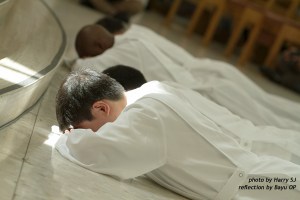 In Jesus’ time, the scribes are the well-educated Jewish men who are expert in the Law of Moses. Some of them come from the wealthy families, and others hail from the priestly clan. Being able to teach and interpret the Law, they receive the respect and honor from the ancient Jewish society. Thus, ordinary Jews will greet them and prepare them the seats of honor in the synagogues and the banquets. Surely, there is no problem with receiving greetings and sitting as honor guests. Jesus Himself is often greeted as “Teacher” or “Rabbi”, and He attends the banquets as guest of honor (see Mar 14:3). The problem comes when some of the scribes possesses “narcissistic desire” and intentionally look for these privileges.
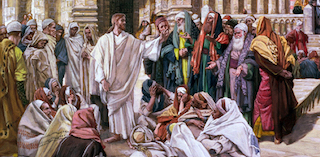 Pada masa Yesus hidup, para ahli Taurat adalah orang Yahudi terdidik dan menjadi ahli dalam Hukum Musa. Beberapa dari mereka berasal dari keluarga kaya, dan yang lain dibesarkan dari klan imam. Mampu mengajar dan menafsirkan Hukum, mereka menerima respek dan kehormatan dari masyarakat Yahudi. Dengan demikian, orang-orang Yahudi kebanyakan akan menyapa dengan hormat para ahli Taurat ini dan mempersiapkan bagi mereka kursi kehormatan di sinagoga dan perjamuan. Tentunya, tidak ada masalah dengan menerima salam dan duduk sebagai tamu kehormatan. Yesus sendiri sering disambut sebagai “Guru” atau “Rabi”, dan Dia menghadiri perjamuan sebagai tamu kehormatan (lihat Mar 14:3). Masalah muncul ketika beberapa ahli Taurat memiliki “hasrat narsistik”, menjadi gila hormat dan dengan sengaja mencari yang kehormatan dan semua hak-hak istimewa.
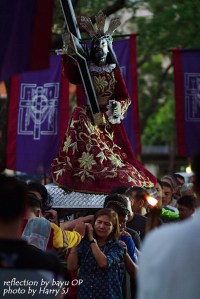 Several years ago, I gave a talk on the introduction to Christology to a group of young Filipino professionals who wished to deepen their spirituality. The first question I asked them as we commenced the short course was, “Who do you say that Jesus is?” The answers were varied. Some gave a dogmatic formula like Jesus is God, one quoted the Bible saying Jesus is the Word made flesh, one expressed boldly that Jesus is Savior and Lord, and the rest shared personal convictions like Jesus is their closest friend, or Jesus is their Shepherd. All these answers were right, but nobody claimed that Jesus is the Christ. Considering that our subject was Christology, we missed the basic Jesus’ title, in Greek, “Christos,” in Hebrew, “Messiah,” and translated into English, the Anointed One. Fortunately, around two thousand years ago, Simon Peter was able to spell the title when Jesus Himself asked the question.
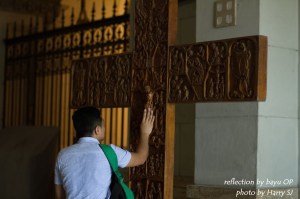 Beberapa tahun yang lalu, saya memberikan ceramah pengantar Kristologi bagi sekelompok profesional muda Filipina yang ingin memperdalam spiritualitas mereka. Pertanyaan pertama yang saya tanyakan kepada mereka adalah, “Menurut kamu, siapakah Yesus itu?” Jawabannya beragam. Beberapa memberikan formula dogmatis seperti Yesus adalah Allah, ada yang mengutip Alkitab dan mengatakan Yesus adalah Firman yang menjadi daging, seseorang menyatakan dengan berani bahwa Yesus adalah Juruselamat dan Tuhan, dan sisanya berbagi keyakinan pribadi seperti Yesus adalah sahabat terdekat mereka, atau Yesus adalah Gembala mereka. Semua jawaban ini benar, tetapi tidak ada yang mengklaim bahwa Yesus adalah Kristus. Mempertimbangkan bahwa ceramah kami adalah Kristologi, kami sepertinya lupa akan identitas dasar Yesus, dalam bahasa Yunani, “Christos,” dalam bahasa Ibrani, “Mesias,” yang berarti “Yang Diurapi”. Untungnya, sekitar dua ribu tahun yang lalu, Simon Petrus mampu mengucapkan identitas dasar ini ketika Yesus Sendiri menanyakan pertanyaan ini.
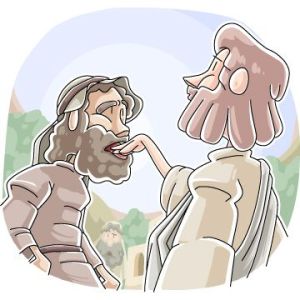 The deaf man whom Jesus heals is so blessed. He is able to see Jesus, and He finds healing. Inspired by this miracle, we wish that we will also meet Jesus and He will heal our sickness and solve our problems. Thus, we come to various places where we believe Jesus will heal us. We visit pilgrimage sites, we attend prayer and worship meetings, we recite various novenas, and we become actively involved in the Church’s organizations. We believe that our faith in Jesus will save us. However, what if our prayers are not granted? What if our problems are not solved but rather grow in number? What if our sickness is not healed, but gets worse? What if we do not feel that we are saved? One time, I visited Flora [not her real name], a colon-cancer patient, and she asked me, “Brother, I have faith in God, and I faithfully serve the Church, but why am I suffering from this terrible sickness?” Surely, it was a tough question.
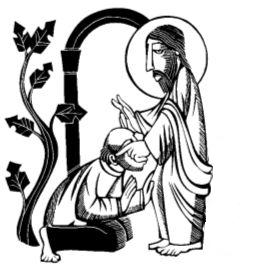 Minggu ini kita mendengar tentang Yesus yang menyembuhkan seorang tuli dan bisu. Terinspirasi oleh mukjizat ini, kita berharap bahwa Yesus akan menyembuhkan penyakit kita dan memecahkan segala masalah kita. Jadi, kita pergi ke berbagai tempat ataupun kegiatan di mana kita percaya Yesus akan menyembuhkan kita. Kita pergi ke situs ziarah, kita menghadiri pertemuan doa, dan kita menjadi aktif terlibat di Gereja. Kita percaya bahwa iman kita kepada Yesus akan menyelamatkan kita. Namun, bagaimana jika doa kita tidak dikabulkan? Bagaimana jika masalah kita tidak selesai tetapi bertambah jumlahnya? Bagaimana jika penyakit kita tidak sembuh, tetapi semakin parah? Suatu kali, saya mengunjungi Flora [bukan nama sebenarnya], pasien kanker usus besar, dan dia bertanya kepada saya, “Frater, saya memiliki iman kepada Tuhan Yesus, dan saya dengan setia melayani di Gereja, tetapi mengapa saya menderita penyakit yang mengerikan ini? “Tentunya, ini pertanyaan yang sulit dijawab.
